Netflix Confirms $587 Million Acquisition of Ben Affleck’s AI Filmmaking Startup InterPositive

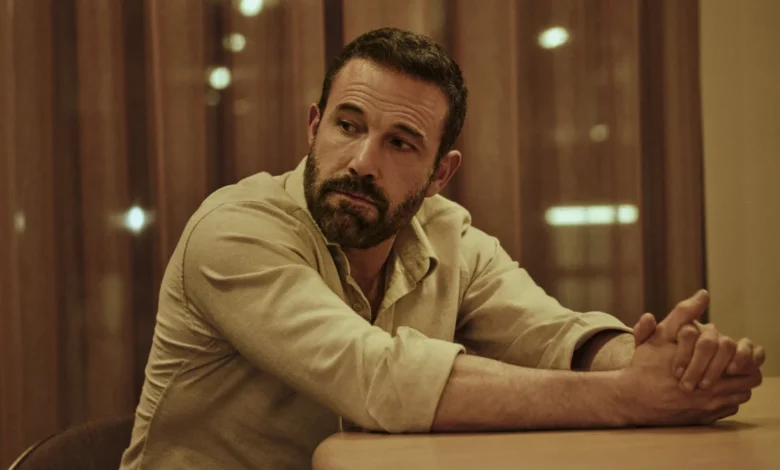
In a significant move reshaping the landscape of digital content creation, Netflix has officially disclosed the substantial financial commitment behind its acquisition of InterPositive, an artificial intelligence startup co-founded by acclaimed actor and director Ben Affleck. The streaming giant confirmed in a recent regulatory filing that the cash payment for the innovative company amounted to $587 million. This revelation sheds crucial light on the previously undisclosed financial terms of a deal that was first announced in March of this year.
The acquisition, which saw InterPositive’s entire team integrate into Netflix, underscores the streaming behemoth’s aggressive pursuit of cutting-edge technologies to enhance its production pipeline and maintain its competitive edge in the rapidly evolving entertainment industry. Ben Affleck, a prominent figure in Hollywood, has taken on the role of senior advisor within Netflix following the integration. His initial public statement regarding the acquisition emphasized a commitment to "protect the power of human creativity," suggesting a vision where AI serves as a tool to augment, rather than replace, the artistic endeavors of filmmakers.
InterPositive’s core technology, as articulated by Affleck, is designed to empower filmmakers by streamlining post-production processes. The AI tools developed by the startup are reportedly adept at addressing common real-world production challenges. These include rectifying issues such as missing shots, seamlessly performing background replacements, and correcting inconsistent or incorrect lighting. Such capabilities hold the potential to significantly reduce production costs, accelerate timelines, and elevate the overall quality of visual content.
The initial announcement of the acquisition in March generated considerable industry buzz, but Netflix maintained a veil of secrecy around the precise financial figures. Industry observers and financial analysts speculated on the deal’s valuation, with a subsequent report from Bloomberg suggesting a potential worth of up to $600 million. The newly disclosed $587 million figure brings these estimations into sharp focus, confirming a substantial investment by Netflix into AI-driven filmmaking solutions. This investment aligns with a broader trend within the company, as evidenced by its recent earnings report which indicated that approximately 300 of its titles have already incorporated generative AI in their production or post-production phases.
The Genesis of InterPositive and Its Strategic Alignment with Netflix
The story of InterPositive is intrinsically linked to Ben Affleck’s vision for the future of filmmaking. While the exact timeline of InterPositive’s founding is not publicly detailed in the initial reports, its emergence as a viable technological entity capable of attracting the attention of a global streaming leader like Netflix speaks volumes about its innovative potential. Affleck, known for his directorial efforts such as "Argo" and "The Town," has a deep understanding of the complexities and demands of filmmaking. It is within this context that InterPositive’s mission to leverage AI for practical production enhancements likely took root.
The startup’s focus on addressing "real-world production challenges" suggests a pragmatic approach to AI integration. Instead of focusing on speculative or futuristic applications, InterPositive aimed to solve immediate pain points for filmmakers. This could range from the laborious task of digitally altering footage to fix continuity errors to the more intricate process of creating believable visual effects for scenes that were not perfectly captured during principal photography. For a platform like Netflix, which produces an unprecedented volume of content across diverse genres and budgets, the ability to efficiently and cost-effectively overcome such hurdles is invaluable.
A Timeline of the Acquisition
The acquisition process, while culminating in the recent regulatory filing, has unfolded over several months, highlighting a strategic and deliberate approach by Netflix.
- Early 2026 (Estimated): InterPositive, under the co-founding leadership of Ben Affleck, is reportedly developing and refining its AI-powered post-production tools. The company gains traction within the industry for its innovative solutions to common filmmaking challenges.
- March 2026: Netflix officially announces its acquisition of InterPositive. The announcement is accompanied by a statement from Ben Affleck, articulating his vision for the role of AI in safeguarding human creativity in filmmaking. At this stage, financial terms are not disclosed, and it is confirmed that the InterPositive team will join Netflix, with Affleck serving as a senior advisor.
- March 2026 (Following Announcement): Reports emerge, notably from Bloomberg, suggesting that the acquisition could be valued at up to $600 million. This estimate reflects the significant potential perceived in InterPositive’s technology and team.
- June 30, 2026: Netflix files its quarterly regulatory report, which includes the definitive cash payment of $587 million for the acquisition of InterPositive. This filing provides the first official confirmation of the financial details of the deal.
- Late 2026 (Current Reporting Period): The implications of the acquisition begin to be more widely discussed within the industry, particularly in light of Netflix’s ongoing integration and utilization of AI across its content library.
Supporting Data: The Growing Role of AI in Content Creation
Netflix’s substantial investment in InterPositive is not an isolated event but rather a strategic escalation of its existing engagement with artificial intelligence. The company’s recent earnings report, which revealed that approximately 300 of its titles have already benefited from generative AI, provides critical context. This figure suggests a widespread and growing adoption of AI technologies within Netflix’s vast production ecosystem.
Generative AI, in the context of filmmaking, can encompass a wide array of applications. These include:
- Script Analysis and Generation: AI can analyze scripts for pacing, character arcs, and potential plot holes, and in some instances, assist in generating dialogue or scene descriptions.
- Visual Effects and Enhancement: As highlighted by InterPositive’s technology, AI can be used for tasks such as object removal, background manipulation, de-aging actors, creating digital doubles, and enhancing the quality of existing footage.
- Automated Editing: AI can assist editors by suggesting cuts, identifying key moments, or even generating rough cuts of scenes based on predefined parameters.
- Personalized Content Recommendations: While not directly related to production, Netflix’s core business relies heavily on AI for understanding viewer preferences and recommending content, further demonstrating its commitment to AI across its operations.
- Voice Synthesis and Dubbing: AI is increasingly being used to generate realistic voiceovers and dubbing in multiple languages, expanding the global reach of content.
The fact that 300 Netflix titles have already leveraged generative AI indicates that the company is actively experimenting with and integrating these tools into its workflow. The acquisition of InterPositive, with its specific focus on post-production enhancement, represents a significant deepening of this commitment, likely aimed at refining and scaling these capabilities. The $587 million investment is a testament to the perceived return on investment these technologies can offer, potentially through reduced costs, increased efficiency, and the ability to achieve visual outcomes that were previously cost-prohibitive or technically challenging.
Official Responses and Industry Reactions
While Netflix has provided the core details of the acquisition through its regulatory filings and the initial announcement, the broader industry is abuzz with speculation and analysis. Ben Affleck’s statement about protecting "human creativity" is particularly noteworthy. It suggests a nuanced understanding of AI’s role, positioning it as a collaborative partner for artists rather than a replacement. This perspective is crucial in an industry where artistic integrity and human authorship are paramount.
Industry analysts and competitors are likely observing this move with keen interest. Netflix’s aggressive acquisition strategy in the AI space could set a precedent for other major studios and streaming services. The significant financial outlay signals a belief that AI-driven post-production tools are not just a novelty but a fundamental component of future content creation.
From a talent perspective, the acquisition could spark discussions about the evolving skill sets required in the entertainment industry. While AI tools aim to assist, a deeper understanding of these technologies and how to effectively integrate them into creative workflows will likely become increasingly valuable for filmmakers, editors, and visual effects artists.
Broader Impact and Implications
The $587 million acquisition of InterPositive by Netflix carries profound implications for the future of filmmaking and the broader media landscape.
- Democratization of High-Quality Production: By integrating advanced AI tools, Netflix could potentially lower the barrier to entry for creating visually stunning content. This could empower independent filmmakers and smaller production houses to achieve a level of polish previously only accessible to major studios with substantial budgets.
- Efficiency and Cost Savings: The ability of AI to automate and enhance post-production tasks can lead to significant time and cost savings. This is particularly relevant for Netflix, which operates on a global scale and produces a vast quantity of content. Reduced production costs could translate into greater investment in original content or a more competitive pricing strategy for subscribers.
- Creative Augmentation: As Ben Affleck alluded to, AI can serve as a powerful creative tool. By handling laborious tasks and offering solutions to production challenges, AI can free up filmmakers to focus on the artistic and narrative aspects of their work. This could lead to more ambitious storytelling and innovative visual approaches.
- The Evolution of Post-Production Roles: While the acquisition emphasizes the augmentation of human creativity, it also signals a shift in the nature of post-production roles. Professionals in this field may need to adapt by acquiring skills in AI operation, data management, and collaborative workflows with AI systems.
- Competitive Landscape: Netflix’s proactive investment in AI-driven filmmaking positions it as a leader in technological innovation within the entertainment industry. This could put pressure on competitors to similarly invest in and acquire AI technologies to remain competitive in terms of production quality, efficiency, and creative capabilities.
- Ethical Considerations and Creative Integrity: The increasing integration of AI in creative processes also brings to the fore ethical considerations regarding authorship, intellectual property, and the potential for AI-generated content to displace human artists. Netflix’s stated aim to "protect human creativity" will be a critical factor in how these issues are navigated. The company’s approach to transparency and its collaborative framework with human creatives will be closely scrutinized.
In conclusion, Netflix’s $587 million investment in InterPositive represents a bold strategic move that underscores the transformative power of artificial intelligence in the film and television industry. This acquisition is not merely a financial transaction but a significant step towards integrating advanced AI capabilities into the very fabric of content creation, promising to redefine efficiency, creativity, and the future of storytelling on a global scale. The success of this integration, and its impact on the industry, will undoubtedly be a key narrative to follow in the coming years.