Meta Steps Up Its Physical Retail Expansion With Six New Standalone Stores to Fuel the AI Smart Glasses Boom

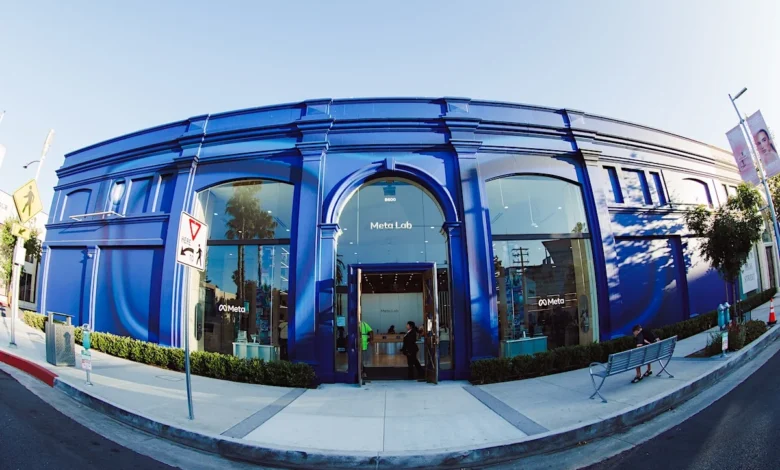
The intersection of fashion, personal technology, and artificial intelligence is finding a permanent home on major commercial avenues across the United States. Inside the Meta Lab on Fifth Avenue in New York City, a steady stream of curious visitors test a variety of AI-powered eyewear. Prospective buyers browse racks of smart glasses, evaluating transition lenses against clear options, trying on popular frames such as the Starfire edition designed in collaboration with celebrity personality Kylie Jenner, and testing the mechanics of magnetic, rechargeable carrying cases. Upstairs, staff members guide consumers through interactive product demonstrations, while a custom laser-engraving station etches New York-specific motifs like iconic hot dog carts onto selected hardware.
This tactile, high-touch retail experience is about to become far more accessible to a broader American consumer base. Meta has confirmed plans to open six new standalone Meta Lab retail locations over the coming months, an aggressive real estate push that will nearly double the brand’s brick-and-mortar footprint. The expansion kicked off with a new store in Houston on September 10, with subsequent locations slated for Atlanta; San Diego; Chicago; Scottsdale, Arizona; and Moynihan Station in New York City. This strategic rollout builds upon an existing network of eight flagship locations, which includes prominent retail anchors in Los Angeles, New York City, and Honolulu.
A Chronological Evolution of Meta’s Smart Glasses Ecosystem
Meta’s journey into the wearable technology sector has evolved rapidly over a half-decade, transitioning from experimental partnerships to a diversified portfolio of AI-driven hardware products.
The company’s initial foray into the market occurred in September 2021, when it partnered with EssilorLuxottica, the parent company of Ray-Ban, to introduce the first generation of Ray-Ban Stories smart glasses. While these early models established basic audio and camera capture capabilities, they lacked the advanced generative artificial intelligence features that would later define the category.
In December 2023, Meta and EssilorLuxottica rolled out a highly anticipated second generation of Ray-Ban Meta smart glasses, significantly improving camera resolution, audio quality, and integrating deeper multimodal AI assistant features. The momentum continued into 2025 with the commercial debut of Ray-Ban Display glasses, featuring a built-in visual projection screen starting at $799, alongside the Meta Vanguard glasses developed with Oakley to target the athletic and performance market segment.
By mid-2026, Meta broadened its consumer appeal by introducing standard Meta Glasses featuring adjustable nose pads at a more accessible entry price point of $299. This was complemented by a $399 collaboration line with Kylie Jenner, whose voice was integrated into the onboard AI assistant. During a corporate earnings call in July 2026, Meta Chief Executive Officer Mark Zuckerberg highlighted the commercial trajectory of the hardware line, noting that the company’s smart glasses "remain one of the fastest-growing consumer electronics of all time."
Market Dynamics, Sales Performance, and Retail Strategy
The broader smart glasses market is experiencing unprecedented growth, though it remains an emerging sector within consumer electronics. According to retail tracking data from Circana for the twelve-month period ending in May, revenue within the smart glasses category surged by 233%. Counterpoint Research data from February indicates that Meta and its manufacturing partner EssilorLuxottica command a dominant position in the sector, holding an estimated market share exceeding 80%. Business Insider reported that Meta sold a minimum of 7 million units of its smart glasses over the course of the previous year.
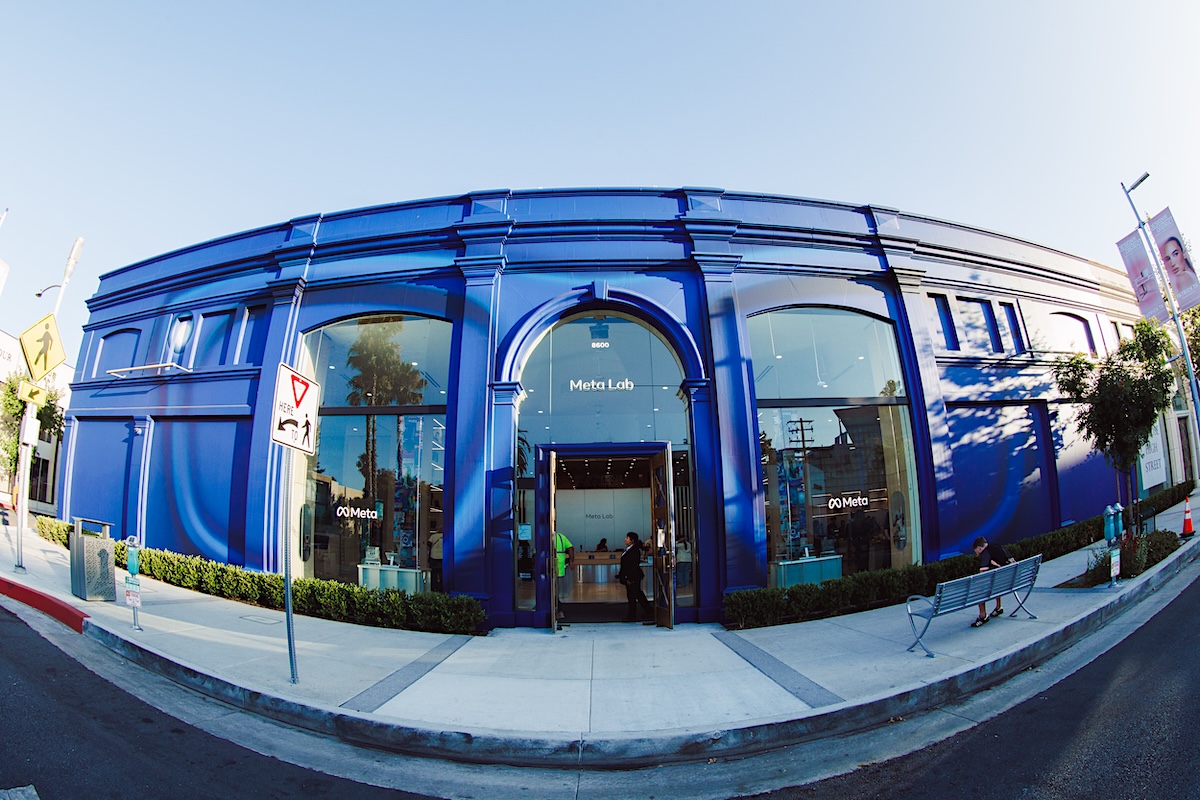
Despite these impressive growth metrics, the product category has not yet achieved ubiquitous mass adoption comparable to smartphones. To bridge the gap between digital curiosity and physical ownership, Meta has prioritized experiential brick-and-mortar retail. The Meta Lab retail concept was first trialed as a temporary pop-up activation at the company’s Connect conference in September 2024, where internal metrics showed that over 90% of conference attendees visited the space, resulting in a conversion rate where more than one in four visitors made a purchase.
Matt Jacobson, vice president and creative director at Meta, emphasized that the physical stores are essential for marketing a product category that is inherently personal. "We’re selling a lifestyle-slash-fashion product… for the most important real estate you have: your face," Jacobson stated in an interview. "We can’t rely strictly on someone buying these online. We’ve tried to make it feel like a safe place to try on different styles and find the ones that are right for you."
Meta is also scaling its physical presence through strategic retail partnerships. In June, Meta Lab began launching dedicated shop-in-shop experiences inside Best Buy locations to provide product demonstrations and fittings. The company remains on track to operate 50 such retail corners by the end of 2026.
Diverse Store Formats and Localization Efforts
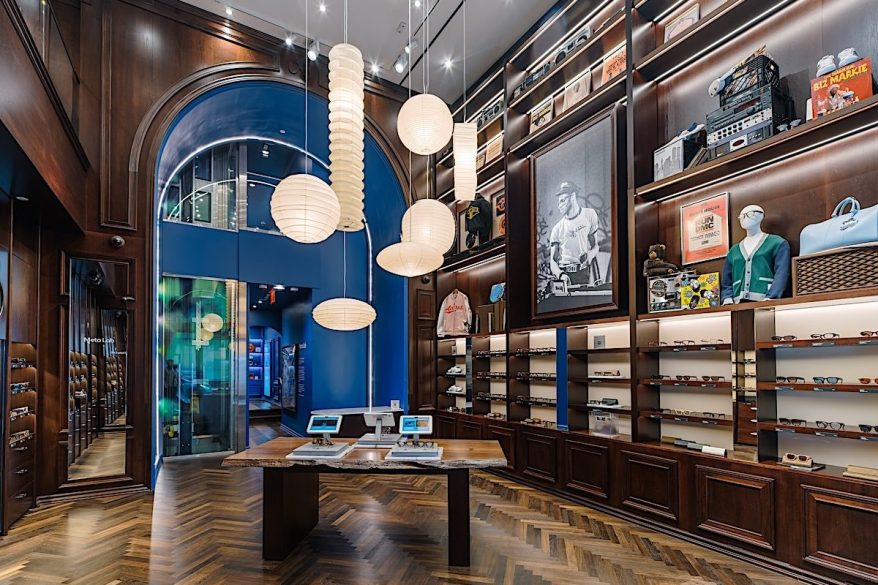
Inside established Meta Labs, inventory spans the complete hardware ecosystem, including Meta Glasses, Ray-Ban Meta, Oakley Meta, Meta Ray-Ban Display, and Meta Quest virtual reality headsets. Customers can evaluate dozens of frame styles, color combinations, and lens specifications while utilizing full-length mirrors and consulting with on-site eye doctors for prescription lens orders.
Recognizing the international appeal of flagship shopping districts, Meta is deploying self-service kiosks with multilingual capabilities to accommodate global tourists. Furthermore, the company tailors the interior design and amenities of each Lab to match local community aesthetics. While the New York City and Los Angeles locations frequently host live DJ sets, the Waikiki flagship incorporates locally manufactured furniture and serves regional coffee, reinforcing a residential rather than purely commercial atmosphere.
This physical footprint also serves as a tangible bridge for consumers whose primary interaction with the tech giant is through its software ecosystem—including WhatsApp, Instagram, Messenger, Facebook, and Threads—which collectively boast 3.9 billion monthly active users globally. As Jacobson noted, while digital platforms engage billions daily, physical retail provides a vital anchor for human connection and brand discovery.
Privacy Concerns, Security Scrutiny, and Regulatory Pushback
As smart glasses proliferate into public spaces, Meta has encountered significant scrutiny regarding user privacy, data collection, and the potential for surreptitious recording. The integration of high-resolution cameras—which feature a small indicator light when active—has triggered regulatory investigations and security warnings from law enforcement agencies.
In May, Texas Attorney General Ken Paxton initiated a formal investigation into Ray-Ban Meta glasses, focusing on potential violations of personal privacy in sensitive environments such as public restrooms. Earlier in January, the New York Police Department’s counter-terrorism unit issued an internal advisory warning officers of potential security and counterintelligence risks associated with wearing the glasses in sensitive operational environments.
Public discourse has also been influenced by isolated incidents where users utilized the cameras to capture covert video footage or stage social media pranks without the consent of bystanders. These actions led critics and online commentators to occasionally label the hardware "pervert glasses." In response to growing public pressure, Meta announced software updates in August designed to automatically shut down camera operations if physical tampering of the device is detected.
Addressing these criticisms, Jacobson maintained that Meta approaches privacy with strict diligence. "This is a new product and a new category that people are just learning how to use," he said. "We’re taking the responsibility to explain to people how they work and why they work, and encourage people to use the product responsibly."
Industry Analysis and Future Outlook
Retail analysts maintain mixed perspectives regarding the long-term trajectory of the smart glasses market. Neil Saunders, managing director at GlobalData Retail, suggests that while consumer interest is genuine, broad market saturation may face structural limitations.
"The idea that smart glasses are going to become a category like phones is a bit fanciful in my view," Saunders noted. He added that unlike smartphones, smart glasses are unlikely to follow a rapid consumer replacement cycle. Nevertheless, Saunders acknowledges that Meta Labs fulfill a valuable purpose by serving as experiential testing grounds that familiarize shoppers with emerging technology, support broader hardware ecosystems, and generate consumer insights for future product development.
Nicole Greene, a vice president and analyst at Gartner, characterized Meta’s physical retail expansion as a multifaceted strategic success, notwithstanding ongoing privacy discussions. "They’re driving tech adoption that will foster their core business," Greene observed. "They’re helping foster behavior change that will support the sale of hardware and the ecosystem of data. And they’re trying to help the entire society adapt to new personalized technology, which is only going to benefit AI companies and the brands who leverage it properly."
Looking forward, Meta remains committed to refining its physical retail strategies across high streets, traditional malls, and partner department stores. As the company prepares to disclose further details regarding its upcoming hardware lineup at the annual Meta Connect conference, leadership continues to view experiential retail as a foundational pillar for the next decade of consumer technology adoption.