Amazon Imposes 3.5% Fuel Surcharge for Many Online Merchants as Regional Conflict Disrupts Global Logistics

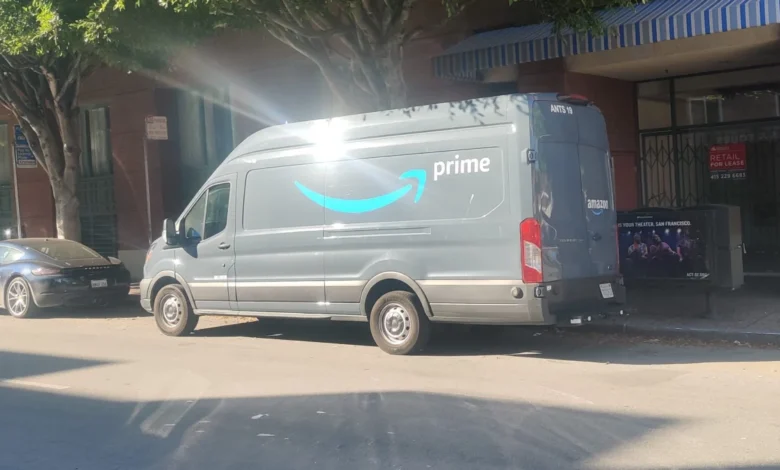
The escalating conflict in Iran has triggered a seismic shift in global energy markets, forcing the world’s largest e-commerce retailer, Amazon, to pass soaring operational costs onto its third-party merchant base. Effective April 17, 2026, the company will implement a 3.5% fuel surcharge for sellers utilizing its Fulfillment by Amazon (FBA) network. This decision marks a significant pivot for the retail giant, which had previously absorbed the brunt of rising transportation expenses in an effort to maintain competitive pricing and seller loyalty. The surcharge, while framed as a temporary measure, arrives as the global economy grapples with the fallout of a major geopolitical crisis centered on the Strait of Hormuz.
The Catalyst: Geopolitical Instability and Energy Prices
The current volatility in the energy sector is directly linked to the rapid deterioration of security in the Middle East. Following the assassination of Iran’s Supreme Leader—an operation carried out amid heightened tensions between Tehran, Washington, and Jerusalem—the Iranian government has taken aggressive steps to contest regional shipping lanes.
The Strait of Hormuz, a critical maritime chokepoint, facilitates the movement of approximately 20% of the world’s total petroleum output. Recent reports confirm that Iranian forces have begun intercepting or threatening vessels attempting to navigate the waterway, leading to an immediate and sharp spike in the price of crude oil. With global benchmarks surging toward $200 per barrel in some trading projections, the ripple effects have hit the transportation and logistics sectors with unprecedented velocity. As fuel prices at the pump reach record highs, the cost of moving goods via road, rail, and air has surged, creating a cost-pressure environment that retailers can no longer mitigate through internal efficiency measures alone.
A History of Response: Lessons from 2022
This is not the first time Amazon has utilized a surcharge to navigate a macroeconomic crisis. In April 2022, following the onset of the Russia-Ukraine conflict, Amazon introduced a similar fee to combat the rising cost of fuel. That period saw crude oil prices breach the $100-per-barrel threshold for the first time in years, disrupting global supply chains and forcing a reassessment of delivery economics.
Historians and market analysts often draw parallels between the 2022 energy shock and the current 2026 crisis. In both instances, the interruption of energy supplies from a major producing region triggered a domino effect in global logistics. However, industry experts suggest that the current situation in the Middle East may be more volatile due to the critical nature of the Strait of Hormuz. Unlike the pipeline-centric disruptions seen in Europe in 2022, the blockade of a global shipping artery presents a more immediate threat to the global flow of commerce, potentially prolonging the need for surcharges across the entire logistics industry.
Amazon’s Official Stance and Market Position
In a statement provided to TechCrunch, an Amazon spokesperson confirmed the implementation of the surcharge, emphasizing that the decision was a last resort after months of internal cost absorption.
"Elevated costs in fuel and logistics have increased the cost of operating across the industry," the spokesperson stated. "We have absorbed these increases so far, but similar to other major carriers, when costs remain elevated we implement temporary surcharges to partially recover these costs."
Crucially, the company framed the 3.5% rate as a measured response compared to the broader market. The spokesperson noted that the fee is "meaningfully lower than surcharges applied by other major carriers," positioning Amazon’s move as a balanced approach designed to protect the viability of its FBA program while acknowledging the harsh reality of current operational overhead.
Despite this, the policy change has been met with concern by the merchant community. For small and medium-sized enterprises (SMEs) that operate on thin margins, a 3.5% increase in fulfillment costs represents a direct threat to profitability. Many of these businesses rely on Amazon’s infrastructure to reach global customers; consequently, they have little leverage to negotiate these terms.
Implications for the FBA Ecosystem
Fulfillment by Amazon (FBA) serves as the backbone of the platform’s third-party marketplace. By allowing merchants to store, pack, and ship items from Amazon’s fulfillment centers, the company ensures the two-day or same-day delivery speeds that define the Prime experience.
Because Amazon does not publicly disclose the total volume of merchants using FBA, the full scale of the surcharge’s impact remains difficult to quantify. However, industry analysts estimate that the vast majority of third-party sales on Amazon pass through the FBA system. This creates a scenario where the price of consumer goods is likely to rise. Merchants, faced with a 3.5% increase in their overhead, will almost certainly pass these costs on to the end consumer, further fueling inflation during a time of economic uncertainty.
Broader Economic Consequences
The decision by Amazon serves as a bellwether for the broader retail industry. When the largest player in the sector adjusts its pricing model to account for energy inflation, competitors are often forced to follow suit to maintain their own operational margins.
Furthermore, the surcharge highlights the vulnerability of the "just-in-time" delivery model in the face of global conflict. As the cost of shipping becomes increasingly unpredictable, retailers are being forced to rethink their supply chain strategies. Some firms are expected to shift toward localized inventory holding to reduce reliance on long-haul shipping, while others may consolidate their product offerings to focus on higher-margin items that can better absorb increased logistics costs.
Looking Ahead: A Future of Uncertainty
As of April 2026, there is no clear timeline for when these surcharges might be rescinded. Amazon has stated that the policy will remain in place for the "foreseeable future," with the company committing to regular evaluations of market conditions.
The duration of the surcharge will likely hinge on the resolution of the conflict in the Middle East and the subsequent stabilization of global oil prices. If the situation in the Strait of Hormuz remains unresolved, or if the conflict escalates further, the 3.5% figure could potentially be adjusted upward.
For the average consumer, this means that the era of inexpensive, rapidly delivered goods may be entering a period of significant recalibration. As logistics companies grapple with the costs of war, the global supply chain is demonstrating that even the most efficient digital marketplaces are not immune to the physical realities of the global energy market.
Chronology of Events
- Early 2026: Tensions between the United States, Israel, and Iran intensify following a series of diplomatic breakdowns.
- March 2026: The assassination of the Iranian Supreme Leader occurs, triggering immediate regional instability.
- Late March 2026: Iran threatens the security of the Strait of Hormuz; oil prices begin a rapid, sustained climb.
- April 1, 2026: Analysts warn of crude oil prices reaching $200 per barrel as shipping lanes in the Gulf face blockade threats.
- April 2, 2026: Amazon officially announces the implementation of a 3.5% fuel surcharge for FBA sellers, citing "elevated costs in fuel and logistics."
- April 17, 2026: The new surcharge policy is scheduled to take effect across the Amazon FBA network.
As this situation develops, market observers will be watching closely to see if other major shipping and retail entities, such as FedEx, UPS, and Walmart, follow Amazon’s lead. The current trajectory suggests that the economic ripple effects of the Iran conflict will be felt in household budgets for the remainder of the year, marking a definitive shift in the post-pandemic retail landscape.