Sally Beauty Accelerates Retail Transformation with Nationwide Expansion of Ignited Store Concept

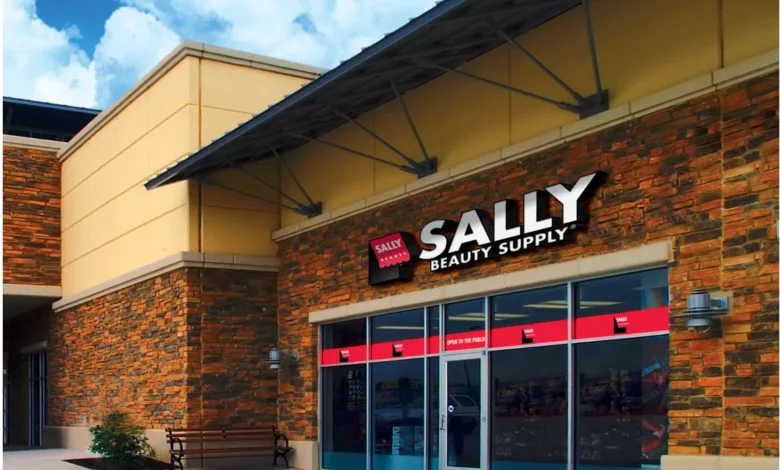
Following a series of successful pilot programs that demonstrated measurable improvements in consumer engagement and sales velocity, beauty supply giant Sally Beauty Holdings has officially announced plans to significantly scale its signature "Sally Ignited" store model. During the company’s fiscal 2026 fourth-quarter earnings call held on November 13, 2026, CEO Denise Paulonis outlined a long-term strategic roadmap that aims to renovate approximately two-thirds of the brand’s total U.S. store fleet, signaling a definitive shift in how the retailer intends to compete in an increasingly crowded beauty market.
The expansion will see 100 additional locations transitioned to the Ignited format throughout fiscal year 2027, with the bulk of these transformations slated for the latter half of the year. This move represents a major capital commitment aimed at modernizing the physical footprint of a legacy brand that has been a staple of the professional and DIY beauty industry for decades.
A Chronology of the Sally Ignited Evolution
The Sally Ignited concept was first unveiled in fiscal year 2025 as the cornerstone of a comprehensive brand revitalization strategy. At the time, leadership identified a critical need to evolve the customer experience, noting that the traditional layout of many Sally Beauty locations had become stagnant compared to the modern, experiential retail environments favored by younger demographics and direct-to-consumer beauty brands.
By the end of fiscal 2025, the company had established an initial footprint of 30 pilot locations. Throughout the recently concluded fiscal year 2026, the company demonstrated confidence in the model by expanding that number to 80 stores. The success of these initial units, which were redesigned to prioritize intuitive navigation, enhanced product discovery, and optimized sightlines, provided the necessary data to justify a more aggressive national rollout.

The transition from a 50-store annual growth rate in 2026 to a targeted 100-store expansion in 2027 reflects a strategic acceleration. Paulonis noted that, contingent upon the continued positive momentum of the program, the company aims to reach an annual conversion rate of 200 locations in the years following 2027, eventually reaching a terminal goal of 1,500 stores—covering roughly 66% of the entire U.S. fleet.
Financial Performance and Market Context
The decision to double down on physical store infrastructure comes amidst a period of modest but steady financial growth for the retailer. For the fourth quarter of fiscal 2026, Sally Beauty Holdings reported consolidated net sales of $953 million, a 0.6% increase compared to the same period in the previous year. While the growth rate appears narrow, the internal metrics suggest underlying strength: consolidated comparable sales rose by 0.9%, and the company’s global e-commerce division saw a robust 8% increase.
For the full fiscal year 2026, the company posted consolidated net sales of $3.73 billion, a 0.9% increase year-over-year. In an economic environment characterized by persistent inflationary pressure and shifts in consumer discretionary spending, maintaining growth in both the physical and digital channels is viewed by analysts as a sign of resilience.
Beyond the retail storefronts, Sally Beauty Holdings operates the Beauty Systems Group (BSG), a division dedicated to supplying licensed salon professionals. This dual-pronged business model—serving both the retail consumer and the professional stylist—has historically provided the company with a buffer against economic volatility. Regarding the outlook for 2027, Paulonis noted that while the company expects the retail segment to outpace BSG in growth, the expectation is for the professional division to return to a growth trajectory throughout the year.
The Strategic Pillars of the Ignited Concept
The "Ignited" store model is not merely a cosmetic update; it is a fundamental shift in merchandising strategy. The renovations are designed to facilitate cross-category purchasing, a key metric for retail success. By grouping complementary products—such as hair color, developers, and tools—in a way that mimics the professional consultation experience, the new store layouts are intended to increase the average transaction value.

Market researchers have observed that modern beauty shoppers prioritize "discovery-based" environments. The Ignited stores incorporate updated lighting, clearer signage, and interactive product displays that encourage customers to experiment with brands they may not have previously considered. This is particularly vital for Sally Beauty, which competes against large-scale retailers like Ulta Beauty and Sephora, as well as mass-market drugstore chains. By refining the store’s "vibe," Sally Beauty is positioning itself to capture the "prosumer"—the retail customer who wants professional-grade results at home.
Industry Implications and Future Outlook
The scale of this renovation project is significant. With a target of 1,500 stores, Sally Beauty is effectively attempting to rebrand its identity in the minds of American consumers. This requires not only capital expenditure but also operational discipline, as the company must manage these conversions while maintaining business-as-usual operations at thousands of other locations.
Retail analysts point out that this move is a direct response to the "omnichannel" necessity. Physical stores are increasingly acting as distribution hubs for online orders, and a modern, efficient store layout is essential for facilitating "Buy Online, Pick Up In-Store" (BOPIS) services. As e-commerce continues to grow—as evidenced by the 8% jump reported this quarter—the synergy between the digital storefront and the physical showroom becomes the primary competitive advantage.
Furthermore, the focus on the professional segment via BSG provides a level of institutional knowledge that pure-play retailers often lack. By leveraging the expertise of the salon professional, Sally Beauty can ensure that its retail offerings are aligned with current industry trends. If the Ignited stores can successfully bridge the gap between professional-grade inventory and the casual consumer’s accessibility, the company may see a significant increase in market share in the coming years.
Challenges on the Horizon
Despite the optimism expressed by leadership, the company faces several headwinds. The beauty industry is notoriously sensitive to changes in consumer sentiment. While the company is growing, the margins in the beauty supply sector are under pressure from rising labor costs and the cost of raw materials.

Additionally, the renovation process itself carries risks. Retail history is littered with examples of brands that attempted to overhaul their physical presence only to find that the new layouts did not resonate with their core customer base or that the disruption caused by construction led to short-term sales dips. Sally Beauty will need to execute this 100-store rollout in 2027 with surgical precision to ensure that the return on investment justifies the substantial capital allocation.
Conclusion
The commitment to the Sally Ignited model marks a pivotal chapter for Sally Beauty Holdings. By acknowledging that the traditional retail environment requires modernization to survive, the company is taking a proactive stance in a challenging economic climate. With a clear roadmap, a focus on enhancing the customer experience, and a balanced business model that serves both professionals and home-users, Sally Beauty is setting the stage for a long-term transformation. As the company moves into 2027, the retail industry will be watching closely to see if this ambitious store-refresh program can indeed drive the long-term growth that management envisions for its vast fleet of locations.