AWS Weekly Roundup: Bridging Global Healthcare Gaps and Managing Infrastructure Lifecycle Transitions


The landscape of modern technology is increasingly defined by its ability to solve systemic social challenges through scalable cloud infrastructure. A primary example of this trajectory emerged last week during a collaborative summit between the AWS Startups team and emerging founders in Brazil. Among the innovators present was Marco Negreiros, the founder of EyeCare Health, who presented a stark reality regarding global health equity. In Brazil, more than 70% of municipalities lack a single ophthalmologist, creating a significant barrier to preventative care for millions of citizens. Negreiros’ solution—a vision screening tool integrated directly into the ubiquitous smartphone—underscores a shift toward "democratized healthtech," where cloud-powered diagnostics bypass the need for physical proximity to traditional medical clinics.
This intersection of grassroots innovation and massive cloud-native architecture serves as a backdrop for the broader operational updates within the AWS ecosystem. As platforms scale, the lifecycle of the services supporting them must also evolve, necessitating a structured approach to maintenance, sunsetting, and the eventual decommissioning of legacy features.
The Evolution of Healthtech: A Case Study in Accessibility
The initiative highlighted by EyeCare Health is emblematic of a broader trend in Latin American technology sectors. According to the World Health Organization (WHO), the global shortage of healthcare professionals is particularly acute in rural and underserved regions. By leveraging AWS infrastructure, startups like EyeCare Health are effectively decentralizing diagnostic services.
The mechanism relies on high-fidelity image processing and machine learning models that can function on mobile hardware, processed via edge computing or cloud-based API endpoints. This approach addresses the "last mile" problem in medicine, where the physical location of the patient has historically dictated the quality of care received. From a macroeconomic perspective, this transition is critical. Analysts suggest that for every dollar invested in digital health infrastructure in emerging markets, the long-term reduction in public health spending on chronic condition management could be as much as four-fold. The reliance on AWS for such mission-critical applications highlights the importance of service reliability and the developer-centric focus of the AWS ecosystem.
Managing Infrastructure Lifecycles: Strategic Updates
As digital architectures mature, AWS continues to execute its scheduled product lifecycle management strategy. These updates, finalized on June 30, 2026, represent a necessary evolution to maintain high-performance standards, security, and integration capabilities across the AWS suite.

When a service is transitioned to "Maintenance," "Sunset," or "End of Support," it is rarely a sudden event. Rather, it is the result of a multi-phased lifecycle policy designed to minimize disruption to enterprise operations. The current transition period, which saw a series of services moving toward retirement by the end of July 2026, follows a well-documented trajectory of deprecation.
Chronology of Recent Lifecycle Transitions
- Initial Announcement: AWS publishes the proposed lifecycle change in the Product Lifecycle Changes portal, providing a transition window for developers.
- Maintenance Phase: During this stage, services remain accessible to existing users but are closed to new onboarding. This period is intended to allow existing deployments to migrate to more modern, feature-rich, or secure alternatives.
- Sunset Phase: Services enter a final stage of availability where support is limited to critical security patches and maintenance of existing instances, signaling the final stages of the product’s lifespan.
- End of Support: The service is officially decommissioned, and resources are reclaimed.
This systematic approach is essential for large-scale enterprises that require high availability. By providing comprehensive documentation and migration guidance, AWS attempts to prevent "technical debt" from accumulating in customer architectures. For IT departments, the implications of these lifecycle changes are significant. Organizations must conduct regular audits of their AWS environment to ensure that deprecated services are flagged and replaced with current equivalents before the "End of Support" date arrives, effectively avoiding potential service interruptions that could impact business continuity.
The Role of the AWS Builder Center
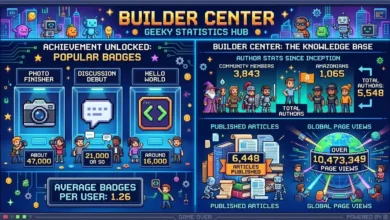
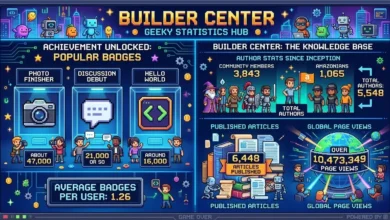
To support the transition of these technologies and the creation of new solutions, AWS continues to invest in community-based platforms. The AWS Builder Center has emerged as a focal point for developers, architects, and founders to exchange knowledge. The importance of such a community cannot be overstated; as the complexity of cloud services grows, the ability to access peer-reviewed solutions and best practices becomes a competitive advantage for startups.
The community-driven nature of the AWS ecosystem is designed to mirror the agile methodologies used by the startups it supports. By fostering an environment where builders can share code, architectural patterns, and troubleshooting steps, AWS creates a feedback loop that informs future product development. This is particularly relevant when considering the rapid adoption of generative AI and machine learning tools, which require high levels of collaboration to implement correctly within production environments.
Implications for the Cloud Ecosystem
The broader impact of these developments suggests a dual-track future for cloud computing. On one hand, there is an increasing emphasis on high-level, industry-specific solutions—such as the aforementioned healthtech innovations—that leverage the cloud to solve human-centric problems. On the other hand, there is a disciplined, rigorous approach to infrastructure management that demands that the underlying foundation of these solutions remains modern and secure.
For companies operating on AWS, the takeaway is clear: success in the modern digital economy requires a proactive stance toward infrastructure health. Organizations that treat their cloud architecture as a living organism—one that requires regular updates, periodic pruning of legacy services, and constant engagement with the developer community—are better positioned to thrive.

Furthermore, the focus on startup stories like that of EyeCare Health serves as a reminder that the utility of cloud computing is measured by its impact on real-world outcomes. Whether through the lens of a startup founder in Brazil or an enterprise architect in a global corporation, the objectives remain aligned: to build systems that are resilient, scalable, and capable of addressing the needs of an ever-changing population.
As the industry moves into the second half of 2026, the focus for AWS users remains on balancing the adoption of new, disruptive technologies with the foundational maintenance of existing systems. With the "What’s New with AWS" portal acting as a primary conduit for information, builders and stakeholders are encouraged to maintain a regular cadence of review to ensure their deployments remain aligned with the latest platform offerings.
In conclusion, the intersection of societal progress and technical rigor continues to define the AWS narrative. By bridging the gap between high-level innovation and the gritty details of service lifecycle management, the ecosystem provides a robust framework for those looking to build the next generation of global infrastructure. Whether it is through the deployment of a vision screening app in a rural municipality or the migration of a legacy database to a modern, managed service, the core mission remains the same: to empower builders to solve the problems that matter most.
The coming months will likely see further refinements to these processes, as AWS continues to scale its support for global development teams. As always, the key to success in this environment lies in active participation, constant learning, and a commitment to maintaining the integrity of one’s architectural foundation. Through the AWS Builder Center and the ongoing communication channels provided by the company, the developer community is well-equipped to navigate these transitions and continue pushing the boundaries of what is possible in the cloud.