Modernizing Data Lakes: Amazon S3 Tables Launches Managed Migration for Apache Hive to Apache Iceberg

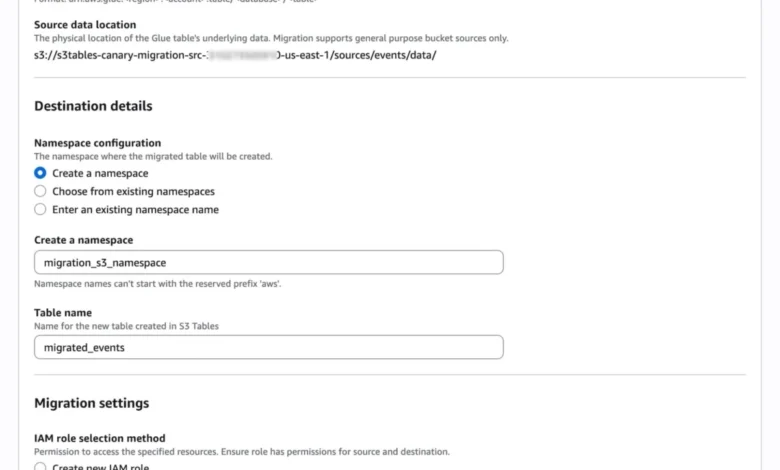
The landscape of big data management is undergoing a significant transformation as AWS introduces a streamlined, API-driven path for migrating legacy Apache Hive tables to the modern Apache Iceberg format through Amazon S3 Tables. This development represents a pivotal shift in how enterprises manage petabyte-scale analytics, effectively eliminating the high-friction engineering hurdles that have historically characterized data lake modernization projects. By automating the transition, AWS aims to accelerate the industry-wide migration toward open-table formats, providing organizations with superior performance, transactional consistency, and simplified maintenance.
The Evolution of Data Lake Architectures
For over a decade, Apache Hive has served as the foundational structure for data lakes on S3. However, the rise of modern query engines—such as Presto, Trino, and Spark—has exposed the limitations of the Hive storage model. Hive lacks native support for critical features like time-travel queries, schema evolution, and efficient row-level updates. In contrast, Apache Iceberg has emerged as the de facto open standard for large-scale analytical datasets, offering a sophisticated metadata layer that tracks individual data files rather than just directory partitions.
Until recently, transitioning from Hive to Iceberg was a manual, high-risk endeavor. Engineers were required to build custom ETL pipelines, reconcile schema discrepancies, and manually manage the cutover process. This often resulted in weeks of downtime or complex, multi-stage migration strategies that required significant compute resources. The new managed migration feature within Amazon S3 Tables effectively converts this complex manual process into a turn-key operation managed entirely by the AWS infrastructure.

A Chronology of the Modernization Effort
The introduction of this managed service is the latest in a series of AWS enhancements aimed at maturing the data lake ecosystem. In previous years, AWS focused on building the underlying infrastructure for high-performance storage, such as the introduction of S3 Intelligent-Tiering and optimized connectors for the AWS Glue Data Catalog.
The current migration workflow follows a systematic, multi-phase lifecycle:
- Compatibility Analysis: Before any data is moved, S3 Tables performs a comprehensive assessment of the source Hive table. This includes generating a compatibility report that identifies potential data type conflicts or schema mismatches.
- Managed Data Copying: The service handles the physical data migration, which includes file recompression, compaction, and format conversion.
- Continuous Synchronization: To maintain production availability, the system supports iterative synchronization. Users can run incremental syncs as many times as necessary, ensuring that the destination Iceberg table reflects the latest state of the source table without requiring a long-term maintenance window.
- Final Cutover: Once the source and destination are synchronized, the user completes the migration, promoting the Iceberg table to a read-write state.
Technical Implications and Operational Efficiency
From an architectural perspective, the automation of these tasks reduces the operational overhead by an estimated 70% to 90% compared to self-managed migration scripts. By utilizing API-driven operations, teams can integrate these migrations directly into their existing CI/CD workflows or infrastructure-as-code (IaC) templates.
Furthermore, the cost structure is designed to favor the end-user. AWS has structured the pricing so that customers are charged primarily for the data copied during the transition. There are no additional surcharges for the conversion process itself, and because the system is aware of the source data’s current storage class (e.g., S3 Intelligent-Tiering), it avoids unnecessary data movement that could inadvertently increase storage costs.

Analytical Benefits of the Iceberg Standard
The transition to Iceberg is not merely a technical upgrade; it is a strategic move for data-driven enterprises. Iceberg’s "hidden partitioning" capability, for instance, prevents query performance degradation by shielding end-users from the complexities of partition management. When users run queries, the Iceberg engine automatically determines the relevant partitions, which can significantly reduce scan times and compute costs for large datasets.
Additionally, "time travel" functionality allows data scientists and analysts to query historical versions of a table, a feature that is essential for auditing, debugging, and reproducibility in machine learning pipelines. By moving to S3 Tables, organizations also gain access to automatic maintenance features, including compaction and snapshot management, which keep tables performant as they grow from gigabytes to petabytes.
Integration with Modern AI and Analytics
A key highlight of this release is the tight integration with the broader AWS ecosystem, specifically Amazon Athena and Amazon SageMaker Unified Studio. Once a table is migrated, it is immediately available for analysis. Furthermore, for organizations leveraging artificial intelligence to manage their cloud infrastructure, the integration with the Agent Toolkit for AWS and Kiro provides a guided, safety-conscious approach to the migration.
These coding agents are equipped with "skills"—specialized modules designed to handle the nuances of the migration. For example, a developer can prompt an agent to perform the migration, and the agent will automatically execute the required compatibility checks, generate the necessary JSON configurations, and monitor the progress of the synchronization. This integration lowers the barrier to entry for teams that may lack deep expertise in Apache Iceberg’s underlying architecture.
Industry Impact and Future Outlook
The release of this feature aligns with a broader trend in cloud computing: the commoditization of infrastructure management. By removing the complexity of "plumbing" tasks—such as recompressing Parquet files or managing Iceberg metadata—AWS allows data engineers to focus on higher-value activities, such as data modeling and query optimization.
While the current capability is limited to AWS Glue-registered Hive tables within the same AWS account and region, industry analysts expect this to be the first step in a broader expansion. As organizations continue to migrate their legacy data warehouses to cloud-native data lakes, the ability to perform seamless, zero-downtime migrations will become a competitive requirement for cloud service providers.
Strategic Considerations for Enterprise IT
For organizations planning their data lake modernization strategy, this managed migration path offers a compelling ROI. However, experts advise that even with managed automation, thorough testing remains vital. The compatibility report generated by S3 Tables should be the starting point for any migration planning, as it provides visibility into how legacy data types will map to Iceberg’s more rigid schema requirements.
Furthermore, the ability to perform the migration in stages—using the sync-table-migration command—is a significant advantage for organizations that cannot afford extended downtime. By treating the migration as a background process that gradually catches up to the source data, companies can validate their new Iceberg-based workloads in parallel with their existing production Hive workloads before fully switching over.
As the industry moves toward a "data lakehouse" architecture—where the benefits of a data warehouse are combined with the flexibility of a data lake—the adoption of open-table formats like Iceberg is becoming mandatory. Amazon’s decision to lower the cost and complexity of this transition signals that the migration to open standards is no longer a distant roadmap item, but an immediate, actionable priority for enterprise IT leaders.
Availability and Getting Started
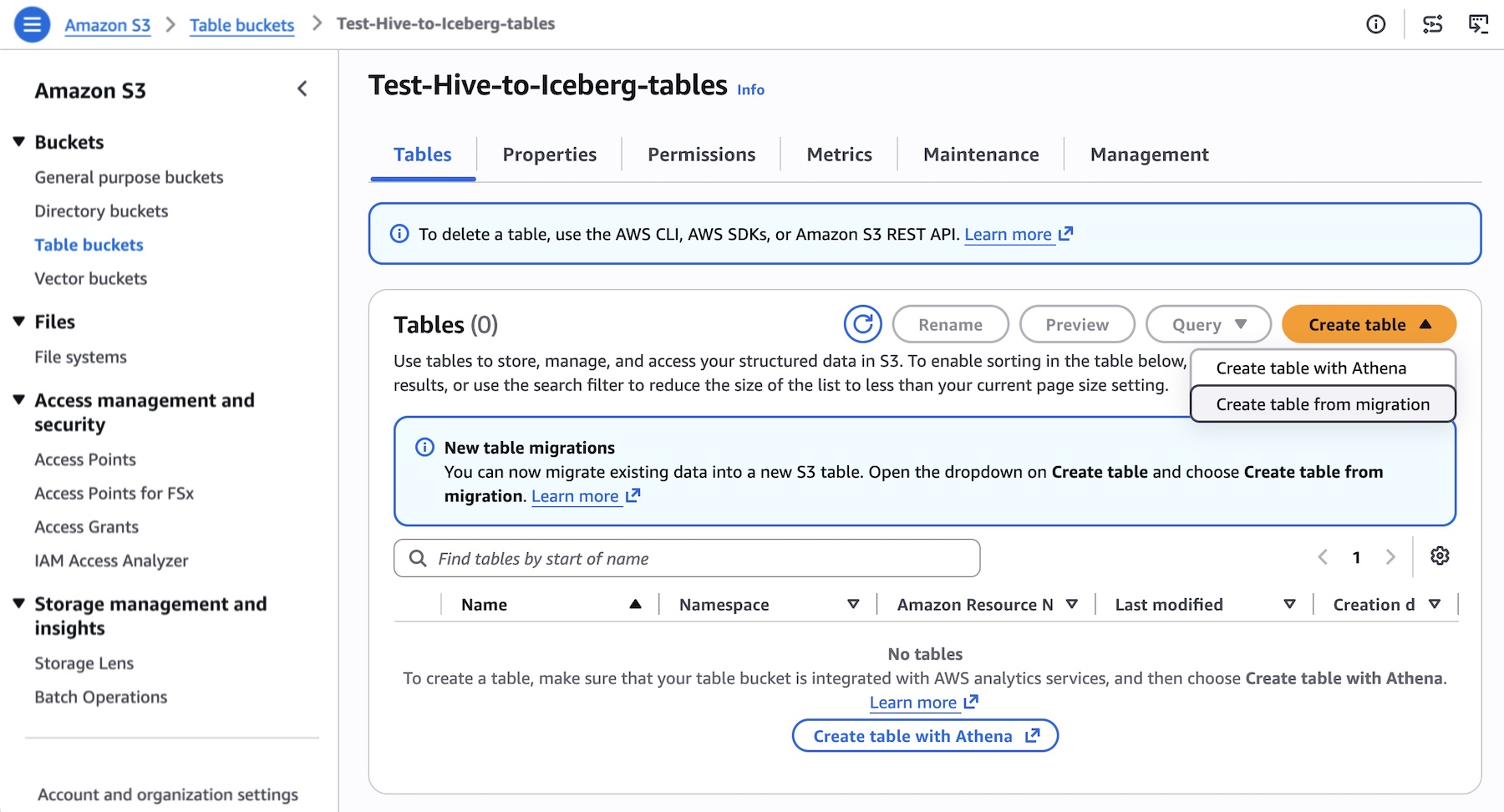
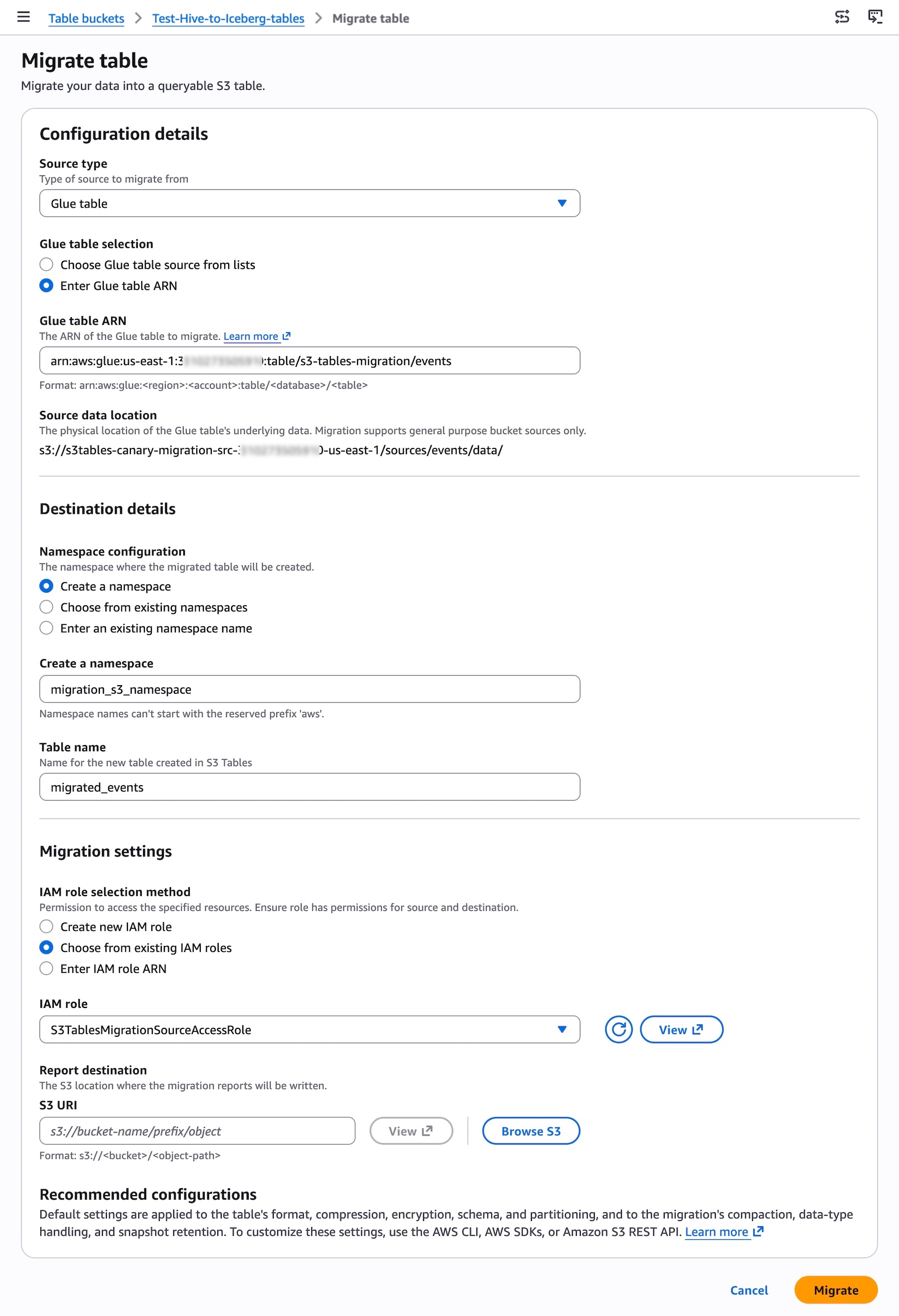
The managed migration service is currently available in multiple key regions, including US East (N. Virginia, Ohio), US West (Oregon), and major international hubs such as Frankfurt, Sydney, and Tokyo. Organizations interested in evaluating the migration process can access the functionality directly through the S3 Console or via the AWS CLI.
By standardizing on Iceberg through S3 Tables, enterprises are not only modernizing their storage layer but are also positioning themselves to leverage the next generation of query engines and AI-driven analytical tools. This shift underscores a fundamental change in the cloud paradigm: as the storage layer becomes more intelligent and automated, the focus of engineering teams shifts from managing file formats to extracting maximum value from the data itself.
Related posts: