AWS introduces the Well-Architected Agent to revolutionize automated cloud infrastructure optimization

Amazon Web Services (AWS) has officially launched the public preview of the AWS Well-Architected Agent, an AI-powered service designed to bridge the gap between abstract architectural best practices and tangible, automated infrastructure remediation. By moving beyond traditional static checklists and manual audit processes, this new tool acts as an automated cloud architect, scanning enterprise environments to provide contextual, data-driven recommendations across cost, security, performance, and resilience.
The Evolution of Cloud Governance
For years, the AWS Well-Architected Framework has served as the gold standard for cloud practitioners. Launched originally to provide a set of questions and design principles to help customers evaluate their architectures, the framework has historically required significant manual effort. Architects would spend weeks conducting reviews, cross-referencing documentation, and identifying potential bottlenecks.
The introduction of the Well-Architected Agent marks a significant shift toward "Continuous Well-Architecting." As organizations scale their cloud footprint—often managing thousands of accounts and millions of resources—manual review processes have become increasingly unsustainable. Industry analysts have long noted that the complexity of modern distributed systems often leads to "configuration drift," where infrastructure evolves away from the original design intent, leading to security vulnerabilities or cost inefficiencies. The new agent aims to mitigate this by providing an always-on, intelligent analysis engine that understands the unique topology of an organization’s specific workload.
How the AWS Well-Architected Agent Functions
The agent operates by synthesizing multiple streams of data, including resource configurations, utilization metrics, and application dependency mapping. It evaluates these against the established Well-Architected pillars across more than 65 AWS services.
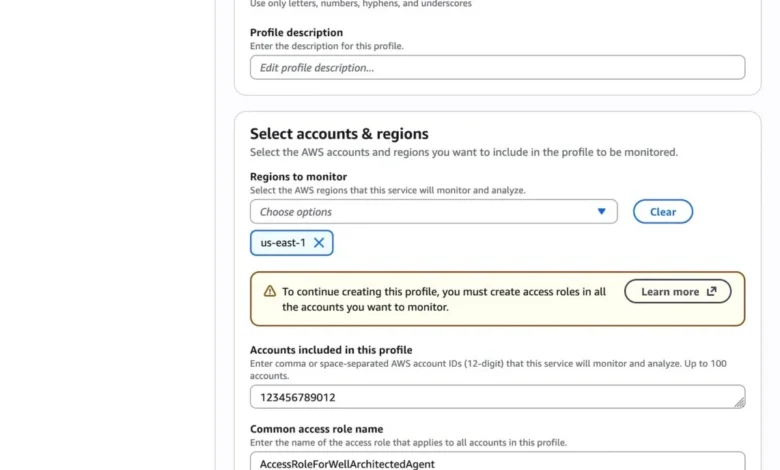
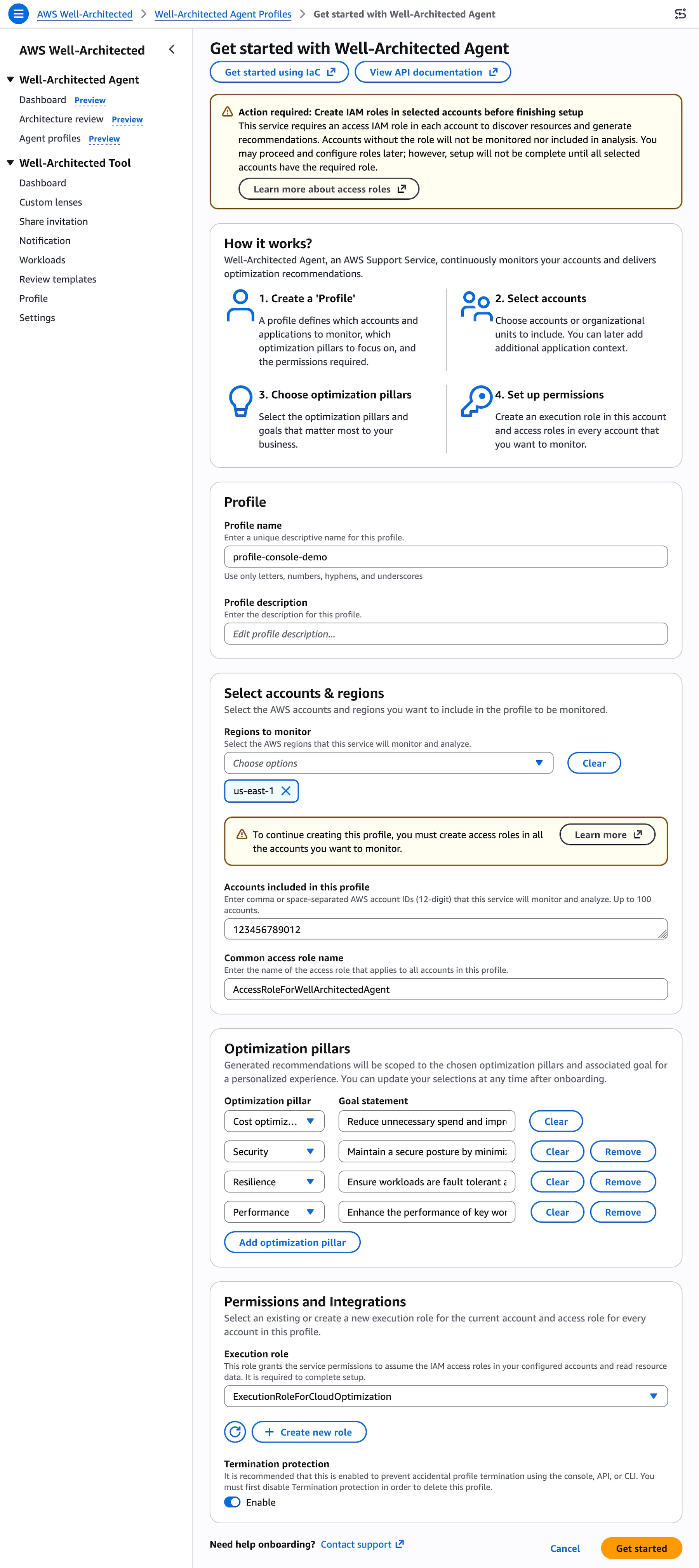
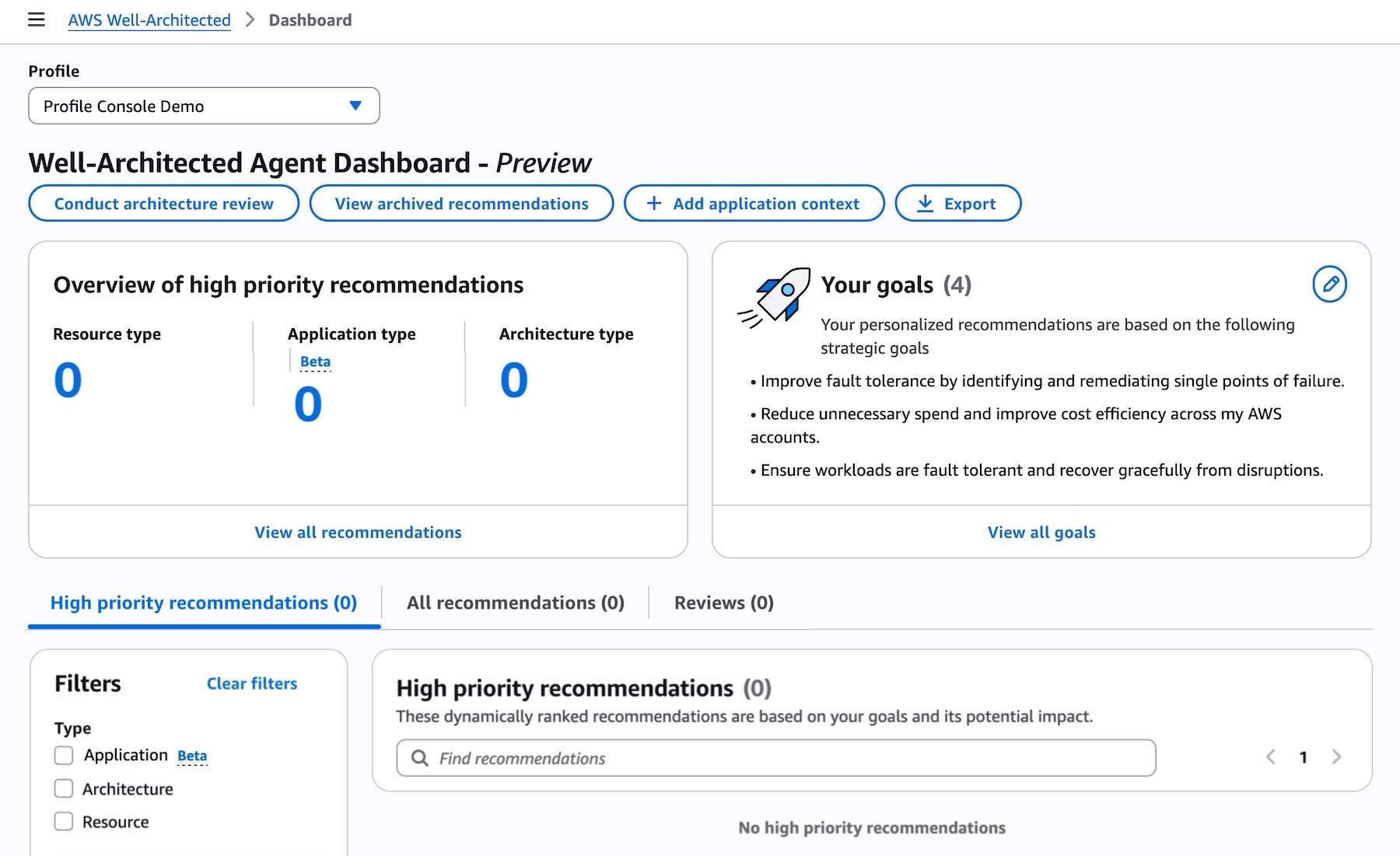
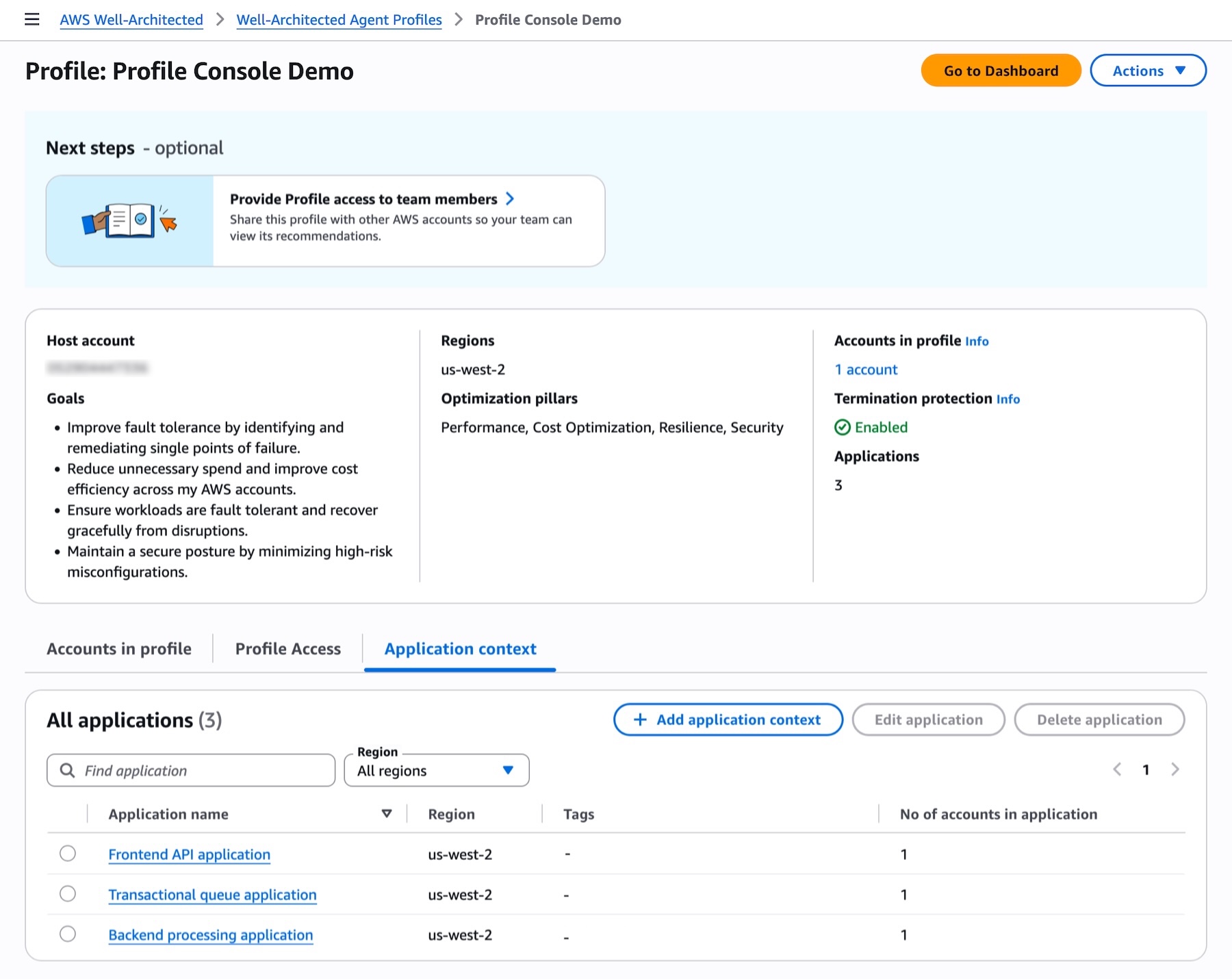
The process begins with the creation of an "agent profile" within the AWS Well-Architected console. This profile acts as the control plane for the service, where users define the specific boundaries of the environment, including account scope, region selection, and the priority of optimization pillars—such as prioritizing cost reduction over performance, or security over latency. Once the agent is provisioned via customer-managed IAM roles, it begins an automated discovery process. Within 24 hours, users receive a prioritized list of recommendations.

Crucially, the agent does not merely flag issues; it provides "remediation packages." These include step-by-step instructions, CLI commands, or updated Infrastructure as Code (IaC) templates. By supporting Terraform, AWS CloudFormation, and the AWS Cloud Development Kit (CDK), the agent allows engineers to copy and paste optimized configurations directly into their CI/CD pipelines.
Pre-Deployment Analysis and Infrastructure as Code
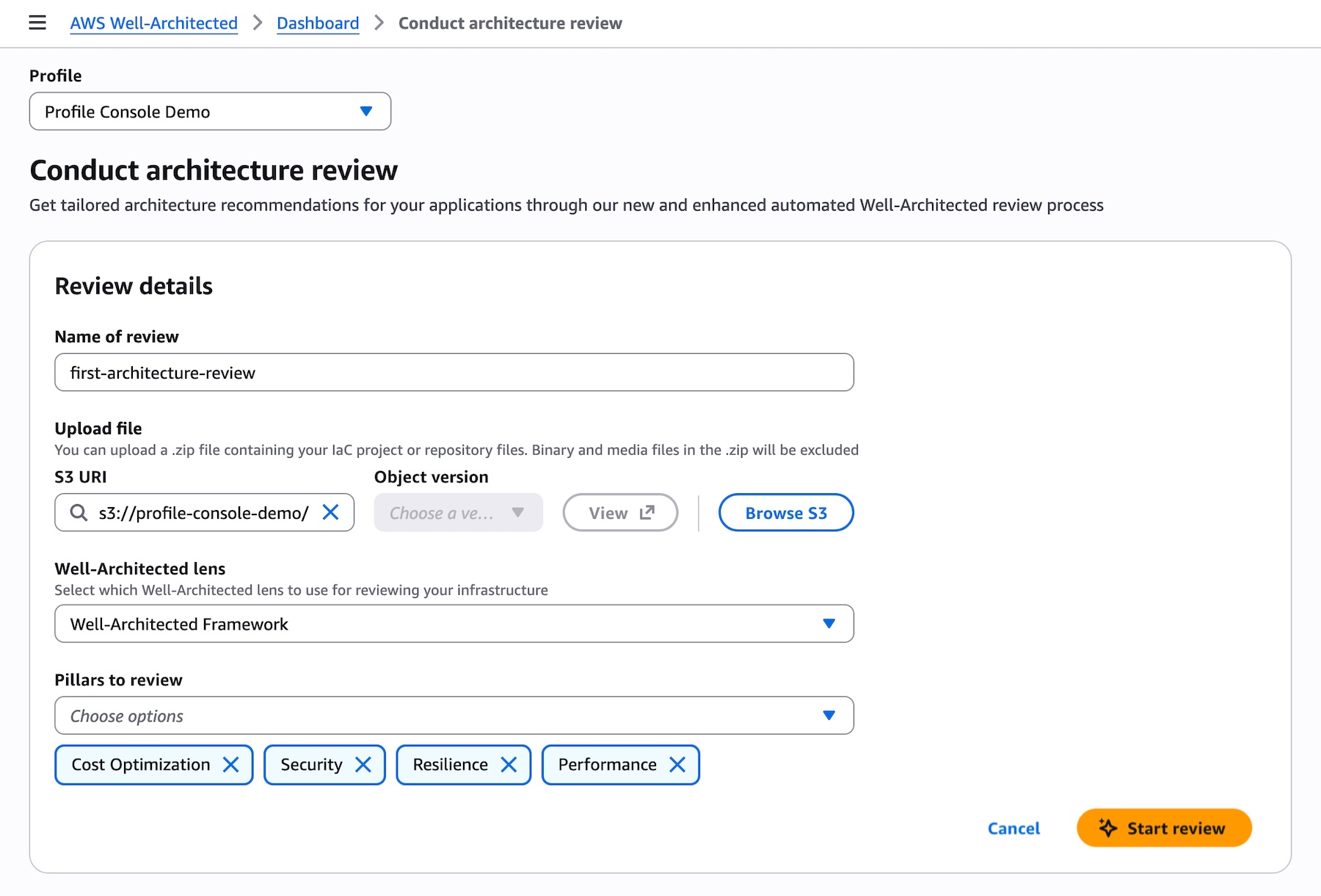
A notable feature of the new service is its capability to conduct architecture reviews on pre-deployment workloads. Before a single resource is provisioned, users can upload their IaC projects—compressed in .zip format—directly to the dashboard. The agent analyzes these templates against specific Well-Architected lenses, identifying potential design flaws before they reach production.
This capability addresses a critical pain point in DevOps: the "Shift Left" security and cost strategy. By identifying architectural deficiencies at the template level, organizations can prevent costly refactoring exercises downstream. This proactive approach is particularly valuable for large-scale migrations or the deployment of complex, multi-tier microservices, where a single misconfiguration can lead to cascading failures or massive security exposure.
Strategic Context and Industry Implications
The release of the Well-Architected Agent comes at a time when cloud spending is under intense scrutiny. As organizations face macroeconomic pressures, "FinOps" (Cloud Financial Management) has become a primary boardroom objective. By integrating cost optimization directly into the architectural review process, the agent helps align technical decisions with business financial goals.
Furthermore, the rise of Generative AI has necessitated a more robust approach to infrastructure resilience. As companies rush to deploy AI models, the underlying infrastructure must be able to handle high-performance computing (HPC) demands while maintaining strict security boundaries. The Well-Architected Agent’s ability to suggest cross-pillar trade-offs—for example, explaining how a change to improve performance might impact security posture—provides a level of nuance that previously required senior-level human expertise.
Technical Integration and Developer Workflows
For teams that prefer a "code-first" approach, the service is not limited to the console. AWS has provided hooks for programmatic interaction, enabling developers to integrate the agent’s findings into their existing IDEs and ticketing systems. Through the use of the AWS MCP (Model Context Protocol) Server and specialized plugins, engineers can query the agent, search documentation, and receive guidance without leaving their preferred coding environment.
This integration reflects a broader trend in cloud computing: the "agentification" of infrastructure management. As systems become too large for humans to monitor manually, AI agents are becoming the primary interface between cloud providers and their customers.
Current Limitations and Rollout
The public preview is currently limited to the US East (N. Virginia), US East (Ohio), and US West (Oregon) regions, though customers can onboard workloads from any AWS commercial region. The service is available to all customers with an active AWS Support plan, positioning it as a value-added service for those already committed to the AWS ecosystem.
It is important to note that the Agent does not replace the traditional AWS Well-Architected Tool. For highly specialized use cases or niche industry requirements, customers can continue to use the standard tool to measure workloads against custom-defined lenses and internal best practices. The Agent is designed to complement this, handling the bulk of common architectural patterns while leaving the most idiosyncratic requirements to the manual, user-defined process.
Expert Analysis: The Future of Cloud Management
The deployment of this agent signifies that AWS is moving away from a "self-service" model where the burden of excellence lies entirely with the user, toward a "guided-service" model. By providing the "why" behind every recommendation—explaining the potential impacts and trade-offs—the agent also serves an educational function. It allows junior engineers to learn the nuances of cloud architecture by observing how the agent identifies and resolves complex problems.
However, the effectiveness of the tool will ultimately depend on the granularity of the "application context" provided by the users. The more metadata a team attaches to their resources—such as tags, environment designations, and business importance labels—the more accurate and relevant the agent’s recommendations will be. This suggests that the successful adoption of the Well-Architected Agent will require an organizational commitment to clean, consistent resource tagging and documentation.
As the industry observes this preview, the focus will be on how effectively the agent balances the need for automated speed with the requirement for human oversight. While the ability to auto-generate IaC templates is a massive productivity boost, senior architects will likely continue to review these changes to ensure they align with long-term strategic goals.
Next Steps for Adoption
For organizations looking to pilot the AWS Well-Architected Agent, the recommendation is to start with a non-critical workload or a development environment. After establishing the IAM roles and setting the initial pillars, teams should evaluate the quality of the findings against their own internal architectural standards.
Feedback from this preview phase will be critical in shaping the final feature set, including potentially expanding the service to support a wider array of third-party IaC tools or deeper integrations with existing ITSM (IT Service Management) platforms like Jira or ServiceNow. As the service matures, it is expected to become an indispensable tool for maintaining high-performing, secure, and cost-effective cloud architectures in an increasingly complex digital landscape.
Related posts: