Trump administration recalibrates Section 338 tariff scope on Canadian imports as trade tensions persist

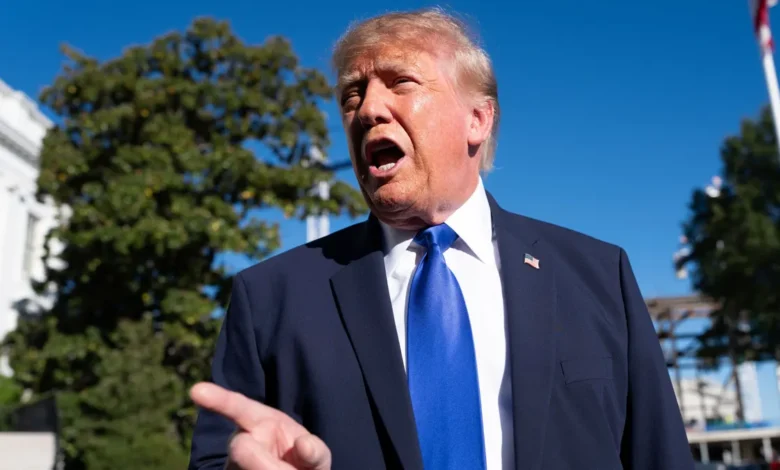
The United States government is adjusting the parameters of its sweeping 50% tariff regime targeting Canadian imports, a move that signals a tactical refinement in the ongoing trade conflict between the two North American neighbors. According to a formal proclamation signed by President Donald Trump on Friday, October 23, 2026, the administration will remove several key product categories from the list of goods subject to the punitive duties effective October 30. While the easing of restrictions on materials such as plywood, certain industrial machinery, and select packaging products provides a modicum of relief for specific domestic supply chains, the administration has simultaneously expanded the tariff net to include items like cocoa powder, carpets, and air conditioning units.
This shift represents the latest chapter in a volatile trade dispute that has fundamentally altered cross-border commerce since the summer of 2026. The tariffs were originally authorized under Section 338 of the Trade Act of 1930, a rarely invoked statute that grants the President broad authority to impose duties of up to 50% if a foreign nation is found to be discriminating against U.S. commerce.
Chronology of a Trade Deterioration
The current escalation did not occur in a vacuum; it is the culmination of months of deteriorating diplomatic and economic relations. The timeline of the dispute highlights a rapid breakdown in communication that has left logistics managers and importers scrambling to adapt.

- July 2026: President Trump announces the intent to impose 50% tariffs on approximately $20 billion worth of Canadian imports, citing unfair trade practices regarding U.S. automotive exports, restrictions on alcohol, and dairy tariff-rate quotas.
- August 2026: Negotiations between U.S. trade representatives and Canadian officials stall. Following a breakdown in talks, Prime Minister Mark Carney formally withdraws from the discussions, leading the U.S. to officially implement the 50% levies.
- September 2026: Canada initiates a retaliatory tariff package of up to 50% on U.S. imports. In response, the Trump administration escalates the conflict by further expanding the scope of the original duties and imposing outright import bans on specific categories, including furniture, boats, and specialty cheeses.
- October 23, 2026: The White House issues a proclamation modifying the list of dutiable goods, removing items like plywood while adding goods such as cocoa powder and residential HVAC equipment.
- Late October 2026: A legal challenge, brought by the Liberty Justice Center on behalf of the Gellert Global Group, is filed with the Court of International Trade, questioning the executive branch’s authority to utilize Section 338 in the current economic landscape.
Economic Implications and Supply Chain Disruptions
The removal of plywood and industrial machinery from the tariff list serves as a strategic pivot. For the U.S. construction and manufacturing sectors, which have faced significant inflationary pressures since the inception of these tariffs, the exemption of these materials may provide some relief to input costs. Plywood, in particular, is a foundational element for residential housing and commercial construction; its inclusion in the tariff regime had previously contributed to a noticeable spike in project costs across the United States.
However, the addition of cocoa powder, carpets, and air conditioners suggests that the administration remains committed to maintaining pressure on the Canadian economy. Analysts note that these additions are likely intended to signal that the trade war remains active despite the tactical concessions. For domestic retailers and distributors of these newly targeted goods, the October 30 deadline leaves little time to adjust procurement strategies or absorb the incoming 50% cost increase, which will almost certainly be passed down to the consumer.
The Legal Battle: Challenging Executive Authority
The recent filing with the Court of International Trade adds a significant layer of legal uncertainty to the administration’s trade policy. The plaintiffs, led by the Liberty Justice Center, argue that the President’s use of Section 338 exceeds his statutory authority. Their argument hinges on the assertion that modern legislative updates to trade law effectively supersede the 1930s-era statute, particularly regarding the specific justifications cited by the White House.
If the court were to rule in favor of the plaintiffs, the administration could face a significant setback, potentially leading to the voiding of these tariffs and the retroactive refunding of duties paid by importers. Such a decision would create a massive administrative and financial ripple effect, impacting thousands of businesses that have been operating under the current tariff regime for months. The government, however, maintains that its actions are necessary to protect U.S. commerce from discriminatory practices, positioning the tariff modifications as a balanced approach that serves the public interest while maintaining leverage.

Official Rationales and Strategic Intent
In the proclamation released on Friday, the White House stated that the modifications were made following extensive consultation with senior executive branch officials. The rationale provided is that the new configuration of tariffs will continue to effectively "offset the alleged discrimination" practiced by Canada, while simultaneously minimizing the negative impact on the domestic economy by removing duties on materials deemed essential for U.S. industrial output.
From a geopolitical perspective, the administration’s strategy appears designed to keep the Canadian government off-balance. By constantly rotating the list of goods subject to duties, the U.S. forces Canadian producers to contend with a moving target, effectively disrupting supply chain planning and investment confidence. Canada, for its part, has shown no immediate sign of capitulating to the U.S. demands, maintaining its own retaliatory measures to protect its key economic interests.
Broader Impact: A Paradigm Shift in Trade Relations
The ongoing conflict between the U.S. and Canada marks a significant departure from the relative stability that characterized the North American trade relationship for decades. The reliance on Section 338—a statute essentially dormant for nearly a century—highlights a willingness by the current administration to bypass traditional trade dispute resolution mechanisms in favor of unilateral, aggressive action.
The implications for multinational corporations are profound. Companies with integrated supply chains that rely on the free flow of goods across the U.S.-Canada border are being forced to restructure their logistics networks. Some manufacturers have begun "near-shoring" or shifting production facilities entirely to avoid the tariffs, while others are attempting to source materials from third-party nations, which in turn creates new bottlenecks and increases lead times.

Data from the Bureau of Economic Analysis suggests that the volume of trade between the two nations has dipped significantly since the imposition of the tariffs. While the total value of imports remains high due to price inflation, the quantity of goods moving across the border has seen a marked decline. Furthermore, the volatility of the tariff lists has made long-term pricing contracts nearly impossible to maintain, leading to a climate of fiscal conservatism among importers who are wary of committing to future shipments that may suddenly become 50% more expensive.
As the October 30 deadline approaches, businesses are advised to monitor the exact harmonized tariff schedule (HTS) codes affected by the latest proclamation. The legal challenge in the Court of International Trade will be the next major development to watch, as it could potentially provide a framework for ending the dispute or, conversely, solidify the President’s broad authority to continue the trade war indefinitely. For now, the North American trade landscape remains one of the most uncertain and high-stakes environments in the global economy.