Ross Stores Announces Landmark $500 Million Distribution Center Expansion in Bakersfield California

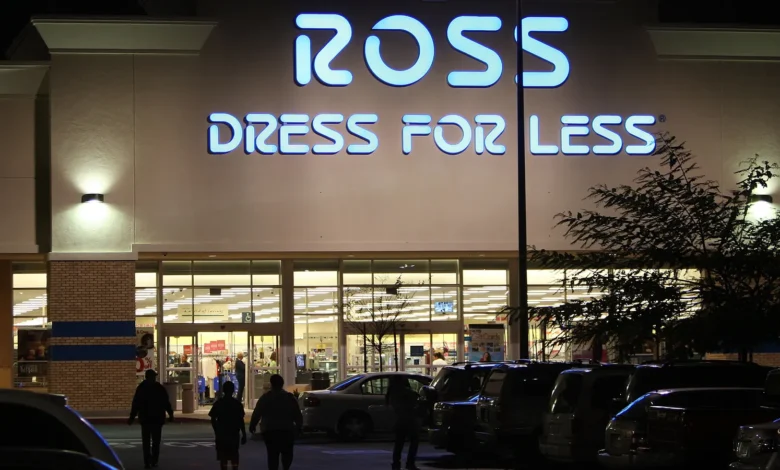
Ross Stores, a dominant force in the off-price retail sector, has officially confirmed plans to construct a massive 1.75 million-square-foot processing and distribution hub in Bakersfield, California. This $500 million capital investment represents the single largest logistics expansion in the company’s recent history and signals a robust commitment to scaling its infrastructure to meet soaring consumer demand. The facility, which is scheduled to break ground in 2027, will serve as the retailer’s 10th major distribution center, reinforcing a supply chain network that has become increasingly critical as the company aggressively expands its physical footprint across the United States.
The Strategic Importance of the Bakersfield Hub
The decision to locate this facility in Bakersfield is not incidental; it is a calculated move to optimize the retailer’s logistics efficiency within the Western United States. California currently serves as a central pillar of the Ross logistics strategy, housing three existing facilities. By adding a fourth center in the state, Ross aims to shorten the "last mile" transit times to its dense cluster of storefronts in the region.
The scale of the project is significant. Spanning 1.75 million square feet, the facility will be equipped with advanced automated processing systems designed to streamline the sorting and distribution of apparel, home accessories, and footwear. For a company like Ross, which operates on an "off-price" model requiring constant replenishment of rapidly turning inventory, the speed and accuracy of the distribution network are paramount. This facility will act as a high-velocity engine, ensuring that stores remain stocked with fresh merchandise, a core tenet of the company’s value proposition.
Economic Impact and Local Development
Beyond the logistical benefits, the project is a major economic boon for the City of Bakersfield. The City Council and local development agencies have hailed the announcement, noting that the facility is expected to generate approximately 1,000 permanent, full-time jobs. These roles will range from warehouse operations and logistics management to specialized technical positions required to maintain the facility’s sophisticated automation systems.
According to municipal projections, the economic ripple effect of a $500 million construction project will provide a substantial stimulus to the local Bakersfield economy. Beyond the direct hiring, the development is expected to bolster local infrastructure and increase the tax base, providing long-term fiscal benefits to the region. As the project nears its 2027 groundbreaking, the city expects to work closely with Ross to facilitate workforce development programs, ensuring that the local population is adequately trained to fill the high-tech roles created by the expansion.
A Chronology of Retail Logistics Scaling
Ross Stores has been on a decade-long trajectory of building out its logistics capabilities. The current network reflects a strategic shift from regional dependence to a highly resilient, national distribution grid.
- Pre-2020: Ross established its initial network, focusing on key logistics nodes in California, Arizona, and Texas to anchor its Western and Southwestern operations, alongside facilities in Pennsylvania and South Carolina to service the Eastern seaboard.
- 2024: The company accelerated its store opening cadence, announcing plans for 47 new locations, including a mix of Ross Dress for Less and DD’s Discounts stores.
- August 2026: Ross reported a 10% year-over-year increase in comparable store sales, driven by an influx of customer traffic. This performance served as the catalyst for the formalization of the Bakersfield investment.
- September 2026: Official announcement of the Bakersfield project.
- 2027: Anticipated commencement of construction.
- Projected Completion: While the timeline remains subject to construction milestones, such a facility typically requires 18 to 24 months to reach full operational status, placing the likely launch date in 2029.
Market Context: The Off-Price Retail Surge
The investment in Bakersfield occurs within a broader industry context where off-price retailers are outperforming their peers. In an economic climate characterized by persistent inflationary pressure, consumers are increasingly gravitating toward value-oriented shopping. Ross has been a primary beneficiary of this trend, reporting total Q2 sales growth of 13% year over year.
The "treasure hunt" experience provided by Ross—where shoppers find brand-name goods at significant discounts—relies entirely on a lean and responsive supply chain. When a customer finds a specific item at a deep discount, that item is often a "one-off" or a limited-run piece. Consequently, the ability to process, sort, and distribute these items to the right stores at the right time is the retailer’s primary competitive advantage.
Comparative Industry Investments
Ross is not the only retailer doubling down on logistics. The industry is currently undergoing a "logistics arms race" as companies seek to insulate themselves from global supply chain volatility.

- Burlington Stores: Recently launched a high-tech facility in Georgia and expanded its footprint in Arizona. Burlington’s strategy mirrors that of Ross, focusing on high-speed automation to reduce overhead and improve inventory velocity.
- Dollar Tree: In May, the retailer completed a 1-million-square-foot facility in Arizona, emphasizing the need for regional distribution hubs to reduce transportation costs, which have been hit hard by fluctuating fuel prices and labor shortages.
These investments demonstrate a collective shift in the retail sector: the movement away from massive, centralized warehouses toward decentralized, regional centers that bring inventory closer to the end consumer.
Analytical Implications: Supply Chain Resilience
From an analytical standpoint, the Bakersfield investment serves as a hedge against future supply chain disruptions. By increasing its total square footage in the Western U.S., Ross is reducing the risk of a single point of failure. If one facility experiences a localized disruption—be it labor-related, weather-driven, or technical—the remaining centers in the network can redistribute the workload, preventing stockouts at the store level.
Furthermore, the scale of the investment suggests that Ross anticipates long-term, sustained growth in the off-price segment. Building a 1.75 million-square-foot facility is a commitment that spans decades. The company is essentially betting that the consumer appetite for value, which has driven their recent 10% to 13% growth metrics, will remain a permanent fixture of the retail landscape.
Challenges and Operational Hurdles
Despite the clear benefits, the project is not without challenges. Constructing a facility of this magnitude requires navigating complex environmental regulations, labor market constraints, and the ongoing integration of robotics into legacy logistics processes. The construction industry has faced significant inflationary pressure regarding materials and labor, which could impact the $500 million budget estimate.
Additionally, as Ross integrates more automation, the company will face the "skills gap" challenge. Finding and retaining a workforce that can operate, maintain, and optimize sophisticated sorting machinery will be a top priority for human resources. The company’s success in Bakersfield will depend not only on the physical concrete and steel but on the digital and human capital they deploy within those walls.

Future Outlook for Ross Stores
As the retail industry continues to pivot toward a "phygital" model, where physical stores serve as both points of sale and local fulfillment nodes, the role of distribution centers is evolving. While Ross has historically prioritized the brick-and-mortar experience, the backend of that experience must be technologically superior to compete with e-commerce giants.
The Bakersfield project is the latest chapter in a broader strategy to solidify Ross as the premier destination for value-conscious shoppers. By expanding its capacity to handle larger volumes of merchandise, the company is positioning itself to capture a larger share of the market, potentially pushing its store count well beyond its current levels. As the industry watches the development unfold, the Bakersfield site will likely be viewed as a benchmark for how established retailers can successfully scale their operations to maintain dominance in an increasingly competitive and cost-sensitive retail environment.
In summary, the $500 million Bakersfield expansion is a pivotal development that underscores the necessity of robust logistics in the modern retail era. With the project slated for 2027, the industry and the local community alike will be monitoring the progress of this massive undertaking as it moves from a vision on paper to a cornerstone of the regional economy and the company’s global supply chain network.