Family Dollar Agrees to Strict Overhaul of Pricing Practices Following Multi-State and FTC Crackdown on Deceptive Checkout Scanners

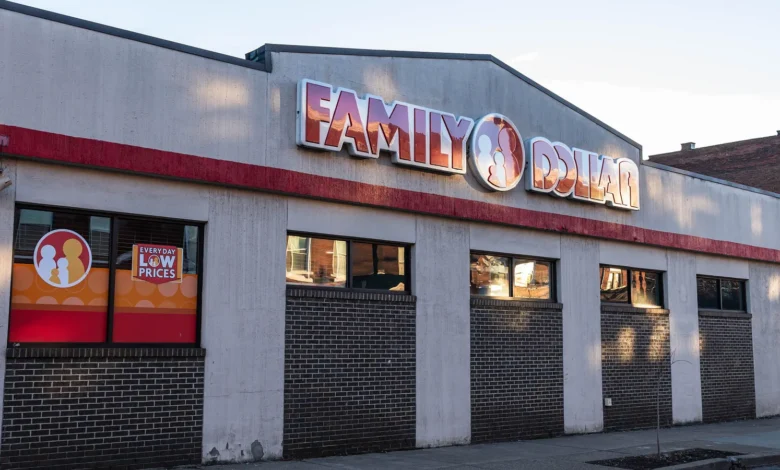
Family Dollar has officially agreed to a comprehensive legal and operational overhaul of its in-store pricing systems following a sweeping investigation by federal regulators and a coalition of 17 state attorneys general. The discount retail giant faced widespread allegations that items scanned at registers for higher prices than what was advertised on the shelves, costing everyday shoppers millions of dollars over several years.
The settlement, announced on November 13, 2026, requires Family Dollar to submit to rigorous independent oversight, adhere to strict pricing transparency standards, and implement annual compliance certifications. The enforcement action underscores an increasingly aggressive regulatory environment targeting deceptive retail practices, particularly as financially strained consumers navigate persistent economic pressures and high inflation.
Overview of the Regulatory Action and Core Violations
The legal action against Family Dollar highlights a systemic issue within the discount retail sector: the discrepancy between shelf tags and checkout scanner prices. According to court filings and regulatory disclosures, the improper pricing practices violated federal consumer protection laws as well as state-level statutes in Alabama, Arkansas, Colorado, Florida, Illinois, Iowa, Kansas, Louisiana, Mississippi, Nebraska, Ohio, Oklahoma, Pennsylvania, South Carolina, Tennessee, Utah, and Wisconsin.
Federal regulators emphasized that deceptive pricing disproportionately impacts low-income and budget-conscious consumers who rely on discount stores for essential household goods, groceries, and personal care items. Even minor discrepancies of a few cents or dollars per transaction accumulate rapidly across thousands of stores nationwide, resulting in millions of dollars in illicit overcharges.
Christopher Mufarrige, director of the Federal Trade Commission’s (FTC) Bureau of Consumer Protection, highlighted the agency’s firm stance on retail accountability in a public statement released Thursday.
"The FTC is committed to ensuring price transparency and fairness so consumers can make informed choices," Mufarrige said. "Today’s order will ensure Family Dollar stops deceiving consumers about its prices and returns money to consumers harmed by these practices."
Under the terms of the newly finalized judicial order, Family Dollar is barred from misrepresenting the cost of goods and must actively restitute consumers who fell victim to the inaccurate scanning systems. Furthermore, the discount chain’s operations will be subject to independent assessments designed to evaluate pricing accuracy over the coming years.

Comprehensive Compliance Mandates Imposed on Family Dollar
To rectify the systemic failures that triggered the multi-state and federal investigations, Family Dollar must implement a sweeping series of structural and operational reforms across its entire store footprint. The compliance framework is designed to eliminate the lag between advertised promotions, shelf tags, and point-of-sale (POS) database updates.
Key requirements outlined in the settlement include:
Prominent Disclosure of Pricing Policies: Family Dollar is required to clearly and prominently display its official pricing policy adjacent to all store cash registers, ensuring customers are immediately informed of their rights and store protocols regarding pricing errors.
Synchronized Database Management: The company must institute advanced technical procedures ensuring that point-of-sale systems do not update to higher prices until those prices are properly and legally advertised across the sales floor.
Routine Price Verification Audits: Stores must establish systematic monitoring protocols to verify that advertised shelf tags accurately match the prices programmed into electronic checkout registers.
Mandatory Staff Training: Store-level employees, managers, and regional supply chain leadership must undergo comprehensive, annual training programs focused on maintaining pricing accuracy and quickly resolving discrepancies.
Honoring Lowest Advertised Prices: In the event of a discrepancy, store personnel must instantly honor the lowest advertised price displayed to the consumer and immediately correct the inaccurate pricing data in the system.
Independent Compliance Certification: The retailer must retain an independent, third-party assessor to review its pricing practices and provide annual certifications to regulatory authorities verifying compliance with the settlement terms.

Corporate Response and Commitment to Restoring Consumer Trust
In the wake of the settlement announcement, corporate representatives for Family Dollar emphasized the company’s cooperation with regulators and its renewed commitment to institutional integrity. A company spokesperson released a formal statement on Friday addressing the enforcement action.
"The discounter is cooperating and focused on strengthening pricing accuracy across our stores and maintaining our customers’ trust," the spokesperson said. "Family Dollar prides itself on providing convenient, close-to-home stores where customers can shop for everyday essentials at affordable prices. We take our responsibility to deliver a positive shopping experience seriously."
While acknowledging the operational challenges that led to the discrepancies, leadership maintained that improving price verification infrastructure is a top organizational priority. The retailer has begun deploying upgraded inventory management software and retraining store managers to ensure rapid correction of pricing errors moving forward.
Broader Industry Context: A Twin Crackdown on Dollar Chains
The legal reckoning facing Family Dollar does not occur in a vacuum; rather, it represents a coordinated regulatory assault on deceptive retail practices within the American discount sector. Just one month prior to the Family Dollar settlement, the FTC and a coalition of 20 states filed a nearly identical lawsuit against Dollar General.
The federal complaint against Dollar General alleged that the competing discount titan routinely engaged in deceptive pricing by charging consumers higher prices at the register than the figures displayed on promotional signs and shelf labels. While Dollar General has publicly acknowledged what it characterized as "occasional price discrepancies" and asserted its dedication to absolute accuracy, the simultaneous legal actions against the two largest dollar store chains signal a profound shift in consumer protection enforcement.
Beyond physical scanning errors, retailers across the broader economic landscape are facing heightened scrutiny regarding their pricing strategies. Many large-scale merchants are exploring complex "dynamic pricing" models—similar to surge pricing used by rideshare companies and airlines—which adjust prices in real-time based on demand, inventory levels, or time of day. Consumer advocates argue that while some dynamic pricing frameworks may operate within legal boundaries, they significantly heighten consumer anxiety and confusion, particularly during periods of sustained economic stress and inflation.
Economic Implications and Impact on Budget Consumers

The systemic pricing errors identified in the Family Dollar and Dollar General investigations carry profound economic implications for American households. Budget-conscious consumers, who meticulously calculate their spending down to the last dollar to make ends meet, are uniquely vulnerable to unexpected at-the-register overcharges. When a shopper fills a basket with essentials under the assumption that the total will align with shelf tags, discovering a higher total at checkout can force uncomfortable choices, such as abandoning necessary items or exceeding a strictly managed budget.
Furthermore, retail analysts point out that systemic pricing inaccuracies erode brand loyalty far faster than standard price increases. In an inflationary market where consumers are already hyper-aware of every dollar spent, trust is a retailer’s most valuable commodity. When that trust is broken by systematic overcharging—even if attributed to technical lag or human error rather than intentional fraud—shoppers quickly seek alternatives among competing grocers and big-box discounters.
From a regulatory perspective, these settlements establish a clear legal precedent: convenience and rapid inventory turnover do not excuse systemic operational failures that disadvantage consumers. State attorneys general and the FTC have demonstrated a willingness to pool resources and pursue multi-state litigation against retail giants that fail to maintain basic consumer protections.
Outlook for Retail Operations Moving Forward
As Family Dollar embarks on its multi-year compliance oversight program, the retail industry as a whole is being forced to reevaluate the technology and labor allocated to price management. Traditional retail models that rely heavily on manual paper shelf tags are increasingly prone to human error, particularly amid high employee turnover rates and chronic understaffing at the store level.
To insulate themselves from similar regulatory liabilities, many national chains are accelerating their investments in electronic shelf labels (ESLs). These digital pricing displays, which sync automatically with central database pricing via wireless networks, eliminate the disparity between physical tags and register scans. However, the upfront capital expenditure required to outfit thousands of stores with ESL technology remains a significant barrier for smaller operators, leaving discount chains with the complex task of tightening manual verification protocols.
Ultimately, the Family Dollar settlement serves as a watershed moment for discount retail operations. By binding the corporation to independent assessment, mandatory staff education, and strict transparency protocols, regulators have sent an unmistakable message that price accuracy is not merely an operational preference, but a strict legal obligation. For Family Dollar, the path forward requires not only financial restitution and administrative overhaul, but a sustained cultural commitment to restoring the faith of the everyday shoppers who depend on its stores.
Related posts: