Walmart U.S. Business Undergoes Significant Leadership Transition with COO Kieran Shanahan Stepping Down

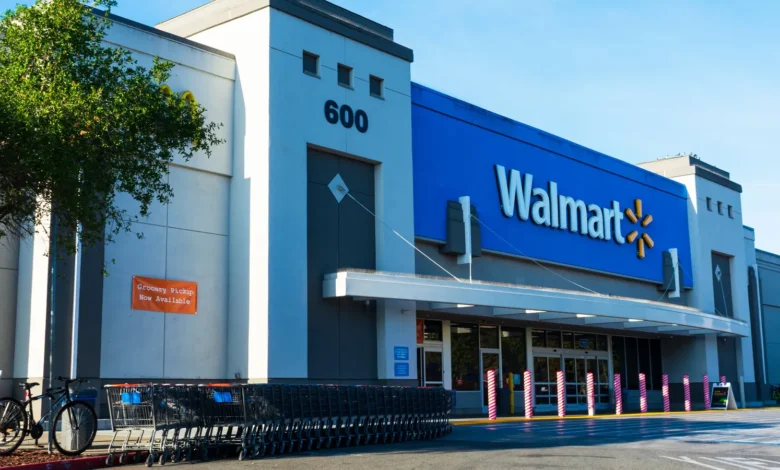
Leadership shakeups continue to reverberate through the executive ranks of the world’s largest retailer, Walmart Inc., roughly five months after John Furner formally assumed the chief executive officer position. The latest significant development sees Kieran Shanahan, a veteran of nearly three decades with the company, stepping down from his role as Chief Operating Officer for Walmart’s U.S. business. His departure marks a pivotal moment in the ongoing strategic realignment under Furner’s leadership, signaling a renewed focus on operational efficiencies and strategic growth initiatives within the company’s crucial domestic market.
Shanahan, who has been an integral part of Walmart’s operational success for an impressive 29 years, will transition into an advisory role, supporting Walmart U.S. CEO David Guggina through the end of the current fiscal year. This arrangement suggests a planned and amicable transition, allowing for a smooth handover of responsibilities and leveraging Shanahan’s extensive institutional knowledge during a critical period of change. His long tenure underscores a career dedicated to the intricate logistics and vast scale of Walmart’s U.S. operations, a segment that remains the bedrock of the company’s global enterprise.
Effective immediately, Kyle Kinnard has been appointed as the new Executive Vice President and Chief Operating Officer for Walmart U.S. Kinnard brings a wealth of experience, having served the retailer for over 25 years, most recently as the Chief Operating Officer for Walmart International. His move from a global operational oversight role to the helm of U.S. operations highlights Walmart’s strategy of leveraging seasoned internal talent to drive domestic priorities, potentially integrating best practices and efficiencies honed across diverse international markets into its home territory.
A Legacy of Nearly Three Decades: Kieran Shanahan’s Tenure
Kieran Shanahan’s impending departure as COO of Walmart U.S. concludes a distinguished career spanning almost three decades, a period during which Walmart cemented its position as a retail behemoth. Shanahan’s journey through Walmart’s various operational facets would have undoubtedly encompassed the evolution of modern retail, from the expansion of its supercenter format to the nascent stages of its e-commerce integration and the complex challenges of supply chain management. His role as COO for the U.S. business is central to the daily functioning of thousands of stores, millions of employees, and the seamless delivery of goods to an immense customer base.
The responsibilities of a COO at Walmart U.S. are vast, encompassing everything from store operations and inventory management to logistics, transportation, and the implementation of technological solutions to enhance efficiency. Shanahan would have played a critical role in navigating the operational complexities of a constantly evolving retail landscape, marked by shifts in consumer behavior, technological advancements, and the intense competitive pressures from both traditional rivals and burgeoning e-commerce platforms. His leadership during significant periods, including global economic shifts and the unprecedented challenges posed by the COVID-19 pandemic, would have been crucial in ensuring the resilience and adaptability of Walmart’s U.S. supply chain and store network. His transition to an advisory capacity through the fiscal year-end suggests a strategic move to ensure continuity and provide invaluable counsel to the incoming leadership, reflecting a commitment to a stable and effective handover.
From Global to Domestic: Kyle Kinnard’s New Mandate
Kyle Kinnard’s appointment as the new COO for Walmart U.S. is a testament to his extensive experience and proven leadership within the company. Having spent over a quarter-century with Walmart, Kinnard’s career trajectory has prepared him for this significant domestic role. His most recent position as COO for Walmart International provided him with a unique perspective on diverse market dynamics, global supply chain intricacies, and the challenges of scaling operations across different cultural and regulatory environments. This international exposure is expected to be a significant asset as he assumes control of Walmart’s largest and most critical market.
The internal memo from David Guggina, CEO of Walmart U.S., and Chris Nicholas, CEO of Walmart International, lauded Kinnard’s "proven track record," "dedication to servant leadership," and "passion for coaching the next generation of Walmart leaders." These attributes suggest a leader focused not only on results but also on fostering a strong organizational culture and developing talent—qualities that are increasingly vital in a large, dynamic enterprise like Walmart. His experience managing international operations, which often involves adapting global strategies to local conditions, could translate into a more agile and responsive approach to the diverse needs of the U.S. market, from urban centers to rural communities. Kinnard’s continued role as chair on the board of directors for Walmart de México y Centroamérica further underscores his strategic importance to the company’s broader North American and Latin American footprint.
The Broader Context: John Furner’s Strategic Reshaping of Walmart
These recent executive shifts are not isolated incidents but rather part of a broader strategic reshaping initiated by John Furner since he took the helm as CEO of Walmart Inc. in early 2026. Furner, who previously led Sam’s Club to significant growth, ascended to the top leadership position with a mandate to navigate Walmart through an increasingly complex retail environment. His appointment was widely seen as a move to inject fresh perspectives and a renewed focus on innovation, digital transformation, and competitive agility into the core business.
Upon assuming the CEO role, Furner wasted no time in reorganizing the company’s core C-suite in January 2026. This initial restructuring saw the appointments of key figures like David Guggina as CEO of Walmart U.S. and Chris Nicholas as CEO of Walmart International. Such top-tier changes typically signal a CEO’s intent to build a leadership team aligned with their specific vision and strategic priorities. For Furner, this vision likely encompasses accelerating Walmart’s omnichannel strategy, enhancing supply chain resilience, leveraging data and technology for improved customer experience, and maintaining a competitive edge against formidable rivals like Amazon and Target. The current leadership transitions can be viewed as subsequent steps in refining this organizational structure, ensuring that the right talent is in the right roles to execute these ambitious goals. The retail industry is currently characterized by rapid technological advancements, evolving consumer expectations, and persistent inflationary pressures, making decisive leadership and a streamlined organizational structure paramount for sustained success.
A Cascade of Executive Transitions: A Timeline of Recent Departures and Appointments
The recent leadership changes at Walmart form a clear chronology of strategic adjustments under John Furner’s new leadership:
- January 2026: John Furner, having transitioned from his role as CEO of Sam’s Club, formally assumes the position of CEO of Walmart Inc. Almost immediately, he initiates a significant reorganization of the company’s core C-suite. This critical first step involves the appointment of David Guggina as CEO of Walmart U.S. and Chris Nicholas as CEO of Walmart International, setting the foundation for his strategic vision. These appointments were crucial for establishing the new operational leadership for Walmart’s two primary business segments.
- February 2026: Furner officially begins his tenure as CEO, approximately five months prior to the July 2026 announcement. This period would have involved Furner assessing the existing operational structures, identifying areas for improvement, and laying the groundwork for subsequent executive changes.
- May 2026: Further leadership adjustments are announced, including the departures of Tom Ward, Chief Operating Officer for Sam’s Club, and Cedric Clark, Chief of Store Operations at Walmart. These departures signaled a continued effort to streamline leadership and potentially bring in new perspectives or elevate existing talent aligned with Furner’s evolving strategy. Ward’s departure from Sam’s Club, Furner’s former domain, suggested a comprehensive review across all segments of the Walmart enterprise. Clark’s exit from U.S. store operations pointed towards a potential re-evaluation of how Walmart’s vast physical footprint is managed and optimized.
- July 17, 2026: The most recent major announcement confirms Kieran Shanahan’s decision to step down as Chief Operating Officer for Walmart U.S. after a distinguished nearly 30-year career. Simultaneously, Kyle Kinnard is appointed as his successor, moving from his role as COO of Walmart International. This move underscores a strategic shuffle of high-level operational talent. In tandem, Juan Galarraga is promoted to Executive Vice President and Regional General Manager for the Latin America business within Walmart International, reflecting a continued focus on key growth markets. The retailer also indicates that an announcement for the leader of its global platform acceleration team is forthcoming, suggesting further strategic hires or promotions aimed at fostering technological integration and rapid innovation across its platforms.
This timeline illustrates a methodical and comprehensive approach by John Furner to rebuild and refine Walmart’s executive leadership, ensuring alignment with his strategic priorities for growth, efficiency, and market responsiveness.
Strengthening International Operations: Juan Galarraga’s Ascent
Amidst the changes in U.S. leadership, Walmart is also bolstering its international executive team. Juan Galarraga, who joined Walmart in 2024 as Senior Vice President of Acceleration and Support for Walmart U.S. operations, has been promoted to Executive Vice President and Regional General Manager for the Latin America business within Walmart International. Galarraga’s relatively rapid ascent within the company, moving from a U.S.-focused role to a significant international leadership position in just two years, highlights Walmart’s confidence in his capabilities and a strategic emphasis on the Latin American market.

Latin America represents a critical growth region for Walmart, offering substantial market potential despite economic volatilities in some countries. Galarraga’s experience in "acceleration and support" for U.S. operations suggests a background in driving efficiency, implementing new initiatives, and providing strategic oversight—skills that will be invaluable in navigating the complexities and capitalizing on the opportunities within the diverse Latin American retail landscape. His promotion, concurrent with Kinnard’s shift to the U.S., indicates a dynamic movement of talent aimed at strengthening both domestic and international fronts. The company’s intent to announce the leader of its global platform acceleration team in the coming weeks further signals a commitment to leveraging technology and integrated platforms to drive efficiency and innovation across its global operations, ensuring that all markets benefit from centralized strategic initiatives.
Strategic Implications for Walmart U.S. Operations
The appointment of Kyle Kinnard as COO for Walmart U.S. carries significant strategic implications for the company’s domestic operations. Kinnard’s extensive background in international operations suggests a leader adept at optimizing complex supply chains, integrating diverse operational models, and adapting strategies to various market conditions. This experience will be crucial as Walmart U.S. continues to refine its omnichannel strategy, aiming for seamless integration between its vast physical store footprint and its rapidly growing e-commerce capabilities.
Under Kinnard’s leadership, Walmart U.S. is likely to intensify its focus on several key areas:
- Supply Chain Optimization: Enhancing the efficiency and resilience of its supply chain network, crucial for managing inventory, reducing costs, and ensuring product availability amidst global disruptions and fluctuating demand.
- E-commerce Integration and Last-Mile Delivery: Further streamlining the integration of online and in-store shopping experiences, improving order fulfillment, and expanding last-mile delivery options to meet evolving customer expectations for speed and convenience.
- Store Experience and Technology Adoption: Modernizing the in-store experience through technology, empowering associates with better tools, and utilizing data analytics to optimize store layouts and product assortments.
- Operational Efficiency: Identifying and implementing new processes and technologies to drive cost savings and improve productivity across thousands of stores and distribution centers.
- Talent Development: As highlighted in the memo, Kinnard’s "passion for coaching" suggests a continued emphasis on developing the next generation of operational leaders, ensuring a robust talent pipeline for future growth.
These operational shifts are essential for Walmart to maintain its competitive edge in a highly dynamic and increasingly digital retail landscape, ensuring it can respond effectively to both consumer demands and market pressures.
Walmart’s Global Footprint and Competitive Landscape
Walmart operates on a truly global scale, making it one of the most significant economic entities worldwide. With a market capitalization often exceeding several hundred billion dollars, and a presence in numerous countries beyond the U.S., its leadership decisions reverberate across vast networks of stores, suppliers, and millions of employees. The company’s U.S. operations, however, remain its largest and most profitable segment, serving as the foundation for its global ambitions.
In the U.S., Walmart faces intense competition from various fronts. E-commerce giants like Amazon continuously challenge its digital dominance, while traditional rivals such as Target have successfully revitalized their brands and offerings. Additionally, a growing number of specialized retailers, discounters, and grocery chains vie for consumer dollars. The strategic changes in leadership, particularly within U.S. operations, are therefore critical to Walmart’s ability to innovate, adapt, and outperform its competitors. By appointing experienced leaders like Kinnard, Walmart aims to fortify its core business, ensuring that its operational prowess and vast scale translate into a superior customer experience and sustained market leadership. These leadership adjustments are not merely internal reorganizations; they are strategic moves designed to position Walmart optimally in a fiercely competitive global retail arena.
Cultivating Internal Talent: Walmart’s Succession Strategy

The recent wave of promotions and reassignments, particularly the elevation of Kyle Kinnard and Juan Galarraga, underscores Walmart’s robust commitment to cultivating and promoting internal talent. Both Kinnard and Galarraga have demonstrated long-standing dedication and progressive growth within the company, embodying Walmart’s philosophy of developing leaders from within its ranks. Kinnard’s journey of over 25 years, culminating in the critical COO role for U.S. operations, serves as a powerful example of internal career progression. Similarly, Galarraga’s swift ascent from Senior Vice President to Executive Vice President and Regional General Manager in just two years showcases a deliberate strategy to identify and fast-track high-potential leaders into roles of greater responsibility.
This focus on internal succession planning provides several advantages. It ensures continuity of company culture and values, leverages deep institutional knowledge, and fosters loyalty among employees who see clear pathways for advancement. In a company as vast and complex as Walmart, having leaders who understand the intricate operational nuances from years of direct experience is invaluable. This strategy minimizes the risks associated with external hires, who may require a longer period to integrate and understand the unique dynamics of the retail giant. By strategically moving proven leaders like Kinnard from international to domestic roles, Walmart is not just filling positions but strategically deploying its most experienced and effective executives to areas where their skills can have the greatest impact.
Looking Ahead: The Future Direction Under New Leadership
The comprehensive leadership changes at Walmart signal a dynamic period of transformation under CEO John Furner. The restructuring, from the initial C-suite appointments to the latest operational shifts, indicates a clear intent to streamline decision-making, enhance agility, and focus on strategic imperatives that will define Walmart’s future. With Kyle Kinnard now leading U.S. operations, the emphasis is expected to be on operational excellence, innovation in omnichannel retail, and the efficient deployment of technology to improve both customer and associate experiences.
For investors and market observers, these changes suggest a proactive approach to managing a complex business in an ever-evolving retail landscape. Stable yet adaptive leadership is crucial for maintaining investor confidence and ensuring long-term growth. The strategic deployment of experienced leaders, coupled with a focus on internal talent development, positions Walmart to navigate ongoing challenges such as inflationary pressures, supply chain disruptions, and the relentless pace of digital transformation. The forthcoming announcement regarding the leader of the global platform acceleration team further hints at Walmart’s continued investment in technology and integrated platforms as a cornerstone of its future strategy, aiming to leverage data and automation to create a more efficient and customer-centric retail ecosystem.
Conclusion: A Dynamic Period for the Retail Giant
The latest executive reshuffle at Walmart, particularly the transition of Kieran Shanahan and the appointment of Kyle Kinnard as U.S. COO, underscores a deliberate and ongoing strategic transformation under CEO John Furner. These changes are not merely personnel shifts but rather integral components of a broader vision aimed at fortifying Walmart’s operational capabilities, accelerating its digital ambitions, and reinforcing its market leadership in an intensely competitive global retail environment. As Walmart continues to evolve, these leadership adjustments are poised to play a crucial role in shaping its trajectory for years to come, reflecting a proactive approach to maintaining its formidable position in the global economy.