Superdrug’s "Beauty Playground" Concept Celebrates First Anniversary with Ambitious Expansion and New Brand Introductions

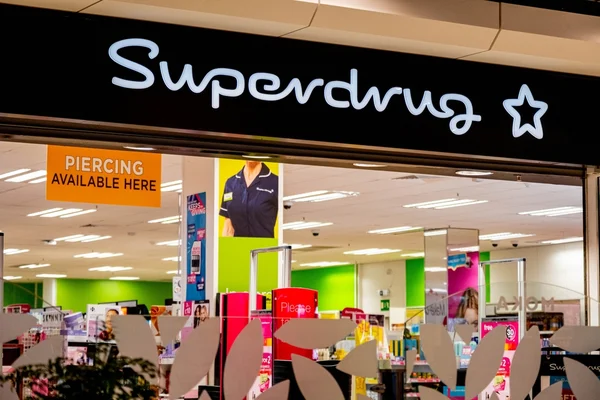
Superdrug, a prominent health and beauty retailer, is marking the first anniversary of its innovative "beauty playground" concept, which launched in July 2025. This significant milestone is being celebrated with a strategic rollout of an extensive array of new brands and products, reinforcing the concept’s success and Superdrug’s commitment to experiential retail. Initially debuted at the flagship Westfield Stratford London store, the beauty playground has since evolved into a permanent fixture across Superdrug’s leading destination stores and its online platform, signifying a fundamental shift in how the retailer engages with its customer base and supports emerging beauty brands.
A Year of Transformative Retail: Superdrug’s "Beauty Playground" Marks Milestone
The "beauty playground" was conceived as a dynamic "hub of beauty discovery," designed to offer shoppers an immersive and interactive experience. Far beyond traditional retail, it enables customers to "explore must-have brands, access beauty services, receive expert advice, and create content while they shop." This multifaceted approach directly addresses the modern consumer’s desire for engagement, personalization, and social media integration within their retail journey. The concept’s success is further underscored by its role as "a powerful launchpad for emerging brands," many of which have subsequently secured wider distribution across Superdrug’s extensive network, proving its efficacy as a commercial incubator.
To commemorate its first year, all existing beauty playground locations are set to receive "a fresh line-up of must-have newness." This curated selection invites customers to discover, test, and interact with the latest trends and products. Among the exciting new additions are premium fragrance mists from global beauty giant Coty, innovative lip stains from Face Facts, and a diverse range of make-up and body care launches from popular brands such as Nyx Body, BPerfect, Daise, and Ciroa. This continuous refresh ensures the concept remains vibrant and relevant, consistently offering novel experiences.
The Genesis of Experiential Beauty: A Strategic Imperative
The conceptualization of Superdrug’s beauty playground did not occur in a vacuum but emerged from a rapidly evolving retail landscape. In the years leading up to its launch, the beauty sector witnessed a profound shift from purely transactional shopping to a demand for more engaging, personalized, and experiential interactions. The COVID-19 pandemic further accelerated this trend, highlighting the need for physical stores to offer compelling reasons for consumers to visit beyond mere product acquisition, especially in an era dominated by e-commerce convenience.
Superdrug, traditionally known for its accessibility and value-driven offerings in the mass-market segment, recognized the strategic imperative to innovate. While its core strength lay in providing affordable beauty and healthcare essentials, the rise of digital-native brands, the re-entry of luxury players like Sephora into the UK market, and the omnipresence of social media influencers reshaped consumer expectations. Shoppers, particularly younger demographics like Gen Z and Millennials, increasingly sought spaces where they could experiment, learn, and share their discoveries. The "beauty playground" directly responds to this by creating an environment conducive to exploration and content creation, aligning Superdrug with the cutting edge of retail innovation. It aims to bridge the gap between the online discovery facilitated by social platforms and the tactile, sensory experience that only physical retail can provide.
A Chronology of Innovation and Expansion
The journey of the beauty playground reflects a methodical and responsive strategy by Superdrug:
- Pre-Launch (Early 2020s): Extensive market research and consumer trend analysis likely informed the development of the beauty playground concept. Recognising the growing influence of social media on beauty purchasing decisions and the desire for interactive retail, Superdrug began formulating a strategy to transform its physical spaces. The aim was to create a destination that was not just a store but an experience, fostering loyalty and attracting a new generation of beauty enthusiasts.
- July 2025: The Inaugural Launch: The "beauty playground" officially opened its doors at Superdrug’s flagship store in Westfield Stratford London. This high-traffic location, known for attracting a diverse demographic, served as the ideal testing ground for the ambitious concept. Initial reception was reportedly positive, with customers embracing the interactive elements and diverse product offerings. The inclusion of beauty services and expert advice immediately set it apart from conventional beauty aisles.
- Post-Launch Evolution (Late 2025 – Mid 2026): Following its successful debut, Superdrug strategically rolled out the beauty playground concept to other "leading destination stores" across the UK. This expansion was accompanied by the integration of the "beauty playground" philosophy into Superdrug’s online platform, ensuring a seamless omnichannel experience where digital discovery could lead to physical engagement and vice-versa. During this period, the concept began to establish itself as a vital hub for both established and nascent brands, demonstrating its dual utility as a consumer magnet and a brand incubator. Early successes included several emerging brands significantly boosting their profiles and securing wider distribution across Superdrug’s main estate.
- July 2026: First Anniversary Celebrations: Marking one year since its inception, the beauty playground is celebrating with a major infusion of "newness." This includes the introduction of premium fragrance mists from Coty, expanding Superdrug’s reach into higher-end product categories within the playground environment. Additionally, innovative products like Face Facts lip stains and a diverse range of make-up and body care from popular brands such as Nyx Body, BPerfect, Daise, and Ciroa are being introduced. This refresh aims to maintain excitement and offer customers continuous reasons to revisit the concept.
- Looking Ahead: Continued Growth (End of 2026 and Beyond): Superdrug has articulated plans to launch further beauty playground locations by the end of 2026, signaling sustained confidence in the concept’s long-term viability and success. Future innovations could include enhanced digital integration, personalized beauty tech experiences, and an even broader range of services, cementing the beauty playground’s role as a cornerstone of Superdrug’s retail strategy.
Driving Discovery and Nurturing New Talent
Simon Comins, Chief Operating Officer at Superdrug, has been a vocal proponent of the beauty playground, highlighting its profound impact on the beauty retail landscape. "Beauty playground has completely reshaped what discovery looks like in beauty retail," Comins stated. He emphasized the sheer scale of the initiative, noting, "We’ve featured nearly 1,000 products from just under 50 brands, turning our stores into genuine playgrounds where customers can experiment, discover new favourites and get closer to the next big thing." This vast selection, curated within an interactive environment, ensures a dynamic and engaging experience for every visitor.
Beyond its role as a consumer destination, the concept has proven to be a vital "launchpad" for emerging brands. Comins elaborated, "Brands that first launched through beauty playground have performed so strongly that they have since secured wider distribution across the UK, demonstrating the power of the concept as a springboard for emerging names." This testifies to the beauty playground’s unique ability to offer nascent brands crucial visibility, market testing opportunities, and direct consumer feedback, which are often significant hurdles for new entrants in a competitive market.
Comins further stressed the importance of collaborative partnerships. "We know collaboration is critical to helping these brands succeed," he said. "By working closely with our brand partners, we can create engaging, immersive experiences that help customers discover new products, while giving brands the visibility, insight and support they need to scale." This symbiotic relationship benefits all parties: Superdrug enhances its offering and attracts new customers, emerging brands gain exposure and growth, and consumers enjoy a broader, more exciting product range. "Celebrating our first birthday with such an exciting line-up feels like the perfect way to mark the moment, and we can’t wait to welcome even more customers to experience beauty playground," Comins concluded, expressing optimism for the future.
Industry Impact and Competitive Landscape
The UK beauty market is a significant and dynamic sector, valued at approximately £28 billion in 2023 and projected for continued growth. Within this highly competitive environment, Superdrug’s "beauty playground" represents a strategic move to solidify its position and gain a competitive edge. The concept directly challenges traditional retail models and differentiates Superdrug from its key rivals.
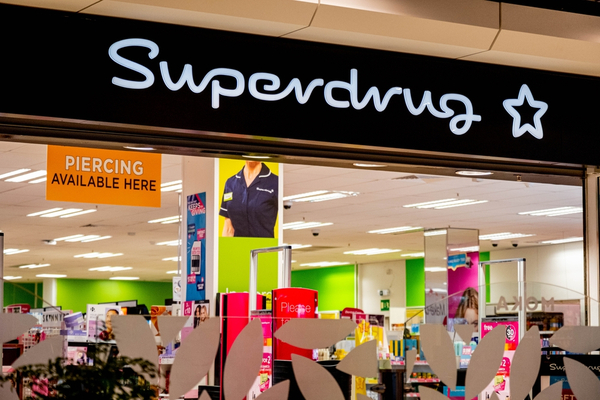
Major competitor Boots has also been investing in store revamps and experiential zones, but Superdrug’s dedicated "playground" approach focuses intensely on discovery and content creation, aligning more closely with contemporary digital trends. The re-entry of Sephora into the UK market has intensified the experiential beauty retail battle, with its highly anticipated stores offering a curated, premium experience. However, Superdrug’s "beauty playground" caters to a broader, more accessible market while still delivering on the experiential promise. By providing a platform for both established and emerging brands, Superdrug diversifies its appeal and strengthens its connection with a consumer base that values authenticity and innovation.
The success of the beauty playground also highlights a broader trend in physical retail: the necessity to transform stores from mere points of sale into engaging destinations. As e-commerce continues to capture a significant share of transactional purchases, brick-and-mortar stores must offer something unique – a sensory experience, expert advice, community building, and opportunities for social interaction and content generation. Superdrug’s initiative is a prime example of how retailers can successfully adapt to these evolving consumer expectations, particularly appealing to younger demographics who are highly influenced by social media and value authentic product discovery.
The Economic and Strategic Implications
The "beauty playground" holds significant economic and strategic implications for Superdrug, its brand partners, and the broader retail landscape.
For Superdrug: The concept is likely to drive increased footfall to its destination stores, translating into higher sales volumes and potentially an elevated average transaction value as customers are encouraged to explore and experiment with a wider range of products, including those from premium or niche categories. Furthermore, by positioning itself as a hub for discovery and content creation, Superdrug enhances its brand image, moving beyond its traditional value-driven perception to one of innovation and trend leadership. The rich data gathered from customer interactions within these playgrounds – on product preferences, service uptake, and brand engagement – provides invaluable insights for future merchandising, marketing, and strategic decision-making.
For Brands: Particularly for emerging brands, the beauty playground offers an unparalleled, cost-effective entry point into the competitive UK market. Gaining shelf space and visibility in a major retailer like Superdrug can be a daunting challenge. The beauty playground mitigates this by providing a dedicated, high-visibility platform for market testing, direct consumer feedback, and brand building, often leading to wider distribution and accelerated growth. For established brands, it offers an innovative channel to launch new products, engage with consumers in a dynamic setting, and reinforce their market presence.
For High Streets and Retail Parks: In an era where physical retail spaces are under pressure, concepts like the "beauty playground" contribute positively to the revitalization of high streets and shopping centres. By creating compelling reasons for consumers to visit, these experiential zones help draw footfall, benefiting not only Superdrug but also surrounding businesses. They represent the future of physical retail – spaces that are not just transactional but also social, educational, and entertaining, helping to maintain the vibrancy of urban commercial centres.
Expert and Partner Perspectives
Industry analysts generally view Superdrug’s "beauty playground" as a shrewd strategic move. "Superdrug has historically excelled at accessible beauty, and this concept elevates their offering by tapping into the experiential desires of the modern consumer," commented a hypothetical retail analyst, Dr. Eleanor Vance from the Retail Insights Group. "In a market saturated with online options, creating a physical destination that offers discovery, advice, and social media opportunities is crucial. It positions Superdrug not just as a seller, but as a curator and facilitator of beauty trends, directly competing with more premium players on experience rather than just price."
A hypothetical statement from an emerging brand partner, Ms. Anya Sharma, founder of ‘LumiGlow Cosmetics,’ which launched through the beauty playground and subsequently secured wider distribution, underscores its value. "Being part of Superdrug’s beauty playground was transformative for LumiGlow. As a small brand, gaining significant retail presence felt like a distant dream. The playground gave us immediate visibility, allowed us to connect directly with thousands of customers, and gather invaluable feedback. The support and insights provided by Superdrug were instrumental in scaling our brand and ultimately securing a national rollout. It truly is a springboard for independent labels."
Future Outlook and the Evolving Retail Experience
As Superdrug looks beyond the first anniversary of its "beauty playground," the concept is poised for continued evolution and innovation. Future iterations could see even deeper integration of cutting-edge technology, such as augmented reality (AR) mirrors for virtual try-ons, AI-powered personalized product recommendations based on individual skin analysis, or interactive digital displays that allow customers to explore brand stories and product ingredients in greater detail. The "create content while they shop" aspect may also be enhanced with dedicated selfie stations, professional lighting, and integrated sharing tools, further blurring the lines between retail and social media engagement.
Expanding service offerings could also be a key growth area, potentially including advanced beauty treatments, workshops with influencers, or personalized consultations with expert aestheticians. The long-term vision for Superdrug’s physical retail footprint appears to be one where stores are dynamic, responsive ecosystems, constantly adapting to consumer preferences and technological advancements.
The enduring appeal of physical discovery, even in an increasingly digital world, underscores the fundamental human desire for sensory interaction and social connection. Superdrug’s "beauty playground" stands as a testament to this, demonstrating how traditional retailers can reinvent themselves to remain relevant, exciting, and indispensable in the ever-changing landscape of modern commerce. By continuing to invest in experiential retail, Superdrug is not just selling products; it is selling an experience, a community, and a journey of beauty discovery.