The Skyrocketing Cost of Power: Tech Giants’ Natural Gas Gamble Faces a Pricey Reality

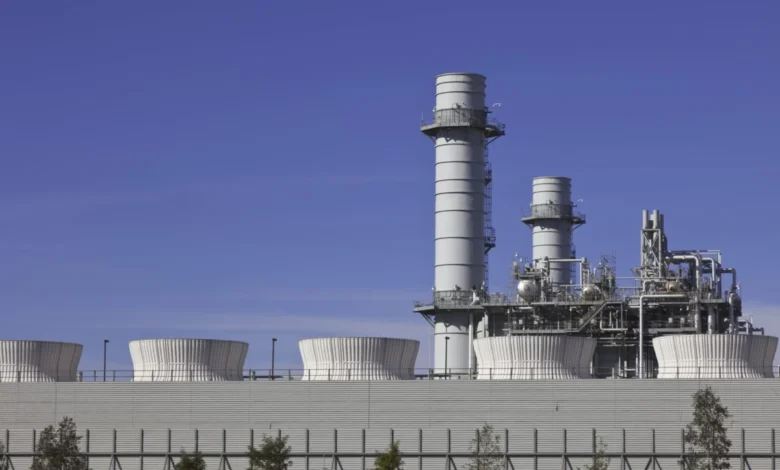
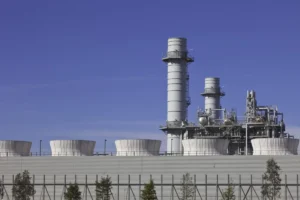
The insatiable appetite for electricity to power the burgeoning artificial intelligence revolution and the ubiquitous data centers that underpin it is forcing major technology companies, including industry behemoths like Microsoft and Meta, into an increasingly expensive embrace of natural gas. Once a favored, cost-effective solution, the construction of new natural gas-fired power plants to meet these colossal energy demands has seen a dramatic surge in costs, with the price to build such facilities escalating by a staggering 66% over the past two years, according to a recent report by BloombergNEF. This burgeoning expense, coupled with growing public scrutiny and a tightening supply chain for essential components, is casting a long shadow over the future energy strategies of the world’s leading tech firms.
The Rising Tide of Construction Costs
The data from BloombergNEF paints a stark picture of escalating expenses. In 2023, the average cost to construct a new combined cycle gas turbine (CCGT) power plant hovered below $1,500 per kilowatt of generating capacity. By the following year, that figure had climbed to $2,157 per kilowatt. This represents a significant financial hurdle for companies seeking to rapidly expand their power infrastructure. Furthermore, the timeline for completing these vital projects has also been extended, with construction now taking an additional 23% longer than it did previously.
While the price of natural gas itself has remained relatively low in the United States, a fact attributed in part to ongoing geopolitical tensions that have disrupted global energy markets elsewhere, the capital expenditure required for new generation capacity has become prohibitively expensive. This disconnect between fuel costs and construction costs highlights a critical bottleneck in the expansion of energy infrastructure designed to meet the ever-growing demands of the digital age.
Data Centers: The Unquenchable Thirst for Power
Data centers are unequivocally one of the primary drivers behind the unprecedented surge in electricity demand. Their relentless expansion, fueled by the computational needs of artificial intelligence, machine learning, and cloud computing services, is compelling not only tech companies but also traditional utility providers to invest heavily in new power generation. The U.S. administration, under former President Trump, had previously urged data center operators to "bring their own power," a directive that has seemingly spurred a more direct approach to energy procurement. However, utilities typically pass on the costs of new generation infrastructure to their customers, a practice that has contributed to a growing tide of public opposition and concern regarding the proliferation of data centers.
The scale of this demand is immense and projected to grow exponentially. Data centers, while not the sole factor in the increased demand for electricity, are among the fastest-growing consumers. Forecasts indicate that by 2035, data centers are expected to consume 2.7 times their current electricity usage, escalating from approximately 40 gigawatts today to a staggering 106 gigawatts. This dramatic increase is partly attributable to the sheer scale of new facilities being planned. Currently, only about 10% of data centers are 50 megawatts or larger. However, over the next decade, the average size of a data center is projected to exceed 100 megawatts, requiring even more substantial and reliable power sources.
A Shift Away from Renewables?
Until recently, many tech companies favored a strategy of building grid-connected data centers supported by power purchase agreements (PPAs) for renewable energy sources such as wind, solar, and battery storage. This approach aligned with corporate sustainability goals and offered a predictable energy cost. However, the confluence of escalating electricity demand, driven by AI workloads, and the increasing public animosity towards the environmental impact of data centers has nudged more companies towards natural gas projects as a seemingly more immediate solution to their power needs.
This intensified pursuit of natural gas power plants has, in turn, created a significant shortage of gas turbines, a critical component for these facilities. By the end of the current year, prices for these turbines, which constitute up to 30% of a new power plant’s total cost, are anticipated to have surged by an astonishing 195% compared to 2019 prices, according to industry analysis from Wood Mackenzie. The manufacturing process for gas turbines is complex and does not lend itself to rapid scaling, exacerbating supply chain issues. Consequently, manufacturers are facing extended waitlists, with orders for new turbines often stretching into the early 2030s. This extended lead time further complicates and delays the deployment of much-needed power infrastructure.

The Supply Chain Crunch: A Bottleneck for Natural Gas
The current demand for gas turbines has outstripped the industry’s capacity to produce them. This is a direct consequence of the surge in interest from major tech players and utilities alike, all vying for a limited supply. The manufacturing of these sophisticated pieces of machinery involves specialized alloys, precision engineering, and lengthy production cycles. Unlike more modular components found in renewable energy systems, gas turbines are highly integrated and require significant lead times for fabrication and assembly.
The supply chain for these turbines is global and susceptible to disruptions. Geopolitical events, labor shortages, and the availability of raw materials can all impact production schedules. The 195% price increase reported by Wood Mackenzie is a clear indicator of the market dynamics at play: a classic case of supply struggling to keep pace with demand. This price inflation directly translates to higher overall construction costs for natural gas power plants, impacting the economic viability of these projects.
Furthermore, the long lead times mean that companies committing to natural gas infrastructure today are locking themselves into a specific energy source for decades to come. This raises questions about long-term energy strategy and the potential for stranded assets if future regulations or technological advancements favor cleaner alternatives.
Alternative Pathways: Renewables and Long-Duration Storage
Despite the prevailing trend towards natural gas, not all major technology companies are fully committing to this fossil fuel-dependent path. Google, for instance, has begun to articulate a distinct strategy for its energy needs. The tech giant is focusing on a model that integrates renewables with advanced, long-duration energy storage solutions. This includes partnerships with companies like Form Energy, which is developing massive iron-air batteries capable of discharging electricity for up to 100 hours.
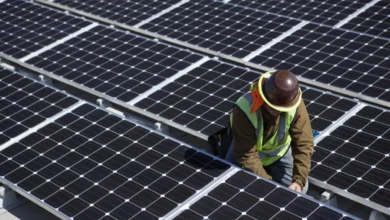
This approach offers a compelling alternative to the escalating costs and environmental concerns associated with natural gas power plants. While solar panels and batteries have historically seen their costs decrease over time, the price of building new natural gas facilities is moving in the opposite direction. The declining cost of renewable energy technologies, coupled with innovations in energy storage, presents a more sustainable and potentially more cost-effective long-term solution for powering the data-intensive future.
The cost of Levelized Cost of Electricity (LCOE) for solar PV combined with battery storage has been on a downward trajectory, making it increasingly competitive with traditional energy sources. This trend, supported by organizations like the International Energy Agency (IEA), suggests that a future powered by a diversified mix of renewables and advanced storage is not only feasible but also economically advantageous.
Broader Implications and Future Outlook
The current energy landscape for data centers is at a critical juncture. The rapid rise in the cost of building natural gas power plants presents a significant challenge to the rapid expansion of AI infrastructure. This trend could lead to several implications:
- Increased Costs for Consumers: As companies face higher energy infrastructure expenses, these costs are likely to be passed on to consumers through higher prices for cloud services, AI-powered applications, and other digital products.
- Renewed Focus on Energy Efficiency: The escalating costs may incentivize a greater emphasis on energy efficiency within data centers themselves, pushing for more optimized hardware and cooling systems.
- Accelerated Investment in Renewables and Storage: The economic and environmental pressures associated with natural gas could spur greater investment in renewable energy sources and long-duration energy storage technologies, potentially accelerating the transition to a cleaner energy grid.
- Geopolitical Considerations: Reliance on natural gas, even domestically sourced, can still be influenced by global energy market dynamics and can be subject to price volatility. Diversifying energy sources mitigates these risks.
- Public Perception and Regulatory Scrutiny: The public backlash against data centers, fueled by concerns over their environmental footprint and energy consumption, is likely to intensify. This could lead to increased regulatory scrutiny and stricter permitting processes for new facilities.
The commitment of major tech players to natural gas power plants, while understandable in the context of immediate energy needs, appears to be facing a harsh economic reality. The dramatic increase in construction costs and extended lead times for critical components suggest that this strategy may be less sustainable than initially anticipated. As the demand for computational power continues to soar, the industry will need to navigate a complex landscape of rising costs, environmental responsibilities, and the urgent need for innovative and scalable energy solutions. The path forward will likely involve a more robust integration of renewable energy sources and advanced storage technologies, alongside a continued push for greater energy efficiency. The choices made today will shape the energy infrastructure of the digital age for decades to come.
Related posts: