Physical AI Takes the Wheel: How the World’s Robotaxi Leaders Are Building With NVIDIA Technologies


As autonomous vehicle (AV) programs move beyond experimental pilot phases into high-density commercial deployment, the industry is shifting its focus from simple navigation to the complex challenge of fleet-wide scalability. Current projections suggest that by 2035, more than 6 million commercial vehicles will be operating globally without human drivers, traversing some of the most intricate urban environments in the world. Achieving this level of operation requires a radical departure from traditional automotive engineering, demanding a sophisticated, end-to-end computing architecture that can maintain safety and reliability across thousands of concurrent, driverless units.
The Computational Architecture of Autonomy
The transition from a prototype to a scalable fleet represents a significant hurdle in the development lifecycle of autonomous vehicles. The computational requirements span the entire process, from the initial ingestion and training of neural networks to the rigorous simulation of millions of edge cases and, finally, the low-latency, real-time decision-making required for in-vehicle safety.
Industry leaders are increasingly relying on a three-tiered "robotaxi technology stack" to manage this complexity. This architecture serves as the backbone for the modern autonomous industry, integrating high-performance computing (HPC) with advanced software-defined vehicle (SDV) capabilities. At its core, this approach utilizes specialized computers for model training, simulation and validation, and in-vehicle processing.
1. Training the Intelligent Engine: NVIDIA DGX Systems
The intelligence of a robotaxi is not static; it evolves through the continuous processing of massive, high-fidelity datasets. As fleets collect data from real-world road tests, developers feed this information into NVIDIA DGX systems to refine their driving models.
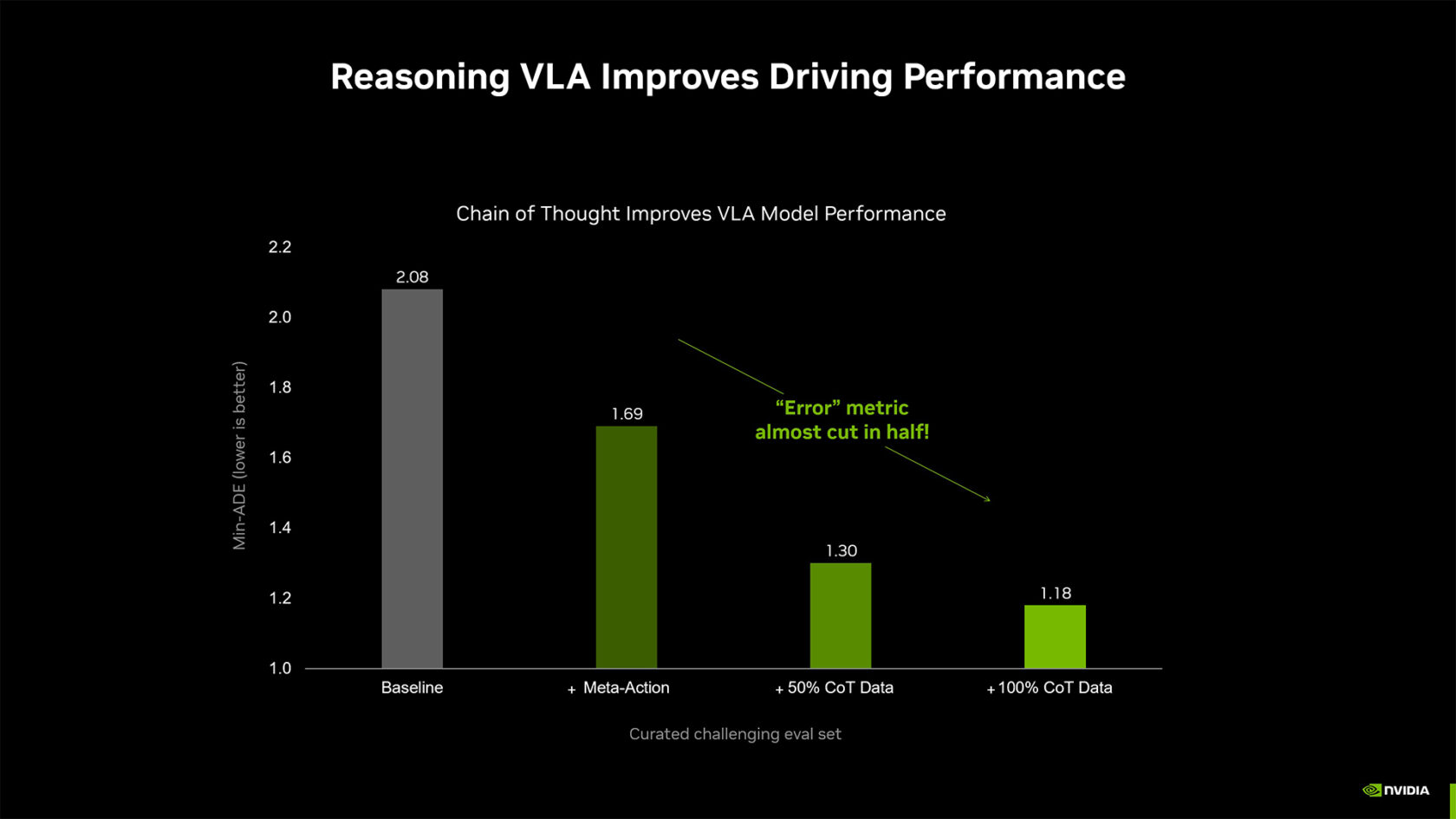
A critical advancement in this space is the emergence of Reasoning Vision Language Action (VLA) models, such as the NVIDIA Alpamayo portfolio. Unlike earlier iterations of autonomous software, which relied on brittle, rule-based systems, these modern models utilize "chain-of-thought" reasoning. By breaking down complex urban maneuvers—such as navigating a four-way stop with pedestrian congestion—into smaller, logical steps, these models can select the safest trajectory with far greater accuracy. Data indicates that implementing these meta-action and reasoning protocols can reduce trajectory prediction errors by up to 43%, effectively lowering the average deviation from a reference path from 2.08 to 1.18.
2. Simulation and Validation: Omniverse and the Era of Digital Twins
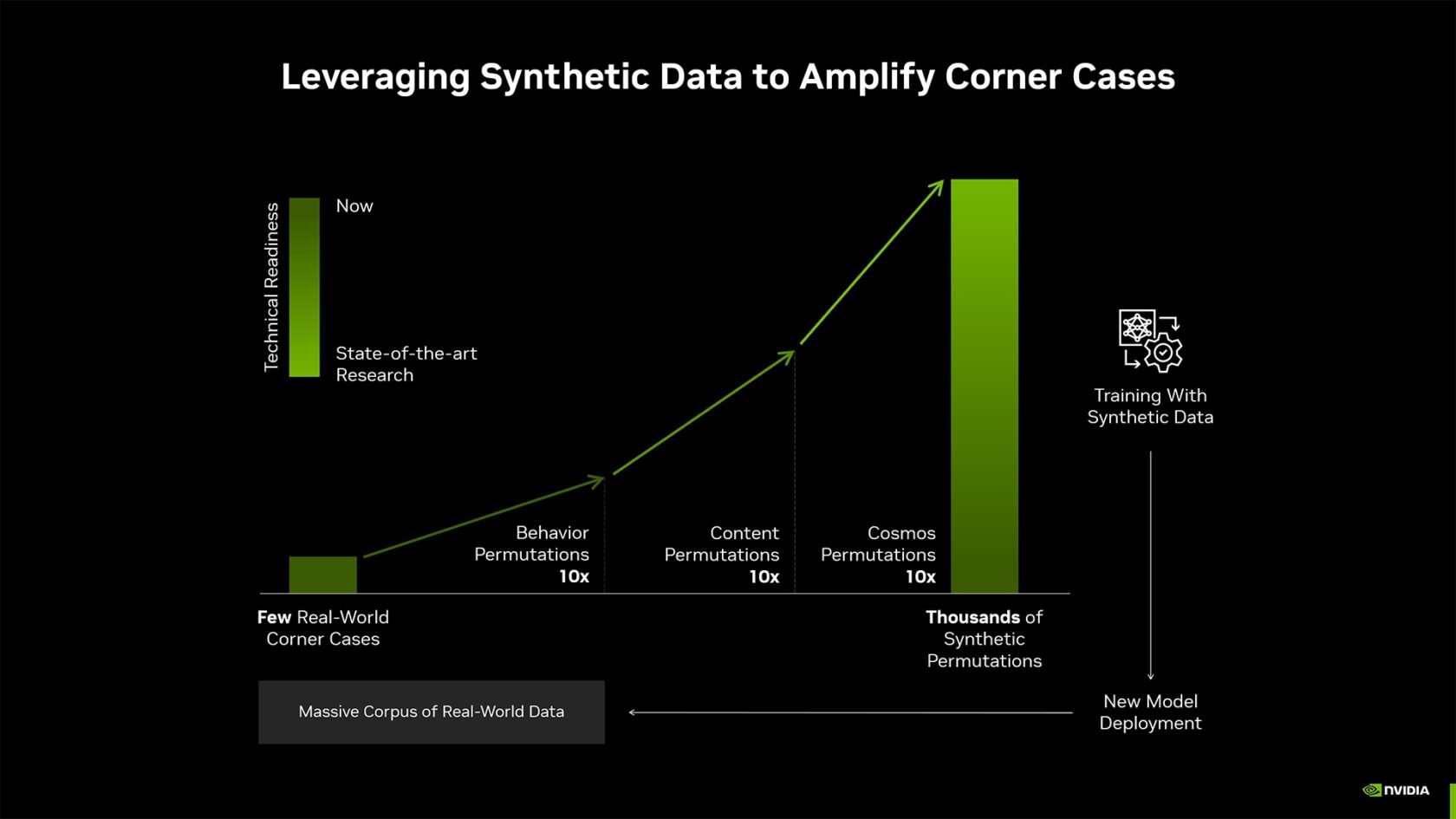
Physical miles driven on public roads are no longer sufficient to ensure the safety of a global fleet. To capture the "long-tail" of rare, high-risk driving scenarios—such as extreme weather, equipment failure, or erratic human behavior—developers are turning to synthetic simulation.
NVIDIA’s Omniverse platform, coupled with the Cosmos world foundation models, allows developers to reconstruct real-world sensor data into a digital twin environment. Through this process, a single real-world "corner case" can be extrapolated into millions of variations. By adjusting traffic patterns, lighting conditions, and sensor inputs in a virtual environment, engineers can identify software weaknesses long before they are deployed to a physical vehicle. These simulations are conducted on RTX PRO servers, which provide the high-performance graphics and compute power necessary to run closed-loop validation workflows.
3. In-Vehicle Intelligence: DRIVE Hyperion and Blackwell
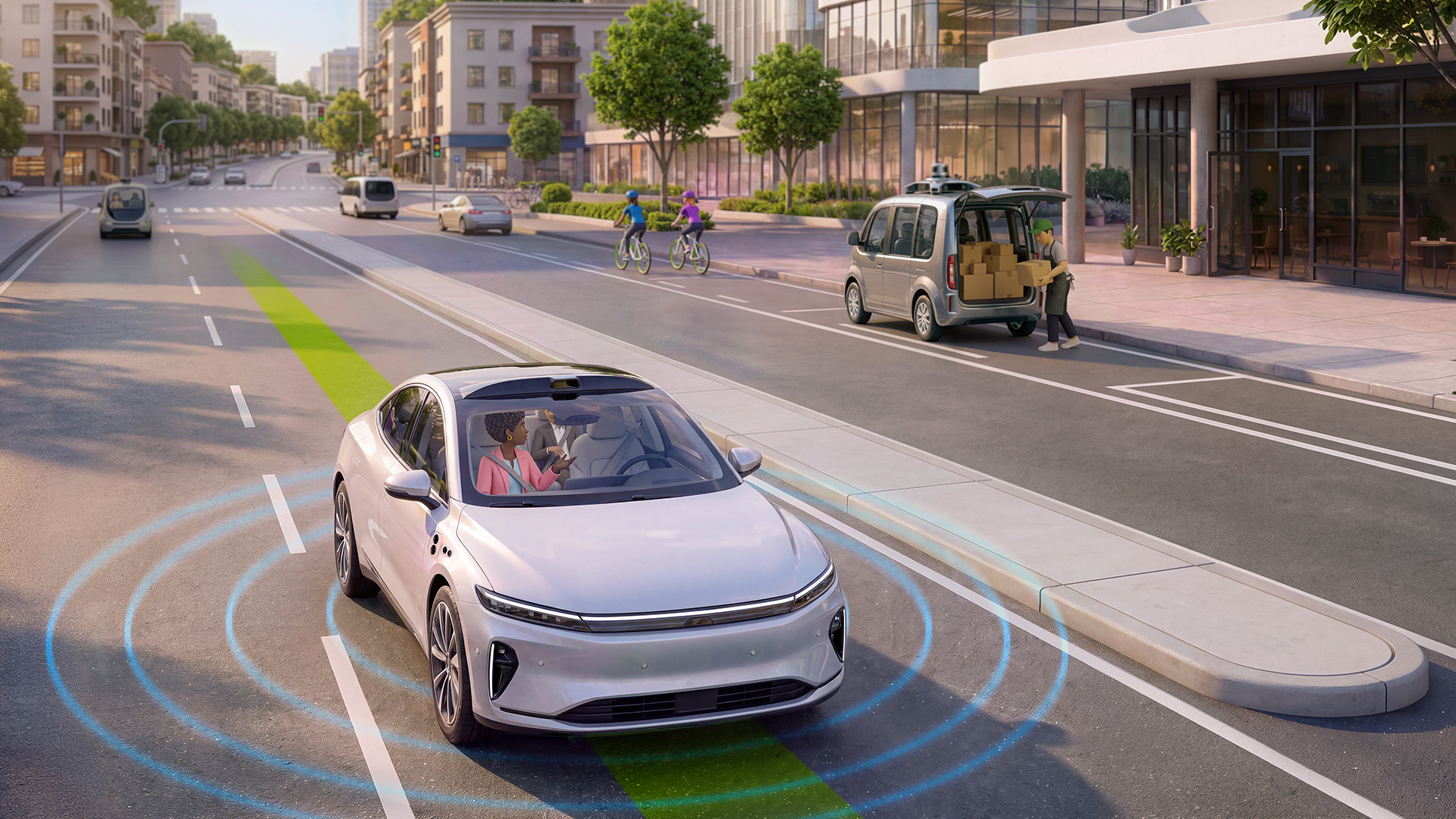
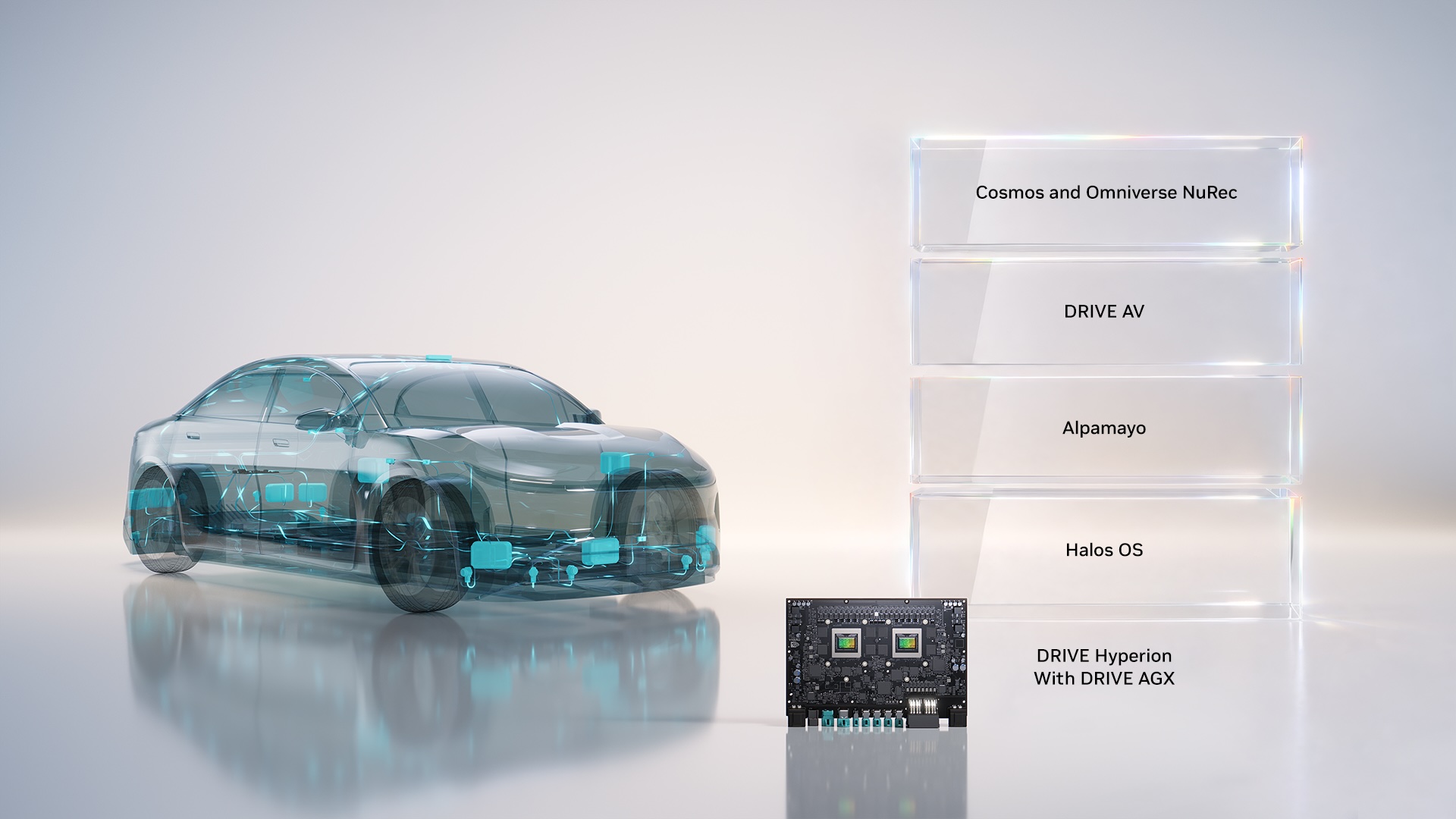
The final, and perhaps most critical, component is the in-vehicle compute architecture. The NVIDIA DRIVE Hyperion platform serves as the hardware-software reference architecture for Level 4-ready vehicles. The current iteration, DRIVE Hyperion 10, is designed for high-availability operations, utilizing dual NVIDIA DRIVE AGX Thor systems-on-a-chip.
Built upon the Blackwell architecture, these chips are engineered to handle the massive input from a full sensor suite, which typically includes 14 high-definition cameras, nine radars, three lidars, and 12 ultrasonic sensors. This redundant architecture ensures "fail-operational" capability, meaning the vehicle can safely pull over and stop even if a primary compute or sensor node experiences a failure. This is a non-negotiable requirement for regulators overseeing the transition to driverless transportation.
A Chronology of Commercial Scaling
The trajectory of the robotaxi market can be viewed in three distinct phases:
- 2015–2020: The Pilot Era. Early efforts focused on proof-of-concept testing in limited geographic areas, such as Phoenix and parts of California. These programs relied heavily on human safety drivers and custom, non-modular hardware.
- 2021–2024: The Data-Driven Transition. The industry pivoted toward massive data collection, with companies realizing that "perception" was only the first step. The focus shifted to "reasoning" and simulation as the primary drivers of safety validation.
- 2025–Present: The Scalability Pivot. We are currently in the era of standardization. Major robotaxi programs in Asia, Europe, the Middle East, and North America are moving toward unified, modular technology stacks. This enables faster software updates across global fleets, allowing a fix validated in one city to be deployed to the entire global fleet overnight.
Safety and Regulatory Frameworks
As robotaxis enter mass production, the burden of safety validation has grown significantly. To address this, frameworks like NVIDIA Halos have been introduced to provide a production-ready safety foundation. This includes the Halos OS and a comprehensive certification framework that supports independent inspection and continuous, automated testing.
Industry observers note that the collaboration between hardware manufacturers and software developers is creating a "virtuous cycle." Because every major commercial robotaxi program is now running on a modular, accelerated computing stack, the entire industry benefits from shared improvements in VLA models and simulation accuracy. This ecosystem approach is expected to compress the timeline for full commercialization, allowing for the deployment of thousands of vehicles in shorter intervals than was previously possible.
Implications for the Future of Mobility
The implications of a $400 billion market are profound. Beyond the economic value, the shift toward a centralized, AI-driven transport model is likely to reshape urban planning and personal vehicle ownership. By decoupling vehicle ownership from mobility, cities may see a decrease in parking demand and a change in traffic density.
However, the transition is not without challenges. Critics and urban planners point to the high energy consumption of the required compute infrastructure, as well as the need for robust cybersecurity measures to protect a fleet that is essentially a mobile data center. Furthermore, the standardization of the tech stack implies a concentration of power among a few key technology providers, which could lead to calls for greater transparency and open-source standards in autonomous safety protocols.
Conclusion: From Cloud to Car
The development of a modern robotaxi is no longer just an automotive project; it is an exercise in large-scale AI integration. From the massive data-center-level training of neural networks on DGX systems to the real-time inference occurring on the vehicle’s Blackwell-based architecture, the technology stack is becoming a closed, continuous loop.
As the technology continues to mature, the focus will likely shift from achieving "autonomy" to "operational excellence"—optimizing fleet availability, energy efficiency, and passenger experience. With millions of vehicles expected to be on the road by 2035, the foundation built today by this integrated hardware and software approach will likely define the future of global transit for decades to come. Through the combination of simulation, high-performance training, and redundant in-vehicle compute, the industry is systematically solving the hardest problems of the 21st century: how to move millions of people safely and efficiently through the world’s most complex environments.