Mall of America Introduces AI-Powered Digital Concierge Mallie to Enhance the In-Person Shopping Experience

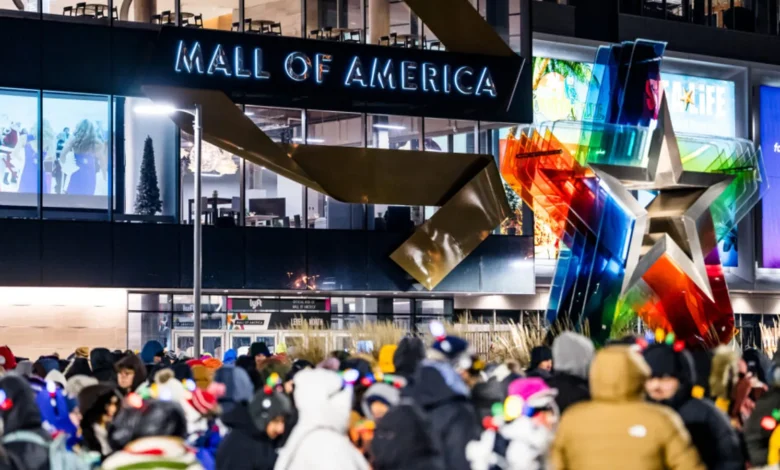
The retail landscape is experiencing a profound paradigm shift as artificial intelligence transitions from online e-commerce algorithms to the physical corridors of brick-and-mortar storefronts. Nowhere is this transformation more apparent than at the Mall of America, North America’s largest shopping and entertainment complex. Located in Bloomington, Minnesota, the colossal 5.6-million-square-foot destination has officially unveiled an advanced, AI-powered digital concierge named Mallie. Designed to assist visitors with everything from real-time navigation and itinerary planning to hyper-personalized recommendations, Mallie represents a significant leap forward in how massive commercial spaces interact with the modern consumer.
The launch of the digital assistant comes at a critical juncture for the retail industry. While digital shopping and automated tools have altered consumer expectations, recent proprietary research conducted by the Mall of America indicates that the physical store remains an irreplaceable component of the consumer journey. Despite the proliferation of generative artificial intelligence for online gift curation and product comparison, consumer behavior points heavily toward a hybrid model of commerce. Data from the mall’s survey reveal that an overwhelming 68% of consumers plan to utilize a combination of digital channels and in-person visits for their shopping needs. Rather than cannibalizing physical foot traffic, emerging technologies are increasingly being deployed to complement and enrich the physical retail environment, bridging the digital-physical divide in unprecedented ways.
Understanding the Mechanics and Capabilities of Mallie
Mallie has been engineered to serve as an intuitive, multi-lingual companion for the millions of domestic and international visitors who walk through the doors of the Minnesota megamall each year. One of the most notable technical features of the digital concierge is its robust natural language processing capability, which allows it to detect and respond fluently in over 60 languages. This linguistic versatility is essential for a destination that routinely attracts tourists from every corner of the globe.
Operating both remotely and on-site, Mallie is designed to alleviate the common friction points associated with navigating a massive commercial property. Visitors planning their excursions from home can use the digital assistant to map out store itineraries, check for specific product availability, and discover dining or entertainment options tailored to their unique preferences. Once guests arrive at the complex, the assistant transitions into an active on-ground navigator, providing real-time updates and localized guidance.
Jill Renslow, chief business development and marketing officer at the Mall of America, emphasized the strategic importance of the rollout in a formal statement. According to Renslow, Mallie successfully consolidates the essential information and creative inspiration that guests require, regardless of whether they are laying the groundwork for a trip from their living rooms or actively exploring the sprawling property. By fusing technological utility with customer service, the mall aims to foster a frictionless, highly individualized environment that keeps physical retail competitive in a digitally dominant era.
The Broader Retail Trend: AI Integration in Physical Stores
The deployment of Mallie is not an isolated experiment; it reflects a broader industry-wide movement among major retailers and property operators seeking to weaponize artificial intelligence for physical retail enhancement. As consumer expectations for personalized service skyrocket, commercial real estate developers and big-box giants are aggressively investing in proprietary AI tools to streamline the customer journey.
Sister location American Dream, another massive entertainment and retail complex owned and operated by the Triple Five Group, has similarly adopted advanced digital planning assistants. Visitors to American Dream can utilize an integrated AI trip planner designed to help them navigate the complex’s sprawling footprint, which features distinct amusement parks, water parks, and high-end retail wings.
Meanwhile, traditional retail heavyweights are deploying similar strategies on the sales floor. Walmart has introduced its proprietary AI assistant, known as Sparky, which incorporates advanced wayfinding capabilities. Among Sparky’s most notable features is the "Shop to Light" tool, designed to guide shoppers precisely to the physical shelf locations of desired items within cavernous supercenters. Similarly, home improvement giant The Home Depot expanded the operational scope of its internal AI agent, Magic Apron, to provide localized, store-specific inventory and layout knowledge, helping customers and floor associates alike locate hard-to-find hardware components quickly.
Looking back at the trajectory of retail tech innovation, mall operator Simon Property Group initiated similar holiday-focused trials as early as 2023. Simon introduced a "HolidAI Gift Finder" tool across select properties to assist consumers in narrowing down complex gift options, proving that the intersection of artificial intelligence and physical retail has been a strategic focus for years. However, tools like Mallie represent a maturation of these concepts, moving away from novelty holiday gimmicks toward permanent, highly capable digital concierges.
Diversifying the Attraction Beyond Technology
While artificial intelligence and digital integration provide a compelling layer of convenience, executives at the Mall of America recognize that technology alone cannot drive foot traffic. A robust tenant mix and unique experiential offerings remain the foundational pillars of destination retail. To reinforce its status as a premier global shopping destination, the complex has engaged in an aggressive leasing strategy, welcoming a swath of high-profile new tenants over the past year.

Among the most significant additions are high-profile retail brands making their debut in the Minnesota market. These include global fast-fashion powerhouse Primark, contemporary Spanish apparel brand Mango, specialized piercing and jewelry studio Studs, and a groundbreaking concept store from athleticwear giant Adidas. Notably, the Adidas footprint at the Mall of America represents the brand’s very first full-price brand concept store of its kind, offering immersive experiences that cannot be replicated in a standard online web browser.
By pairing high-stakes experiential leasing with cutting-edge digital infrastructure, the mall is attempting to bulletproof its business model against the ongoing fluctuations of the macroeconomic climate and the steady migration of routine shopping to e-commerce platforms.
Fact-Based Analysis of Implications and Future Outlook
The introduction of Mallie and similar retail-tech integrations signals a permanent evolution in how physical spaces must operate to capture consumer spending. As artificial intelligence becomes table stakes for consumer interaction, commercial real estate operators are tasked with proving the tangible value of these investments.
From an economic perspective, digital assistants like Mallie offer distinct advantages. For one, they reduce the operational burden on human guest services personnel, allowing frontline staff to focus on complex, high-touch customer service inquiries rather than repetitive logistical questions like restroom locations or store directions. Furthermore, by capturing detailed interaction data, property managers gain invaluable insights into consumer demand patterns, traffic flow bottlenecks, and emerging shopping trends in real time. This data loop enables mall operators to optimize leasing strategies, coordinate targeted promotional campaigns with tenants, and dynamically adjust facility operations to match consumer flow.
However, challenges remain. The successful deployment of complex AI tools in public physical spaces relies heavily on user adoption rates across diverse demographics. While younger, tech-savvy demographics readily engage with digital concierges, ensuring accessibility for older or less digitally literate shoppers requires intuitive interface design and the maintenance of traditional, human-led support systems. The Mall of America’s emphasis on a hybrid approach—retaining traditional guest services desks while bolstering digital capabilities—suggests a balanced strategy aimed at avoiding the alienation of any consumer segment.
As the retail sector prepares for future holiday shopping cycles and beyond, the success of Mallie will likely serve as a crucial benchmark for the industry. If the digital concierge succeeds in increasing dwell time, boosting per-visit spending, and enhancing overall guest satisfaction, it will undoubtedly accelerate the adoption of conversational AI across the entire spectrum of brick-and-mortar retail and commercial real estate. For now, Mall of America stands at the vanguard of this technological evolution, proving that the future of physical shopping lies not in resisting digital innovation, but in seamlessly integrating it into the physical world.