Tractor Repair in the Digital Age: John Deere’s Self-Repair Initiative Faces Skepticism from the Farming Community

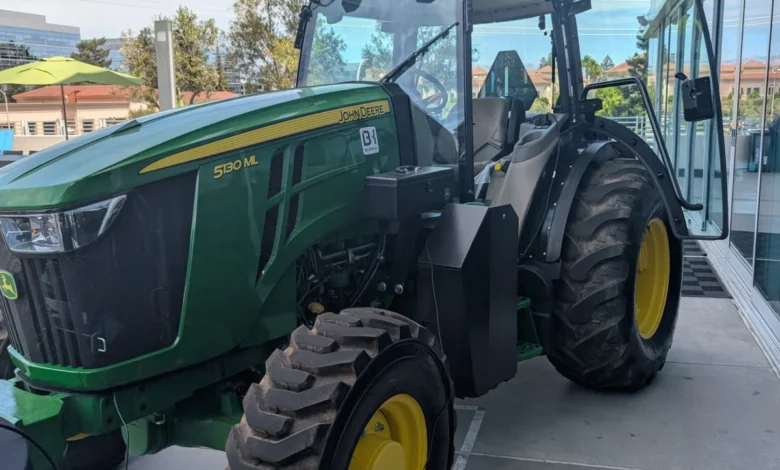
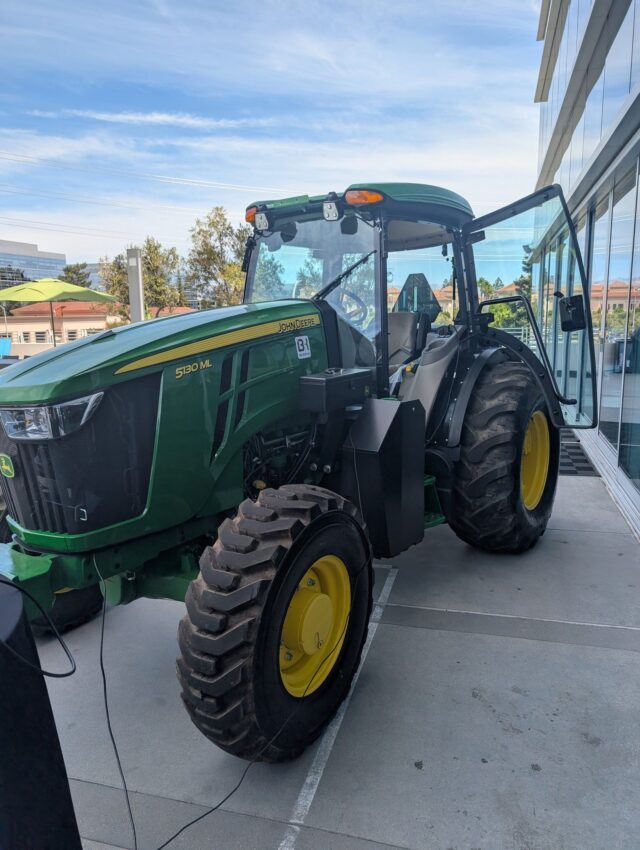
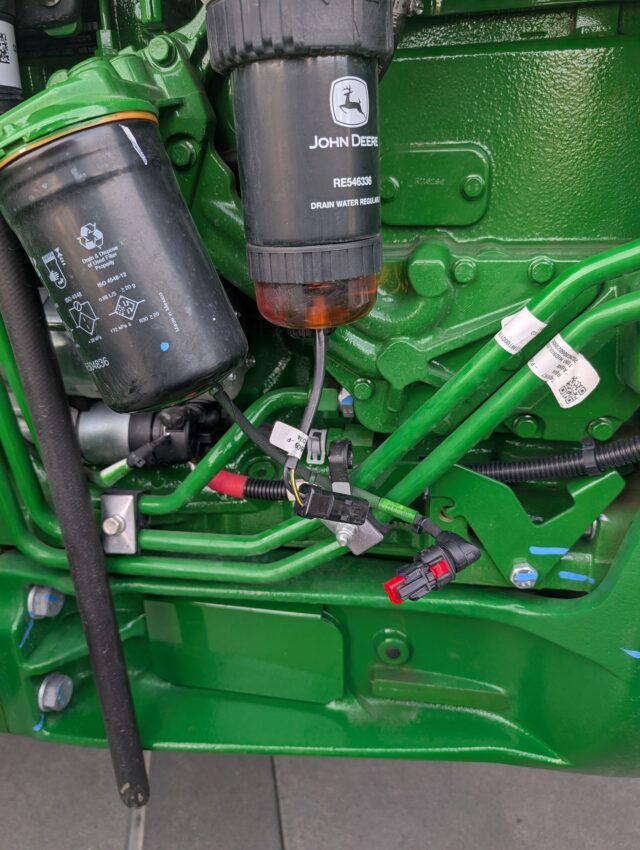
In the heart of Santa Clara, California, a quiet experiment is taking place within the corporate headquarters of John Deere. A laptop, tethered by a cable to a 5130ML tractor, displays a bright red notification—a warning that a water-in-fuel sensor is disconnected. For an uninitiated observer, the task of troubleshooting a heavy-duty agricultural machine might seem daunting, yet the software provides a clear, guided path. By following the prompts and visually identifying the errant wires, the repair is completed in minutes. This demonstration, orchestrated by the manufacturer, is intended to showcase the company’s "Operations Center Pro Service," a digital platform designed to bring self-repair capabilities to the owners of its high-tech fleet. However, while the interface is sleek and the process is simplified, a significant chasm remains between the company’s vision of accessibility and the reality experienced by farmers across the United States.
The Evolution of Agricultural Machinery
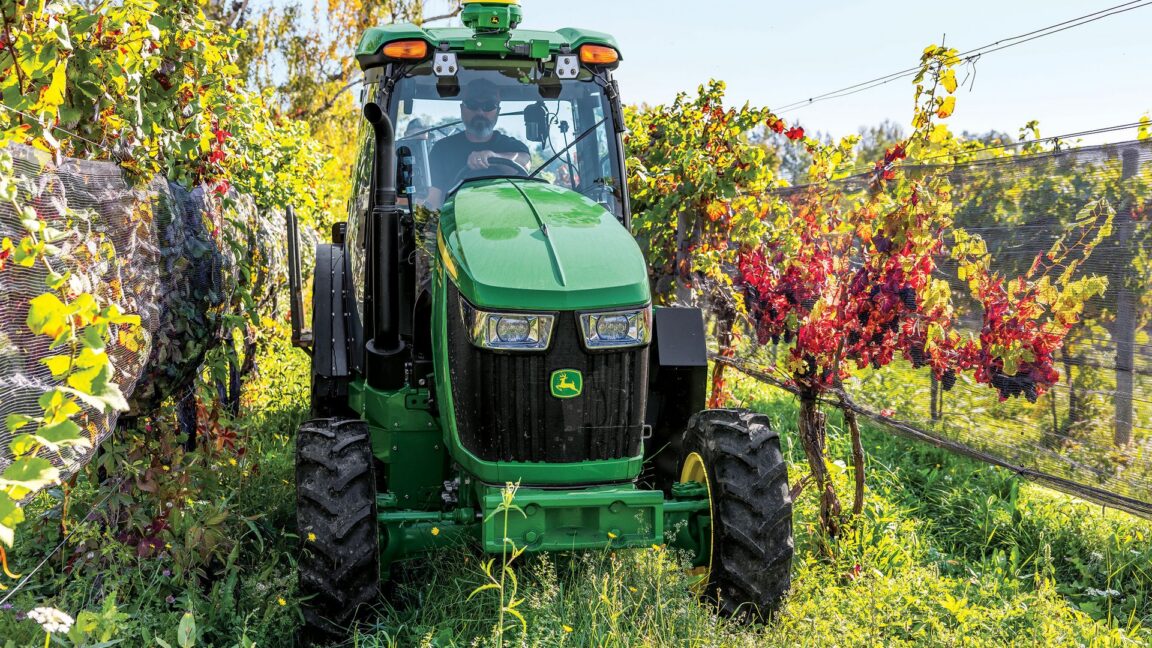
Modern farming has undergone a radical transformation over the last two decades. Once defined by mechanical simplicity and hydraulic reliability, the modern tractor is now a rolling computer, laden with dozens of electronic controllers, integrated GPS, and constant 4G connectivity. These advancements allow for precision agriculture, autonomous operations, and real-time data harvesting, which can optimize yields and reduce input costs. Yet, this technological leap has brought a new challenge: the "digital lock." As machinery has become more software-dependent, the ability to diagnose and repair faults has shifted from the farmer’s workshop to the manufacturer’s diagnostic suite. This transition has fueled the right-to-repair movement, transforming agricultural equipment from simple tools into contested digital ecosystems.
A Timeline of Contention
The friction between John Deere and its customers is not a recent development. For years, independent repair advocates have argued that the company intentionally restricted access to diagnostic software to funnel maintenance work toward its proprietary dealer network.
- 2015–2018: Early rumblings of the right-to-repair movement gain traction, with farmers increasingly vocal about the inability to clear diagnostic codes without visiting an authorized dealer.
- 2022: A wave of class-action lawsuits is filed against John Deere, alleging monopolistic practices that artificially inflated the cost of equipment repairs.
- 2023: The company reaches a $99 million settlement to resolve claims regarding repair costs, though it stops short of admitting wrongdoing.
- 2024: The Federal Trade Commission (FTC) formalizes a settlement with the company, mandating greater access to repair tools and information for owners.
- 2025: John Deere launches its comprehensive "Pro Service" suite, a direct attempt to provide the tools promised by legal settlements and regulatory pressure.
The Economics of Pro Service
John Deere’s current offering, the Pro Service, is a subscription-based model. Access to these diagnostic tools starts at $195 per machine annually. For larger operations or independent workshops that require a broader fleet overview, the costs scale significantly, reaching $4,995 for comprehensive access and nearly $6,000 for specialized agricultural and turf service tiers.
Jahmy Hindman, the company’s chief technology officer, emphasizes that the platform is intended to be owner-friendly, noting that as tractors grow in size and capability, they often incorporate as many as 50 separate controllers. "It is owner-friendly," Hindman stated during the demonstration. "I think that has always been our intent."
Despite this, the adoption rate remains modest. Data from the company indicates approximately 1,000 daily users. Given that the United States is home to roughly 1.8 million farms, the penetration rate of this official software remains remarkably low. This suggests that while the tool is technically functional, it has yet to capture the trust or the habitual workflow of the agricultural sector.
The Farmer’s Perspective
For farmers like Jared Wilson, who manages 3,000 acres of corn and soybeans in Missouri, the official tools often fall short of the practical realities found in the field. Wilson, a plaintiff in the recent class-action litigation, argues that the official software is optimized for simple, single-point failures but fails when faced with the complex, cascading diagnostic codes common in aging or heavily used machines.
"If you have three or four different diagnostic codes, where do you start in the tree to figure out what is wrong?" Wilson asks. He notes that many farmers have turned to gray-market solutions—cracked or illicitly obtained versions of dealer software—that provide deeper, more granular access to the machine’s systems than the official consumer-facing portal. For many, the mistrust is systemic. There is a prevailing fear that the software provided to the public is a "sanitized" version of the diagnostic tools used by dealership technicians, lacking the depth necessary for comprehensive field repair.
Analytical Implications: Data as a Service
The tension highlights a fundamental disagreement over who owns the machine’s data and functionality. While John Deere maintains that owners are in full control—permitting them to share data with third parties or keep it private—the infrastructure of the machine remains deeply tethered to the company’s proprietary systems.
The introduction of "Product Improvement Plans" (PIPs) further complicates this. These plans serve as a mechanism for the company to push updates or fixes for identified bugs. However, the lag time between a farmer identifying a novel issue and the company validating it and pushing a PIP can be detrimental during the high-pressure harvest season. Critics argue that this latency effectively keeps farmers beholden to the manufacturer’s timeline.
A Broader Movement
The dispute involving John Deere is widely viewed by advocates as the vanguard of a much larger struggle concerning property rights in the 21st century. As household appliances, automobiles, and medical devices become increasingly "smart," the debate over whether an owner has the right to modify or repair their own property—without the permission of the manufacturer—becomes more urgent.

Willie Cade, a board member of Repair.org, characterizes the manufacturer’s position as a classic monopolist’s stance, arguing that the true customer of these corporations is often Wall Street rather than the end-user. "They’re just monopolists that want to make money and as much as they possibly can," Cade asserts.
Conclusion and Future Outlook
As the legal settlements finalized by the FTC and civil courts take root, the industry finds itself in a state of transition. John Deere is attempting to rebrand its relationship with the farming community by providing the tools requested by advocates. Whether this effort will bridge the gap between corporate compliance and user trust remains to be seen.
For the company, the challenge is to prove that its "Pro Service" is more than a legal safeguard and actually a functional tool for the modern farmer. For the farmers, the challenge is to navigate a future where their equipment is as much a digital service as it is a mechanical asset. The outcome of this struggle will likely set the precedent for repairability across all sectors of the modern economy, proving that the right to repair is not merely about turning a wrench, but about reclaiming autonomy in an era of proprietary digital ecosystems. As both parties continue to adjust to this new landscape, the fields of America remain the primary testing ground for the future of ownership.