The Financial Cost of Fitness: How Gen Z College Students Are Sacrificing Nutrition for Survival Amid Rising Inflation


For millions of Generation Z college students navigating higher education today, the pursuit of health and wellness has become a high-stakes balancing act. On one hand, this digitally native demographic is immersed in a wellness culture that heavily promotes "protein-maxxing," rigorous gym routines, and specialized diets. Social media feeds are saturated with fitness influencers advocating for high-protein meal preps, such as the viral "boy kibble" trend—a minimalist mix of ground beef and rice designed for muscle building. On the other hand, a compounding economic squeeze is forcing these same students to compromise their nutritional goals just to afford basic living expenses.
Recent data reveals a stark disconnect between how Gen Z wants to eat and what they can actually afford. According to a comprehensive survey of 1,000 college students aged 18 to 25, commissioned by the snack brand Nature’s Garden and conducted by Wired Research, an overwhelming 85% of respondents expressed a strong desire to eat healthier. Furthermore, 58% indicated that if financial constraints were entirely removed, healthier groceries would be their number one spending priority. Yet, economic reality consistently prevails over dietary aspirations. Plagued by rising tuition, skyrocketing rents, and persistent inflation, an alarming nine in 10 students who have completed at least one year of college report cutting back on food purchases or skipping meals entirely to cover essential bills.
This crisis highlights a broader systemic issue within the modern food economy: eating healthfully is increasingly becoming a luxury. As Gen Z tries to bridge the gap between fitness culture and tight budgets, financial experts warn that the long-term physical and psychological tolls of this dietary compromise could resonate for decades.
The Economic Realities of the Modern Grocery Aisle
The financial barriers restricting Gen Z from accessing nutritious foods are well-documented by recent economic and nutritional studies. Food prices have remained stubbornly high following years of post-pandemic inflation. According to data from the U.S. Bureau of Labor Statistics, grocery prices climbed another 2.2% over a recent 12-month period, compounding years of cumulative price hikes that have transformed routine grocery shopping into a major financial stressor.
For college students living away from home, these costs add up at an astonishing rate. The Nature’s Garden survey revealed that college sophomores and upperclassmen spend an average of $136.10 per week on food and snacks outside of any campus meal plans they might already possess. Over the course of a standard 15-week academic semester, this ancillary food spending surpasses $2,000—a burdensome figure for students already drowning in educational debt.
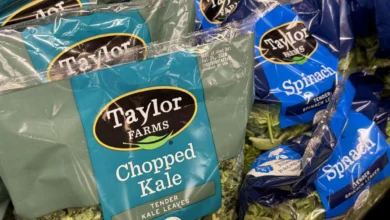
When forced to stretch limited funds, students inevitably alter their purchasing habits. Nearly all respondents in the Nature’s Garden survey confirmed changes to their shopping routines, with 47% reporting more frequent price comparisons and 46% switching to cheaper, generic brands. Most concerningly, more than a quarter of students (27%) have explicitly reduced their purchases of fresh produce, lean proteins, and other nutrient-dense foods.
The "Poverty Premium" on Nutrition
The students’ intuition that healthy food is more expensive is heavily supported by empirical research. A joint study released in March by Harvard Law School’s Food Law and Policy Clinic and the food-rating application Yuka analyzed the price and nutritional composition of 805 packaged foods, ranging from breakfast cereals and breads to pizzas and snack bars.
The researchers discovered a glaring disparity: items categorized as healthier—specifically those containing lower amounts of sugar and fewer chemical additives linked to serious health conditions like type 2 diabetes, cancer, and chronic inflammation—consistently carried a higher price tag. For instance, loaves of bread free from artificial additives cost an average of 28% more than their additive-laden counterparts. The price gap was even wider in the cereal aisle, where healthier options without additives were found to be 65% more expensive than the cheapest alternatives.
This phenomenon, often described by economists as a "poverty premium," forces lower-income consumers—including cash-strapped college students—to rely on heavily processed, nutrient-poor foods simply because they are the only financially viable options.
"They want to make healthier choices, but those choices are colliding with the realities of college life, especially tighter budgets and schedules," explains Danielle Sherman, CEO of Wired Research.
Shifting Diets and the Rise of Meal-Skipping
The continuous financial squeeze has fundamentally altered how Gen Z eats during the academic year. Traditional routines of three square meals a day have become a luxury of the past for the majority of students. According to the survey data, only 24% of Gen Z college students regularly consume three meals a day while school is in session.
Instead, erratic schedules compounded by financial stress have normalized irregular eating patterns. More than half of the surveyed students report frequently or occasionally replacing traditional sit-down meals with cheap, convenient snacks. While snacking culture aligns with fast-paced campus life, it is primarily a coping mechanism driven by tight financial margins.
This adaptive behavior is not entirely new for this generation. In recent years, as inflation gripped the broader economy, Gen Z quickly pivoted toward home-cooking and cut back on dining out to preserve their purchasing power. However, as grocery inflation continues to outpace overall wage growth for entry-level workers and student jobs, even home-cooking healthy meals has become cost-prohibitive.
Psychological Toll and Long-Term Implications
The inability to maintain a nutritious diet while in college extends far beyond physical health; it carries a distinct emotional and psychological burden. Students surveyed by Nature’s Garden expressed widespread frustration regarding the inflated cost of wholesome foods. Many reported feelings of guilt when forced to prioritize the cheapest items on supermarket shelves over options that would better nourish their bodies.
Experts warn that chronic financial stress during formative young adult years can leave lasting marks. "Gen Z will be left with psychological scars from persistent inflation due to increased uncertainty and anxiety," Dr. Dayo Abinusawa, founder of London’s Awa Business School, noted in previous analyses on inflation’s impact on youth behavior.
The convergence of high tuition rates, costly housing markets, and an expensive food supply chain creates a precarious environment for college students. When the basic human need for adequate, nutritious food is compromised by economic pressures, the consequences impact academic performance, mental well-being, and long-term health outcomes.
Looking Ahead: Can the Trend Be Reversed?
As advocacy groups, public health researchers, and policymakers continue to examine the systemic inequities within the food supply chain, finding solutions remains an urgent priority. While student food pantries and campus-based assistance programs have expanded significantly in recent years, they often struggle to meet the sheer volume of demand driven by broad macroeconomic factors.
For now, Gen Z college students will likely continue to walk the tightrope between fitness aspirations and financial survival. Whether through resourceful meal-prepping, leaning into affordable staples, or advocating for structural changes in food pricing, this generation is demonstrating remarkable resilience. However, until the cost of healthy eating aligns with economic reality, the dream of comprehensive wellness will remain out of reach for millions of students striving to build a future while running on empty.