Through Her Lens 11th Annual Chanel and Tribeca Enterprises Luncheon Highlights the Imperative of Female Filmmaker Support Amid Industry Consolidation

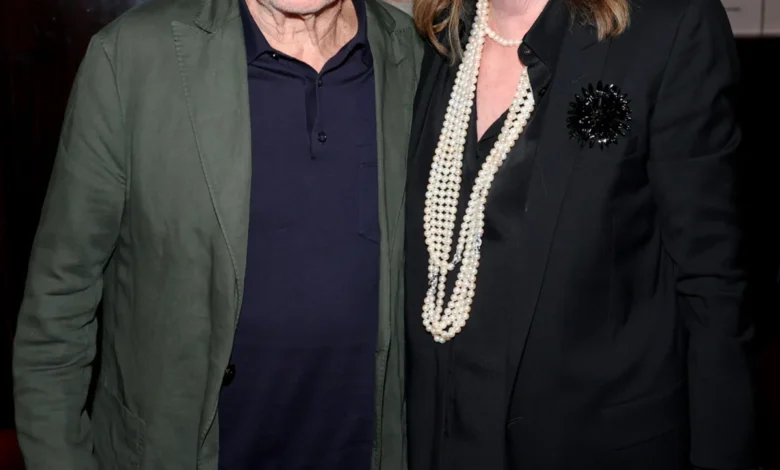
The 11th annual Through Her Lens luncheon, a cornerstone event for emerging nonbinary and female filmmakers, convened this past Tuesday at Locanda Verde in New York City. Co-hosted by Chanel and Tribeca Enterprises, the event served as a high-level networking and mentorship hub, bringing together a roster of industry luminaries including Halle Berry, Regina King, Celine Song, Aleshea Harris, Gina Prince-Bythewood, Patty Jenkins, and H.E.R. The luncheon is more than a social gathering; it is the focal point of a multi-day workshop designed to provide tangible career advancement, financial resources, and critical industry connections to a new generation of directorial talent.
The Evolution of the Through Her Lens Initiative
Founded by Jane Rosenthal and the late producer Paula Weinstein, the Through Her Lens program was established to address the systemic barriers that have historically precluded women and nonbinary creators from the upper echelons of film production. Over the past decade, the initiative has grown from a modest industry outreach effort into a robust pipeline that has launched the careers of notable filmmakers such as A.V. Rockwell, the director behind the critically acclaimed A Thousand and One, and Nikyatu Jusu, the creative force behind Nanny.
The structure of the program involves an intimate mentorship model. Participants are paired with established heavy hitters who offer "actionable guidance"—a departure from the purely performative support often criticized in corporate-sponsored diversity initiatives. This year’s jury includes high-profile figures such as Ryan, Berry, and King, alongside industry experts Autumn Durald Arkapaw and Ella Rubin. The mentorship roster features acclaimed names like Prince-Bythewood and Celine Song, who are tasked with guiding the next cohort through the complexities of development, financing, and production.
A Shifting Industry Landscape: Mergers and Market Realities
The luncheon occurred during a pivotal week for the entertainment industry. Just 24 hours prior, the long-anticipated merger between Warner Bros. Discovery and Paramount cleared significant antitrust hurdles, signaling a new era of consolidation. For independent filmmakers, these shifts are rarely neutral. History suggests that when major studios consolidate, the appetite for mid-budget, auteur-driven, or experimental projects often diminishes in favor of franchise-led IP.

Industry analysts note that 2024 has been a year of extreme volatility at the box office. While certain low-budget films have found success, data from the Geena Davis Institute on Gender in Media and other research bodies suggests a troubling "recession" in hiring parity. Recent studies confirm that despite increased public discourse on equity, the percentage of women and nonbinary directors hired for major streaming and theatrical projects has stagnated, or in some sectors, declined. This juxtaposition—the celebration of female talent at the Chanel-sponsored luncheon versus the tightening of studio purse strings—underscores the urgency of the event’s mission.
Power, Policy, and the Need for Independent Infrastructure
Jane Rosenthal, during her address to the attendees, provided a historical account of the necessity of such programs. She recounted her early career experience attempting to greenlight The Burning Bed, a project that explored the harsh realities of domestic violence. Her male superiors at the time were dismissive, viewing the subject matter as niche or unmarketable. Rosenthal’s success in bypassing these gatekeepers to get the film produced served as a foundational lesson in the necessity of representation at the executive level.
"It matters who is in the room. It matters even more who has the power in the room and who is willing to use that power to say yes," Rosenthal remarked. She further challenged the industry’s long-standing reliance on the "seat at the table" metaphor. "For years we’ve talked about giving women a seat at the table. I don’t think a seat is enough anymore. We need our own tables."
This sentiment was echoed by attendees like Emmy Rossum, who has leveraged her production company, Composition 8, to ensure that stories about contemporary womanhood are prioritized. Rossum emphasized that the current industry climate requires a "scrappy" approach to filmmaking. "We are the majority of the population, so I do not understand why we are not reflected as such in the art that we are creating," Rossum stated.
The Role of Festivals and Mentorship in Career Longevity
The discussion also touched upon the changing nature of the film festival as an entity. As streaming platforms and legacy studios grapple with the rise of the "creator economy"—often associated with short-form content and digital-native creators—festivals like Tribeca have pivoted to become scouts for new, non-traditional talent.

Riley Keough, who has actively engaged in mentorship through the In Process series, noted that the current economic pressure on studios makes the role of ground-level mentorship even more critical. "When people are saying we need more female filmmakers, that’s how you have to do it. You have to start from the ground up," Keough said. Her perspective aligns with the broader industry consensus that structural change is a slow process that requires sustained, long-term investment in individual creators rather than occasional promotional initiatives.
Challenges: AI and the Future of Artistic Labor
A recurring theme throughout the day’s conversations was the encroaching influence of Artificial Intelligence. Regina King, reflecting on her role as a juror, noted the existential anxiety pervasive among creative professionals. While AI can streamline certain logistical aspects of production, King expressed concern regarding the replacement of human artistry. "It’s terrifying, so I am right now trying to keep my energy high and expectations low," King told reporters.
The tension between technological efficiency and the human element of storytelling is expected to define the next decade of film production. As studios look to cut costs through automation, the Through Her Lens program aims to act as a buffer, ensuring that the human, lived experience of women and nonbinary directors remains at the center of the cinematic canon.
Analyzing the Impact: Beyond the Luncheon
The Through Her Lens luncheon functions as a microcosm of a broader movement within Hollywood. The impact of such events is measured by the subsequent career trajectories of the fellows. By facilitating connections between financiers, distributors, and directors, the program seeks to eliminate the "hiring problem" that Rossum identified.
According to labor statistics regarding the entertainment industry, the primary barrier for first-time feature directors is not a lack of vision or talent, but a lack of access to the financial risk-takers—the individuals who hold the checkbooks. By integrating creators with mentors who have already successfully navigated the studio system, the program effectively creates a bridge over the "valley of death" that often claims promising independent projects.

The current economic indicators, including the aforementioned studio mergers and the contraction of production slates, suggest that the coming years will be highly competitive. The ability of programs like Through Her Lens to foster a sustainable network of mutual support will likely prove vital. As the industry recalibrates, the emphasis on creating "our own tables," as Rosenthal put it, will serve as the primary strategy for ensuring that the voices of women and nonbinary filmmakers are not just heard, but are instrumental in defining the future of global cinema.
Ultimately, the event underscored that while market models may shift—from theatrical to streaming, from traditional studios to tech-led conglomerates—the fundamental requirement for a vibrant film culture remains the same: the deliberate, proactive investment in diverse perspectives and the removal of the gatekeeping mechanisms that have long stifled innovation. The 11th annual Through Her Lens luncheon, through its focus on community and actionable advocacy, remains a critical anchor in that ongoing pursuit of systemic change.