A Strategic Pivot in a Competitive Landscape
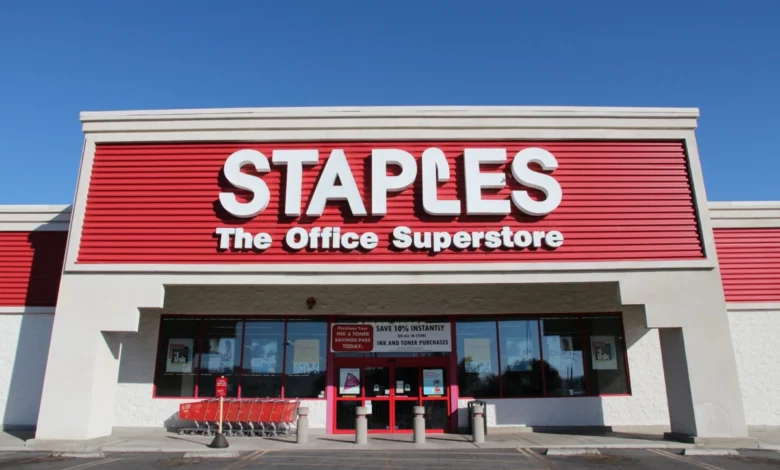
The launch of Staples Business is not merely a rebranding effort; it is a calculated response to the shifting tides of the B2B landscape. With nearly 300 outlets currently serving the Canadian market—operating as Staples in English-speaking provinces and Bureau en Gros in Quebec—the company is leveraging its extensive physical infrastructure to create a hybrid model that few pure-play digital competitors can replicate.
The core of this initiative is a two-tiered service architecture. Smaller businesses, which often operate with limited administrative support, will benefit from streamlined, automated procurement platforms designed for speed and transparency. Conversely, larger institutional buyers will be granted access to dedicated account management, custom pricing contracts, and bespoke product catalogs. This segmentation is intended to reduce the administrative friction that typically plagues corporate procurement departments.
The Competitive Pressure of Global Ecommerce Giants
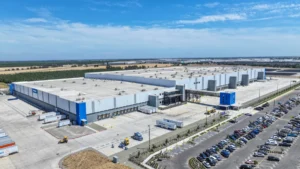
Industry analysts have identified the rise of Amazon Business as the primary catalyst for this transition. As digital marketplaces have increasingly encroached on traditional B2B supply chains, incumbents like Staples have been forced to re-evaluate their value propositions.
Marty Bauer, an ecommerce expert at Omnisend, suggests that the move is an essential defensive maneuver. "This new branding strategy is about much more than a cosmetic rebrand," Bauer stated. "It is an important step in defending the market against ecommerce giants, particularly Amazon Business, which has set a high bar for logistics and inventory availability."
Bauer notes that for B2B clients, the transaction is less about the lowest possible price point and more about time-saving efficiency. By integrating disparate service lines—such as janitorial supplies, IT hardware, and traditional office consumables—under one umbrella, Staples is positioning itself as a "one-stop-shop" partner. This strategy aims to reduce the "vendor fatigue" that occurs when companies are forced to manage dozens of individual invoices and supplier relationships.
Historical Context and Institutional Growth
Staples Canada’s journey spans more than 30 years, during which the brand has evolved from a traditional brick-and-mortar stationery store into a provider of integrated business solutions. The company’s decision to launch Staples Business comes at a time when Canadian businesses are grappling with inflation, supply chain instability, and a rapid shift toward remote and hybrid work models.
Throughout the late 2010s and early 2020s, Staples Canada began diversifying its portfolio, moving beyond paper and pens to offer professional printing, tech support, and co-working space rentals. The creation of the Staples Business brand serves as the logical culmination of these expansions, providing a unified front-end for what was previously a fragmented service offering.
The Logistics of Transformation
The effectiveness of the new brand hinges on the company’s ability to synchronize its supply chain. Rich Pleeth, founder of the AI-powered logistics platform Finmile, highlights that while the brand consolidation is a strong narrative move, the operational execution remains the ultimate test.
"Someone who thinks of Staples for printer paper may not think of it for IT support or facilities supplies," Pleeth explains. "Putting those services together gives the sales team a clearer story, but the customer still needs a reason to change suppliers."
For a large enterprise, the value of the new Staples Business model lies in its potential for consolidated invoicing and centralized account management. If a firm can coordinate the delivery of office furniture, computer hardware, and print materials through a single point of contact, the efficiency gains could outweigh the marginal savings found by shopping at multiple discount vendors. However, Pleeth warns that if the internal silos of the company remain—meaning the customer still has to interact with three different departments to resolve an issue—the brand will fail to deliver on its core value proposition.
Addressing the Needs of Diverse Business Tiers
The distinction between the two tiers of the Staples Business platform reflects a sophisticated understanding of the Canadian market:
- Small-to-Medium Business (SMB) Tier: This segment prioritizes automated checkouts, rapid delivery, and transparent pricing. These clients often have high turnover in their supply needs and require a "self-serve" environment that feels like a B2C retail experience but with the invoicing capabilities of a B2B platform.
- Enterprise Tier: Large organizations require complexity-management. This involves contract-based pricing that adjusts to the scale of the company, custom integration with internal procurement software (such as SAP or Oracle), and dedicated account managers who act as consultants rather than mere order-takers.
By formalizing these tiers, Staples is effectively competing on the "service-plus" model, banking on the fact that its local expertise and account support offer a level of reliability that automated, global ecommerce platforms may lack.
Economic Implications for the Canadian Sector
The B2B ecommerce sector in Canada has seen significant growth as companies accelerate their digital transformation agendas. Data indicates that business procurement is increasingly moving toward mobile-first, AI-assisted interfaces. Staples Canada is positioning itself to capture this segment by modernizing its digital interface to match the expectations of modern procurement officers.
Furthermore, by maintaining its physical stores, Staples retains a "last-mile" advantage. The ability to pick up urgent supplies or utilize in-store printing services provides a tangible benefit that serves as a bridge for businesses that cannot wait for standard shipping. This omnichannel capability is a cornerstone of the new brand strategy.
Challenges Ahead: The Execution Gap
While the market reception to the branding shift has been cautiously optimistic, the path forward is not without challenges. The integration of IT support and facilities services into a primarily retail-focused supply chain requires a high degree of internal operational maturity.
Industry observers suggest that the success of Staples Business will be measured by three primary Key Performance Indicators (KPIs):
- Customer Retention Rates: Can Staples keep its existing SMB customers as they grow into larger enterprises?
- Logistical Reliability: Can the brand maintain a consistent delivery experience across its diverse product range?
- Digital Adoption: How effectively can the company transition its legacy, in-store-only customers to the new digital procurement portal?
The company’s commitment to supporting Canadian businesses is deeply embedded in its brand heritage. Chris Saniga, chief B2B officer at Staples Canada, emphasized this during the launch, stating, "As a Canadian company, we understand the pressures organizations here are facing. Whether it’s a growing startup or a large enterprise, our goal is to take more off their plate so they can focus on what comes next."
Conclusion: A Competitive Future
As Staples Business begins its rollout, it serves as a bellwether for the retail-to-service transition within the broader Canadian economy. The firm is betting that its deep-rooted knowledge of the Canadian business environment—combined with the logistical strength of its 300-store network—will be enough to fend off the digital-first titans that have disrupted the industry.
Ultimately, the transformation into a dedicated B2B entity suggests a future where the distinction between "retailer" and "business partner" continues to blur. If Staples can successfully bridge the gap between its legacy retail presence and the digital demands of modern corporate procurement, the Staples Business brand may well define the next era of office supply distribution in Canada. For the Canadian business community, the result will be a test of whether a traditional, service-oriented company can successfully navigate the aggressive, algorithm-driven landscape of modern ecommerce.