SC Ports and Norfolk Southern Launch Daily Rail Service to Huntsville to Bolster Southeast Intermodal Connectivity

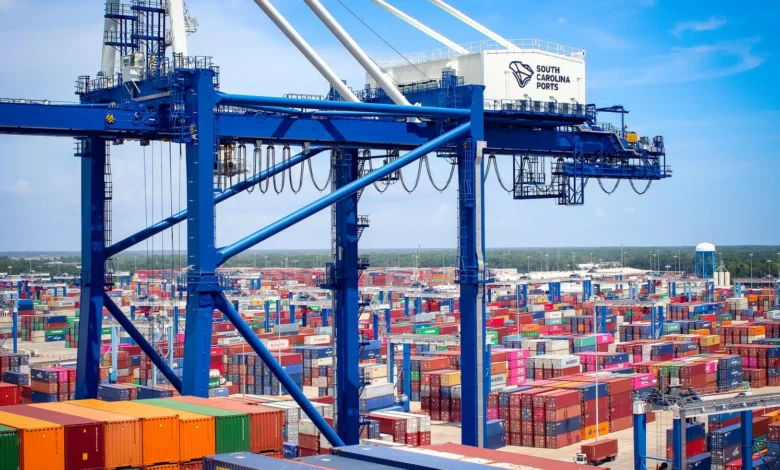
The logistics landscape of the Southeastern United States is undergoing a significant transformation as South Carolina Ports (SC Ports) and Norfolk Southern officially inaugurated a new, daily direct rail service connecting the Port of Charleston to Huntsville, Alabama. Announced in mid-September 2026, this strategic expansion is designed to streamline the movement of containerized freight into the heart of the Tennessee Valley, effectively bridging the gap between global maritime trade and the burgeoning manufacturing hubs of North Alabama and Middle Tennessee. This development marks a pivotal moment in the ongoing effort to modernize regional supply chains, providing shippers with a robust, reliable, and efficient intermodal link that circumvents the increasing congestion often found on long-haul trucking routes.
Strategic Rationale and Market Expansion
The launch of this service is not an isolated event but rather the latest iteration of a long-term strategy by SC Ports to diversify its inland reach. For years, the port authority has recognized that physical maritime capacity is only as valuable as the inland infrastructure supporting it. By securing a daily, dedicated rail line to Huntsville, SC Ports is positioning itself as a primary gateway for the automotive, aerospace, and high-tech manufacturing sectors that have proliferated across the Tennessee Valley.
Huntsville, often referred to as "Rocket City," has emerged as a premier economic engine in the Southeast, attracting massive investments from global companies. By providing a direct rail link, Norfolk Southern and SC Ports are effectively reducing transit times for raw materials and finished goods, offering businesses a more sustainable and cost-effective alternative to traditional road-based transport. This initiative is expected to capture a greater share of the import-export volume that has historically relied on ports in the Gulf or other coastal regions, thereby elevating Charleston’s status as a top-tier global logistics hub.
Chronology of Infrastructure Development
To understand the significance of this new service, one must view it within the context of a multi-year investment cycle that has defined the operational trajectory of SC Ports. The current expansion is the result of years of incremental infrastructure improvements aimed at creating a seamless, rail-centric logistics network.
- 2023: SC Ports achieves a critical milestone with the completion of a $55 million expansion at Inland Port Greer. This project increased the facility’s cargo capacity by 50% and added 9,000 feet of track, enabling the handling of longer, more efficient intermodal trains.
- 2024: The port authority continues its aggressive focus on intermodal efficiency, leveraging the existing Norfolk Southern daily service to Greer, which sits strategically along the high-growth I-85 corridor.
- August 2026: In a significant move to facilitate larger, deeper-draft vessels, SC Ports signs an agreement with the U.S. Army Corps of Engineers to conduct a feasibility study for deepening the navigation channel at the North Charleston Terminal.
- September 11, 2026: The official announcement of the daily rail service to Huntsville is released, signaling the operational start of the new route.
This timeline underscores a deliberate move away from reliance on heavy-duty trucking toward a multi-modal approach. By investing in inland ports and rail infrastructure, the port authority is essentially extending its reach hundreds of miles inland, effectively turning the entire Southeast into a localized market for its maritime services.
Supporting Data and Logistics Metrics
The efficiency of the Port of Charleston is increasingly tethered to its rail performance. Currently, approximately 25% of all containerized volume moving through SC Ports is handled via rail. This figure is significant, as it represents a sophisticated level of integration between port terminal operations and inland rail networks.
The existing intermodal network—comprising key hubs in Atlanta, Birmingham, Memphis, Nashville, Charlotte, and Louisville—has served as the blueprint for the Huntsville integration. By utilizing these nodes, Norfolk Southern provides a "hub-and-spoke" model that allows for rapid distribution. For instance, the ability to move freight from the dock at Charleston directly onto a railcar bound for a distribution center in Nashville or Huntsville reduces the "last-mile" friction that often plagues global supply chains.

Furthermore, the expansion of the North Charleston Terminal channel remains a critical data point for the future. As vessels continue to increase in size—the so-called "mega-ship" era—the ability of a port to accommodate deeper drafts directly correlates with its throughput volume. By addressing both the inland rail connectivity and the harbor depth, SC Ports is creating a two-pronged strategy to maximize both terminal throughput and the velocity of cargo movement.
Official Perspectives and Stakeholder Responses
Industry analysts and port stakeholders have lauded the move as a proactive response to the shifting manufacturing geography of the United States. SC Ports President and CEO Micah Mallace has repeatedly emphasized that these investments are not merely about current capacity but about "future-proofing" the region’s logistics capability. In recent statements, leadership from both the port and Norfolk Southern have highlighted the environmental benefits of this shift, noting that rail transport significantly reduces the carbon footprint per ton-mile compared to long-haul trucking.
For manufacturers in North Alabama and Middle Tennessee, the service offers a degree of predictability that has been missing in recent years. By bypassing the logistical bottlenecks that occur at major highway junctions, companies can better manage their just-in-time inventory systems. While official comments from local Huntsville manufacturing firms have remained private, the market consensus suggests that this rail service will be a deciding factor for firms considering future site selections in the region.
Broader Implications for the Southeast Logistics Corridor
The implications of the Charleston-to-Huntsville rail service extend far beyond the immediate increase in intermodal throughput. It represents a broader shift in how the United States approaches regional supply chain security. As global geopolitical tensions and labor uncertainties persist, the ability to rely on domestic infrastructure that is tightly integrated—from the ocean terminal to the inland warehouse—becomes a vital competitive advantage.

- Economic Resilience: By lowering the cost of moving goods, the rail service acts as a subsidy to the regional economy, potentially attracting more investment to the Tennessee Valley.
- Infrastructure Decongestion: Every container moved by rail is, theoretically, a container removed from the interstate highway system. This reduction in truck traffic helps mitigate wear and tear on roads and reduces congestion in major urban centers like Atlanta and Birmingham.
- Port Competitiveness: The "Charleston Advantage" is bolstered by this connectivity. As other ports struggle with landside access, the ability to offer a seamless, rail-connected path to the interior makes Charleston a more attractive option for shipping lines and cargo owners alike.
- Supply Chain Sustainability: With corporations under increasing pressure to report Scope 3 emissions, the ability to offer rail-based, low-carbon transportation options is becoming a primary selling point for port authorities.
Conclusion and Future Outlook
As the daily rail service to Huntsville stabilizes and matures, observers expect to see an uptick in the volume of goods flowing through Charleston. The integration of the Tennessee Valley into the port’s primary service area is a testament to the success of the inland port model. Moving forward, the industry will be watching closely to see if this success prompts further expansion into other underserved markets.
The collaborative effort between SC Ports and Norfolk Southern serves as a roadmap for other regional logistics hubs. By prioritizing rail connectivity, investing in terminal infrastructure, and maintaining a clear vision for long-term growth, these entities have solidified the Southeast’s role as a powerhouse in the global supply chain. As the port continues to investigate further channel improvements and capacity enhancements, the reliance on this sophisticated rail network will only deepen, ensuring that the Port of Charleston remains at the forefront of the modern, intermodal logistics era.