Houthi Rebels Declare Naval Blockade on Saudi Arabia, Escalating Regional Tensions and Threatening Global Shipping Routes

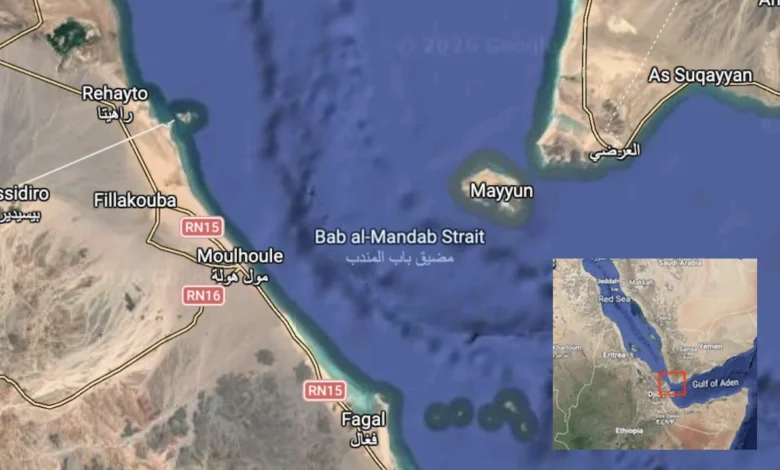
Yemen’s Houthi rebels have declared a naval blockade of Saudi Arabia, marking a significant escalation in the protracted conflict and once again jeopardizing a vital Middle Eastern shipping artery. This audacious move, announced on Monday, was swiftly communicated via Houthi social media channels, explicitly linking the action at the strategically critical Bab al-Mandab Strait, located at the southern gateway of the Red Sea, to what they termed an "unjust and oppressive Saudi siege." The declaration came with a stark warning of severe escalation should Riyadh contemplate any retaliatory measures, threatening a "comprehensive and decisive" response to any perceived "foolish act."
This latest development reverberates through a region already fraught with geopolitical complexities and economic vulnerabilities. The Bab al-Mandab Strait, a narrow waterway connecting the Red Sea to the Gulf of Aden and the Indian Ocean, is one of the world’s most indispensable maritime chokepoints. Its closure or severe disruption carries immense implications for global trade, particularly for energy shipments and container traffic flowing between Asia, Europe, and North America. The Houthi declaration, therefore, is not merely a localized threat but a profound challenge to international maritime security and the stability of global supply chains.
The Latest Escalation: A Direct Challenge to Riyadh
The Houthi’s online statements left little ambiguity regarding their intentions and the perceived casus belli for this blockade. They asserted the maritime embargo was a direct response to an "unjust and oppressive siege" imposed by Saudi Arabia, a claim frequently echoed by the Houthi leadership in the context of the ongoing Yemen civil war. Furthermore, the rebels signaled their readiness for "all options" and urged further mobilization among their ranks, underscoring a resolve to intensify their military posture. The language used, particularly the threat of a "comprehensive and decisive" response to any Saudi counteraction, suggests a calculated gamble aimed at increasing pressure on the Saudi-led coalition and reshaping the regional power dynamics.
This move fits a discernible pattern of Houthi threats and retaliatory messaging, often following periods of heightened military activity or perceived aggression against their forces. Analysts suggest this declaration serves as a potent escalation signal, designed to exert maximum leverage on Riyadh and influence regional behavior, potentially to alleviate military pressure on Houthi-held territories or to gain concessions in ongoing, albeit stalled, peace efforts. The direct targeting of Saudi-linked maritime traffic signifies a qualitative shift from previous generalized threats to merchant shipping, indicating a more focused and potentially more disruptive strategy that could draw Saudi Arabia into a more direct maritime confrontation.
A Critical Chokepoint: The Bab al-Mandab Strait
The geographical focus of the Houthi blockade – the Bab al-Mandab Strait – amplifies its potential global impact. This maritime passage, meaning "Gate of Tears" in Arabic, is only about 18 miles (29 kilometers) wide at its narrowest point between Yemen on the Arabian Peninsula and Djibouti and Eritrea on the African Horn. It is a critical conduit for maritime trade, particularly between Europe and Asia. An estimated 12% of global trade and around 30% of global container traffic transits through the Red Sea and the Suez Canal, making the Bab al-Mandab Strait an indispensable link in the maritime highway connecting the Mediterranean and Asia.
For Saudi Arabia, a country that ranks as one of the world’s largest crude oil exporters, safe passage through this region is not merely strategically important; it is an economic imperative. A significant portion of its oil exports, particularly those destined for European markets, traverse this route. According to the U.S. Energy Information Administration (EIA), in 2023, approximately 6.2 million barrels per day of crude oil and refined petroleum products flowed through the Bab al-Mandab Strait. Any prolonged disruption could necessitate longer, more expensive voyages around the Cape of Good Hope, adding significant costs and delays to energy shipments and other goods. This rerouting alone could increase transit times by 10-14 days for voyages between Asia and Europe, impacting fuel consumption, insurance premiums, and the overall efficiency of global logistics.
Echoes of Recent Disruptions: A Troubling Precedent (2023-2025 Timeline)
The current Houthi declaration carries a chilling resonance with previous episodes of maritime insecurity instigated by the group. In late 2023, the Houthi rebels launched a sustained campaign of drone and missile attacks against merchant shipping in the Red Sea, ostensibly in solidarity with Palestinians in Gaza. This campaign, which included boarding and seizing vessels, quickly plunged the vital Suez Canal-Red Sea route into crisis.
- Late 2023 – Early 2024: Houthi attacks intensify. Major global container lines, facing escalating risks, prohibitive insurance premiums, and threats to crew safety, made the unprecedented decision to reroute their vast fleets. Instead of the direct passage through the Suez Canal, ships embarked on significantly longer and more costly voyages around the southern tip of Africa. Companies like Maersk, Hapag-Lloyd, MSC, and CMA CGM announced diversions, leading to a dramatic reduction in Red Sea traffic. Insurance premiums for Red Sea transits skyrocketed, in some cases increasing by hundreds of percent, adding millions of dollars to operating costs per vessel. Global supply chains experienced severe delays and increased costs, impacting consumer prices and manufacturing schedules worldwide. The economic impact was substantial, with analysts estimating billions of dollars in added expenses for the shipping industry.
- January 2024: In response to the escalating threats, the United States, along with allies including the United Kingdom, launched Operation Prosperity Guardian, a multinational maritime security initiative aimed at protecting commercial shipping in the Red Sea. Despite these efforts, Houthi attacks persisted, leading to targeted retaliatory strikes by US and UK forces against Houthi military sites in Yemen, aimed at degrading their capabilities.
- Mid-2024: The frequency and intensity of Houthi attacks began to show signs of abatement, though sporadic incidents continued. The sustained international naval presence and targeted strikes were believed to have degraded some Houthi capabilities and forced them to be more cautious.
- 2025: As noted in the original assessment, Houthi actions against shipping waned considerably throughout 2025. This reduction was attributed, in part, to key sponsor Iran becoming "overwhelmed by its own domestic issues," potentially limiting its capacity or willingness to support the Houthi’s external operations. Consequently, major carriers, cautiously optimistic about improved security conditions and under pressure to reduce costs, only recently announced a gradual return of scheduled services to the key shipping lane connecting Asia with the Mediterranean, Europe, and North America. This recent fragile return underscores the extreme sensitivity of the route to any new threats. The current blockade declaration, therefore, threatens to unravel this painstakingly achieved, albeit tentative, return to normalcy and reignite the severe disruptions witnessed barely a year prior.
The Yemen Conflict: A Deep-Seated Proxy War
To fully grasp the implications of the Houthi’s latest move, one must understand the entrenched conflict in Yemen. The Houthis, officially known as Ansar Allah, are an Iran-aligned Zaidi Shia Islamist political and military organization that emerged in the 1990s. They rose to prominence challenging the government of President Ali Abdullah Saleh, accusing it of corruption and subservience to Saudi Arabia and the West. In late 2014, the Houthis launched a rebellion, seizing the capital Sana’a and much of northern Yemen. This precipitated a military intervention in March 2015 by a Saudi-led coalition, including the United Arab Emirates, aimed at restoring the internationally recognized government of Abdrabbuh Mansur Hadi.
The conflict quickly devolved into a brutal proxy war, with Saudi Arabia and its allies backing the government forces, and Iran providing varying degrees of support, including arms, training, and strategic advice, to the Houthis. The war has created one of the world’s worst humanitarian crises, with millions displaced and facing famine, and infrastructure decimated. Saudi Arabia, viewing the Houthis as an Iranian proxy on its southern border, has implemented an air and sea blockade on Houthi-controlled areas, citing concerns over weapons smuggling. This "siege" is precisely what the Houthis claim their naval blockade is designed to counteract. The recent declaration thus represents a direct retaliatory measure within the broader context of this deeply complex and devastating conflict, intertwined with regional power struggles between Saudi Arabia and Iran.
Economic Ramifications and Global Supply Chain Vulnerability
The economic fallout from a sustained Houthi blockade against Saudi Arabia could be substantial and far-reaching. Saudi Arabia is the world’s second-largest oil producer and a pivotal player in global energy markets. While a significant portion of its crude oil exports to Asian markets transits through the Strait of Hormuz, exports to Europe and North America often utilize the Red Sea route. A blockade on Saudi-linked vessels would immediately introduce uncertainty and risk premiums into global oil prices, potentially leading to spikes, particularly if alternative routes prove insufficient or too costly.
The broader shipping industry would also brace for significant impacts. Insurers, still reeling from the 2023-2024 Red Sea crisis, would undoubtedly increase premiums for any vessel perceived to be Saudi-linked or operating in proximity to the declared blockade zone. Major carriers would face agonizing decisions: risk their vessels and crews, comply with the blockade and halt Saudi-bound or Saudi-originating traffic, or once again reroute around Africa. The latter option, as previously demonstrated, would entail:
- Increased Transit Times: Adding 10-14 days to voyages between Asia and Europe, impacting delivery schedules for critical goods.
- Higher Fuel Costs: Billions of dollars in additional bunker fuel consumption, increasing operational expenses for shipping lines.
- Reduced Capacity: Fewer ships available for other routes due to extended transit times, leading to potential freight rate increases across the board.
- Supply Chain Disruptions: Delays in delivery of raw materials, components, and finished goods, impacting manufacturing, retail, and consumer markets globally, potentially exacerbating inflationary pressures.
The ripple effect could extend beyond oil and container shipping, affecting bulk carriers transporting grain, minerals, and other commodities. The fragility of global supply chains, still recovering from the pandemic and previous disruptions, means that even a localized blockade in such a critical region can have outsized global consequences, disrupting trade flows valued at trillions of dollars annually.
International Reactions and Calls for De-escalation
The international community is expected to react with grave concern to this latest Houthi escalation. While no immediate official statements from Saudi Arabia were available at the time of reporting, Riyadh is anticipated to vehemently condemn the blockade, reiterate its commitment to freedom of navigation, and likely call upon international partners to take decisive action to secure maritime routes. Saudi Arabia has historically leveraged its diplomatic and economic influence to rally international support against Houthi aggression, and this instance is unlikely to be different.
From a broader international perspective:
- United Nations: The UN, heavily involved in humanitarian efforts in Yemen and peace mediation, would likely issue strong condemnations, emphasizing the need for de-escalation, respect for international maritime law, and the potential exacerbation of Yemen’s humanitarian crisis. Special envoys would likely intensify diplomatic efforts to prevent further conflict and protect aid deliveries.
- United States and European Union: Major maritime powers would undoubtedly express deep concern over the threat to freedom of navigation and global trade. They would likely call for an immediate cessation of Houthi threats and actions, potentially exploring diplomatic pressures, sanctions, or even considering reinforcing naval presence in the region. The memory of the economic disruptions from the 2023-2024 Red Sea crisis would lend urgency to their responses, perhaps leading to discussions about expanding existing maritime security operations.
- Shipping Industry Associations: Organizations such as the International Chamber of Shipping (ICS) and BIMCO would likely issue urgent advisories to their members, warning of heightened risks and providing guidance on navigating the evolving threat landscape. Their primary concern would be the safety of seafarers and the unimpeded flow of global commerce, advocating for robust international protection.
The situation places international diplomacy at a critical juncture, requiring a delicate balance between de-escalation efforts and robust protection of vital trade routes, all while navigating the complexities of the Yemen conflict itself.
The Path Forward: Diplomatic Pressures and Military Deterrence
The enforcement of a Houthi naval blockade against a sovereign state like Saudi Arabia presents a complex challenge. While the Houthis possess anti-ship missile capabilities, including cruise missiles and anti-ship ballistic missiles, and operate drone boats, their capacity for a comprehensive, sustained blockade of all Saudi-linked traffic across the entire Bab al-Mandab Strait is questionable without direct state support. However, their ability to conduct sporadic, targeted attacks creates an environment of extreme risk, effectively deterring commercial shipping through fear and economic penalties. Even a single successful attack could lead to widespread diversions.
The immediate future likely involves intensified diplomatic efforts behind the scenes, potentially through Omani mediation, which has often played a role in de-escalating tensions between Saudi Arabia and the Houthis. However, given the Houthi’s explicit demands regarding the "Saudi siege," any diplomatic breakthrough would likely require significant concessions from all parties, a prospect that has proven elusive throughout the conflict.
Militarily, Saudi Arabia and its allies, backed by international partners, would face the immediate challenge of ensuring the security of their shipping. This could involve enhanced naval escorts, sophisticated intelligence gathering to pre-empt attacks, and readiness to neutralize Houthi threats. The possibility of direct military countermeasures against Houthi launch sites or naval assets cannot be ruled out, especially if attacks on Saudi-linked vessels materialize. Such actions, however, carry the inherent risk of further widening the conflict and drawing in regional powers, particularly Iran, which could destabilize the entire Arabian Peninsula.
The long-term outlook remains precarious. The Houthi declaration underscores the persistent volatility of the Yemen conflict and its inherent capacity to spill over and disrupt broader regional and global interests. Until a comprehensive political resolution to the Yemen war is achieved, one that addresses the underlying grievances and security concerns of all parties, the critical waterways of the Red Sea and the Bab al-Mandab Strait will remain vulnerable to such acts of aggression, perpetually threatening the stability of global energy markets and supply chains. The international community faces the urgent task of navigating this dangerous escalation with diplomacy, deterrence, and a clear commitment to upholding the principles of freedom of navigation.