USPS Infrastructure Upgrades Trigger Temporary Shipping Delays in Indianapolis and Louisville as Holiday Peak Season Approaches

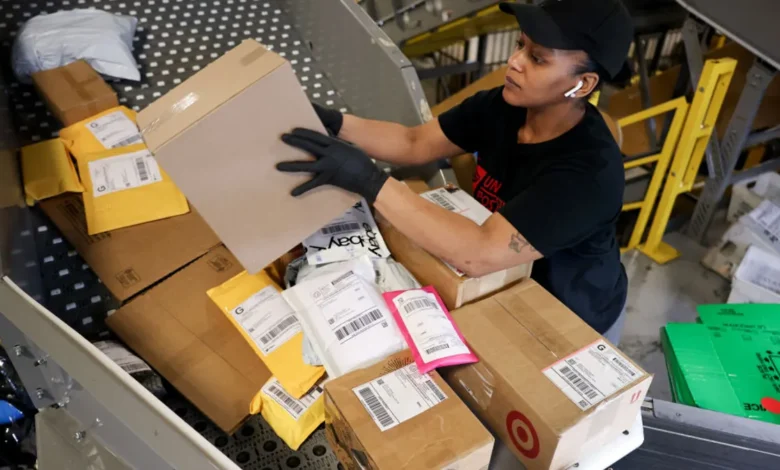
Customers relying on the United States Postal Service (USPS) in the Indianapolis, Indiana, and Louisville, Kentucky, regions are being advised to anticipate potential shipping delays over the coming weeks. The agency, which is currently in the midst of a nationwide, multi-year infrastructure modernization initiative, has confirmed that these service disruptions are a direct consequence of installing advanced, automated package-sorting machinery. While the short-term impact involves localized bottlenecks, postal officials maintain that these upgrades are critical for bolstering network throughput and handling the anticipated surge in e-commerce volume during the upcoming holiday peak season.
The Scope of the Modernization Effort
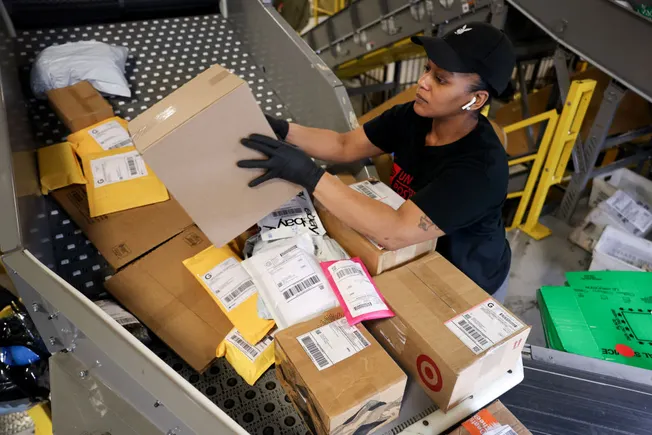
The current equipment installations are part of a broader strategy championed by Postmaster General and CEO David Steiner to transform the USPS into a more competitive player in the parcel delivery market. For decades, the Postal Service relied on manual labor for the handling of oversized and non-conforming packages. The new machines being deployed in Indianapolis are specifically engineered to sort these large items automatically, a move designed to reduce reliance on human intervention, lower the risk of package damage, and increase the overall speed of the sorting process.
By drawing heavier and higher-value packages into the USPS network, the agency aims to offset declining mail volumes with the sustained growth of the parcel industry. However, the integration of such sophisticated technology into aging facilities requires significant structural adjustments. In many cases, these installations force a temporary reduction in processing capacity as floor space is reconfigured and existing conveyor systems are integrated with new digital sorting interfaces.
Chronology of Facility Disruptions
The disruption in the Midwest follows a calculated, yet challenging, timeline of network adjustments. In Indianapolis, the regional processing and distribution center is expected to finalize its equipment integration over the next two to three weeks. According to an agency notification released on September 21, the facility is also undergoing significant routing changes intended to streamline the flow of mail and parcels. To mitigate the strain, the Postal Service has accelerated its hiring efforts in the region, bringing on additional personnel to manage the manual workflows required during the transition period.
The situation in Louisville presents a different set of challenges. The Louisville facility has faced consistent service volatility throughout September, largely because it has been acting as a "backup" site for the Evansville, Indiana, processing center. With the Evansville site currently undergoing its own round of equipment upgrades, the Louisville hub has been forced to absorb a massive influx of redirected volume.
To prevent a total system collapse in the region, the USPS announced on September 22 that it would implement a diversion strategy. Much of the excess volume from the affected Kentucky and Indiana facilities is now being rerouted to the Nashville, Tennessee, processing center and an annex facility in Springdale, Ohio. This complex logistical pivot is intended to distribute the burden across a wider geographic footprint, though the extra transit miles required for these diversions inevitably contribute to the delays currently experienced by end-users.
Strategic Context and Industry Implications
The challenges seen in the Midwest are a microcosm of the nationwide transition the USPS has been navigating throughout 2026. Since July 2025, when the agency established its new, centralized processing region—a massive network covering 100 facilities and tasked with handling approximately 177 million mailpieces daily—the Postal Service has been aggressively pushing to modernize its physical footprint.
Similar to the current situation in Indianapolis and Louisville, the agency has spent the month of September rerouting package flows in major metropolitan areas, including Los Angeles, New Orleans, and Tampa. These tactical shifts are documented on the USPS "PostalPro" portal, which serves as a clearinghouse for shippers and business partners to track where their mail might be diverted.
Industry analysts suggest that this strategy is a double-edged sword. While the long-term gains in sortation accuracy and machine reliability are undeniable, the short-term impact on "Service Performance Scores" can be significant. For e-commerce retailers who rely on the USPS for "last-mile" delivery, these localized delays can lead to customer dissatisfaction and increased inquiries.

"The transition is necessary, but it is also painful," notes one supply chain logistics consultant. "When you move from manual sorting to high-speed automation, you are effectively performing surgery on a living, breathing network. Every day that a machine is being calibrated is a day that the facility operates at diminished capacity."
Official Responses and Operational Outlook
In official statements, the Postal Service emphasizes that these measures are proactive rather than reactive. The agency’s stance is that the pain of current delays is a prerequisite for ensuring that the network does not reach a breaking point during the December holiday rush.
"New and upgraded equipment will increase package sorting throughputs, automation capabilities for larger packages, increase sortation accuracy, and improve machine reliability," the agency stated in a September 3 briefing. By automating the handling of oversized packages, the USPS expects to decrease the "dwell time" of items within its facilities. Currently, large items that require manual handling often sit on loading docks longer than smaller, machine-sorted parcels. By moving these into the automated stream, the agency hopes to achieve a more consistent "first-in, first-out" processing cycle.
The agency’s commitment to "cycle time" improvement is further evidenced by its aggressive routing adjustments. By rerouting traffic, the USPS is attempting to utilize the surplus capacity of under-utilized facilities, effectively "load-balancing" the national network in real-time.
Fact-Based Analysis of Network Performance
The current disruptions underscore the complexity of managing a physical network of this magnitude. Data from the 2025 fiscal year suggests that the USPS has been under mounting pressure to reduce operational costs while simultaneously improving reliability. The decision to invest in facility upgrades—despite the temporary service degradation—reflects a strategic pivot toward long-term viability over short-term stability.

However, the ripple effects of these upgrades are non-trivial. When a facility like the one in Louisville is overwhelmed by diverted traffic, it creates a "bullwhip effect" that can extend transit times by several days for customers hundreds of miles away. The reliance on the Nashville and Springdale facilities is a necessary stopgap, but it places increased pressure on the trucking and logistics chains connecting these sites.
As the agency approaches the critical Q4 peak season, the success of these installations will be measured by two primary metrics: the reduction in manual labor hours per package and the stability of service performance scores during the holiday volume surge. If the Indianapolis and Louisville facilities can reach full operational capacity by mid-October, the agency may be able to absorb the holiday volume without the catastrophic delays that characterized previous, less-automated peak seasons.
Moving Forward
For businesses and residents in the affected areas, the advice from the Postal Service remains consistent: expect potential deviations from standard delivery estimates until the infrastructure projects are finalized. The agency has encouraged bulk mailers and high-volume shippers to consult the PostalPro updates regularly, as routing adjustments remain fluid.
As the 2026 calendar year progresses, the USPS remains committed to its goal of full network modernization. Whether this massive investment in automation will yield the desired competitive advantage against private carriers remains the central question for the agency’s leadership. For now, the focus remains on navigating the immediate logistical hurdles, ensuring that the transition to an automated future does not compromise the core mandate of reliable, universal service.
The coming weeks will serve as a critical test for the agency’s ability to manage large-scale technological integration without alienating its customer base. As infrastructure projects continue across the country, the postal network is essentially trying to "rebuild the plane while it is in the air," a high-stakes operational maneuver that continues to define the tenure of the current Postal Service leadership.