Samsung Galaxy Z Flip 8 vs Z Fold 8 vs Z Fold 8 Ultra Benchmark Results Reveal the Most Powerful Foldables Ever Tested

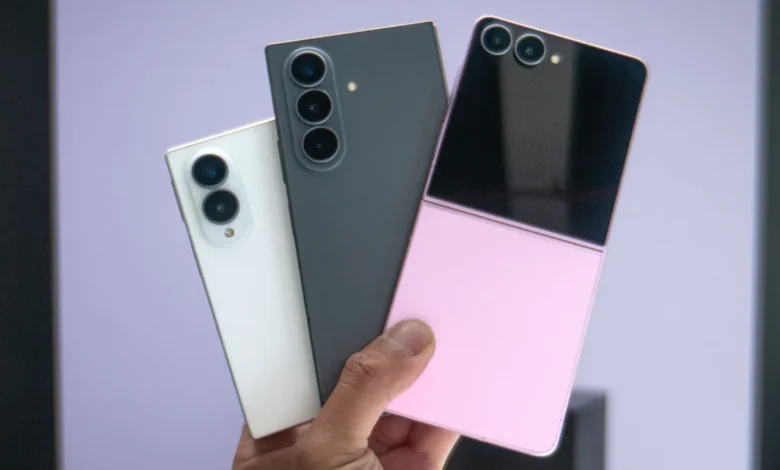
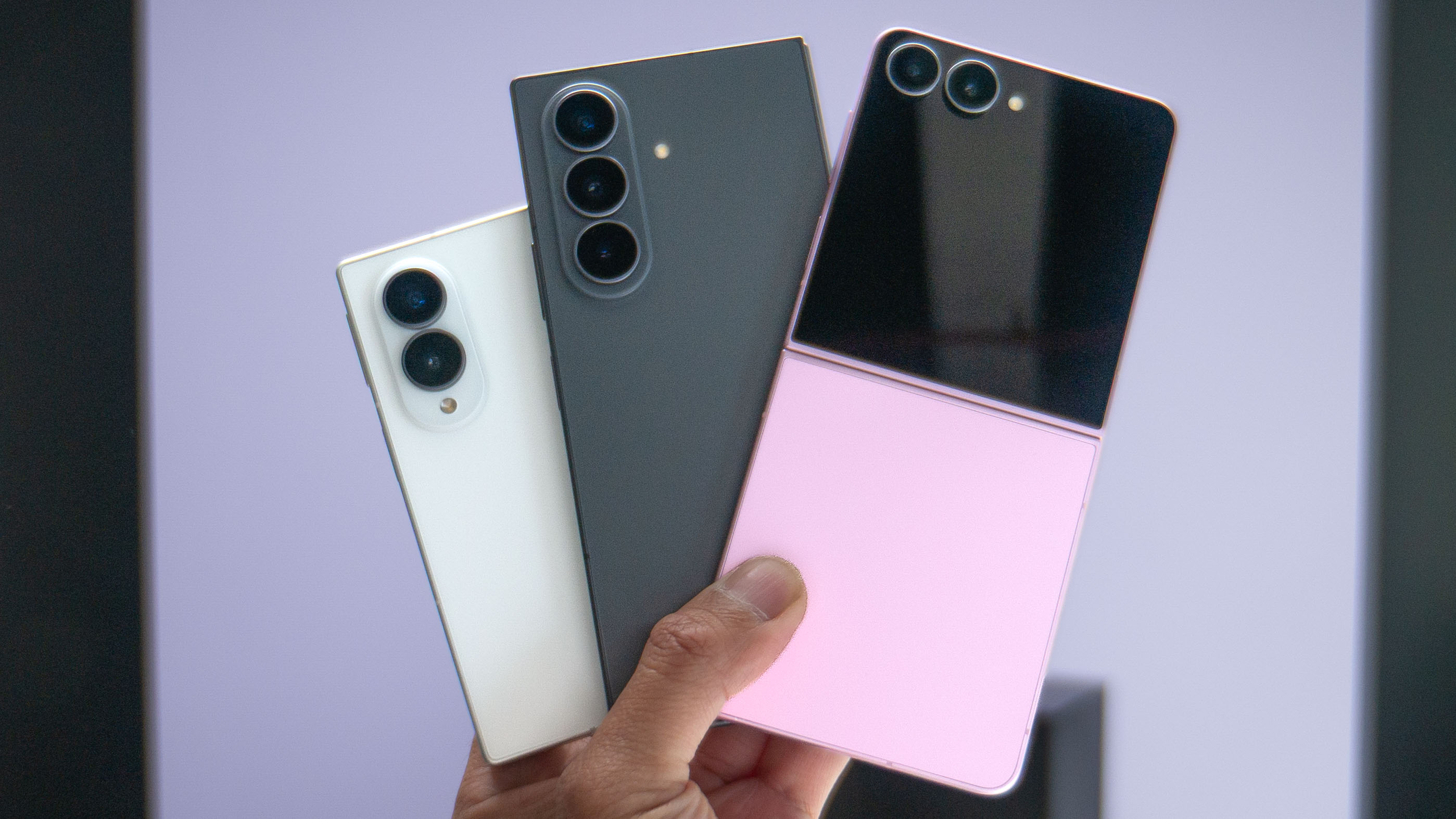
The landscape of the foldable smartphone market underwent a seismic shift at the latest Galaxy Unpacked event, where Samsung unveiled its most ambitious lineup of flexible devices to date. While the hardware designs of the Galaxy Z Flip 8, Galaxy Z Fold 8, and the premium Galaxy Z Fold 8 Ultra vary significantly to cater to different consumer segments, they are united by a common engine: the Qualcomm Snapdragon 8 Elite Gen 5 chipset. This strategic decision marks a departure from previous years and establishes a new performance ceiling for the industry, effectively closing the gap between pocketable clamshells and productivity-focused book-style foldables.
In the previous product cycle, Samsung utilized a fragmented processor strategy, equipping the Galaxy Z Flip 7 with its proprietary Exynos 2500 silicon in many regions while reserving Qualcomm’s top-tier Snapdragon 8 Gen 4 for the Z Fold 7. The 2026 rollout, however, brings parity to the entire "Z" family. Extensive benchmark testing conducted in controlled laboratory environments confirms that this unified hardware approach has yielded the most powerful foldable devices ever manufactured, with the Snapdragon 8 Elite Gen 5 delivering unprecedented gains in both computational logic and graphical rendering.
The Strategic Shift to Snapdragon 8 Elite Gen 5
The decision to move exclusively to Qualcomm’s Snapdragon 8 Elite Gen 5 across the entire 2026 foldable range is a calculated response to the increasing demands of mobile artificial intelligence and high-fidelity gaming. The Snapdragon 8 Elite Gen 5 is built on a cutting-edge 3-nanometer process, featuring Qualcomm’s custom Oryon CPU cores. This architecture is designed to handle the complex "Galaxy AI" features that Samsung has integrated into its One UI 8.0 software, ranging from real-time video translation to advanced generative image editing.
By moving the Galaxy Z Flip 8 away from the Exynos platform, Samsung has addressed a long-standing criticism regarding the performance disparity between its two foldable form factors. Historically, the Flip series was viewed as a lifestyle accessory with mid-to-high-range performance, while the Fold was the true flagship. With the 2026 benchmarks, that distinction has effectively vanished, as the Flip 8 now rivals and occasionally surpasses the standard Fold 8 in specific performance metrics.
Geekbench 6 Performance: CPU Prowess and the Multi-Core Anomaly
Geekbench 6.7 provides a standardized measure of a processor’s ability to handle everyday tasks and intensive multitasking. The results across Samsung’s new lineup demonstrate a clear hierarchy, though with some surprising nuances in how the compact Flip handles multi-threaded workloads.
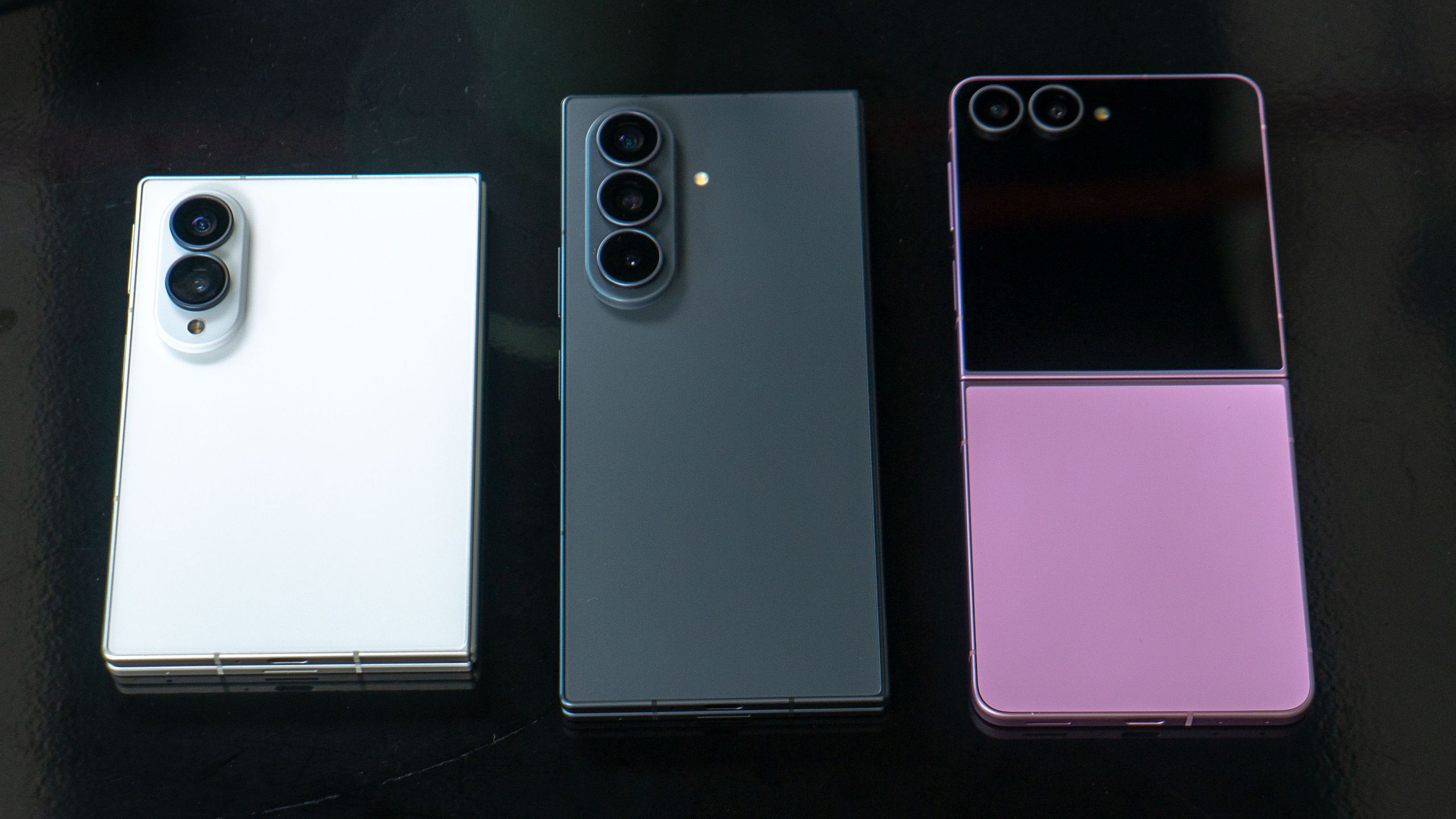
The Galaxy Z Fold 8 Ultra sits at the undisputed top of the pyramid. It recorded a single-core score of 3,733 and a multi-core score of 11,457. This represents a 22.3% boost in single-core power and a 17.7% improvement in multi-core performance over the previous year’s Z Fold 7. For power users who utilize the Fold 8 Ultra for mobile workstations or DeX desktop environments, these numbers translate to near-instantaneous application switching and faster rendering of complex spreadsheets or video files.
The comparison between the standard Galaxy Z Fold 8 and the Galaxy Z Flip 8 revealed a fascinating performance curve. While the Z Fold 8 maintained a slight edge in single-core performance (3,659 vs. 3,627), the Z Flip 8 actually outperformed the standard Fold in multi-core testing, reaching 11,215 compared to the Fold’s 11,020. Industry analysts suggest this may be due to the Flip 8’s redesigned internal cooling system, which allows the Snapdragon 8 Elite Gen 5 to maintain higher clock speeds across all cores for longer durations during the multi-core burst test.
Perhaps the most significant data point is the generational leap for the Flip series. The Z Flip 8 achieved a staggering 59% increase in single-core performance compared to the Exynos-powered Z Flip 7. This jump is one of the largest year-over-year improvements in the history of the Galaxy Z line, signaling that the "compact" foldable is no longer a compromise in terms of raw power.
3DMark Wild Life Unlimited: A New Era for Mobile Gaming
For many users, the true test of a smartphone’s capability lies in its Graphical Processing Unit (GPU). The 3DMark Wild Life Unlimited benchmark tests the limits of the Adreno GPU within the Snapdragon 8 Elite Gen 5, measuring how many frames per second (FPS) the device can render under heavy stress.
The Galaxy Z Fold 8 Ultra once again led the field, breaking the 30,000-point barrier with a score of 30,980 and an average frame rate of 185.51 FPS. To put this in perspective, this performance exceeds many dedicated handheld gaming consoles and ensures that the most demanding titles, such as "Genshin Impact" or "Warzone Mobile," can run at maximum settings with rock-solid stability.
The Galaxy Z Flip 8 followed closely with a score of 29,723 and 177.90 FPS. The 55% improvement over the Z Flip 7’s graphical output is particularly noteworthy. For a device with such a small physical footprint, managing the thermal output of a GPU running at nearly 180 FPS is a significant engineering feat. The standard Galaxy Z Fold 8 rounded out the trio with a score of 26,608 and 165.30 FPS, still a formidable result that eclipses most non-Samsung competitors.
Competitive Analysis: Samsung vs. Motorola and Google
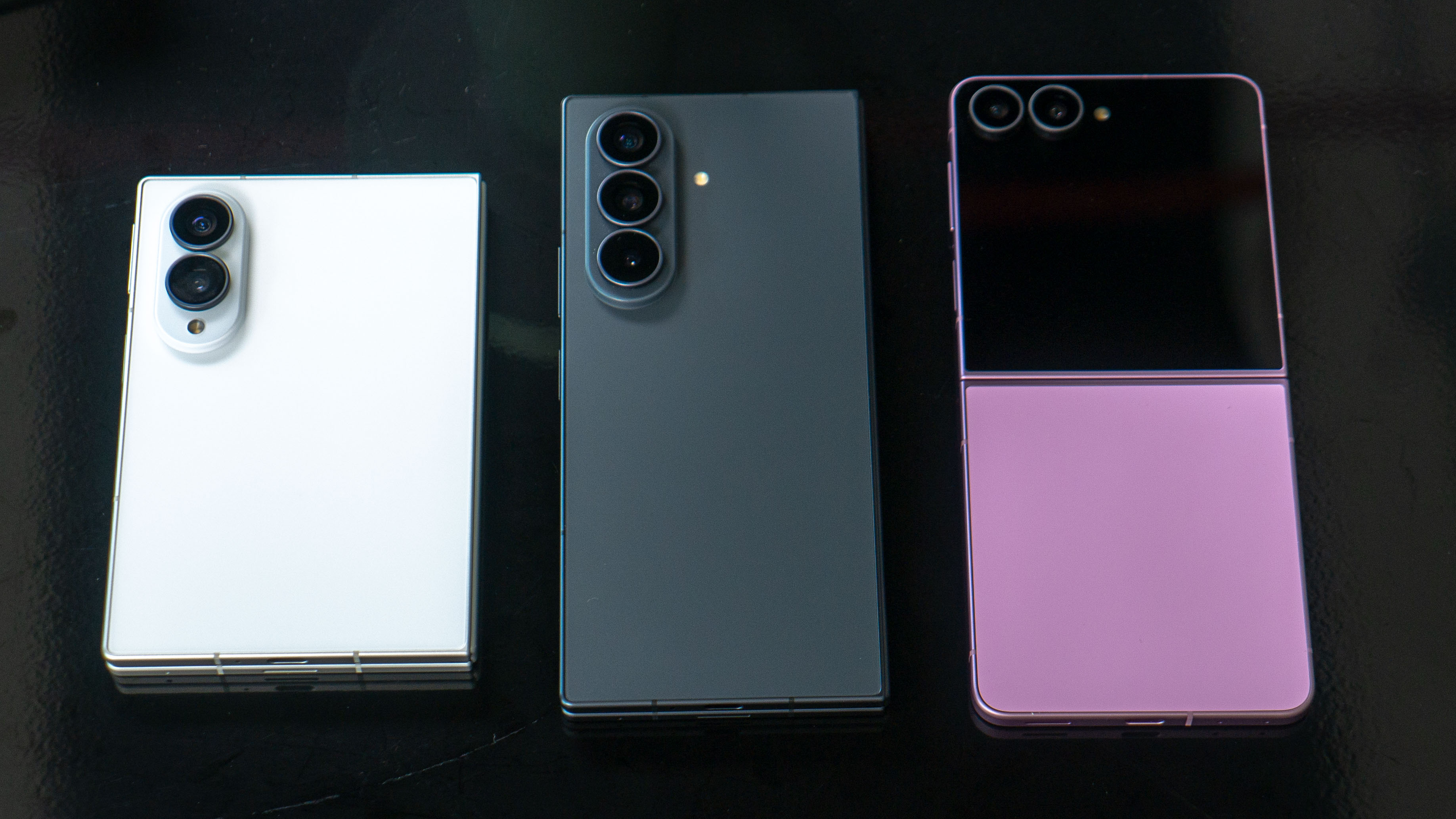
To understand the magnitude of Samsung’s 2026 performance, it is necessary to compare these devices against their primary market rivals: the Motorola Razr series and the Google Pixel Fold line.
In the clamshell category, the Galaxy Z Flip 8 maintains a commanding 25.7% lead in single-core speeds over the Motorola Razr Ultra (2026), which uses a slightly less optimized version of the same chipset or a rival MediaTek component depending on the region. In graphical testing, the Flip 8’s 21.6% advantage in frame rate rendering makes it the superior choice for mobile gamers who prefer the flip-style form factor.
The disparity is even more pronounced in the large-screen foldable market. The Galaxy Z Fold 8 Ultra delivers 37.7% faster single-core performance than the Motorola Razr Fold. However, the most lopsided comparison involves the Google Pixel 10 Pro Fold. Google’s reliance on its in-house Tensor G5 chip, which prioritizes AI processing over raw speed, leaves it trailing significantly. The Z Fold 8 Ultra boasts a 59.3% higher single-core score and an 80.9% lead in multi-core performance over the Pixel. In 3DMark graphical testing, the Samsung Ultra’s lead widens to an astonishing 132.8%, suggesting that Google’s foldable is not yet a viable competitor for high-end gaming or heavy video editing.
Chronology of Development and Market Context
The path to the 2026 "Snapdragon-only" lineup began in early 2024, following internal reviews of the Z Flip 6 and Z Flip 7. Consumer feedback in European and Asian markets indicated a growing preference for Snapdragon variants due to perceived better battery efficiency and thermal management.
By mid-2025, reports from the supply chain suggested that Samsung Foundry was pivoting its 3nm production to focus on high-yield AI chips, allowing the mobile division to negotiate a massive, exclusive deal with Qualcomm. This partnership, often referred to as "Snapdragon for Galaxy," involves custom-tuned clock speeds that are slightly higher than the standard Snapdragon 8 Elite Gen 5 chips sold to other manufacturers.
The announcement at Galaxy Unpacked served as the culmination of this two-year strategic pivot. Samsung executives emphasized during the keynote that the "Ultra" branding for the Fold was not just about screen size or camera optics, but about providing a "no-limits" computing experience that justifies its premium price point.
Implications for the Future of Foldables
The benchmark results for the Z Flip 8 and Z Fold 8 series carry several implications for the broader smartphone industry. First, they signal the end of the "form factor tax," where users were expected to accept lower performance in exchange for a folding screen. Samsung has proven that a foldable can be just as powerful, if not more so, than a traditional "slab" flagship like the Galaxy S26 Ultra.
Second, the massive leap in GPU performance suggests that Samsung is positioning its foldables as the primary devices for the burgeoning cloud gaming and mobile e-sports markets. The 185 FPS capability of the Fold 8 Ultra provides a competitive edge in latency and visual clarity that few other mobile devices can match.
Finally, the performance gap between Samsung and Google highlights a divergence in philosophy. While Google is betting on a "smart enough" processor that excels at software-driven AI tasks, Samsung is doubling down on "brute force" hardware. For the time being, the market data suggests that high-end consumers still equate performance benchmarks with longevity and value.
Final Assessment
The 2026 Samsung foldable lineup represents a milestone in mobile engineering. By standardizing the Snapdragon 8 Elite Gen 5 across all models, Samsung has eliminated the performance lottery for consumers and set a dauntingly high bar for its competitors.
The Galaxy Z Fold 8 Ultra stands as the new benchmark for what a premium smartphone can achieve, dominating every category from raw processing to graphical rendering. The Galaxy Z Flip 8, however, may be the most significant achievement of the year, transforming from a fashionable clamshell into a performance powerhouse that can go toe-to-toe with any flagship on the market. As the foldable market continues to mature, Samsung’s 2026 strategy ensures it remains the architect of the category’s future.