AMD Unveils New Versal Gen 2 Adaptive SoCs With Integrated Backside Tamper Protection

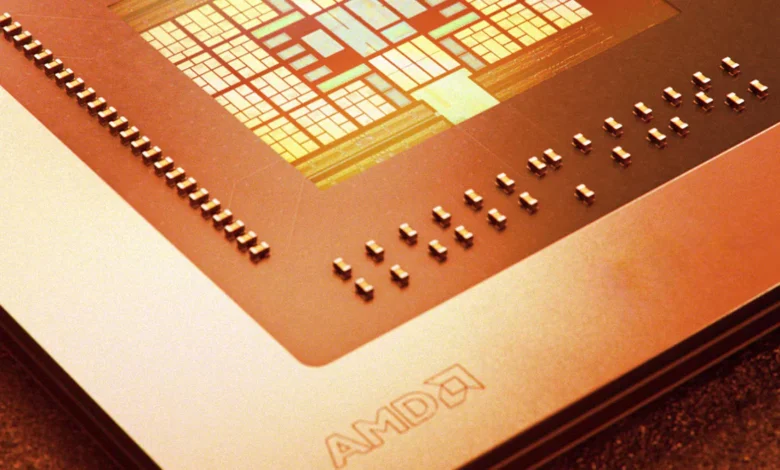
AMD has officially expanded its Versal AI Edge Series Gen 2 portfolio, introducing a trio of highly specialized, tamper-resistant adaptive System-on-Chips (SoCs). The new devices—model numbers 2VE3358TR, 2VE3558TR, and 2VE3858TR—represent a significant shift in semiconductor security by incorporating a dedicated, sensor-laden protection die bonded directly to the backside of the primary compute silicon. Designed for high-stakes environments including defense systems, financial infrastructure, and critical data center networking, these chips aim to mitigate the growing threat of sophisticated, physics-based hardware attacks that have historically bypassed traditional security measures.
The move marks a departure from standard industry practices, which have traditionally relied on external, enclosure-level defenses to protect against unauthorized physical access. By integrating this "bodyguard" layer directly into the chip packaging, AMD is positioning itself to provide a more streamlined, factory-integrated security solution for enterprise and government clients who would otherwise be forced to invest in costly, custom-engineered protective housings or conformal coatings.
The Vulnerability of the Silicon Backside
To understand the necessity of this innovation, one must look at the physical architecture of modern high-performance chips. Most complex SoCs utilize flip-chip packaging, where the active transistor side is mounted face down against the substrate. This orientation leaves the backside—the raw silicon substrate—exposed once the chip’s protective lid is removed.
Because silicon is semi-transparent to near-infrared light, an attacker with access to a specialized laboratory can thin the substrate and use optical probes to monitor switching transistors in real-time. This method allows for the extraction of sensitive data, such as encryption keys or bitstream information, without ever touching the metal layers that contain traditional on-die mesh shields. Furthermore, attackers can utilize laser-based fault injection to induce specific errors, bypassing logic checks or forcing the system into insecure states.
For years, this level of attack was largely considered "out-of-scope" for consumer and even many commercial hardware threat models. However, the rise of affordable, high-precision failure analysis equipment has brought these techniques into the reach of better-funded adversaries.
A Chronology of Hardware Security Concerns
AMD’s decision to integrate silicon-level, backside protection follows a series of public security disclosures that highlighted the vulnerabilities of older hardware generations.

In 2020, the industry was shaken by the disclosure of the "Starbleed" vulnerability, which allowed attackers to compromise the bitstream encryption of various FPGAs. This incident underscored a fundamental reality: once the root of trust is compromised at the physical layer, software-based mitigations are often insufficient.
The pressure mounted throughout 2026. In February of that year, researchers highlighted the "Leakback CRC" issue, which involved reconstructing full netlists by optically probing the readback CRC circuitry of 7-series FPGAs. By September 2026, a separate bulletin detailed an instance where researchers successfully recovered partial bitstream plaintext using contactless optical probing of the die’s backside. In each of these instances, AMD’s public position was consistent: these sophisticated physical attacks fell outside the intended threat model of those specific products, with the company advising high-risk users to employ secondary, enclosure-level security measures.
The new Versal TR (Tamper-Resistant) series represents a formal internalizing of these defenses, effectively bringing the "hardened perimeter" inside the package itself.
Technical Implementation and 3D Active-on-Active Bonding
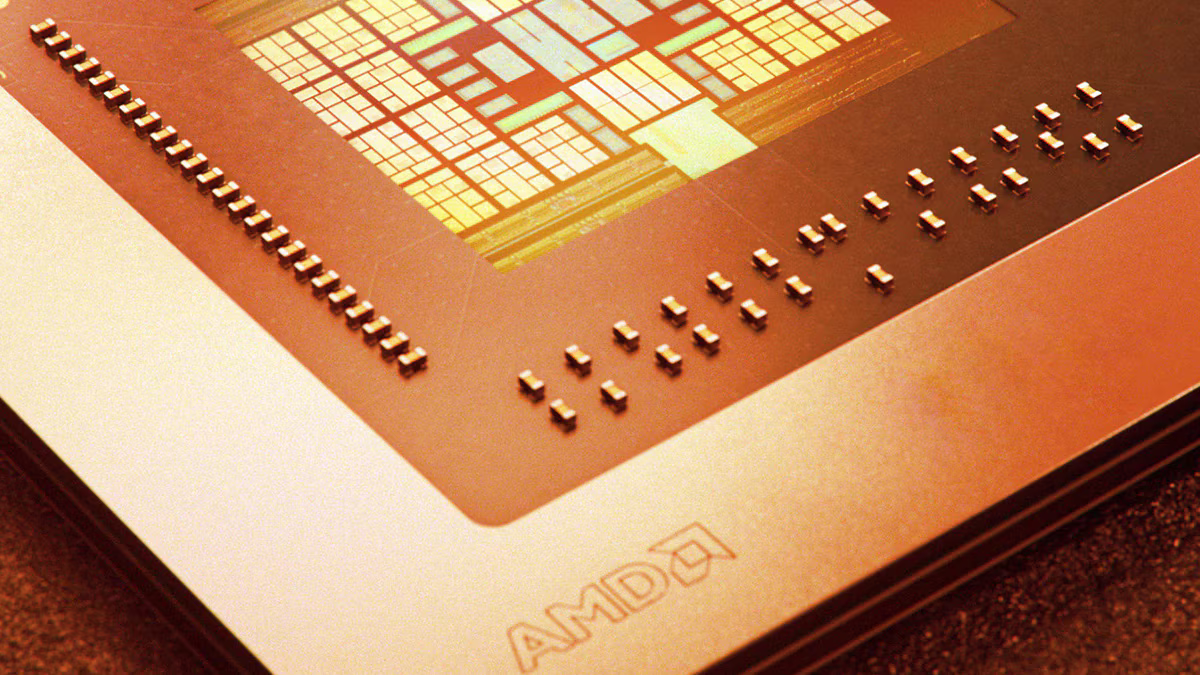
The core of the Versal TR’s defensive capability is its 3D active-on-active packaging technology. Unlike traditional passive shielding—which might simply detect a breach via a broken trace—the protection die in the Versal TR is an active component. It contains a comprehensive sensor array that monitors the entire backside of the compute die.
These two dies are "cryptographically bound." While AMD has not disclosed the full technical specifications of this binding, industry experts suggest it ensures that the compute die and the protection die share a unique, verifiable identity. If an attacker attempts to remove, replace, or bypass the protection layer, the cryptographic handshake fails, and the system is programmed to refuse to boot, effectively "bricking" the device to protect the integrity of the data stored within.
Beyond the backside, the TR series also enhances the "front-door" defenses. The chips feature improved voltage and temperature glitch detectors. By implementing an orthogonal detection method that can identify glitches affecting multiple voltage rails simultaneously, the device significantly increases the complexity required for an attacker to perform successful fault injection—a technique frequently used against AMD’s Secure Processor and firmware Trusted Platform Modules (TPM).
Market Implications and Strategic Positioning
For the sectors targeted by AMD—defense, fintech, and critical infrastructure—the primary benefit is the reduction of total cost of ownership (TCO) and the elimination of complex integration cycles. Building a tamper-proof system currently requires extensive engineering, often involving custom enclosures, specialized potting compounds to prevent physical probing, and intensive verification to ensure that the security measures do not interfere with the chip’s performance.
AMD is offering a simplified alternative. Because the TR parts are footprint-compatible with standard Versal AI Edge Gen 2 variants, developers can conduct their primary design, synthesis, and place-and-route on standard silicon. Once the design is validated, they can swap in the TR variant without requiring significant re-engineering of the PCB or the software stack.
However, the industry remains cautious. AMD has been transparent about the fact that "tamper-resistant" is not synonymous with "tamper-proof." The company’s documentation notes that these protections are designed to mitigate specific, defined physical attack methods. This distinction remains crucial, as it leaves the door open for future, unforeseen methods of physical intrusion.
The Competitive Landscape
AMD is not the only player navigating this space. Competing solutions from firms such as Altera (Intel) and Lattice Semiconductor have been advancing their own security postures, with a particular focus on post-quantum secure boot and hardened cryptographic engines.
The efficacy of the Versal TR’s backside shield will likely be subject to intense scrutiny from the cybersecurity research community once physical samples reach the market in the second half of 2027. If the shield proves as resilient as AMD claims, it could set a new standard for secure silicon, forcing competitors to accelerate their own backside-protection roadmaps.
Ultimately, the launch of the Versal TR series is a strategic acknowledgment that the "physical barrier" is no longer just the enclosure surrounding a server or a rack. In an era where state-sponsored actors and sophisticated labs can access the physical architecture of a chip, the silicon itself must become an active participant in its own defense. Whether this will satisfy the rigorous security requirements of the defense and financial sectors remains to be seen, but it is a clear indicator that the next frontier of hardware security is being fought at the sub-millimeter level.
Related posts: