Netflix Top 10 Shows Right Now: What to Watch This Week Including Nobody Wants This and From

The latest update to the Netflix Top 10 streaming charts for the week ending October 27 presents a diverse cross-section of content dominating global viewership. As audiences transition deeper into the autumn season, streaming data highlights a distinct appetite for comforting romantic comedies, tense psychological horror series tailored for the Halloween holiday, and high-concept reality television. This week’s rankings reflect shifting consumer preferences toward escapism and genre-specific binge-watching, cementing both returning favorites and newly arrived licensed content at the top of the platform’s engagement metrics.
Chronology and Background of the Current Rankings
The landscape of the Netflix Top 10 has evolved significantly over the past month, driven by strategic platform acquisitions and highly anticipated seasonal returns. The current chart configuration took definitive shape following the late-October influx of new content. Historically, the final weeks of October experience a surge in viewership for horror, thriller, and suspense titles as subscribers seek seasonal entertainment aligned with Halloween. Simultaneously, serialized dramas and lighthearted comedies continue to perform strongly as counter-programming for viewers seeking relief from darker genre fare.

The inclusion of multi-season acquisitions, such as the sci-fi horror series From—originally produced for MGM+—demonstrates Netflix’s ongoing strategy of licensing proven external hits to bolster its internal library. This tactic consistently yields high engagement, frequently propelling older or previously niche shows into the mainstream global conversation once they become accessible to Netflix’s vast subscriber base.
Detailed Analysis of the Top Three Chart Highlights
Nobody Wants This (Season 3)
Returning for its third season, the romantic comedy series Nobody Wants This has successfully claimed the No. 1 position on the global and regional Netflix charts. Created by Erin Foster, the series explores the unlikely and culturally complex relationship between Joanne, an agnostic sex podcaster portrayed by Kristen Bell, and Noah, a traditional Jewish rabbi played by Adam Brody.

As the narrative progresses into its third season, the core couple navigates the next logical steps of domestic partnership, specifically moving in together. However, audience engagement analysis indicates that secondary characters have become a primary driver of viewership momentum. The simmering dynamic between Joanne’s sister, Morgan, played by Justine Lupe, and Noah’s brother, Sasha, played by Timothy Simons, has taken a more prominent role in the current season’s narrative arc.
Critics note that the series maintains its appeal through sharp comedic writing, rapid pacing, and strong chemistry among the ensemble cast. Despite early industry skepticism regarding the longevity of its premise, the show’s sustained performance at the top of the charts indicates robust audience retention and broad demographic appeal.
From (Seasons 1–3)
Capitalizing on the seasonal demand for suspenseful and terrifying narratives, the sci-fi horror series From has surged into the upper echelons of the Netflix Top 10 following the recent addition of its first three seasons. Created by John Griffin and produced by MGM+, the series is set in a nightmarish, inescapable small-town America that traps every unwitting traveler who enters its boundaries.

The ensemble cast is anchored by Harold Perrineau, who stars as Boyd Stevens, a former U.S. Army veteran acting as the township’s de facto sheriff. The narrative initiates with the arrival of the Matthews family, setting off a complex chain of supernatural mysteries, psychological trials, and encounters with lethal nocturnal entities that inhabit the surrounding woods.
From has been widely praised by television critics for its deliberate pacing, intricate mythology, and atmospheric tension. The series relies on a mystery-box structure reminiscent of early 2000s prestige television, systematically dispensing narrative clues and revelations to maintain viewer investment. Its arrival on Netflix has significantly expanded its viewership footprint, transforming a critically acclaimed cult hit into a mainstream streaming phenomenon just ahead of Halloween.
The New Stanford Prison Experiment
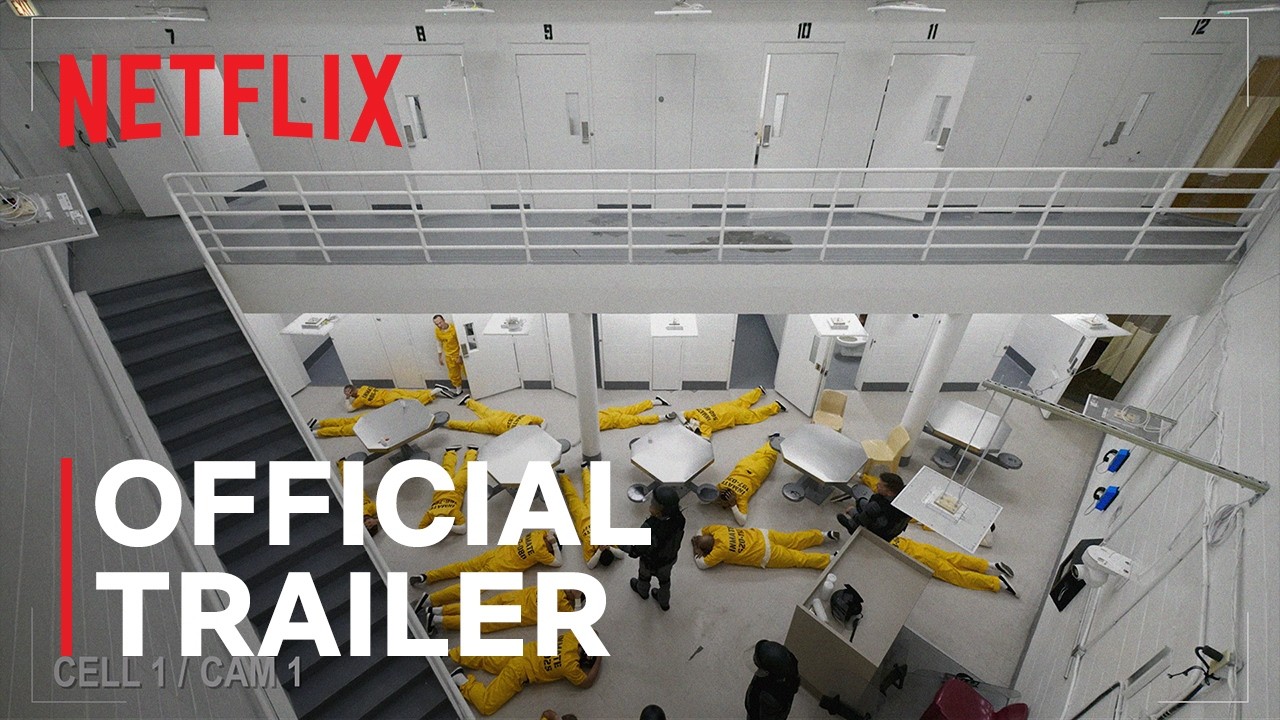
Rounding out the notable entries in the current chart is the reality-based series The New Stanford Prison Experiment. The show draws its conceptual framework from the infamous 1971 psychological study conducted by Philip Zimbardo at Stanford University, an academic endeavor that was notoriously aborted after six days due to severe psychological trauma inflicted on participants, and which has since faced intense academic scrutiny and allegations of methodological flaws.

Rather than attempting a rigorous scientific inquiry, Netflix’s reality spin utilizes the premise as an artificial framework for an entertainment-focused social experiment. The series places 30 participants inside a meticulously constructed high-security prison simulation, randomly assigning them the roles of either inmates or guards. Over a two-week period, the production monitors the evolution of power dynamics, behavioral shifts, and interpersonal conflicts.
While contemporary psychologists and ethicists emphasize that modern reality productions operate under strict safety guidelines and regulatory oversight to prevent genuine psychological harm or abuse, the show functions primarily as a voyeuristic exploration of human behavior under institutional constraints. Its presence in the Top 10 highlights the enduring commercial viability of high-conflict reality programming designed for passive or secondary viewing.
Broader Industry Implications and Streaming Trends
The composition of the current Netflix Top 10 illustrates several broader trends within the subscription video-on-demand (SVOD) market. First, the strategic blend of original scripted content (Nobody Wants This), acquired prestige genre television (From), and unscripted social experiments (The New Stanford Prison Experiment) demonstrates a diversified programming approach designed to capture segmented audiences.
Furthermore, the data underscores the increasing importance of multi-platform distribution models. By licensing original content from rival networks or platforms, streamers like Netflix can revitalize older properties, introducing them to global audiences who may not have subscribed to niche services. This practice not only maximizes the commercial lifecycle of television intellectual property but also heavily influences cultural zeitgeist trends, as evidenced by the sudden surge in online discussions surrounding acquired titles.
As the streaming industry navigates an increasingly competitive marketplace characterized by subscriber acquisition costs and content saturation, performance metrics from the weekly Top 10 lists remain a critical barometer for measuring consumer engagement. The current lineup proves that while high-end serialized dramas retain prestige value, audiences continue to show an immense appetite for accessible, highly bingeable formats spanning comfort comedy, suspenseful horror, and provocative unscripted entertainment.
Related posts: