Range Rover Unveils Electrified GT: A Bold New Chapter in Luxury Grand Touring

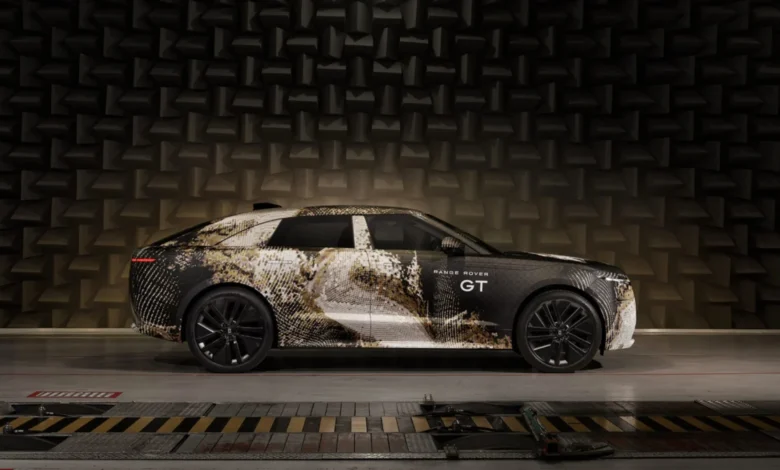
Range Rover is embarking on a significant evolution with the upcoming Range Rover GT, a vehicle poised to redefine the luxury grand touring segment. This new model, built on the company’s advanced EMA electrified architecture, represents a deliberate and obsessive focus on the core principles of the GT formula, reinterpreted through Range Rover’s signature lens of sophistication and capability. Martin Limpert, managing director of Range Rover, articulated the brand’s ambitious vision for the GT, stating, "We have spent the last few years working obsessively on the fundamentals of the GT formula, reinterpreted in a sophisticated, uniquely Range Rover way. The result is the most car-like, yet unmistakably capable, Range Rover ever created, now possible on our electrified EMA architecture – complementing our existing powertrain portfolio to deliver a complete set of options for every customer need. Its blend of effortless EV performance, first-class long-haul refinement and all-terrain capability is pure Range Rover; while its calming interior previews our vision of a modern grand tourer."
The introduction of the Range Rover GT marks a pivotal moment for the marque, signaling a deeper commitment to electrification and a diversification of its product offering beyond the traditional SUV form factor. While Range Rover has long been synonymous with robust off-road prowess and opulent interiors, the GT aims to blend these established strengths with the dynamic agility and refined comfort expected of a premier grand tourer. This strategic move positions Range Rover to compete in a segment that is increasingly attractive to affluent consumers seeking vehicles that offer both exhilarating performance and the practicality for extended journeys.
A New Electrified Architecture: The EMA Platform
Central to the Range Rover GT’s development is the new Electrified Modular Architecture (EMA) platform. This is the company’s third dedicated electrifiable platform, joining the already established MLA (Modular Longitudinal Architecture), which underpins the current generation of Range Rovers, and the JEA platform, currently being developed by Jaguar for its forthcoming Type 01. The JEA platform is also destined to underpin a four-door grand tourer from Jaguar, which is slated for debut later this year, suggesting a shared technological foundation and a collaborative approach to electrification within the wider automotive group.
The EMA platform is designed to be highly adaptable, accommodating a range of powertrain configurations, with a strong emphasis on electric propulsion. This allows the Range Rover GT to deliver what Limpert described as "effortless EV performance." The integration of electric powertrains is crucial for meeting increasingly stringent emissions regulations worldwide and for catering to a growing consumer demand for sustainable luxury vehicles. Furthermore, the EMA architecture’s inherent flexibility is expected to enable Range Rover to offer a diverse portfolio of powertrains for the GT, ensuring that customers can select an option that best suits their individual needs and preferences, whether that leans towards pure electric driving, hybrid performance, or even advanced internal combustion engine options in the future, all built upon this electrified foundation.
Redefining the Interior: Ultraminimalist Luxury
Range Rover provided a glimpse into the GT’s interior, revealing a design philosophy that starkly contrasts with the cabins of its existing SUV lineup. The showcased interior is described as "ultraminimalist," at least on initial inspection. This design approach prioritizes clean lines, uncluttered surfaces, and a focus on essential controls, creating an environment of calm and serenity. However, this minimalist aesthetic does not come at the expense of functionality or safety. The design team has meticulously ensured that the interior adheres to the rigorous safety regulations set forth by European and international authorities, which mandate the inclusion of physical controls for certain critical functions.
A notable departure from contemporary automotive trends is Range Rover’s decision to eschew a third screen for the front passenger. Instead, the GT will feature two primary OLED screens: one serving as the main instrument display for the driver and another as the central infotainment touchscreen. This dual-screen setup is expected to offer a seamless and intuitive user experience, providing access to navigation, entertainment, and vehicle settings without overwhelming the driver or passenger. The inclusion of a standard head-up display (HUD) further enhances driver focus by projecting essential information directly onto the windshield, allowing for minimal distraction from the road ahead. The OLED technology promises vibrant visuals, deep blacks, and exceptional clarity, contributing to the premium feel of the interior.
The overarching theme of the interior design is to offer a "calming interior" that previews Range Rover’s evolving vision of a modern grand tourer. This suggests an emphasis on tactile materials, sophisticated ambient lighting, and advanced sound insulation to create a sanctuary-like experience for occupants during long journeys. The aim is to provide a space that is both technologically advanced and deeply relaxing, fostering a sense of well-being for both driver and passengers.
A Sophisticated Reinterpretation of the GT Formula
The concept of a grand tourer traditionally embodies a vehicle capable of covering vast distances in comfort and style, often with a focus on performance and luxury. Range Rover’s interpretation of this formula, as articulated by Limpert, is built on a foundation of "obsessive" work on the "fundamentals of the GT formula." This implies a deep dive into what makes a grand tourer truly exceptional, focusing on aspects like driving dynamics, ride comfort, acoustic refinement, and the seamless integration of technology.
The "uniquely Range Rover way" suggests that the GT will retain the brand’s hallmark attributes of robust build quality, exceptional all-terrain capability (even if not the primary focus), and a sense of inherent strength and security. However, the "most car-like" descriptor indicates a significant shift in the driving experience. This suggests a more engaging and agile chassis, a lower center of gravity, and a more direct steering feel compared to Range Rover’s traditional SUV offerings. The intention is to create a vehicle that is not only comfortable on the open road but also enjoyable to drive, with a responsiveness that befits a grand tourer.
The "effortless EV performance" is a key differentiator. Electric powertrains offer instant torque, which translates into rapid acceleration and a smooth, linear power delivery that is ideally suited for grand touring. This electric capability, combined with the expected refinement and long-haul comfort, aims to create a driving experience that is both exhilarating and serene.
Broader Context and Implications for the Automotive Landscape
The introduction of the Range Rover GT is part of a broader trend within the luxury automotive sector, where established brands are increasingly exploring new vehicle segments and electrification strategies to remain competitive. As consumer preferences evolve and environmental concerns gain prominence, manufacturers are compelled to innovate and diversify their portfolios.
The strategic alignment with Jaguar’s forthcoming Type 01, both utilizing shared platform technology, highlights a potential for increased synergy and cost efficiencies within the automotive group. This collaborative approach to platform development can accelerate the introduction of new technologies and models, allowing the brands to respond more effectively to market demands.
The emphasis on a minimalist yet safe interior design reflects a growing awareness among automakers of the need to balance technological advancement with intuitive usability and regulatory compliance. The debate around the optimal number and placement of physical controls in vehicles is ongoing, with safety regulators playing a crucial role in shaping interior design trends. Range Rover’s approach appears to be a measured one, embracing modern aesthetics while ensuring that essential functions remain accessible and easy to operate.
The Range Rover GT’s success will likely depend on its ability to deliver a compelling blend of luxury, performance, and practicality that resonates with discerning buyers. The brand’s established reputation for quality and desirability provides a strong foundation, but the GT will need to prove its mettle in a segment that already features formidable competitors.
Timeline and Future Outlook
While specific details regarding the Range Rover GT’s launch date and full specifications remain under wraps, Range Rover has indicated that more information, including details about its exterior design, will be revealed later this year. This suggests a potential debut at a major automotive event in the latter half of 2024 or early 2025. The development timeline, spanning "the last few years," underscores the significant investment and meticulous planning that has gone into this project.
The forthcoming reveal will be eagerly anticipated by automotive enthusiasts and industry observers alike, as it will offer the first definitive look at this ambitious new model. The success of the Range Rover GT could pave the way for further expansion of Range Rover’s model lineup into non-traditional segments, solidifying its position as a versatile and forward-thinking luxury automotive brand. The evolution of the GT formula, coupled with a strong commitment to electrification and refined interior design, positions the Range Rover GT as a significant contender in the future of luxury grand touring.