KubeCon + CloudNativeCon North America 2026: Navigating the Future of Open Source Infrastructure in Salt Lake City

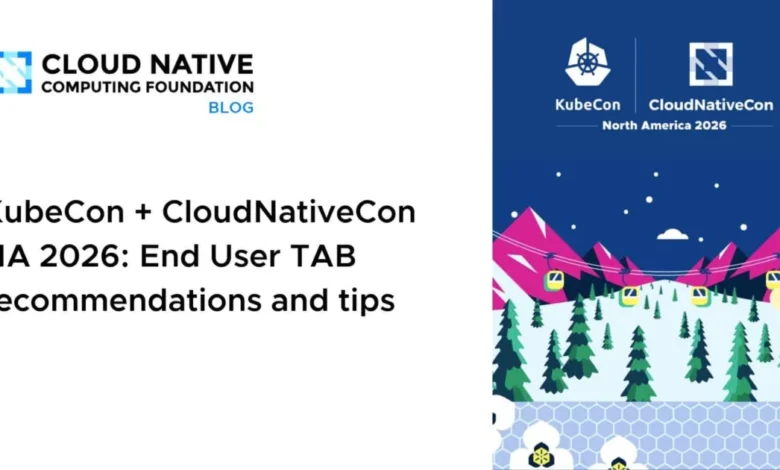
The cloud-native ecosystem descends upon Salt Lake City this week for KubeCon + CloudNativeCon North America 2026, an event that serves as the primary barometer for the health and direction of the open-source software industry. As the flagship conference organized by the Cloud Native Computing Foundation (CNCF), this gathering represents the culmination of a year defined by the rapid maturation of AI infrastructure, the scaling of platform engineering, and the increasing reliance of global enterprises on Kubernetes-centric architectures. With thousands of attendees expected, including developers, operators, and executive leadership, the event provides a critical nexus for the intersection of emerging technology and production-grade reliability.
A Chronology of Growth: From Niche to Industry Standard
Since its inception, KubeCon has evolved from a small gathering of engineers to a massive international phenomenon. The 2026 edition marks a significant milestone in this trajectory. Looking back at the timeline of the CNCF’s expansion, the transition from the early days of container orchestration advocacy to the current era of "Cloud Native 2.0" is evident. In 2016, the event hosted fewer than 1,000 attendees; today, the footprint has expanded to accommodate tens of thousands, reflecting the ubiquity of Kubernetes as the operating system of the modern cloud.
The 2026 event schedule in Salt Lake City arrives on the heels of the successful KubeCon Europe in Amsterdam, held in March. Amsterdam served as the proving ground for several new session formats, most notably the Birds of Feather (BoF) sessions, which prioritized collaborative dialogue over traditional one-way presentations. The success of these interactive formats in Europe has prompted the CNCF to formalize and expand them for the North American audience, emphasizing the organization’s shift toward community-led, bottom-up knowledge sharing.
The End User Advisory Board (TAB) and Strategic Governance
Central to the integrity of the CNCF ecosystem is the End User Technical Advisory Board (TAB). Comprising representatives from organizations that are significant consumers of open-source technology—such as Boeing, various government agencies, and major telecommunications providers—the TAB acts as a bridge between the software maintainers and the enterprises running that software at scale.
For the 2026 North American event, the TAB has curated a specific track designed to address the challenges faced by large-scale operators. This year, the focus has shifted toward the institutionalization of "User Groups." These groups, which the TAB officially sanctioned earlier this year, focus on four critical pillars: Platform Engineering, Public Sector, Telecom, and Research. By creating these dedicated silos, the CNCF aims to provide a tailored environment for professionals to discuss sector-specific compliance, performance, and operational hurdles that are often overlooked in general-purpose tracks.
The Rise of Agentic AI and Infrastructure Complexity
One of the most anticipated components of the Salt Lake City agenda is the deep dive into Agentic AI deployments. Unlike traditional AI applications that rely on static models, Agentic AI involves autonomous software agents that can reason, plan, and execute tasks across distributed systems. The implications for cloud-native infrastructure are profound.
The TAB is hosting a live, collaborative session to attempt the construction of a reference architecture for Agentic AI. This "live build" approach is an acknowledgment of the current state of the industry: the technology is moving faster than standard documentation can keep up. Analysts note that as organizations pivot toward autonomous agent architectures, the demand for GPU efficiency, high-speed observability, and low-latency orchestration is reaching an all-time high. The goal of this session is to provide attendees with a real-world, albeit experimental, framework that they can adapt to their own enterprise requirements.
Enhancing Engagement: Town Halls and Poster Sessions
To bridge the gap between project maintainers and end users, the CNCF has opted to maintain the structural changes introduced in Amsterdam, specifically the placement of the TAB Town Hall within the project pavilion. By physically locating the leadership and oversight board in the heart of the project ecosystem, the CNCF ensures that the most pressing questions from the field are addressed in proximity to the technology itself.
Furthermore, the 2026 schedule highlights the importance of the "Poster Session." Often relegated to the periphery in smaller conferences, KubeCon’s poster sessions provide a high-fidelity environment for deep-dive technical discussions. These sessions allow engineers to present complex architectural diagrams or performance data directly to peers, facilitating the kind of peer-to-peer mentoring that is essential in a rapidly changing technical landscape.
Analysis: The Impact on Enterprise Adoption
The implications of this year’s KubeCon for the broader software industry are significant. As organizations continue to migrate legacy workloads to cloud-native environments, the emphasis has shifted from "How do we deploy containers?" to "How do we manage the lifecycle, security, and cost of complex, distributed AI systems at scale?"
Data suggests that 2026 will be the year of operational consolidation. While the hype cycle for AI continues to dominate headlines, the underlying technical reality is that enterprises are seeking stability. The TAB’s focus on Platform Engineering reflects this shift; companies are no longer interested in fragmented toolchains. Instead, they are looking for integrated platforms that offer a unified developer experience (DevEx) while maintaining the agility of open-source projects.
Furthermore, the inclusion of the Public Sector and Telecom user groups indicates that cloud-native technology has reached a level of maturity required for high-security, highly regulated environments. The discussions in Salt Lake City regarding policy-as-code, zero-trust security models, and sovereign cloud deployments are expected to set the standard for government and critical infrastructure for the remainder of the decade.
Official Perspectives and Community Sentiment
While the event is primarily driven by the community, the reactions from industry leaders have been overwhelmingly positive regarding the move toward more interactive sessions. The consensus among the TAB members, including representatives from Boeing and other major global firms, is that the era of passive consumption of technical content is waning.
"The shift we are seeing in 2026 is one of active participation," says one industry observer familiar with the conference planning. "End users are no longer just looking for vendor pitches; they are looking for architectural validation and peer-to-peer troubleshooting. The TAB’s decision to put the Town Hall in the pavilion and host live architectural builds is a direct response to that demand."
Looking Ahead: The Future of Cloud Native
As KubeCon + CloudNativeCon North America 2026 unfolds in Salt Lake City, the focus remains firmly on the future of the cloud-native stack. With the introduction of specialized user groups and the collaborative focus on Agentic AI, the CNCF is positioning itself as more than just a host for an annual event; it is acting as a governing body for the next generation of computing infrastructure.
The coming days will undoubtedly produce a wealth of technical documentation, architectural patterns, and community-led initiatives that will shape the industry for the next year. Attendees are encouraged to lean into the interactive nature of the event, particularly the BoF sessions, as these are expected to yield the most actionable insights for those grappling with the transition to autonomous and AI-driven infrastructure.
In summary, the 2026 edition of the conference is characterized by a mature, practical, and highly collaborative spirit. Whether through the direct engagement of the TAB or the experimental nature of the live AI architecture builds, the event underscores a vital truth: the future of cloud-native computing will not be built by any single vendor, but through the rigorous, collective effort of a global community dedicated to solving the most challenging problems in modern software engineering. As the conference proceeds, the outcomes of these discussions will surely serve as the roadmap for the industry’s ongoing digital transformation.