Get Ready for Halloween with These Iconic Horror Funko Pop Collectibles Available on Amazon Now

The commercial and cultural footprint of horror-themed merchandise expands significantly during the autumn months, culminating in a surge of consumer interest in collectible pop-culture memorabilia as October 31 approaches. Among the most prominent entities in the pop-culture collectibles industry is Funko, Inc., a company renowned for its stylized vinyl figurines featuring oversized heads and distinct aesthetic proportions. As the Halloween season reaches its peak, horror enthusiasts and pop-culture collectors are turning their attention to Amazon to secure some of the most recognizable figures from cinematic and interactive entertainment history.
This year’s seasonal lineup features a meticulously curated selection of characters spanning decades of classic and contemporary horror cinema, alongside iconic figures from psychological survival horror video games. Prominent additions to the current retail marketplace include the possessed Regan MacNiel from William Friedkin’s 1973 cinematic masterpiece The Exorcist, Ghostface from Wes Craven’s seminal 1996 slasher film Scream, and the deeply unsettling Art the Clown from Damien Leone’s modern slasher franchise Terrifier. Expanding beyond traditional film adaptations, the collection also incorporates complex video game iconography, most notably Pyramid Head from Konami’s critically acclaimed survival horror franchise Silent Hill. With these items readily available through major online distribution channels such as Amazon, consumers retain access to expedited shipping options designed to deliver collectibles prior to the holiday.
The Evolution and Cultural Phenomenon of Funko Pops
To understand the enduring popularity of the horror-themed vinyl figures, it is necessary to examine the broader trajectory of Funko, Inc. Founded in 1998 by Mike Becker as a small project that initially created nostalgic bobbleheads, the company underwent a significant corporate restructuring in 2005 under the leadership of current CEO Brian Mariotti. Under Mariotti’s direction, the enterprise shifted its primary focus toward acquiring high-profile intellectual property licenses, including properties owned by Disney, Warner Bros., Marvel, DC Comics, and various major motion picture studios.
The introduction of the "Pop! Vinyl" line in 2010 marked a watershed moment for the company. Characterized by uniform sizing, minimalist facial features, and a distinct chibi-inspired aesthetic, these figures successfully bridged the gap between traditional action figures and high-end artistic designer vinyls. Over the subsequent decade and a half, Funko expanded its catalog to encompass thousands of distinct characters, establishing dedicated sub-categories for animation, music, sports, video games, and horror.
The horror genre, in particular, has proven to be a lucrative and passionate market segment for the manufacturer. By transforming terrifying cinematic antagonists into stylized, collectible objects, Funko effectively democratized horror memorabilia, making it accessible to a demographic that spans casual moviegoers, dedicated cinephiles, and hardcore toy collectors. Figures depicting classic universal monsters—such as Frankenstein’s Monster, Dracula, and the Wolf Man—paved the way for modern slasher villains, supernatural entities, and cult-classic icons to enter the vinyl marketplace.
Featured Figures in the Seasonal Horror Lineup
The current array of horror-themed Funko Pops available for purchase highlights a diverse cross-section of terror archetypes, capturing decades of evolution within the genre.
Cinematic Classics and Psychological Terror
Among the most historically significant pieces in the current retail landscape is the Regan MacNiel figure from The Exorcist. Representing a milestone in supernatural horror cinema, the character’s translation into the Pop! format captures the haunting imagery of the 1973 film. The design typically incorporates details such as the character’s nightgown and expressions referencing the iconic possession sequences, appealing directly to collectors of classic 1970s cinema.
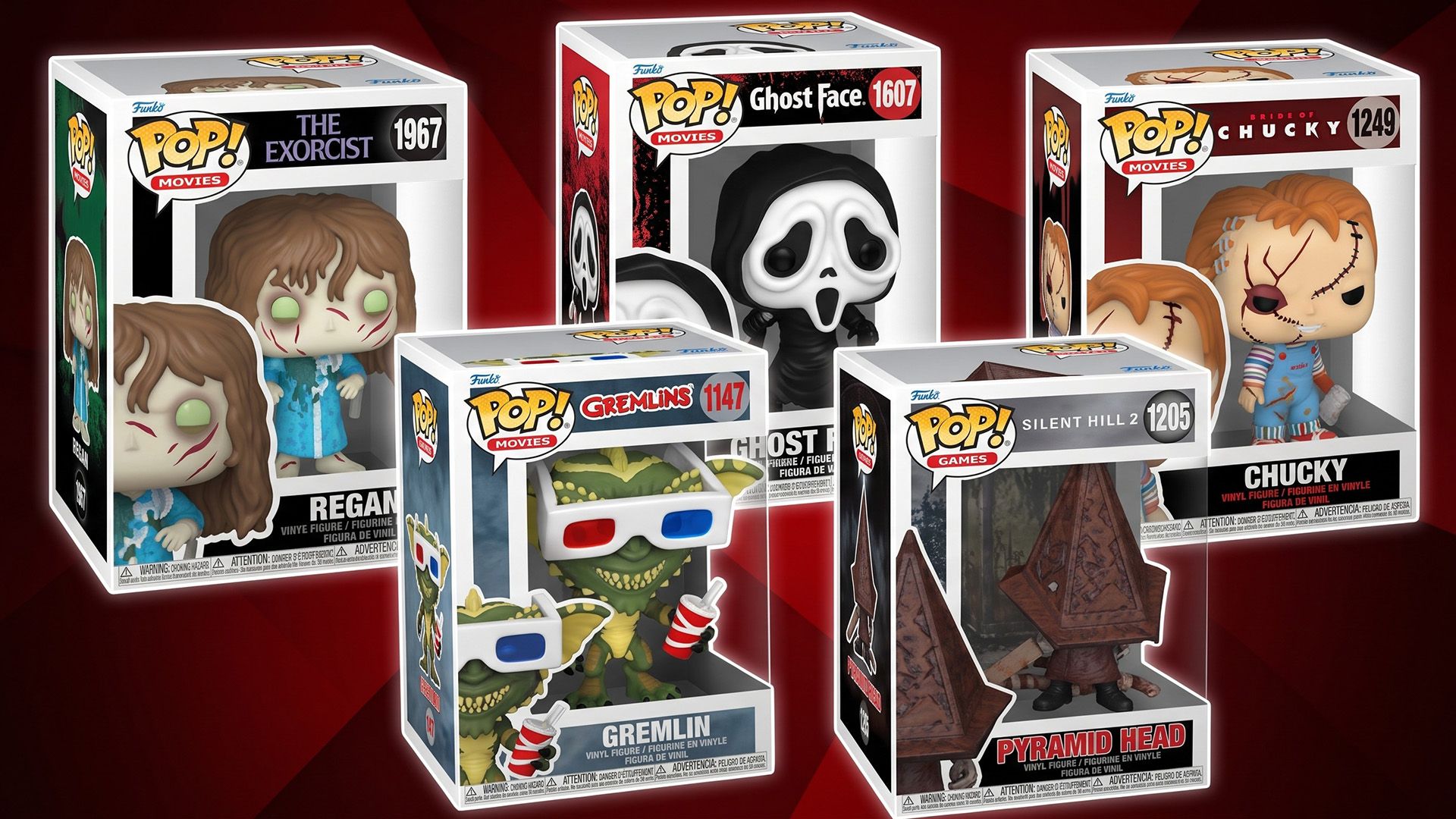
Moving into the realm of modern slasher history, Ghostface from the Scream franchise remains a staple of Halloween retail inventory. Since the release of the original film in 1996, the character’s distinct mask—inspired by Edvard Munch’s painting The Scream—has become an enduring symbol of meta-horror. The Funko rendition preserves the simplicity and menace of the costume, making it a recognizable centerpiece for horror displays.
Modern Slasher Phenomena
In recent years, the independent horror scene has made a profound impact on mainstream pop culture, largely driven by the success of the Terrifier franchise. Art the Clown, portrayed by David Howard Thornton in films directed by Damien Leone, has rapidly ascended to the pantheon of modern horror icons. The inclusion of Art the Clown in the Funko Pop catalog reflects the company’s responsiveness to contemporary cinematic trends and the shifting preferences of horror fandom, which increasingly embraces avant-garde and extreme indie productions.
Interactive Horror and Video Game Adaptations
Expanding beyond traditional cinematic mediums, the incorporation of video game antagonists demonstrates the convergence of interactive media and collectible culture. Pyramid Head, the nightmarish executioner originating from Konami’s Silent Hill 2 (2001), represents a pinnacle of psychological horror design. Characterized by a massive pyramidal metal helmet and a butcher’s smock, the character’s translation into a stylized vinyl figure provides a unique juxtaposition between horrific violence and collectible consumer goods, satisfying enthusiasts of survival horror gaming.
Retail Availability and the Logistics of Seasonal Demand
The timing of these product offerings aligns with broader retail trends that characterize the fourth quarter of the calendar year. According to market research examining seasonal consumer behavior, sales of horror-related merchandise experience a sharp upward trajectory beginning in September and peaking on October 31. Retailers, both brick-and-mortar and digital platforms like Amazon, strategically bolster their inventory of licensed pop-culture memorabilia to capture this concentrated period of consumer enthusiasm.
Amazon’s logistics infrastructure plays a critical role in facilitating the acquisition of these collectibles. With options for Prime shipping, consumers across major metropolitan and rural markets alike can secure items with guaranteed delivery dates ahead of Halloween gatherings, costume parties, and themed events. Furthermore, the digital marketplace allows collectors to monitor pricing fluctuations, assess third-party seller reliability, and read verified customer reviews regarding the condition of packaging—a critical factor for serious collectors who prioritize mint-condition boxes.
Broader Economic and Cultural Implications
The market for licensed pop-culture collectibles has evolved into a multibillion-dollar global industry, with companies continually innovating to maintain consumer engagement in an increasingly crowded marketplace. The success of horror-themed merchandise points to a broader cultural shift wherein horror is no longer relegated to a marginalized cinematic subgenre, but functions as a mainstream pillar of entertainment consumption.
Industry analysts note several key drivers behind the sustained growth of the collectible sector:
- The Nostalgia Factor: Consumers frequently purchase items tied to cinematic milestones of their youth, transforming pop culture artifacts into tangible connections with personal history.
- In-Box Versus Out-of-Box Collecting: The division between collectors who preserve packaging integrity for investment purposes and those who display figures openly has created a resilient secondary market, with rare or vaulted figures occasionally commanding significant appreciation in value.
- Community Engagement: Platforms and digital spaces dedicated to toy collecting foster a sense of community among enthusiasts, driving demand for specific releases through peer validation and social media visibility.
As the retail landscape continues to adapt to digital commerce and changing consumer habits, the intersection of pop culture, seasonal retail, and nostalgic collecting remains remarkably robust. For horror enthusiasts looking to commemorate the Halloween season, the current availability of figures representing icons like Regan, Ghostface, Art the Clown, and Pyramid Head offers a tangible method of celebrating a cinematic and interactive tradition that continues to captivate global audiences.