Unannounced Apple Products Discovered in Software Code Reveal Upcoming Fall Lineup Including iPad Mini 8, iPad 12, HomePod Mini 2, and Apple TV 4K

Apple Inc. finds itself at the center of a fresh wave of consumer technology speculation following a notable software leak. Fresh references and product imagery concerning four unannounced hardware devices have been unearthed within the company’s internal operating system code. The discovery, brought to light by software researcher Aaron Perris and widely corroborated across development communities, points to an imminent refresh across several of Apple’s most popular product categories.
The leaked files indicate that Apple is preparing to unveil iterative and major upgrades to the iPad mini, the entry-level standard iPad, the HomePod mini smart speaker, and the Apple TV 4K set-top box. Because these product assets were embedded directly within mainstream software code repositories, industry analysts and hardware insiders suggest that consumer releases could materialize as early as October. This anticipated hardware cadence aligns with Apple’s historical preference for mid-autumn product refreshes, a window where the technology giant frequently updates peripheral and secondary computing devices ahead of the lucrative holiday shopping season.
Main Facts of the Software Discovery
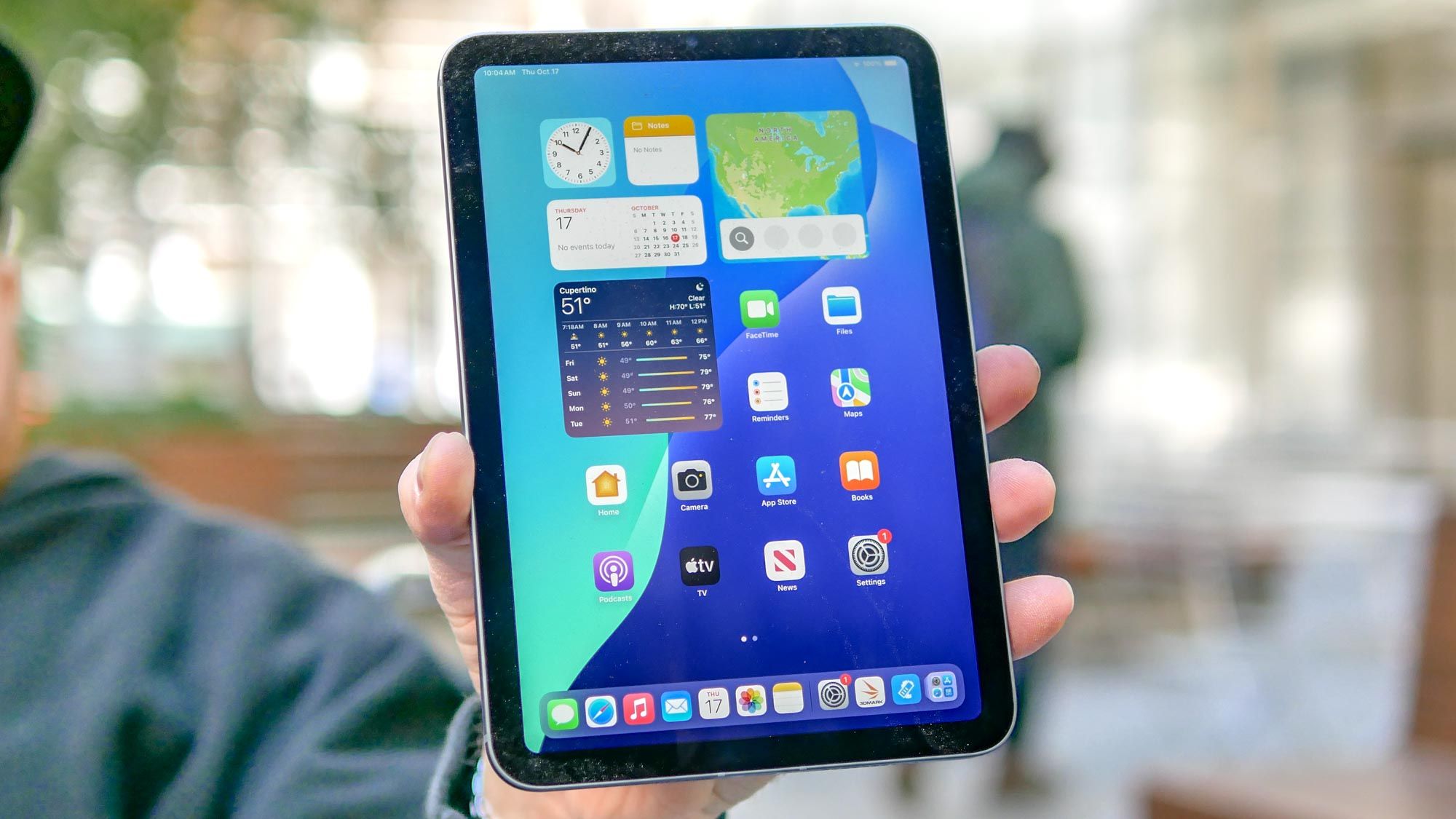
The code excavation uncovered four specific unreleased devices: the fourth-generation Apple TV 4K, the twelfth-generation entry-level iPad, the eighth-generation iPad mini, and the second-generation HomePod mini. While the appearance of these devices in code does not constitute an official product launch announcement by Apple, inclusion in production-level operating system builds typically signals that hardware validation and software integration phases are nearing completion.
Among the most compelling findings is the overarching integration of advanced processing architectures capable of supporting Apple Intelligence, the company’s suite of generative artificial intelligence features and advanced Siri capabilities. Previous iterations of several entry-level devices lacked the necessary neural processing units or unified memory configurations to run these intensive localized AI workloads. The inclusion of upgraded silicon across this newly discovered quartet suggests that Apple is aggressively moving to democratize its artificial intelligence ecosystem, ensuring that even mid-tier and peripheral devices remain fully integrated into the company’s broader software roadmap.
Chronology of Rumors and Pre-Leap Context
The trajectory leading up to this software discovery spans several years of iterative supply chain speculation and patent filings. The Apple TV 4K, for instance, has remained largely stagnant in physical form factor since its third-generation release, keeping developers and consumers waiting for a modernized media hub. Similarly, the HomePod mini has been a frequent subject of rumor mill activity since 2023, with consumers anticipating acoustic improvements and broader smart home integration following the discontinuation of the original full-sized HomePod and the ongoing evolution of Apple’s HomeKit architecture.
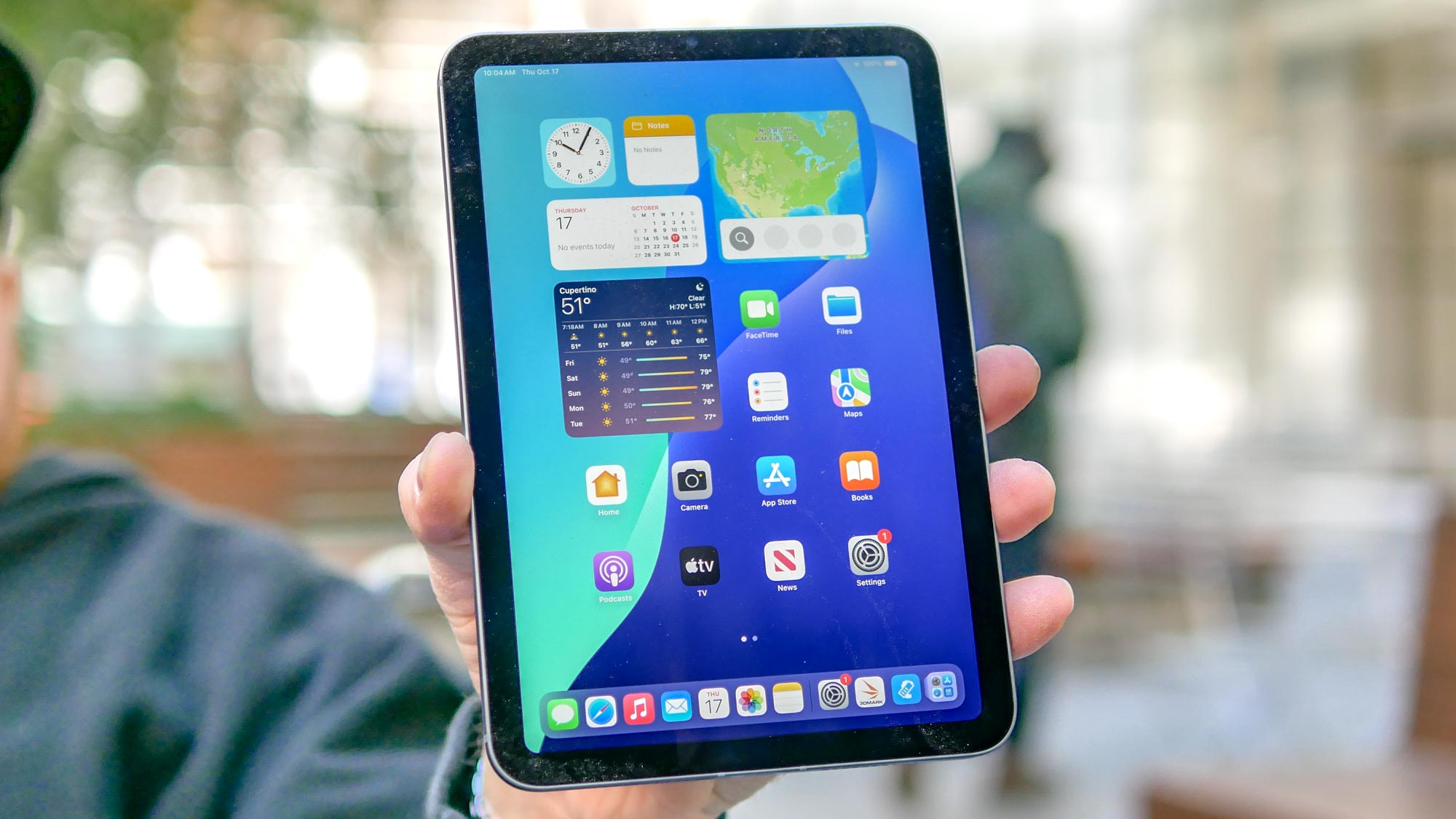
The iPad lineup has experienced a similarly complex timeline. The entry-level iPad has traditionally occupied the budget-conscious education and household market, while the iPad mini has carved out a dedicated niche for digital readers, note-takers, and mobile professionals seeking a highly portable form factor. By consolidating these updates into a singular code drop, Apple appears to be synchronizing its manufacturing and marketing pipelines for a unified autumn hardware blitz.
Detailed Breakdown of the Leaked Hardware Lineup
Apple TV 4K (Fourth Generation)
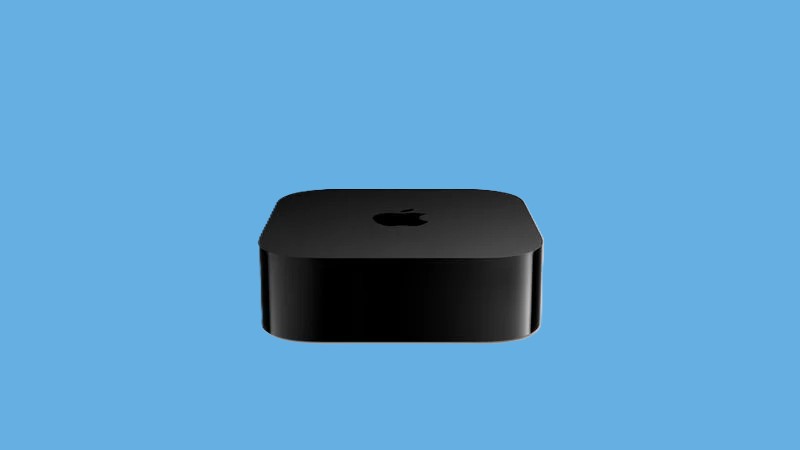
According to the discovered assets, the forthcoming fourth-generation Apple TV 4K will maintain the physical aesthetic and footprint of its predecessor. However, the internal architecture is slated for a substantial overhaul. Rumors point to the inclusion of a high-performance system-on-chip—ranging from an A17 Pro up to prospective A-series variants—paired with expanded RAM allocations. This performance boost is required to handle the processing overhead of Apple Intelligence features on living room displays. Additionally, the device is expected to incorporate an Apple-designed wireless networking chip, potentially supporting Wi-Fi 7 standards for lower latency streaming, alongside an updated physical remote control.
iPad 12
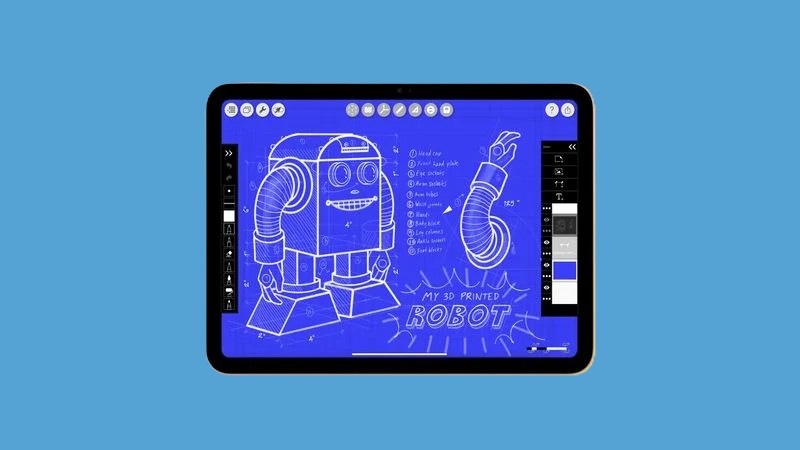
The entry-level iPad 12 represents a critical volume driver for Apple’s hardware division. Code references indicate that the device will transition to an A19 processor, accompanied by an Apple-developed C1X modem, an N1 networking chip, and 8GB of RAM. The jump to 8GB of unified memory is particularly significant, as it marks the baseline hardware requirement for running Apple Intelligence and localized machine learning models. Current owners of the iPad 11 have been locked out of these advanced AI features due to hardware constraints, making the iPad 12 a vital upgrade path for budget-conscious consumers seeking modern software compatibility.
iPad Mini 8
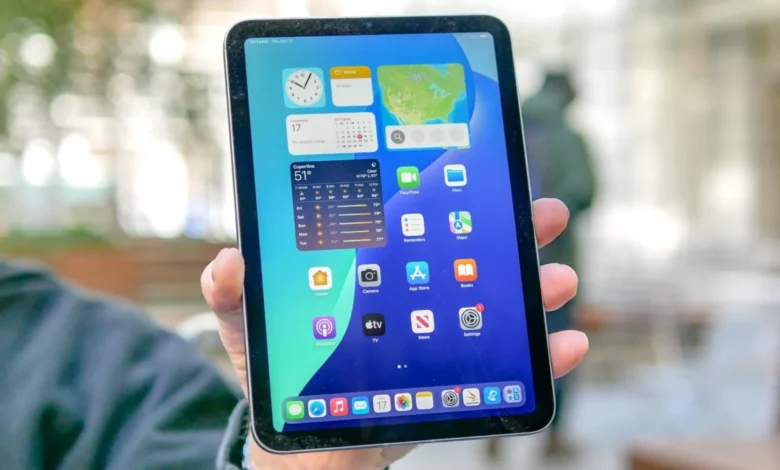
Perhaps the most surprising discovery surrounds the iPad mini 8. Initial industry consensus had heavily favored an OLED display upgrade for an October rollout under the iPad mini banner; however, the newly uncovered code places heavier emphasis on internal silicon advancements rather than screen technology. The code reveals the integration of an A20 Pro chip, a landscape-oriented front-facing camera positioning, and a redesigned internal speaker array. While the omission of explicit OLED references in this specific code segment does not definitively rule out a screen technology transition, it confirms that Apple’s smallest tablet is receiving a generational leap in raw computing power, moving far beyond the A17 Pro architecture found in the iPad mini 7 released two years prior.
HomePod Mini 2
The HomePod mini 2 appears poised for a vibrant refresh, with code-associated asset leaks indicating a five-color lineup consisting of white, black, green, blue, and a newly tinted pink variant. While retaining the compact spherical design of the original accessory, the second-generation smart speaker is expected to feature an upgraded internal chip capable of supporting localized Siri AI processing, alongside acoustic tuning designed to deliver improved audio fidelity and broader smart home interoperability.
Supporting Data and Market Implications
The concentration of these products in software repositories underscores a broader strategic pivot within Apple. Over the past several fiscal quarters, hardware sales have faced cyclical pressures as consumers retain personal electronics for longer periods. By ensuring that legacy-adjacent categories—such as set-top boxes, smart speakers, and standard tablets—gain access to advanced artificial intelligence tools, Apple is actively creating a compelling replacement cycle.
Industry analysts note that bringing Apple Intelligence to lower price points is essential for long-term software monetization. As services revenue becomes an increasingly vital pillar of Apple’s financial health, expanding the user base capable of interacting with advanced machine learning services, cloud-connected home hubs, and localized assistant tools directly supports the company’s broader ecosystem strategy.
Broader Industry Impact and Anticipated Release Window
As supply chain monitors and technology journalists dissect the implications of this software leak, attention now turns to official announcements from Cupertino. Industry consensus heavily points toward a coordinated product launch window before the end of October. Alongside these four discovered devices, market watchers anticipate potential updates to other product lines, including prospective M6-powered MacBooks and specialized smart home interface hardware.
Ultimately, the discovery of these unannounced products in operational code validates months of supply chain murmurs while providing a clear picture of Apple’s immediate product strategy. By prioritizing unified memory expansion, advanced proprietary silicon, and standardized AI compatibility across both premium and entry-level tiers, Apple is signaling that hardware maturation is no longer measured purely by physical redesigns, but by the depth of intelligent software integration across the entire device ecosystem.