Amazon Bedrock Managed Agents for OpenAI Integration and AWS Lifecycle Updates Overview

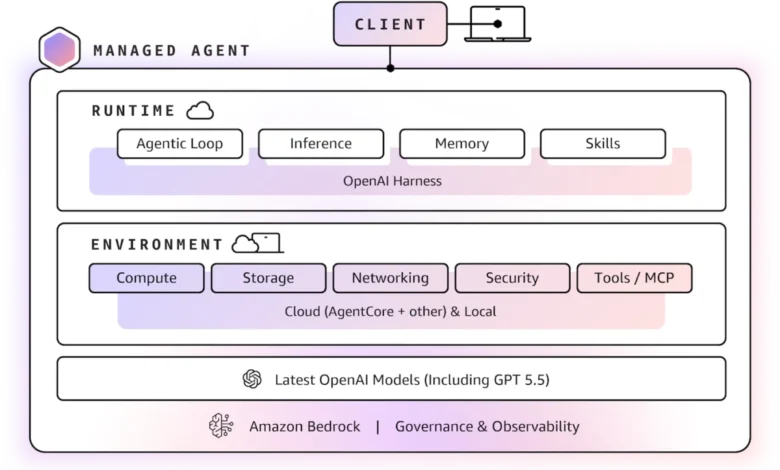
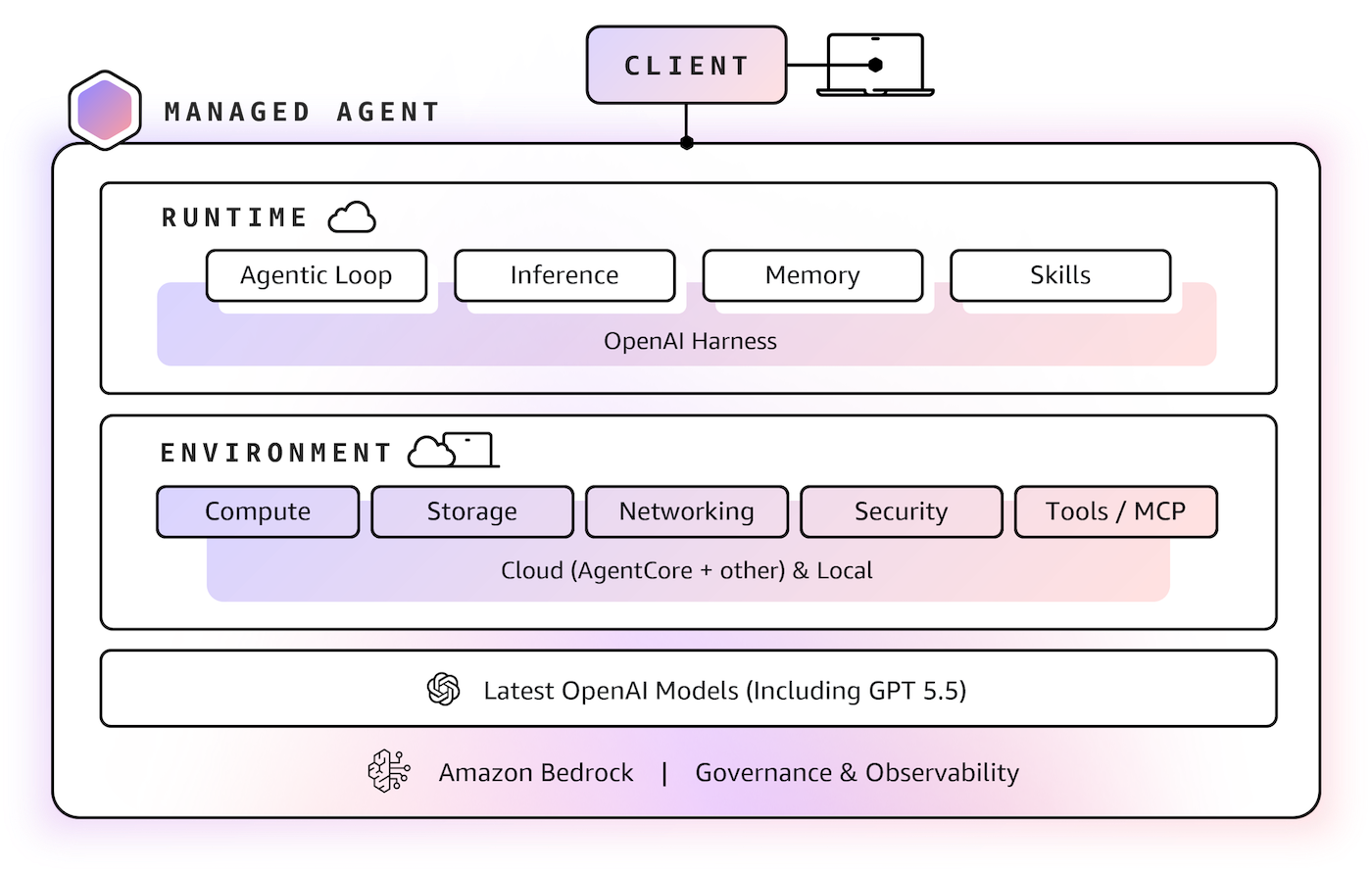
The recent introduction of Amazon Bedrock Managed Agents powered by OpenAI represents a significant shift in the strategic partnership between AWS and OpenAI, enabling developers to deploy sophisticated AI agents within the highly secure, governed environment of the AWS cloud. Announced in late September 2026, this integration bridges the gap between OpenAI’s advanced model architecture and the robust infrastructure requirements of enterprise-grade cloud computing. By utilizing a customized version of OpenAI’s Agents API, AWS has created a native pathway for businesses to leverage high-performance language models while maintaining strict compliance with AWS Identity and Access Management (IAM) protocols, VPC security, and existing data governance frameworks.
The Strategic Shift Toward Native Integration
Historically, developers seeking to utilize OpenAI’s frontier models within an AWS ecosystem faced challenges regarding data residency, latency, and fragmented security policies. The launch of Bedrock Managed Agents is designed to eliminate these barriers. By engineering the agents to be "AWS-native," the platform allows for a seamless execution environment that respects the customer’s existing AWS footprint.
The architecture provides two primary deployment modes. First, users may opt for self-hosted compute, which is ideal for organizations with existing containerized environments or specific on-premises development machines. Second, the introduction of the Amazon Bedrock AgentCore Runtime provides a fully managed solution. This runtime simplifies the operational burden by handling session state, scaling, and storage requirements within the user’s specific AWS account, ensuring that sensitive interaction data remains within the established cloud perimeter. This move is largely viewed by industry analysts as a critical step in AWS’s broader strategy to position Amazon Bedrock as the primary orchestration layer for heterogeneous model environments, including those built on non-Amazon foundation models.
Chronology of the Deployment and Public Preview
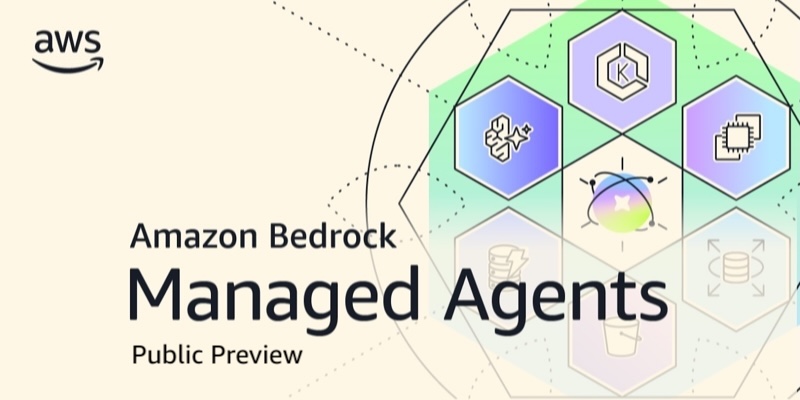
The road to this integration began with earlier iterations of the Bedrock platform, which initially focused on Amazon’s proprietary Titan models and a curated selection of third-party open-source alternatives. The integration of OpenAI represents a maturation of the Bedrock service, reflecting a market demand for flexibility. Following the internal testing phase, the public preview was initiated in the third week of September 2026, marking a rapid deployment cycle from development to public availability.
The timeline for adoption is structured to allow developers time to acclimate to the new API structures. As of October 2026, the documentation provided by Amazon includes comprehensive guides for configuring the AgentCore Runtime, reflecting a mature product roadmap. Furthermore, the synchronization with the "What’s New with AWS" portal underscores a commitment to transparent communication regarding service lifecycle and updates.
Technical Implications and Security Frameworks
The core value proposition of the Bedrock Managed Agents lies in the marriage of OpenAI’s reasoning capabilities with AWS security infrastructure. In traditional agentic architectures, managing API keys and securing outbound connections to external model providers often creates a significant attack surface. By housing the model execution inside a managed AWS environment, organizations can now apply standard AWS security policies to the agents themselves.
The integration utilizes standard AWS IAM roles, meaning that an agent’s access to S3 buckets, DynamoDB tables, or Lambda functions is governed by the same granular permissions that protect other critical business applications. This effectively treats the AI agent as a standard cloud resource, allowing for centralized auditing via AWS CloudTrail and monitoring through Amazon CloudWatch. For enterprises in highly regulated industries such as finance or healthcare, this level of observability is not merely a convenience—it is a functional requirement for compliance with data protection mandates like GDPR and HIPAA.
AWS Lifecycle Management and Service Evolution
Concurrent with the expansion of the Bedrock ecosystem, AWS has implemented a rigorous schedule for service lifecycle management. As of September 29, 2026, the company updated its Product Lifecycle Changes policy, providing a roadmap for legacy services that are reaching the end of their operational usefulness.
This policy is categorized into three distinct phases: Maintenance, Sunset, and End of Support. Services moving into the Maintenance phase, which prevents new customer access starting October 29, 2026, are essentially being phased out in favor of newer, more performant, or more secure alternatives. This cycle is part of a broader AWS initiative to prune its massive service portfolio, ensuring that engineering resources are concentrated on high-growth areas like generative AI and serverless computing.

For affected users, the AWS documentation provides migration paths and recommended alternatives. The company has emphasized that these changes are intended to reduce technical debt and ensure that the infrastructure remains optimized for the latest cloud-native technologies. Customers are encouraged to review the "AWS Product Lifecycle Changes" portal to assess whether any of their existing workloads are impacted by the upcoming October transition.
Market Context and Industry Reaction
The integration of OpenAI into the AWS Bedrock environment is a significant development in the "Model Wars" of the mid-2020s. While Microsoft maintains a deep, multi-layered partnership with OpenAI via its Azure cloud, the availability of OpenAI models on AWS Bedrock suggests that the industry is trending toward a multi-cloud approach to AI development.
From an economic standpoint, this allows companies to avoid vendor lock-in. A business might choose to run its primary data analytics on AWS while utilizing the specific reasoning strengths of an OpenAI-powered agent for front-end customer support. By providing these tools as managed services, AWS is effectively commoditizing the model provider, shifting the competitive battleground from "which model is best" to "which cloud provider offers the best tools to manage and scale those models."
Industry reactions have generally been positive, with many developers praising the reduced latency and improved reliability that come with running these agents inside the AWS network. However, some analysts have noted that the complexity of managing these agents—specifically in terms of cost estimation for the AgentCore Runtime—will require a learning curve for teams accustomed to simple API calls.
Future Outlook and Developer Engagement
As the industry moves toward the close of 2026, the focus for AWS is shifting toward developer enablement. With the upcoming re:Invent conference and various Community Day events, the platform is investing heavily in educating the developer community on how to build, test, and deploy these new agents effectively.
The AWS Builder Center is serving as a primary hub for this transition, offering tutorials and shared solutions that help developers navigate the nuances of the Bedrock integration. By facilitating peer-to-peer knowledge sharing, AWS aims to create a self-sustaining ecosystem of best practices.
The trajectory of Amazon Bedrock indicates that the platform will continue to expand its repertoire of foundation models, with additional frontier models expected to be integrated in the coming quarters. The goal is clear: to maintain the broadest and most reliable model-agnostic platform in the cloud industry. As businesses continue to integrate generative AI into their operational workflows, the ability to pivot between different models while maintaining a consistent security and management layer will likely become the definitive competitive advantage for cloud service providers.
In conclusion, the late 2026 updates from AWS mark a pivotal moment in cloud infrastructure. By balancing the aggressive expansion of cutting-edge AI capabilities with the disciplined management of service lifecycles, AWS continues to define the standards for enterprise-grade AI deployment. Organizations should view these developments as a prompt to evaluate their current AI strategies and consider how integrated, managed agents can streamline their path from prototype to production.