Securing On-Premises Kubernetes Clusters Through Modern Identity Federation and OIDC Integration

Access control belongs on the same day-zero checklist as networking and storage, yet for a staggering majority of on-premises Kubernetes deployments, it remains an afterthought. While managed cloud Kubernetes services, such as Amazon EKS, Google GKE, and Azure AKS, provide robust Identity and Access Management (IAM) or Single Sign-On (SSO) integrations out of the box, self-hosted clusters often rely on antiquated security models. These legacy setups typically default to static client certificates or long-lived bearer tokens—credentials issued once and rarely revisited, creating significant security vulnerabilities in enterprise environments.
The Identity Gap in On-Premises Infrastructure
The current state of self-hosted Kubernetes security is characterized by a "static credential trap." In many organizations, administrators distribute certificates to developers or operations teams. These credentials often persist indefinitely, remaining active long after an employee has transitioned to a new department or left the company entirely. Because these certificates are static, there is no inherent mechanism in the cluster’s authentication path to verify the current authorization status of the user.
Revoking such access is an administrative nightmare. It requires the manual identification and invalidation of every local file copy, a process that is rarely completed with 100% accuracy in practice. As soon as a team grows beyond a handful of users requiring granular, tiered access, the overhead of managing individual per-user, per-file permissions becomes a prohibitive operational burden. This "Identity Gap" is not merely an inconvenience; it is a critical security flaw that leaves organizations susceptible to unauthorized access and credential theft.
The Evolution of Cluster Authentication: A Chronology of Risk
The shift toward OIDC-based authentication has been driven by the increasing complexity of distributed systems. Historically, the Kubernetes API server relied heavily on static tokens and X.509 client certificates. During the early adoption phase of Kubernetes (2014–2017), the focus was primarily on functionality and orchestrating container workloads. Security, while present, was often deferred to perimeter defenses rather than identity-based access control.
By 2020, as Kubernetes became the standard for cloud-native infrastructure, the limitations of static authentication became clear. The rise of remote work and the proliferation of ephemeral, cloud-native tools necessitated a more dynamic approach. The industry began moving toward OpenID Connect (OIDC), an identity layer built on top of the OAuth 2.0 protocol. By 2026, the industry standard has shifted toward treating cluster access as an identity operation rather than a file management task.
Architecting Secure Access: The Three Pillars
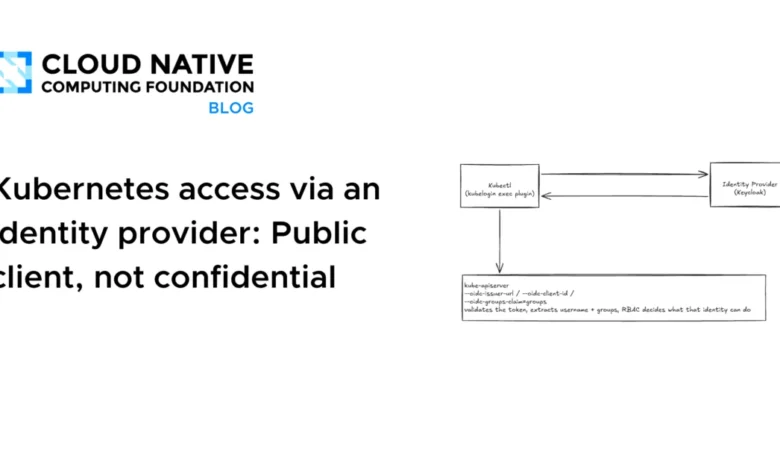
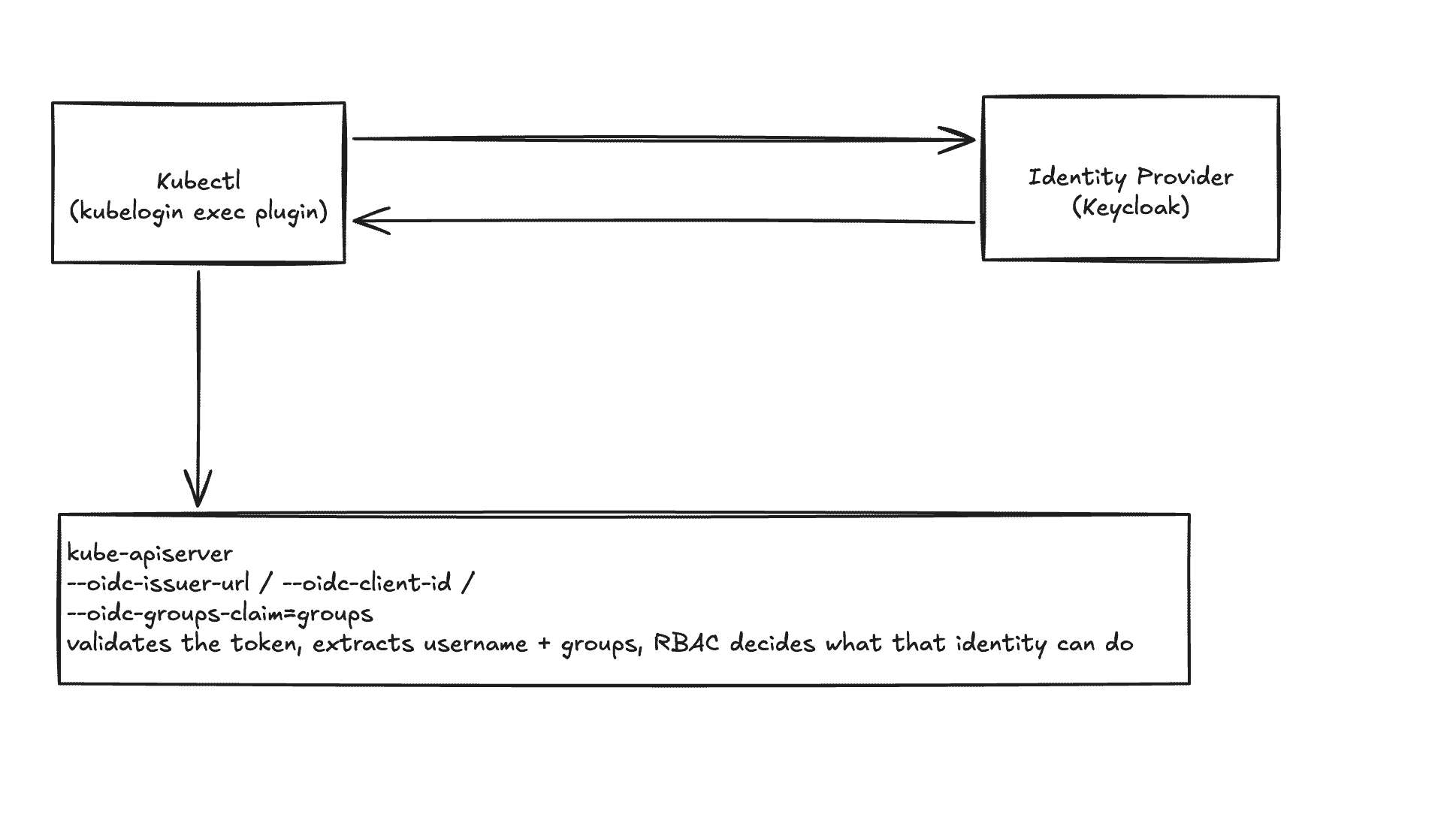
To bridge the identity gap, organizations must implement an identity provider (IdP), such as Keycloak, Okta, or Auth0, that is OIDC-compliant. The architecture relies on three distinct moving parts that must operate in concert: the IdP, the kubectl client with an exec-credential plugin, and the Kubernetes API server.
Unlike traditional setups where the client interacts directly with the API, the current best practice involves a kubectl exec-credential plugin—such as kubelogin (also known as kubectl oidc-login). This plugin acts as a mediator, intercepting the request, triggering a browser-based login flow with the IdP, and retrieving an ID token. The API server then validates this token against the IdP’s public signing keys. Crucially, the API server does not require constant network connectivity to the IdP, only the ability to fetch the signing keys periodically.
Strategic Implementation: Public vs. Confidential Clients
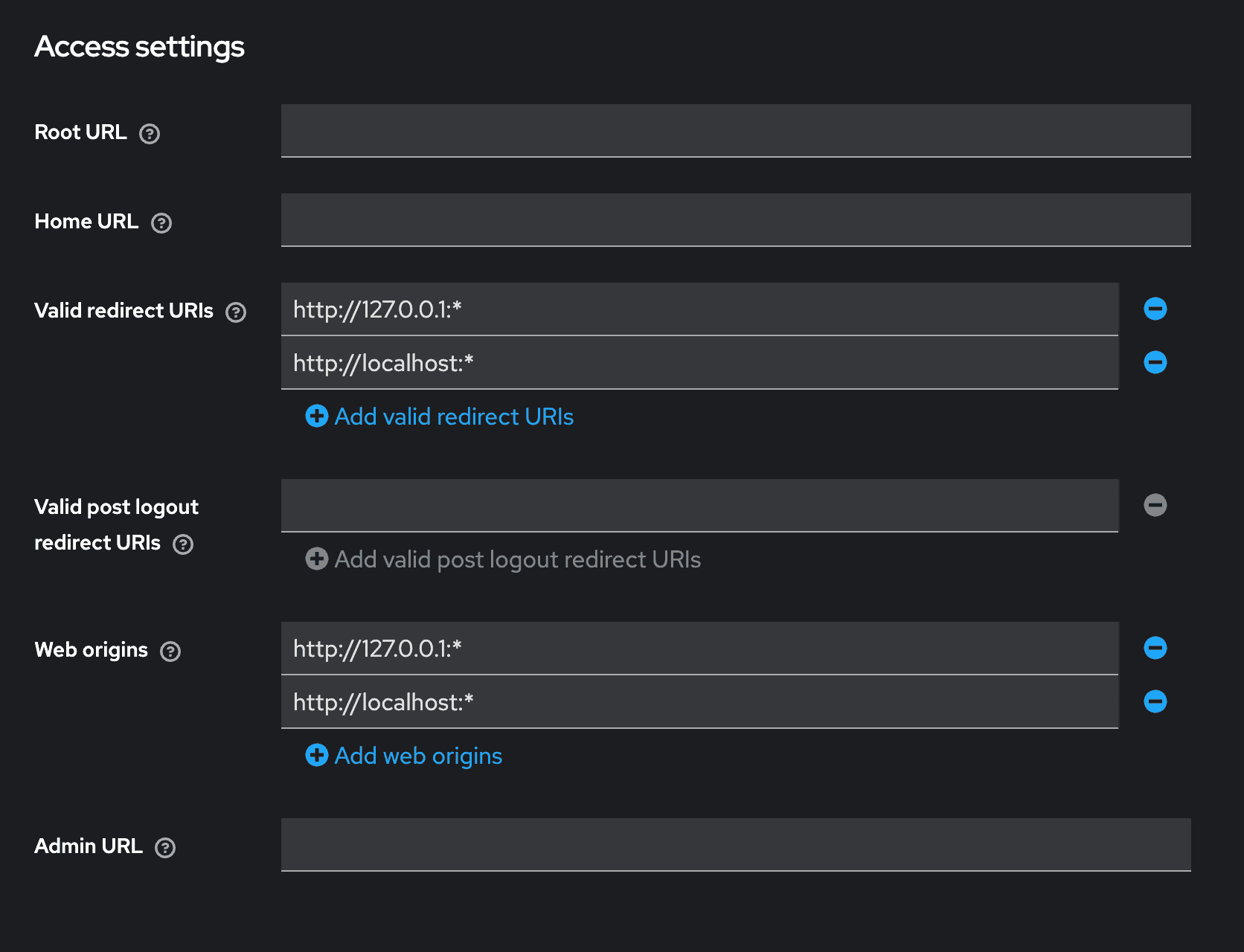
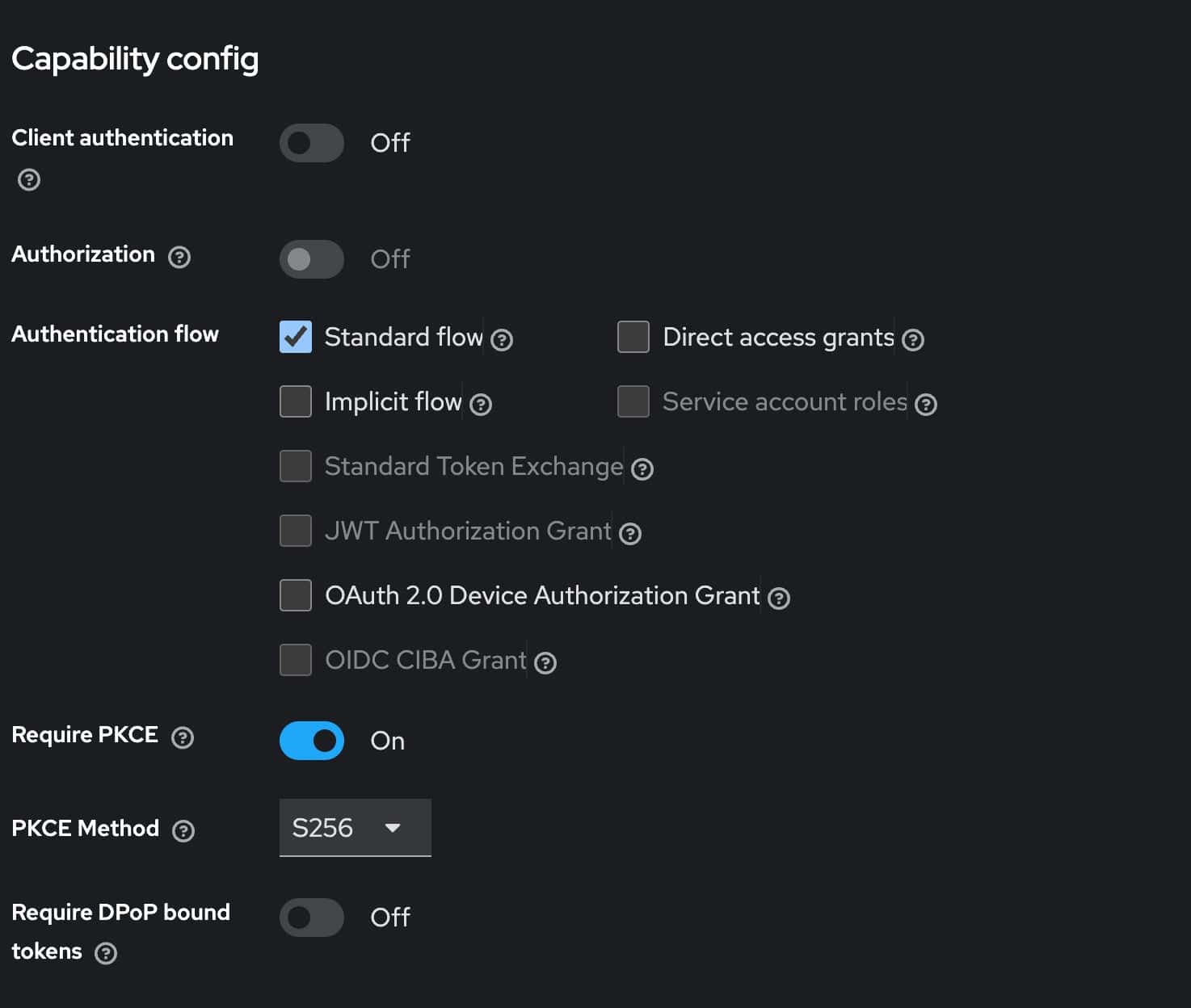
A critical decision point for platform engineers is the configuration of the OIDC client. Security professionals advocate for the use of "public" clients over "confidential" ones. A confidential client requires a client secret, which must be distributed to every machine accessing the cluster. Distributing a secret renders it ineffective, as it essentially becomes a shared static credential. If the secret is compromised, rotating it requires a coordinated, disruptive update across every client machine.
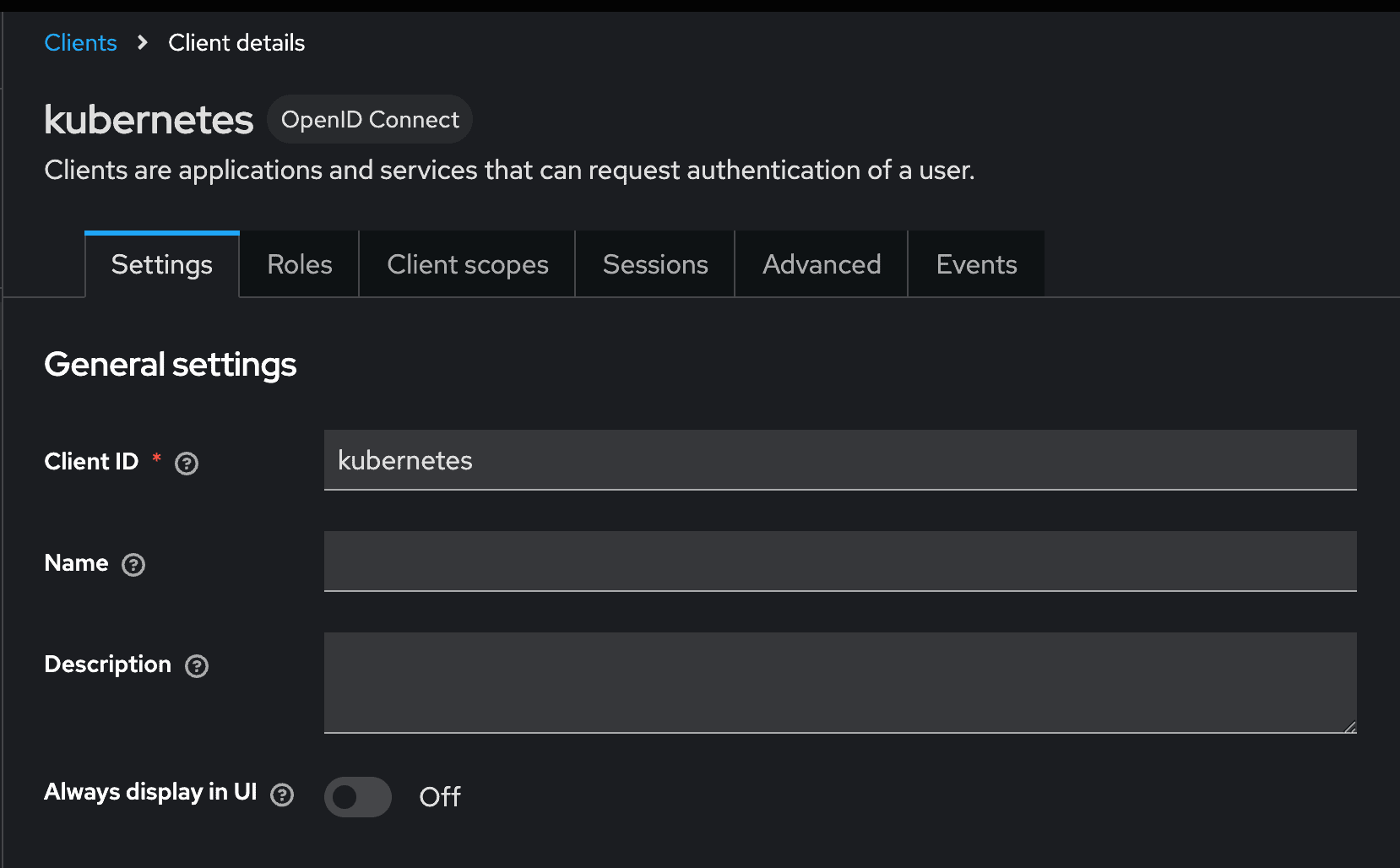
Instead, modern standards—specifically OAuth 2.1—recommend public clients paired with Proof Key for Code Exchange (PKCE). PKCE mitigates the risk of interception by requiring the client to generate a random local value, send a hash of that value with the initial request, and provide the original value when exchanging the authorization code for a token. This process ensures that even if an attacker intercepts the authorization code, they cannot complete the exchange, as they lack the original random value.
Technical Deployment Walkthrough
Successful integration involves four systematic steps to ensure that identity and groups flow correctly into the Kubernetes RBAC system.
- Group Membership Mapping: Kubernetes does not natively recognize "users" as primary objects for permissions; instead, it relies on groups asserted by the ID token. Administrators must configure a protocol mapper in their IdP to inject group membership into the ID token. In systems like Keycloak, this is achieved by adding a "Group Membership" mapper to the client scope.
- API Server Configuration: The
kube-apiservermust be pointed at the OIDC issuer. This requires specific flags:--oidc-issuer-url,--oidc-client-id,--oidc-username-claim, and--oidc-groups-claim. For self-hosted environments, administrators must also include the--oidc-ca-fileflag, pointing to the IdP’s CA certificate, to ensure the API server can securely verify the issuer’s signing keys. - Client-Side Configuration: The
kubeconfigfile is updated to use anexecplugin instead of embedded credentials. This removes the need for local secrets, as the plugin handles the authentication handshake dynamically. - RBAC Binding: Finally, Kubernetes
ClusterRoleBindingorRoleBindingobjects are used to bind specific group names (provided by the IdP) to Kubernetes roles. Once this is established, access control is handled exclusively within the IdP. Adding or removing a user from a group in the IdP immediately updates their permissions within the cluster, without requiring any cluster-level configuration changes.
Broader Impact and Auditability
Beyond the immediate improvements to access management, the shift to OIDC-based identity provides a significant boost to auditability. When users authenticate through a shared, static credential, the Kubernetes audit logs are largely uninformative, as every action is attributed to a generic administrative identity.
By federating identity through an OIDC provider, every request logged by the API server is associated with the specific user who performed the action. This transforms the audit trail from an anonymous log into a reliable forensic record. In the event of a security incident, investigators can pinpoint exactly which user account initiated specific API calls. This level of granular visibility is a requirement for compliance standards such as SOC2, HIPAA, and PCI-DSS, which demand strict accountability for administrative actions.
Fact-Based Analysis of Operational Efficiency
The transition to an OIDC-based model is often perceived as a major undertaking, yet the data suggests the contrary. For most engineering teams, the deployment is a single-afternoon task. It does not require a redesign of the cluster architecture or a migration of the existing workload.
By leveraging existing OIDC-compliant providers and standardized plugins, organizations can eliminate the recurring cost of manual credential lifecycle management. The operational efficiency gained—by moving from a "file-distribution" model to an "identity-management" model—reduces the risk of human error and significantly lowers the time-to-remediate for access-related incidents. As organizations continue to scale their containerized environments, the move toward centralized, identity-federated access control is no longer a luxury, but a fundamental requirement for maintaining a secure and compliant platform.
In summary, by treating cluster access as an extension of the broader organizational identity strategy, platform engineers can effectively eliminate the "Identity Gap." This approach leverages modern security primitives like PKCE to protect the authentication flow, ensures real-time access revocation via group membership, and provides the transparent audit trail necessary for high-stakes enterprise environments. The move is not merely a technical upgrade; it is a maturation of the platform engineering discipline.