Dell Technologies navigates deepening supply chain constraints as AI infrastructure demand reshapes global manufacturing priorities

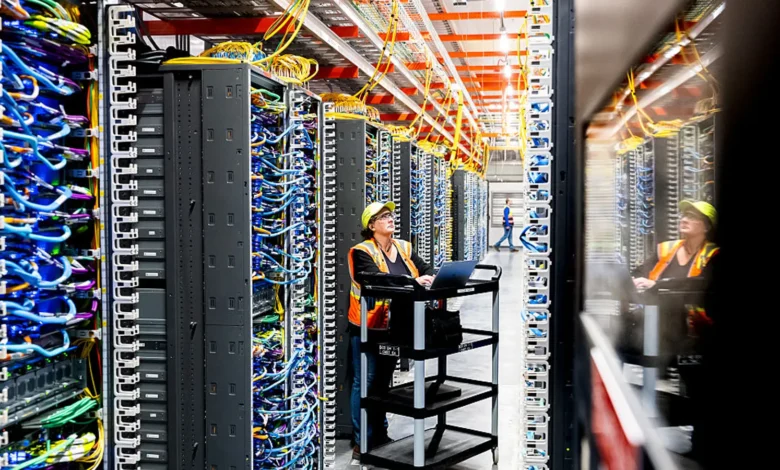
The global technology landscape is currently witnessing a massive recalibration of industrial capacity, characterized by an unprecedented surge in demand for artificial intelligence-ready hardware. At the epicenter of this transition, Dell Technologies is aggressively retooling its supply chain operations to meet the insatiable appetite for AI infrastructure. As of September 2026, the company has confirmed that it is actively redirecting critical components—previously earmarked for consumer PC production—toward the high-growth sector of enterprise-grade AI systems. This strategic pivot, while vital for maintaining a competitive edge in the high-stakes data center market, underscores the profound volatility and complexity inherent in the current technology supply chain.
The Operational Reality of AI-Driven Demand
For Dell, the challenge is not merely one of production volume but of precision, agility, and foresight. COO Jeffrey Clarke recently characterized the daily environment at the company as a relentless, high-stakes pursuit of essential parts. "Welcome to the life of a supply chain person at Dell. This is what we do, chasing parts. We love it," Clarke remarked, emphasizing the proactive stance required to manage the delicate equilibrium between limited component supply and soaring demand.
The current environment represents a departure from traditional procurement cycles. Historically, technology manufacturers relied on predictable lead times and steady consumption patterns. Today, the rapid evolution of large language models and generative AI has compressed these cycles, forcing firms like Dell to engage in sophisticated collaborative planning with their most critical clients.
Evolving Client Relationships and Collaborative Forecasting
One of the most significant shifts in the 2026 supply chain landscape is the move toward "collaborative demand forecasting." Large, sophisticated enterprise customers are increasingly moving to the front of the queue by sharing their internal growth projections and infrastructure requirements directly with Dell’s supply chain planners.
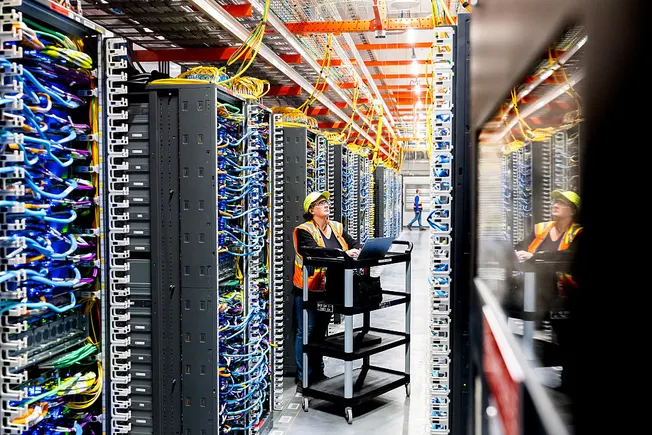
This transparency is no longer a luxury; it is a fundamental requirement for securing hardware. Clarke noted that this level of collaboration is a "new phenomenon" born out of the current environment of constrained supply. By integrating customer forecasts into their procurement algorithms, Dell is better positioned to allocate limited inputs—such as high-end GPUs, high-bandwidth memory (HBM), and advanced thermal management systems—to the projects that require them most urgently.
Chronology of the Strategic Pivot
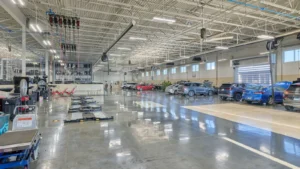
The transition of Dell’s internal resources began in early 2026, when internal data suggested a cooling trend in the broader personal computer market. Recognizing that the consumer and commercial PC segments were likely to face a softer second half of the year, Dell leadership made the decisive choice to reallocate resources.
- Early 2026: Dell identifies a softening trend in global PC demand, prompting a strategic review of component allocation.
- Q1-Q2 2026: The company begins the logistical task of shifting supply chains, moving critical hardware inputs away from standard desktop and laptop production lines toward AI-optimized server manufacturing.
- September 2026: Dell announces a $25 billion upward revision to its fiscal 2027 revenue guidance, a direct outcome of the successfully pivoted supply chain strategy.
This maneuver allowed the company to maximize revenue potential by focusing on the highest-margin, highest-growth segment of their business. As CFO David Kenney confirmed, the adjustment brought the full-year revenue forecast to a staggering $192 billion, cementing the importance of AI infrastructure as the primary engine of growth for the fiscal year.
The Mechanics of Supply Chain Optimization
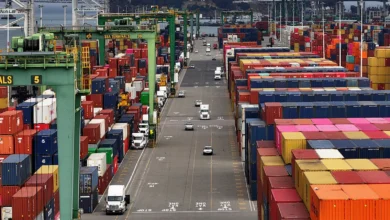
The ability to pivot production lines is rarely as simple as re-routing shipping containers. It requires deep integration with upstream suppliers, including semiconductor fabricators and memory manufacturers. The current supply constraints are largely driven by the extreme scarcity of specialized AI components, such as high-performance HBM chips, which are essential for training and deploying advanced neural networks.
Dell’s strategy involves a multi-layered approach to optimization:

- Demand Shaping: By working closely with clients, Dell influences the configuration of orders to align with available parts, reducing the incidence of "stranded inventory"—parts that cannot be used because a specific, critical component is missing.
- Agile Procurement: Expanding the supplier base for auxiliary components allows the company to free up budget and focus internal logistics on the "bottleneck" items.
- Manufacturing Flexibility: Retrofitting assembly lines to prioritize server racks over traditional workstations allows for rapid scaling of AI infrastructure in response to real-time order flows.
Market Implications and Broader Industry Context
The move by Dell is emblematic of a broader industry trend where hardware manufacturers are becoming de facto logistics experts for their clients. As AI continues to penetrate every facet of the enterprise, the "server" has become the most important piece of real estate in the digital economy.
Analysts note that the scarcity of AI infrastructure is likely to persist through 2027. The semiconductor manufacturing capacity for high-end AI chips is physically constrained by the output of firms like TSMC and Samsung, and the subsequent assembly, testing, and packaging (ATP) processes. Consequently, any company that manages to secure a reliable, consistent supply chain for these components gains a massive moat against competitors.
However, this reliance on AI-driven revenue carries its own risks. Should the current wave of enterprise AI investment face a "trough of disillusionment" or a contraction in capital expenditure, companies that have over-indexed on AI hardware may find themselves with excess capacity and inventory devaluation. For now, however, the financial indicators suggest that the "chase for parts" is a highly lucrative endeavor.
Analyzing the $25 Billion Revenue Revision
The $25 billion increase in fiscal 2027 guidance is a testament to the effectiveness of Dell’s operational pivot. This figure is not merely a reflection of increased demand, but a reflection of the company’s improved "yield"—the ability to convert raw material inputs into finished, high-value goods at a faster rate than previously projected.
The optimization strategy is fundamentally a game of percentages. By reducing the time a component spends in inventory—what supply chain experts call "inventory velocity"—Dell generates higher returns on invested capital. The company’s success in this regard signals to investors that management has a firm grip on the complex logistics required to sustain long-term growth in an era of technological scarcity.

Conclusion: A New Standard for Supply Chain Management
As we look toward the conclusion of the 2026 fiscal year, the narrative at Dell is clear: the company is defining success through the lens of supply chain efficiency. While technology leadership and engineering excellence remain paramount, the true differentiator in the current AI gold rush is the ability to secure, manage, and deploy the physical hardware that makes the digital future possible.
The "chase for parts" is not just a tactical operation; it is a strategic necessity that has allowed Dell to remain a dominant player in the hardware sector. As the company continues to refine its collaborative planning tools and deepen its integration with customers, it is setting a new standard for how large-scale technology providers must operate in a world where supply is the ultimate limiting factor of innovation. The results, as evidenced by the upgraded guidance and the proactive reallocation of manufacturing assets, confirm that for Dell, mastering the supply chain is the most effective way to master the market.