J.C. Penney and Aéropostale Launch Integrated Loyalty Program to Boost Cross-Shopping and Customer Engagement

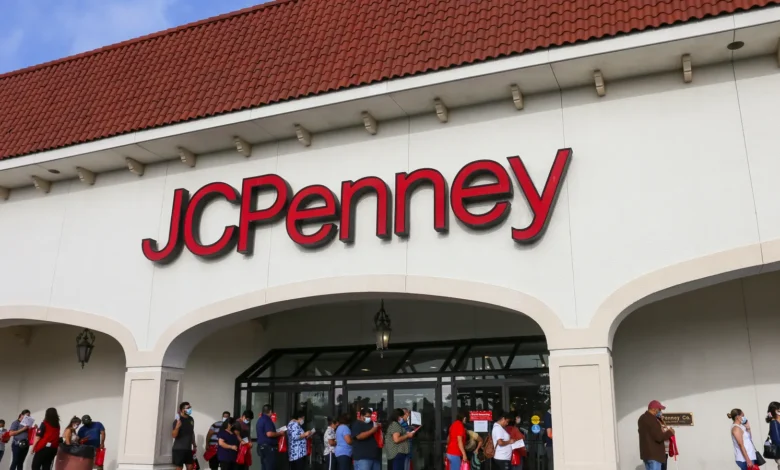
In a strategic move designed to foster cross-pollination of their respective customer bases and maximize value for shoppers, J.C. Penney and Aéropostale have announced the integration of their loyalty programs. This innovative partnership will allow customers who shop at either retailer to earn and redeem reward points interchangeably, creating a unified ecosystem for their diverse offerings. Both iconic American brands operate under the umbrella of Catalyst Brands, a robust portfolio company dedicated to revitalizing and expanding the reach of established retail names. The initiative aims to leverage the inherent synergies within the portfolio, providing a seamless and more rewarding shopping experience while bolstering the financial health and market presence of both entities in a highly competitive retail landscape.
The Catalyst Brands Ecosystem: A Strategic Overview
The formation of Catalyst Brands in January 2024 marked a significant milestone in the ongoing evolution of the retail sector, particularly for legacy brands navigating a challenging economic environment. Catalyst Brands emerged from a powerful collaboration between SPARC Group and Brookfield Asset Management. SPARC Group, itself a joint venture between retail conglomerate Authentic Brands Group (ABG) and Simon Property Group, has carved a niche in acquiring and managing struggling or bankrupt retail brands, injecting new life into them through strategic operational changes, brand repositioning, and robust licensing strategies. Brookfield Asset Management, a global alternative asset manager, brings substantial financial backing and real estate expertise to the table, particularly relevant for retailers with a significant physical footprint.
The Genesis of Catalyst Brands
The strategic rationale behind Catalyst Brands is rooted in the belief that a curated portfolio of complementary brands, managed centrally, can achieve greater economies of scale, operational efficiencies, and marketing synergies than individual brands operating in isolation. This model allows for shared resources in areas such as supply chain management, technology infrastructure, and marketing campaigns, significantly reducing overheads and enhancing profitability. For J.C. Penney and Aéropostale, both of which have experienced their share of financial turbulence and ownership changes in recent years, being part of Catalyst Brands offers stability, strategic direction, and access to a broader consumer network. Other prominent brands within the Catalyst portfolio include Nautica, Lucky Brand, and Brooks Brothers, each benefiting from a collective strategy focused on revitalization and sustained growth. The underlying principle is to leverage the collective strength of these brands to create compelling value propositions for consumers and resilient business models for the future.
Portfolio Synergy and Brand Revitalization
The overarching strategy of Catalyst Brands is to not merely acquire but to actively revitalize these legacy brands. This involves a multi-pronged approach that includes modernizing product assortments, enhancing digital presence, optimizing physical store footprints, and, crucially, fostering cross-brand collaboration. The integrated loyalty program between J.C. Penney and Aéropostale is a prime example of this synergy in action. It reflects a deliberate effort to transform individual brand strengths into collective power, appealing to a wider demographic and increasing customer lifetime value across the entire portfolio. By enabling shoppers to earn and redeem points across different brands, Catalyst Brands is not only enhancing customer convenience but also collecting invaluable data on cross-shopping behaviors, which can inform future merchandising and marketing decisions, further solidifying the portfolio’s market position.
Deep Dive: The Joint Loyalty Program Mechanics and Benefits
The newly launched loyalty program integration between J.C. Penney and Aéropostale represents a sophisticated approach to customer engagement, designed to create a more compelling and unified shopping experience. The core mechanic is straightforward: customers earn points for purchases made at either J.C. Penney or Aéropostale, and these accumulated points can then be redeemed at either retailer. This seamless interchangeability eliminates the fragmentation often associated with managing multiple loyalty memberships, offering a significant convenience factor for consumers who appreciate simplicity and maximized value.
Maximizing Customer Value and Engagement
From a customer perspective, the benefits are clear. Shoppers no longer need to choose between loyalty programs or worry about splitting their spending to earn rewards with different brands. A single loyalty account now encompasses their activity across two distinct but complementary retailers. For instance, a customer purchasing back-to-school apparel at Aéropostale can accumulate points that might later be used towards home goods, beauty products, or additional fashion items at J.C. Penney. This flexibility is particularly appealing to families and individuals who shop across various categories. Marisa Thalberg, Chief Customer and Marketing Officer at Catalyst Brands, articulated this vision in a recent press release, stating, "By connecting these two brands, we’ve created a single ecosystem where shoppers can maximize their dollars. Whether you’re shopping for the latest styles at Aéropostale or grabbing great fashion and beauty favorites at J.C. Penney, you’ll earn rewards on the entire experience. It’s the kind of convenience and value that makes Catalyst Brands work." This statement underscores the commitment to delivering tangible value and enhancing the overall shopping journey, aligning with contemporary consumer demands for integrated, friction-free retail experiences.
Strategic Advantages for the Retailers
For J.C. Penney and Aéropostale, the strategic advantages of this integrated loyalty program are multifaceted. Firstly, it facilitates significant cross-shopping, introducing customers of one brand to the offerings of the other. Aéropostale, with its focus on teen and young adult fashion, can help J.C. Penney attract a younger demographic, while J.C. Penney’s broader appeal across fashion, home, and beauty can introduce Aéropostale customers to a wider range of products for their households and families. Secondly, the program enhances customer retention and lifetime value by making it more rewarding for shoppers to consolidate their spending within the Catalyst Brands portfolio. By incentivizing continued engagement, the retailers can foster stronger brand loyalty and reduce churn. Thirdly, the joint program enables a richer collection of customer data. By analyzing purchasing patterns across both brands, Catalyst Brands can gain deeper insights into consumer preferences, lifestyle needs, and demographic trends. This aggregated data can then be utilized to refine marketing strategies, personalize offers, optimize product assortments, and identify new growth opportunities, leading to more effective and targeted customer engagement efforts. Furthermore, shared loyalty infrastructure can lead to operational efficiencies, reducing the costs associated with managing separate programs and allowing for a more streamlined approach to customer relationship management.
Aéropostale and J.C. Penney: A History of Collaboration
The current loyalty program integration is not an isolated initiative but rather the latest evolution in a series of strategic collaborations between Aéropostale and J.C. Penney, highlighting a deliberate effort by Catalyst Brands to foster inter-portfolio synergy. The groundwork for this deeper partnership was laid well before the formal launch of the joint loyalty program, demonstrating a phased approach to integration.
Previous Merchandising Synergies
Last year, during its crucial back-to-school campaign, J.C. Penney notably introduced a curated selection of products from Aéropostale, alongside other popular brands like Hurley and Volcom, into its general merchandise assortment. This "shop-in-shop" or brand partnership model allowed J.C. Penney to diversify its offerings and appeal to a broader, particularly younger, customer demographic often drawn to specialty fashion brands like Aéropostale. This initial foray proved successful in attracting new shoppers and providing existing J.C. Penney customers with a wider variety of trend-right apparel options. Building on this success, J.C. Penney is once again featuring an Aéropostale collection, this time specifically curated for college living. This targeted merchandising strategy recognizes the distinct needs and preferences of the college-aged consumer, offering dorm essentials, casual wear, and accessories that align with the Aéropostale brand aesthetic while capitalizing on J.C. Penney’s extensive retail footprint. These previous collaborations served as valuable testbeds, demonstrating the potential for increased sales and customer engagement through cross-brand merchandising.
Tapping into Key Consumer Segments
The collaboration between J.C. Penney and Aéropostale is strategically designed to tap into key consumer segments that, while overlapping, also offer distinct growth opportunities. Aéropostale traditionally targets teens and young adults, a demographic known for its brand consciousness and significant spending power, particularly during back-to-school and holiday seasons. By integrating Aéropostale products and now its loyalty program, J.C. Penney can attract this younger cohort, potentially converting them into long-term customers as their shopping needs evolve. Conversely, J.C. Penney’s broader appeal across family demographics, encompassing fashion, home goods, and beauty, provides Aéropostale customers with an expanded universe of products for themselves and their families. This cross-pollination is vital for both brands. For Aéropostale, it means access to a wider customer base within J.C. Penney’s expansive store network and digital channels, potentially increasing brand visibility and sales. For J.C. Penney, it helps modernize its image, attract a younger, trend-focused shopper, and enhance its overall relevance in a rapidly changing retail environment. The strategic alignment of these two brands under Catalyst Brands allows for a more cohesive and impactful approach to reaching diverse consumer segments, reinforcing the value proposition of the entire portfolio.
The Evolving Landscape of Retail Loyalty Programs
The move by J.C. Penney and Aéropostale to integrate their loyalty programs is indicative of a broader trend within the retail industry towards more connected, flexible, and value-driven customer reward systems. As competition intensifies across brick-and-mortar and e-commerce channels, retailers are increasingly recognizing that traditional, siloed loyalty programs may no longer be sufficient to capture and retain modern consumers.
Industry Trends in Connected Loyalty
The concept of "connected loyalty" or "shared loyalty" programs has gained significant traction in recent years. This model allows customers to earn and redeem rewards across multiple brands, often those under a common parent company or strategic partnership. The primary drivers for this trend are clear: enhancing customer convenience, increasing customer lifetime value, facilitating cross-shopping, and leveraging shared data for more personalized marketing. A 2023 study by Bond Brand Loyalty revealed that 79% of consumers are more likely to do business with brands that offer loyalty programs, and convenience is a top driver for engagement. Furthermore, consumers are increasingly seeking personalization and recognition for their loyalty across various touchpoints. Integrated programs address these desires by streamlining the reward experience and acknowledging a customer’s broader purchasing habits. This strategic shift moves beyond simple transactional rewards to foster deeper emotional connections with a collective brand ecosystem.
Case Studies and Lessons Learned
Several notable examples illustrate the varying degrees of success and challenges associated with integrated loyalty programs. Dick’s Sporting Goods and Nike debuted a joint loyalty experience in 2021, allowing shoppers to access Nike’s loyalty program benefits within the Dick’s mobile app. This partnership aimed to deepen engagement with athletic consumers and leverage Nike’s strong brand appeal within Dick’s extensive retail presence. Nike has since expanded this "connected loyalty" model with other wholesale partners, including JD Sports and Hibbett, signifying a strategic move to maintain direct customer relationships even through third-party channels. These collaborations have generally been viewed as successful in driving engagement and sales for both parties.
Another prominent example involved Ulta Beauty and Target, who offered a joint loyalty experience for shoppers of the "Ulta at Target" shop-in-shops. This program allowed Target Circle members to earn points on Ulta purchases within Target stores, fostering cross-shopping between beauty and general merchandise categories. However, this partnership is notably set to end in August, highlighting that while the concept of integrated loyalty holds promise, execution and long-term strategic alignment are crucial. The reasons for the Ulta-Target dissolution are not fully public but underscore the complexities of managing such alliances, including potential conflicts in brand strategy, data ownership, or competitive dynamics. The lessons from these diverse case studies are invaluable for Catalyst Brands, emphasizing the importance of clear communication, robust technical integration, and a sustained commitment from all participating brands to ensure the longevity and success of their joint loyalty initiative.
J.C. Penney’s Path Forward: Addressing Financial Headwinds
The launch of the integrated loyalty program comes at a critical juncture for J.C. Penney, which has been navigating significant financial challenges in recent years. The department store giant, a fixture in American retail for over a century, has been engaged in a multi-year turnaround effort following its 2020 bankruptcy filing. While under new ownership by SPARC Group and Brookfield Asset Management, the path to sustained profitability remains complex amidst a rapidly shifting retail landscape.

Navigating Post-Bankruptcy Realities
J.C. Penney’s fourth-quarter financial performance for the fiscal year that ended earlier this year underscored the persistent difficulties. The department store reported a substantial 8% decline in net sales from the prior year, reaching approximately $1.9 billion. More alarmingly, its net loss surged by 77% to $113 million during the same period. These figures reflect a challenging holiday quarter, traditionally a critical period for department stores, and indicate that the turnaround efforts are still encountering significant headwinds. The broader context for these struggles includes intense competition from e-commerce giants, discount retailers, and specialty stores, as well as a general decline in mall traffic and changing consumer preferences away from traditional department store models. J.C. Penney, like many of its peers, has been working to modernize its product assortment, enhance its digital capabilities, and optimize its physical store footprint to remain relevant. However, the sheer scale of the transformation required, coupled with an unpredictable economic climate, presents formidable obstacles.
The Financial Imperative for Strategic Partnerships
The financial imperative driving J.C. Penney’s strategic partnerships and initiatives like the integrated loyalty program is undeniable. The company’s recent attempt to ameliorate some of its financial woes through an asset sale further illustrates this. Late last year, J.C. Penney had planned to offload 119 of its stores to private equity firm Onyx Partners for $947 million. This deal, which would have provided a significant cash infusion and potentially reduced the company’s real estate burden, ultimately fell apart. The failure of such a substantial transaction underscores the ongoing need for alternative strategies to generate revenue, optimize operations, and enhance customer value.
In this context, initiatives like the Aéropostale loyalty program are not merely marketing ploys but vital components of a broader strategy to stabilize and grow the business. By leveraging the younger demographic appeal of Aéropostale, J.C. Penney aims to attract new customers and boost traffic, both in-store and online. The cross-shopping incentive inherent in the loyalty program is designed to increase average transaction values and customer frequency, directly contributing to improved sales figures. Furthermore, the operational efficiencies and shared resources facilitated by the Catalyst Brands portfolio structure are crucial for a company focused on rebuilding its financial foundation. These strategic partnerships represent a calculated effort to create compelling reasons for consumers to choose J.C. Penney in an increasingly fragmented and competitive retail environment, moving beyond simple discounts to offer a more holistic and rewarding shopping experience.
The Broader Implications for Department Stores and Brand Portfolios
The collaboration between J.C. Penney and Aéropostale, orchestrated under the Catalyst Brands umbrella, carries significant implications for the future of department stores and the evolving strategies of brand portfolio companies in the retail sector. This initiative is a microcosm of a larger industry trend: the shift from singular, monolithic retail entities to integrated ecosystems designed for resilience and adaptability.
Reshaping the Retail Landscape
The traditional department store model has faced existential threats for over a decade, stemming from the rise of e-commerce, fast fashion, and direct-to-consumer brands. Many legacy retailers, including J.C. Penney, have struggled to adapt to changing consumer behaviors, which prioritize convenience, personalization, and seamless omnichannel experiences. The Catalyst Brands model, by consolidating multiple brands under a unified management structure, offers a potential blueprint for survival and growth. It allows for the pooling of resources, shared technological infrastructure, and integrated marketing efforts, thereby reducing costs and enhancing efficiency across the portfolio. This approach stands in stark contrast to the historical independence of department stores, which often managed vast assortments and complex supply chains in isolation. The success of this model could influence how other struggling retail brands seek to consolidate or partner, moving towards a future where interconnected brand portfolios become the norm rather than the exception.
The Power of Integrated Brand Strategies
The integrated loyalty program exemplifies the power of a cohesive brand strategy within a portfolio context. It acknowledges that modern consumers often shop across various categories and brands, and by facilitating this behavior through a unified rewards system, Catalyst Brands is positioning itself as a comprehensive retail destination. This strategy is particularly vital for J.C. Penney, which needs to diversify its appeal beyond its traditional customer base and attract younger, more digitally native shoppers. By aligning with a brand like Aéropostale, J.C. Penney can enhance its fashion credibility and relevance among a demographic crucial for long-term growth. Moreover, the data generated from cross-brand shopping patterns within the loyalty program will provide invaluable insights, enabling Catalyst Brands to refine its merchandising, marketing, and operational strategies across all its holdings. This data-driven approach is essential for optimizing inventory, personalizing customer interactions, and ultimately driving sustained profitability in an increasingly data-centric retail world. The ability to offer a broader, more integrated value proposition could be the key to not just surviving but thriving in the next era of retail, setting a precedent for how diverse brands can collectively enhance their market position and customer loyalty.
Conclusion: A Calculated Move in a Competitive Market
The launch of the integrated loyalty program between J.C. Penney and Aéropostale represents a calculated and strategic maneuver by Catalyst Brands to invigorate two of its key holdings within a fiercely competitive retail environment. By fostering a symbiotic relationship between these two brands, the initiative aims to drive customer acquisition, enhance loyalty, and maximize revenue through cross-shopping and a unified rewards experience. This partnership is not merely a marketing tactic but a fundamental component of a broader strategy to revitalize legacy brands through operational synergies, data-driven insights, and a focus on delivering seamless customer value.
As J.C. Penney continues its challenging journey towards sustained profitability, grappling with significant financial headwinds and a rapidly evolving consumer landscape, this collaboration with Aéropostale provides a tangible pathway to attract new demographics and bolster its overall market relevance. Similarly, Aéropostale benefits from increased visibility and access to a wider customer base within J.C. Penney’s extensive footprint. The success of this integrated loyalty model will offer critical insights into the effectiveness of brand portfolio strategies in reshaping the future of retail, particularly for traditional department stores and specialty apparel brands. In an era where convenience and value are paramount to consumers, Catalyst Brands’ latest initiative could serve as a vital blueprint for how interconnected ecosystems can not only survive but thrive in the dynamic retail landscape of tomorrow.