Xpeng Challenges Tesla Dominance with Global Launch of L03 Electric SUV in Munich and China

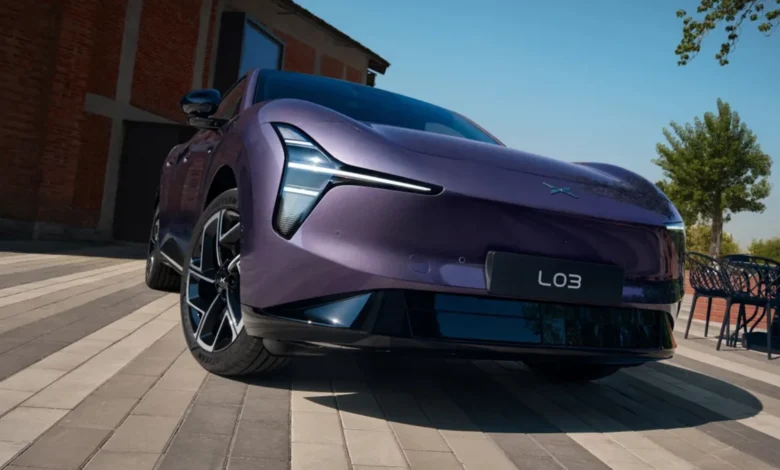
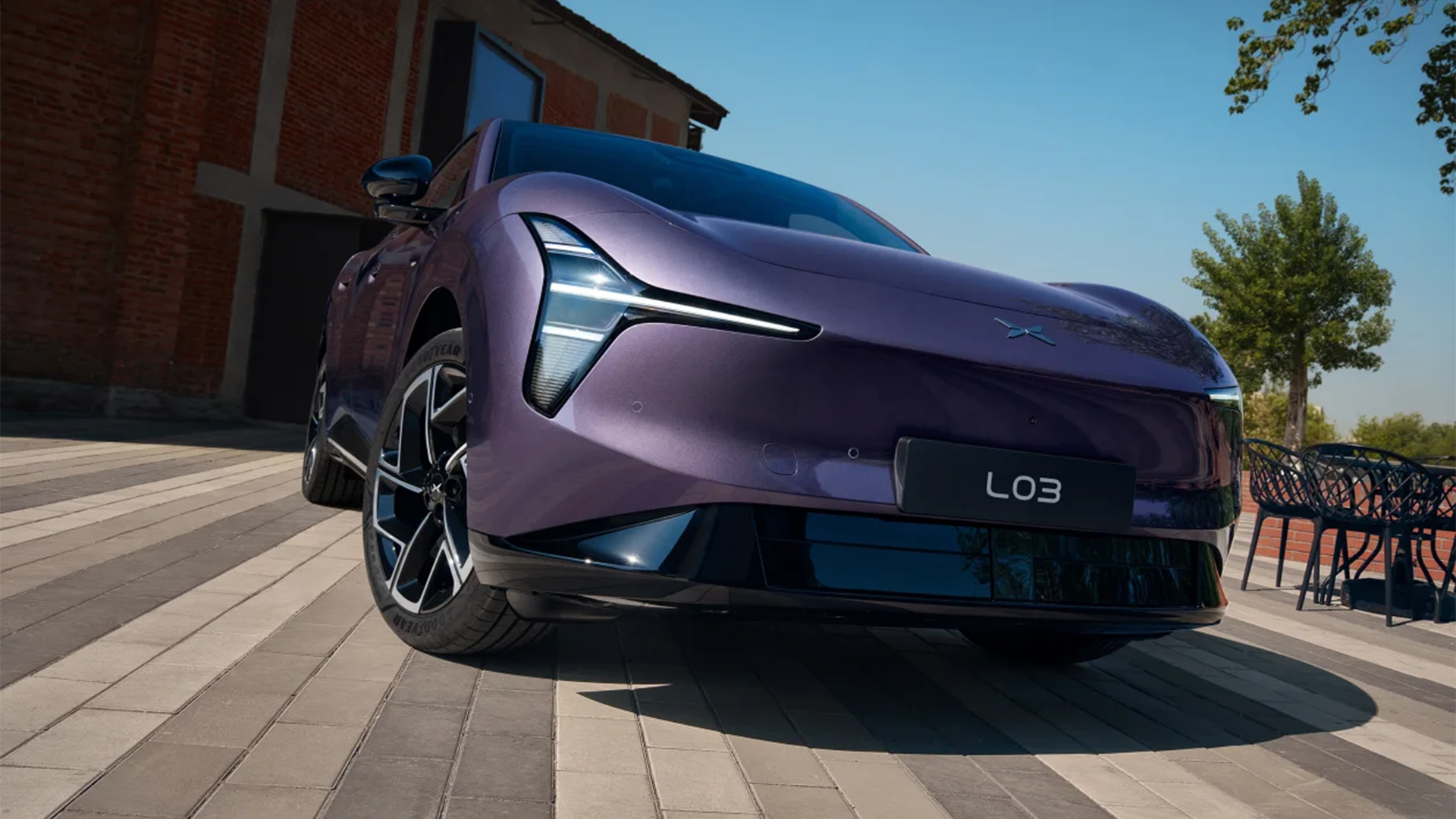
The unveiling of the Xpeng L03 in Munich this week marks a pivotal moment for the Chinese automotive industry, representing the brand’s first simultaneous vehicle launch in both European and Chinese markets. During the event, Xpeng founder He Xiaopeng articulated a bold vision for the company’s future, stating that the marque is "not far from beating the Model Y," the perennial best-seller from American rival Tesla. This statement, reported by the Financial Times, underscores the intensifying competition in the global electric vehicle (EV) sector as Chinese manufacturers transition from domestic players to serious international contenders. The L03, a sporty SUV coupe, is positioned as a direct challenger to the Tesla Model Y, leveraging a combination of aggressive pricing, advanced artificial intelligence, and a sophisticated software ecosystem to capture market share in the highly contested mid-sized electric crossover segment.
Design and Technical Specifications of the Xpeng L03
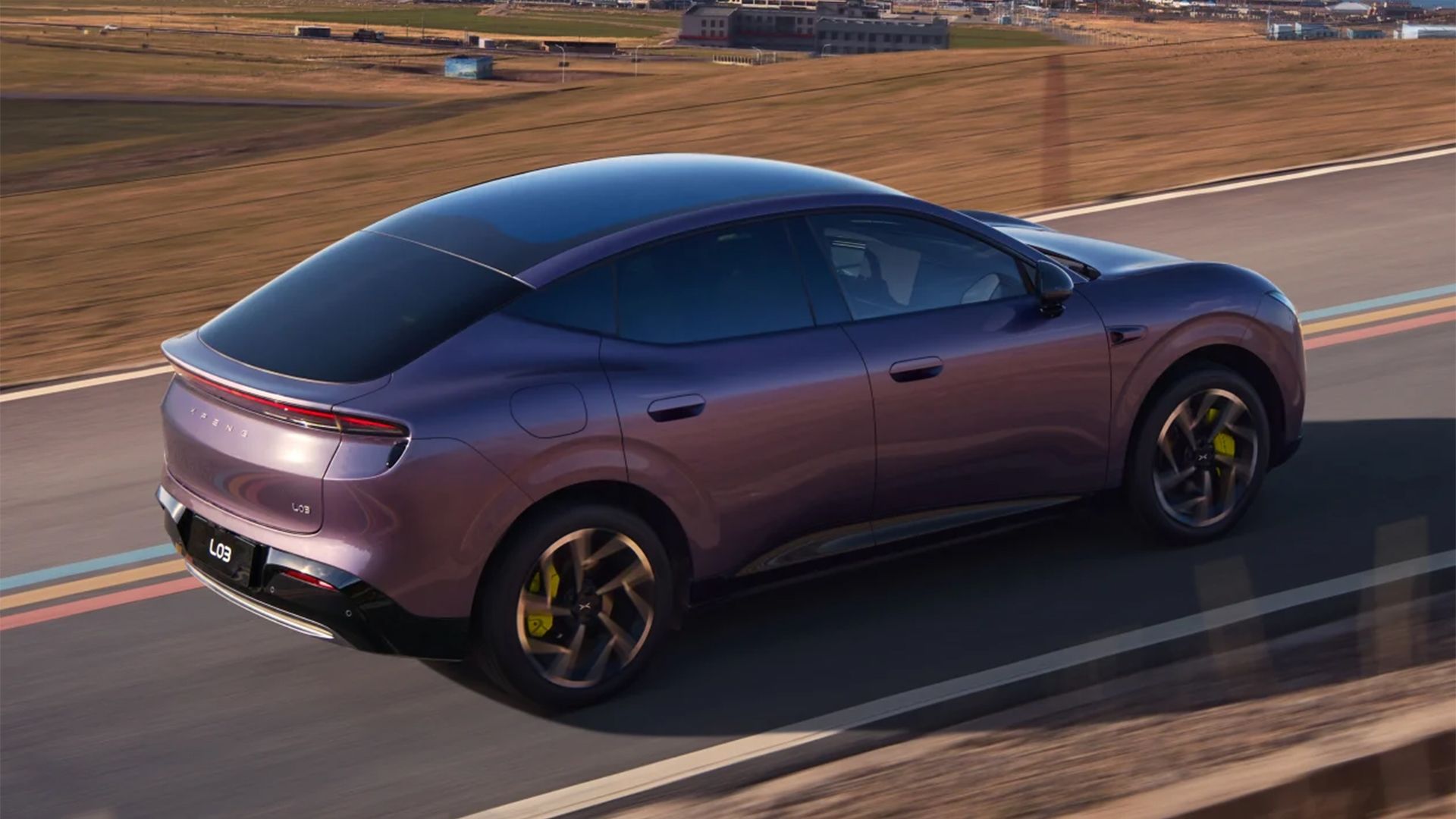
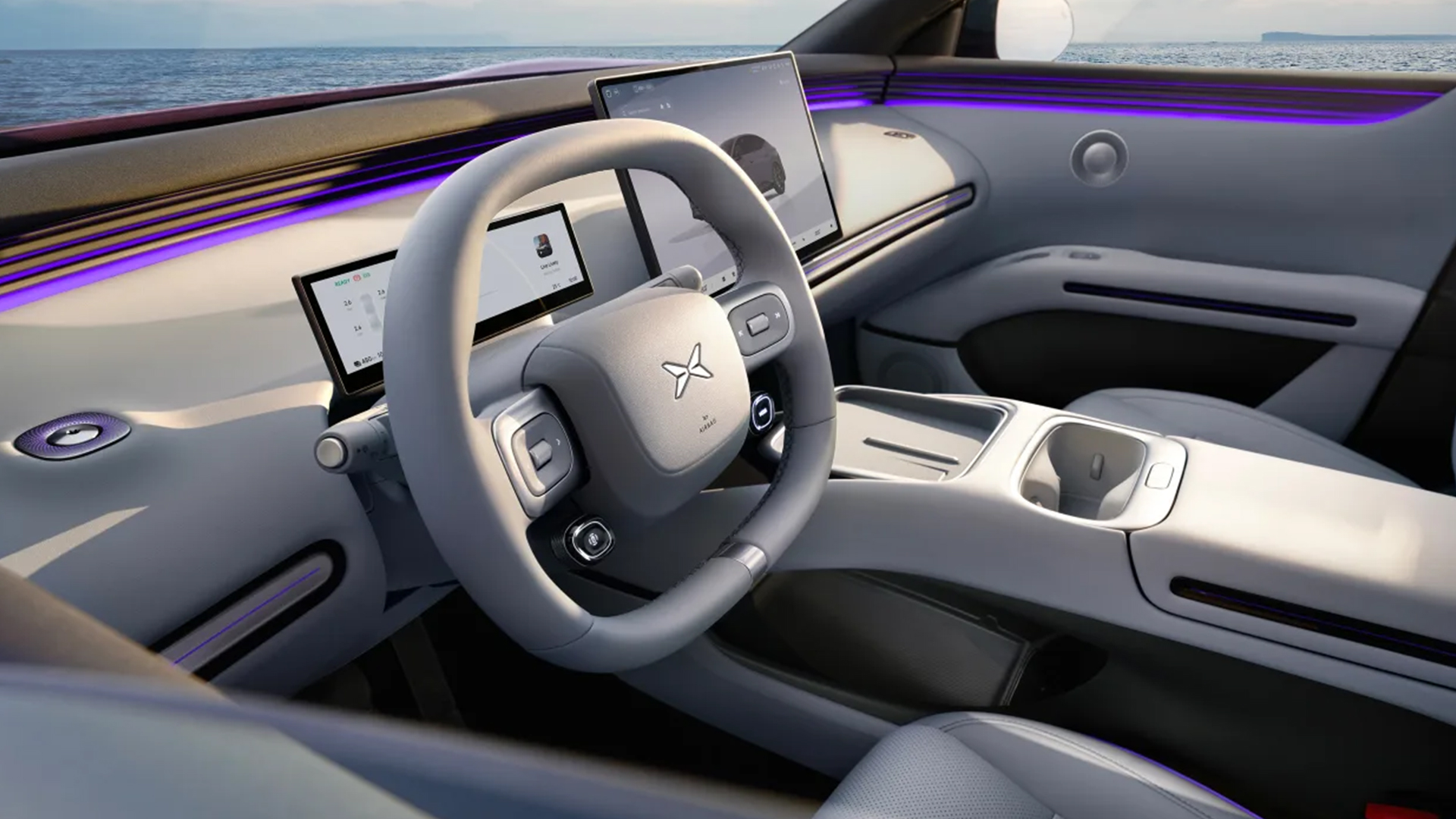
The Xpeng L03 enters the market with a starting price of approximately €35,600 (roughly $40,600 or AU$58,000), a figure designed to undercut established Western rivals while offering a premium feature set. The vehicle adopts the increasingly popular SUV coupe silhouette, characterized by a sloping roofline and aerodynamic profile intended to maximize range and aesthetic appeal. Inside, the cabin is anchored by a 15.6-inch central infotainment display, which serves as the primary interface for the vehicle’s various functions. Xpeng has emphasized "lounge-style" seating, utilizing high-quality materials and ergonomic designs to differentiate the L03 from the more utilitarian interiors often associated with its competitors.
Beyond aesthetics, the L03 is built upon Xpeng’s latest platform architecture, which focuses on high-efficiency power delivery and rapid charging capabilities. While specific battery capacities vary by trim, the vehicle is expected to utilize Xpeng’s 800V silicon carbide (SiC) platform, which has previously demonstrated the ability to add significant range in under 15 minutes of charging. This hardware foundation is complemented by what the company describes as its most advanced intelligent driving capabilities ever introduced to global markets, aiming to bridge the gap between human-assisted driving and full autonomy.
A Strategy Defined by Technological Convergence
Xpeng has long sought to distinguish itself from other Chinese EV manufacturers, such as BYD or Nio, by positioning itself as a technology-first enterprise rather than a traditional automaker. This strategy is evident in the company’s broader portfolio, which extends beyond passenger cars to include humanoid robots, artificial intelligence research, and electric vertical take-off and landing (eVTOL) aircraft. The L03 is the latest embodiment of this "tech-stack" approach.
A core component of the L03’s appeal is the introduction of the VLA 2.0 (Vision Language-Action) software. This system powers the vehicle’s Next Generation Pilot autonomous driving functionality, utilizing large language models and advanced computer vision to better interpret complex road scenarios. In a significant move for international compatibility, Xpeng has also become the first Chinese automaker to ship a vehicle with Google Maps natively integrated into the system. This partnership is seen as a crucial step in overcoming the "software friction" that has historically plagued Chinese cars entering Western markets, where proprietary navigation systems often lack the data depth and user familiarity of Google’s ecosystem.
Comparative Market Analysis: Xpeng vs. Tesla
The comparison to the Tesla Model Y is not merely rhetorical; it is the benchmark by which the L03’s success will be measured. Analysts have noted that while the L03 possesses the specifications to be a "volume driver," the path to unseating Tesla is fraught with challenges. Lei Xing, founder of the consultancy AutoXing, noted to the Financial Times that while the L03 is a "Model Y killer" in terms of potential, it faces an uphill battle in terms of brand recognition and infrastructure.
One of Tesla’s most significant advantages remains its Supercharger network. In many European and North American markets, the Supercharger ecosystem offers a level of convenience and reliability that third-party charging networks struggle to match. Tesla’s integration of journey planning, real-time stall occupancy data, and "plug-and-charge" billing creates a seamless ownership experience that remains a primary draw for EV buyers. Furthermore, despite Xpeng’s rapid iterations, many automotive critics argue that Tesla’s software remains more intuitive and "slicker" in its daily user experience.
However, Xpeng is closing the gap at an unprecedented rate. The transition from the previous G6 model to the L03 shows a tangible improvement in interior build quality, processing power, and driving dynamics. The G6, which served as a precursor to the L03’s global ambitions, was praised for its engineering but criticized for a lack of brand presence. The L03 seeks to rectify this by offering a more cohesive package that appeals to the "tech-forward" demographic that originally gravitated toward Tesla.
Global Sales Context and Market Challenges
To understand the scale of the challenge Xpeng faces, one must look at the recent registration data. In the United Kingdom, the Xpeng G6 recorded approximately 900 registrations during its first 10 months on sale. In contrast, the Tesla Model Y saw 24,298 registrations in the same period. While Xpeng’s performance in mainland Europe has been more robust—particularly in markets like Norway and the Netherlands where EV adoption is higher—the Model Y remains the top-selling electric vehicle globally and holds a commanding position as the second most popular vehicle in China.
Xpeng’s global expansion also comes at a time of geopolitical and economic complexity. The European Union has recently moved toward implementing tariffs on Chinese-made electric vehicles to counter what it perceives as unfair state subsidies. These tariffs could potentially impact the L03’s aggressive pricing strategy, forcing Xpeng to either absorb the costs and reduce margins or raise prices and lose its competitive edge against locally manufactured rivals like the Volkswagen ID.4 or the Tesla Model Y (produced in Giga Berlin).
Chronology of Xpeng’s International Trajectory
The launch of the L03 in Munich is the culmination of a decade of rapid growth. Founded in 2014, Xpeng initially focused on the domestic Chinese market, launching the G3 SUV in 2018. The company quickly gained a reputation for its "Xpilot" driving assistance system, which many regarded as the closest competitor to Tesla’s Autopilot.
- 2020: Xpeng went public on the New York Stock Exchange, raising $1.5 billion to fund its international expansion.
- 2021: The company began deliveries of the G3 and P7 sedan to Norway, using the country as a testbed for European consumer preferences.
- 2022-2023: Xpeng expanded into Denmark, Sweden, and the Netherlands, while simultaneously launching the G9 flagship SUV, which featured industry-leading charging speeds.
- 2024: The Munich unveiling of the L03 marks the transition to a "global-first" strategy, where vehicles are designed and launched with international regulations and consumer habits in mind from day one.
Analysis of Implications for the EV Industry
The arrival of the L03 signals a shift in the "software-defined vehicle" (SDV) race. By integrating Google Maps and focusing on VLA 2.0 AI models, Xpeng is acknowledging that hardware specs—such as 0-60 mph times or battery range—are becoming commoditized. The real battlefield is now the digital experience and the level of autonomy the vehicle can safely provide.
For Tesla, the L03 represents the most credible threat to its "iPhone of cars" status. While Tesla has benefited from a head start of over a decade, Xpeng’s ability to iterate its hardware and software every 12 to 18 months is putting immense pressure on the American firm to update its aging lineup. The Model Y, while still dominant, is facing "excitement fatigue" in markets where newer, more feature-rich Chinese alternatives are becoming available at lower price points.
For the broader European automotive industry, the L03 is a wake-up call regarding the speed of Chinese innovation. Traditional manufacturers are currently struggling to balance the phase-out of internal combustion engines with the high R&D costs of electric platforms. Xpeng’s ability to launch a high-tech, AI-driven SUV for under €40,000 places immense pressure on legacy brands to accelerate their own digital transformations.
Conclusion: The Mountain Left to Climb
While He Xiaopeng’s confidence is backed by significant technological progress, Xpeng still faces a "mountain to climb" in terms of consumer trust and brand equity. In the automotive world, purchasing a vehicle is often an emotional and practical decision based on long-term reliability and resale value—areas where Tesla has a proven, albeit sometimes turbulent, track record.
The L03 may well be the vehicle that edges Xpeng closer to "Tesla killer" status, but the true test will lie in the coming 24 months. Success will depend on whether Xpeng can successfully navigate the looming tariff wars, expand its service and charging infrastructure in Europe, and convince a skeptical public that a Chinese "tech-on-wheels" approach offers a superior ownership experience to the established Western status quo. As the L03 begins its rollout in Munich and across China, the EV industry is watching closely to see if this is the moment the scales finally begin to tip.