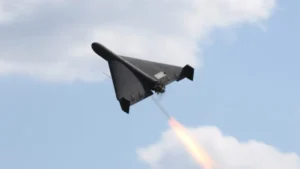
Ukrainian defense firm UFORCE is recruiting Formula 1 engineers to accelerate the development of next-generation naval drones.

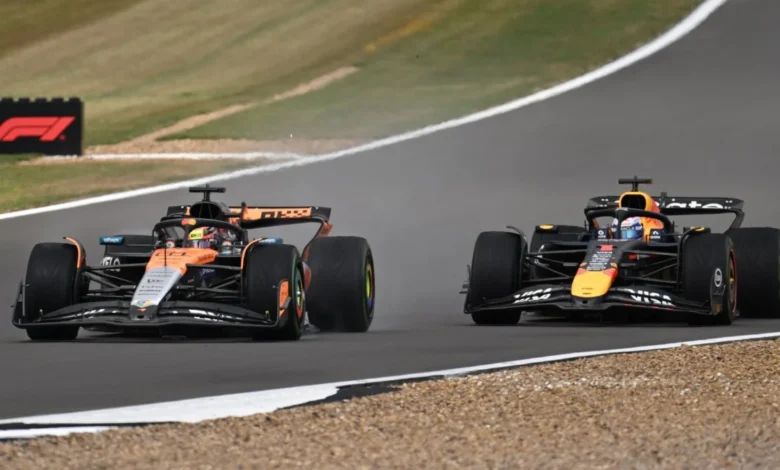
The intersection of high-performance automotive engineering and maritime warfare has become the latest frontier in Ukraine’s ongoing defense modernization effort. UFORCE, a key player in the production of unmanned systems, has initiated an aggressive recruitment campaign targeting specialists from the upper echelons of Formula 1 racing teams. The objective is to apply the unique skill sets developed for the world’s fastest race cars—specifically in aerodynamics, composite materials, and lightweight power-to-weight optimization—to the design and production of the MAGURA naval drone family.
This transition from the racetrack to the naval battlefield is not merely symbolic; it represents a strategic pivot toward iterative, high-speed engineering cycles that prioritize agility and endurance in combat environments. By integrating these experts with existing Ukrainian engineering talent, UFORCE aims to refine its maritime platforms to be faster, more resilient, and more difficult for conventional defense systems to track or intercept.
The Engineering Synergy: From Circuit to Sea
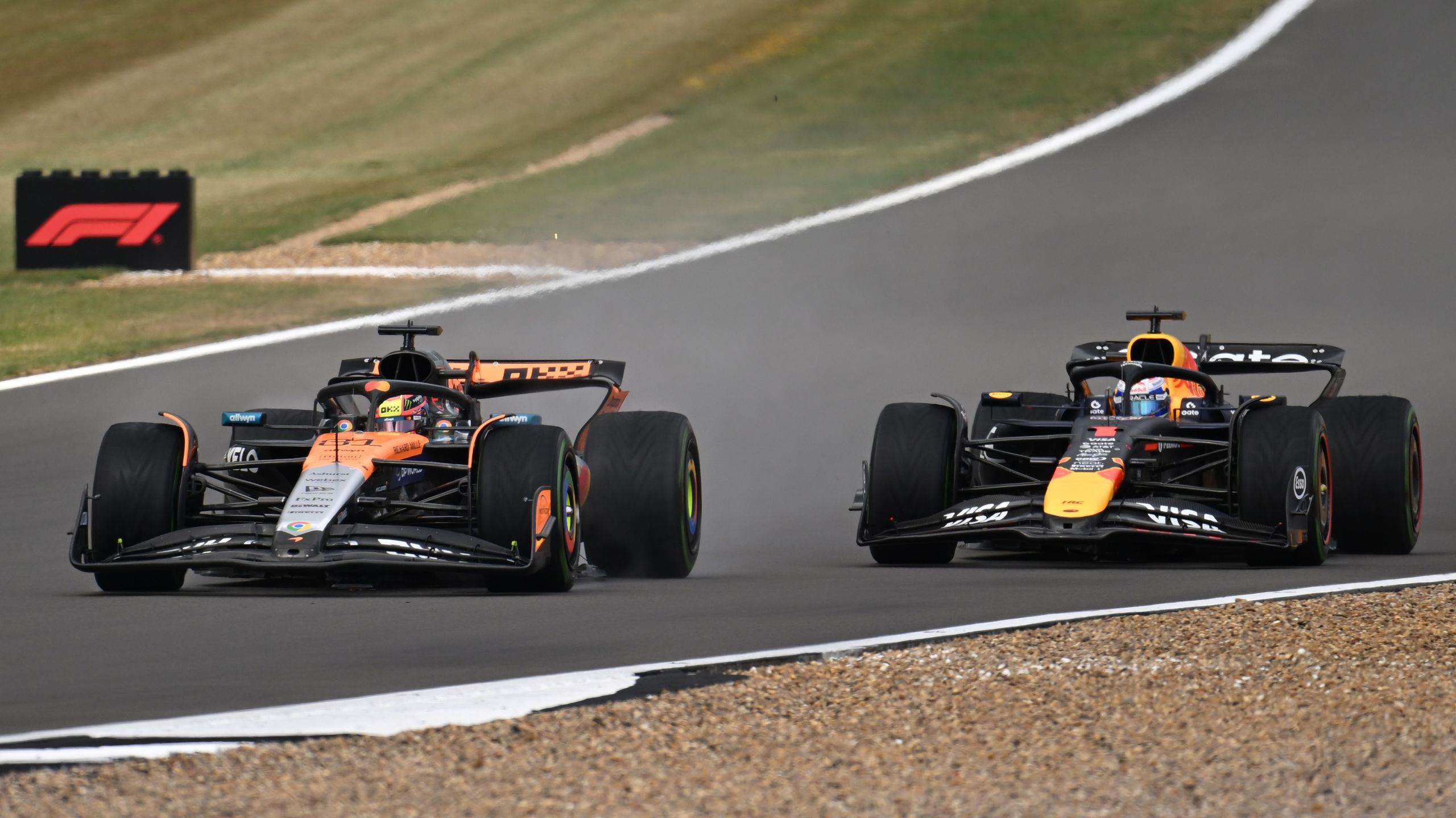
The logic behind recruiting from motorsport is rooted in the shared requirements of F1 and combat drone design: the constant trade-off between speed, weight, and reliability. In Formula 1, engineers operate under strict technical regulations that force them to shave milliseconds off lap times by reducing weight without compromising structural integrity. These same principles are critical for naval drones, which must operate in volatile, high-drag maritime environments while carrying explosive payloads.
"Formula 1 specialists have started coming to us en masse," stated Oleg Rogynskyy, CEO of UFORCE. According to Rogynskyy, the expertise brought by these recruits allows the company to rapidly prototype components that can survive the punishing conditions of open-water combat. Unlike standard industrial engineering, the F1 approach is built on rapid iteration—a capability that is essential when countering an adversary that is constantly evolving its own electronic warfare and air defense capabilities.
The collaboration focuses heavily on:
- Composite Material Optimization: Utilizing advanced carbon fiber and Kevlar reinforcements to reduce the drone’s radar cross-section and physical weight.
- Power-to-Weight Efficiency: Tuning propulsion systems to maximize battery or fuel efficiency, thereby extending the operational range of the MAGURA fleet.
- Dynamic Load Management: Ensuring that sensors and computing systems remain operational even during high-speed maneuvering in rough sea states.
A Globalized Engineering Infrastructure
To leverage this international talent pool without disrupting the lives of the recruits, UFORCE has expanded its operations beyond the borders of Ukraine. The company has established research and development centers in the United Kingdom and the United States, facilitating a "borderless" engineering model. This structure allows engineers from top-tier firms—including those with backgrounds at OpenAI, Anthropic, Google, Anduril, and Palantir—to contribute to the defense effort while working from their current locations.
This global footprint also serves a practical purpose: it allows for the testing and development of vessels designed for diverse oceanic conditions. While the Black Sea remains the primary theater of operations, the engineering team is currently designing platforms capable of navigating the larger, more unpredictable waves of the Atlantic and Pacific oceans. By partnering with organizations like ReconCraft, UFORCE is able to manufacture hulls that are more durable, reinforced with advanced materials that can withstand harsher, high-salinity environments.
Chronology of Naval Innovation
The evolution of Ukrainian maritime drone warfare has been remarkably rapid, characterized by a transition from rudimentary converted jet skis to sophisticated, semi-autonomous stealth platforms.
- 2022: The early stages of the conflict saw the emergence of basic unmanned surface vessels (USVs). These systems were largely experimental, used primarily for surveillance and limited reconnaissance.
- 2023: The MAGURA (Maritime Autonomous Guard Unmanned Robotic Apparatus) series matured. These vessels began demonstrating significant capability, successfully engaging and damaging Russian naval assets in the Black Sea, forcing a strategic shift in the positioning of the Russian Black Sea Fleet.
- 2024: UFORCE shifted its focus toward modularity, creating a unified software framework that allows for the interoperability of air, land, and sea platforms.
- May 2025: A watershed moment occurred when MAGURA V7 drones, outfitted with AIM-9 Sidewinder missiles, intercepted and destroyed two Russian Su-30SM fighter jets. This event marked the first time in history that a sea-based drone had neutralized a manned, high-performance combat aircraft, signaling a major paradigm shift in maritime supremacy.
Data-Driven Combat Performance
The effectiveness of UFORCE’s current strategy is underscored by the sheer scale of its operations. The company reports that its various platforms—spanning the MAGURA naval drones, the Nemesis and R18 aerial platforms, and various ground-based robotic systems—have collectively logged over 150,000 combat missions.
The integration of software is the cornerstone of this success. By utilizing a shared "digital backbone," UFORCE ensures that upgrades developed for one platform—such as a new sensor fusion algorithm or a more efficient propulsion controller—can be rapidly pushed to the entire fleet. This software-defined approach is what differentiates UFORCE from legacy defense contractors. By treating the drone as a "computer that happens to float or fly," the company maintains a speed of innovation that is difficult for traditional military-industrial complexes to match.
Official Responses and Strategic Implications
The pivot toward recruiting specialized civilian talent from the tech and automotive sectors reflects a broader trend in global defense. The "Silicon Valley-ization" of warfare is no longer an abstract concept but a baseline requirement for modern asymmetrical combat.
Observers in the defense sector note that the collaboration between F1 engineers and drone manufacturers could have significant implications for future naval warfare. If these drones can be produced at a lower cost while maintaining the high-speed, high-durability characteristics of racing vehicles, the balance of power in maritime domains could shift decisively.
"The goal is not just to build a better drone, but to build a unified ecosystem," Rogynskyy remarked. "We are moving toward a future where land, sea, and air platforms operate under a single, cohesive software framework. When a unit of MAGURA drones can coordinate with an R18 aerial asset in real-time, the operational advantage becomes overwhelming."
Broader Impact and Future Outlook
The recruitment drive by UFORCE also highlights the humanitarian and logistical advantages of remote engineering. By allowing experts from firms like Palantir or Google to contribute remotely, UFORCE has effectively bypassed the limitations of physical geography. This "distributed development" model ensures that the best minds in the world are working on the most pressing problems without the need for mass displacement.
However, the strategy is not without its risks. The reliance on sophisticated electronics and high-end composite materials makes the supply chain more complex. As these drones incorporate more proprietary software and specialized hardware, the pressure on UFORCE to maintain security and supply chain continuity will intensify.
Furthermore, the success of the MAGURA V7 in the May 2025 engagement has sparked a global debate regarding the rules of engagement for autonomous systems. The ability of a small, inexpensive drone to down a multi-million-dollar fighter jet raises urgent questions for naval planners worldwide regarding the vulnerability of manned assets to low-cost, mass-produced robotic swarms.
As UFORCE continues to scale its workforce—which currently exceeds 1,000 employees globally—the company remains a focal point for the future of warfare. The ongoing integration of F1 engineering precision with the immediate, high-stakes requirements of the battlefield serves as a case study for how rapid technological adoption can redefine conventional military strategy. Whether this approach remains sustainable in the long term remains to be seen, but for now, the marriage of racing aerodynamics and maritime combat has firmly established itself as a disruptive force in modern defense.