U.S. Government Urges Supermarkets and Cold Chain Operators to Secure Industrial Refrigeration Systems Following Destructive Cyberattacks in Europe

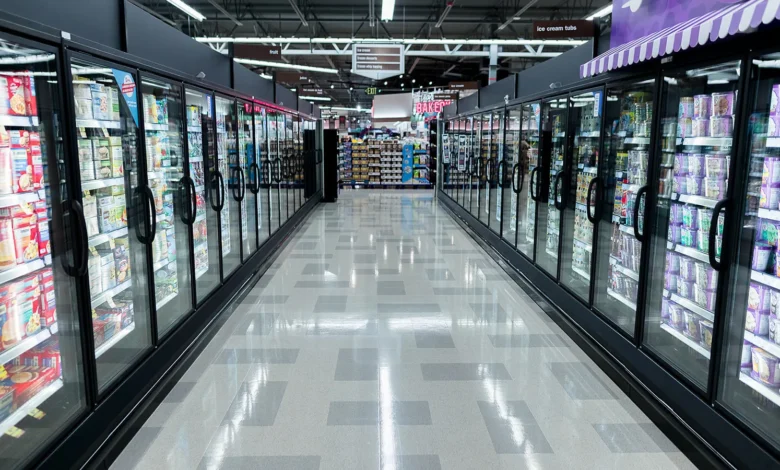
In response to an alarming escalation of targeted cyberattacks against commercial food infrastructure and medical supply chains overseas, United States federal authorities have issued an urgent directive calling on domestic businesses to immediately fortify their internet-linked industrial control systems. The advisory, released in November 2026, highlights a vulnerable and frequently overlooked attack vector: commercial refrigeration units and automated climate-control infrastructure.
The federal warning comes on the heels of a sophisticated campaign of remote intrusions that crippled hundreds of supermarkets, grocery outlets, and cold-storage facilities across Europe. Hackers exploited fundamental cybersecurity weaknesses in internet-connected programmable logic controllers (PLCs), manipulating temperature settings to dangerous extremes. These malicious alterations caused widespread structural fires, catastrophic inventory loss, and severe disruptions to sensitive medical logistics, including the national blood supply.
By translating lessons learned from the European incidents into proactive defensive postures, U.S. regulatory and security agencies aim to prevent a parallel crisis from unfolding domestically. The joint security alert underscores the critical convergence of operational technology (OT) and information technology (IT), signaling a paradigm shift in how food safety, public health, and retail supply chain continuity must be defended against asymmetric digital threats.
Anatomy of the Threat: How Refrigeration Systems Became a Cyber Target
Modern commercial refrigeration is a marvel of automated efficiency. To maintain strict temperature thresholds required for food safety and pharmaceutical preservation, supermarkets and cold-storage warehouses rely on complex networks of industrial sensors, automated valves, and programmable controllers. These devices communicate continuously, often leveraging cloud-based platforms to give facility managers remote visibility and control over energy usage and internal temperatures.
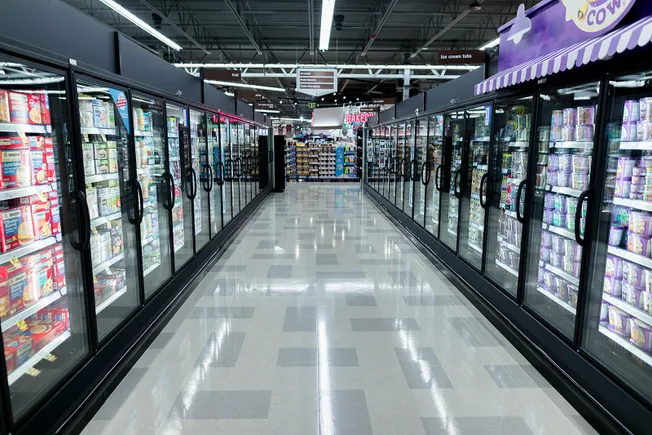
However, the convenience of remote accessibility has created a significant double-edged sword. Many of these industrial control systems (ICS) were originally designed for isolated operational environments, deployed years ago without modern cybersecurity hardening. When facility operators or third-party vendors connect these internal control mechanisms directly to the public internet to facilitate remote monitoring—frequently neglecting basic security protocols such as strong multi-factor authentication, regular firmware patches, or secure virtual private networks (VPNs)—they inadvertently open a digital gateway for malicious actors.
According to federal cybersecurity analysts, threat actors targeting these systems can bypass standard authentication layers to gain unrestricted administrative access. Once inside the network, hackers can execute a variety of devastating operational disruptions:
Temperature Manipulation: Attackers can manually override system settings, either plunging temperatures to wasteful extremes or escalating them rapidly. In recent European incidents, hackers forced refrigeration units up to 120 degrees Fahrenheit.
Fire Hazards: Overworking commercial compressors and forcing heating elements into continuous operation can cause mechanical failure, electrical overloads, and subsequent structural fires.
Inventory Loss and Contamination: Rapid temperature spikes spoil massive quantities of perishable goods within hours. Worse yet, if temperatures fluctuate into the "danger zone" and then return to normal, food may appear safe to consume while harboring dangerous pathogens like Salmonella or Listeria, creating hidden public health hazards.
Loss of Observability: Attackers can lock facility managers out of monitoring dashboards, blinding operators to real-time climate fluctuations until physical damage or spoilage has already occurred.
Chronology of the European Cyber Campaigns
The urgency behind the U.S. government directive is rooted in a fast-moving, destructive series of cyber incidents that rattled European retail and critical infrastructure sectors throughout the autumn of 2026.
Early October 2026 marked the first major escalation. Hackers systematically targeted the commercial refrigeration systems of hundreds of grocery stores across France. By exploiting internet-exposed programmable controllers, the threat actors altered temperature parameters across multiple retail locations simultaneously. The sudden, extreme heat ruined millions of dollars worth of fresh produce, dairy, and meat products, while triggering mechanical meltdowns and localized fires that required emergency response interventions. The scale and coordination of the attack immediately drew the attention of European cybersecurity agencies, who launched comprehensive cross-border investigations.

Just weeks after the initial French supermarket incidents, a second wave of cyberattacks struck. This time, the scope expanded across multiple European countries, affecting major international grocery chains. Hackers once again leveraged exposed internet-facing refrigeration nodes, this time remotely resetting industrial controls to an aggressive defrost cycle. The maneuver rendered the cooling units completely ineffective, causing widespread inventory spoilage and operational paralysis across dozens of regional distribution hubs and retail stores.
Perhaps most alarmingly, the threat actors demonstrated a willingness to expand their targeting beyond traditional retail grocery networks into critical public health infrastructure. Later in October, cybersecurity authorities confirmed a distinct cyberattack targeting refrigeration systems managed by the French Blood Establishment (Établissement Français du Sang), the national organization responsible for overseeing the country’s vital blood supply. Attackers successfully breached and manipulated the temperature controls of cold-storage rooms across three distinct operational sites. While swift intervention by facility technicians prevented catastrophic loss of stored blood products, the incident underscored the terrifying real-world implications of unsecured cold chains.
Interagency Response and the U.S. Federal Directive
Recognizing that American supermarket chains, food distributors, and pharmaceutical logistics networks utilize strikingly similar industrial refrigeration architectures, the U.S. federal apparatus moved swiftly to preemptively safeguard domestic infrastructure.
The Department of Homeland Security, working in close coordination with the Cybersecurity and Infrastructure Security Agency (CISA), spearheaded the defensive advisory. Crucially, the warning was reinforced by a joint interagency statement involving the U.S. Department of Agriculture (USDA), the Department of Health and Human Services (HHS), and the Department of Transportation (DOT). Because these agencies oversee distinct facets of the cold chain—ranging from agricultural production and food safety to healthcare logistics and interstate freight transport—their unified front highlights the systemic nature of the threat.
The joint advisory urges private sector owners and operators of industrial refrigeration and cold-storage facilities to take immediate, mandatory-level mitigation steps. Specifically, federal guidelines mandate:

Isolating Control Systems: Industrial control system devices, building management networks, and refrigeration programmable controllers must never be directly connected to the public internet. Organizations are instructed to place these assets behind robust firewalls and utilize encrypted VPNs for any necessary remote administrative access.
Rigorous Patch Management: Vendors and operators must establish continuous firmware and software update protocols. Outdated operating systems on legacy industrial controllers represent an open invitation to automated scanning scripts used by threat actors.
Network Segmentation: Enterprise IT networks (used for corporate emails, point-of-sale systems, and administrative tasks) must be strictly segmented from operational technology (OT) networks. A compromise of a corporate laptop should not grant lateral movement into physical facility controls.
Enhanced Monitoring and Reporting: Facilities are advised to deploy anomaly detection tools capable of identifying unauthorized configuration changes or unexpected network traffic patterns. Any suspicious activity must be reported immediately to federal cyber response centers.
Broader Industry Impact and Economic Implications
The convergence of IT and OT security in the retail and grocery sectors introduces complex financial, operational, and regulatory challenges. For decades, grocery retailers operated on thin profit margins, often prioritizing energy efficiency and supply chain speed over heavy capital investments in cybersecurity infrastructure for back-of-house mechanical systems.
The events in Europe have shattered the illusion that physical industrial equipment is inherently safe from remote cyber threats simply because it lacks a standard web browser interface. Industry analysts note that modern supermarket refrigeration units are essentially connected computers running specialized firmware—making them just as susceptible to ransomware, extortion, or state-sponsored sabotage as corporate servers.
Beyond the immediate financial losses associated with spoiled inventory and equipment replacement, retailers face severe reputational risks. In an era where consumers are increasingly conscious of food safety, sustainability, and corporate responsibility, a major public health incident stemming from compromised cold-storage units could inflict lasting damage on brand equity. Furthermore, insurance providers are beginning to re-evaluate policies covering commercial refrigeration, potentially introducing higher premiums or mandatory security compliance audits as a prerequisite for coverage.
Looking Ahead: Securing the Future of the Cold Chain
As global supply chains become increasingly digitized and automated in the pursuit of efficiency and reduced carbon footprints, the attack surface for malicious actors will inevitably expand. The 2026 European refrigeration attacks serve as a watershed moment for industrial cybersecurity, proving that cyber threats can directly manifest as physical destruction and public health emergencies.
For U.S. businesses operating within the cold chain—from massive national supermarket conglomerates and regional grocery distributors to pharmaceutical warehouses and agricultural producers—the message from federal authorities is unambiguous. Passive defense is no longer viable. By aggressively auditing internet-facing assets, enforcing strict network segmentation, and fostering closer intelligence-sharing partnerships with government agencies, the domestic retail and food sectors can harden their defenses against an evolving and increasingly physical digital threat landscape.