How Vera Bradley Engineered a Historic Turnaround by Returning to Its Whimsical Roots

The accessories industry is notoriously fickle, cycling through trends at a pace that often leaves legacy brands scrambling to keep up. For 44-year-old Vera Bradley, the journey to modern relevance has been a masterclass in corporate self-reflection and strategic course correction. After nearly five years of persistent sales slumps and a miscalculated modernization effort, the iconic colorful accessories brand has finally found its footing. Driven by a disciplined back-to-basics strategy dubbed Project Sunshine, the company recently reported its first sustained periods of quarterly revenue growth in nearly half a decade, proving that heritage and nostalgia, when properly executed, remain potent commercial forces.
A Chronology of Transformation: From Stumble to Sunshine
The road to Vera Bradley’s current revival was paved with hard-learned lessons. Founded on a premise of vibrant, quilted cotton prints, the company built a fiercely loyal following over four decades. However, by the early 2020s, changing consumer preferences and an over-reliance on promotional discounting began to weigh heavily on the balance sheet.
In 2024, leadership introduced a modernization initiative known as Project Restoration. The goal was to broaden the brand’s appeal by introducing cleaner silhouettes, embracing solid colors and leather materials, and overhauling logos and in-store aesthetics. Instead of attracting a fresh demographic, the strategy backfired. Longtime brand loyalists revolted against the departure from signature florals and whimsical prints, while new shoppers remained uninspired by designs that failed to distinguish Vera Bradley from a crowded market of minimalist competitors. The strategy failed to generate meaningful sales momentum, prompting executive leadership changes and a critical internal reckoning.
Recognizing that the brand had drifted too far from its core identity, CEO Ian Bickley and a newly assembled executive team—including Chief Brand Officer Melinda Paraie, who stepped into the role at the end of 2025—went back to the drawing board. By March 2025, the company officially unveiled Project Sunshine. Rather than attempting a complete brand reinvention, Project Sunshine reframed the company’s identity around its foundational DNA: joyful optimism, bold colors, and unmistakable prints.
The strategy immediately began moving the needle. By the summer, Vera Bradley posted its first quarterly revenue growth in nearly five years. This momentum carried into September, when the company reported a second consecutive quarter of overall revenue growth, bringing in $71.6 million—a 1.1% increase year-over-year.
Deconstructing Project Sunshine: Product Evolution and Nostalgia
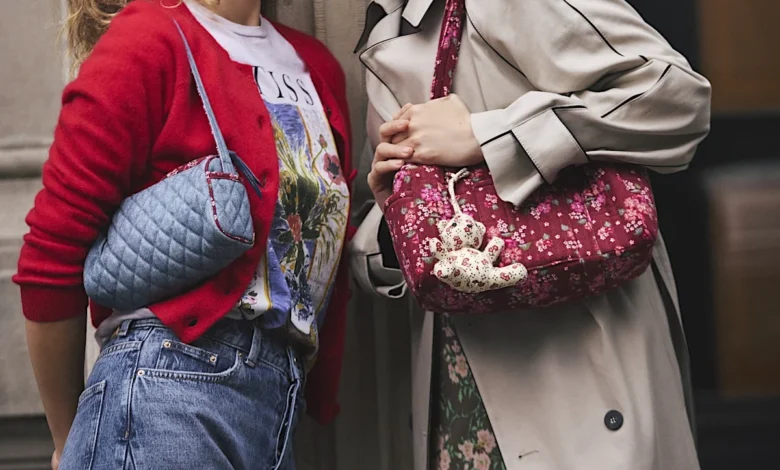
At the heart of Project Sunshine is a deliberate pivot away from the minimalist leather and solid color palettes of Project Restoration, and a triumphant return to signature cottons, cheerful patterns, and tactile textures. To capture the attention of younger demographics, the brand has introduced velvet, corduroy, beading, and ruffles into its collections, seamlessly blending heritage craftsmanship with contemporary streetwear sensibilities.
Furthermore, the brand recognized a fundamental shift in how younger consumers carry their belongings. With modern life largely centered around the smartphone, Gen Z and younger shoppers have largely abandoned bulky totes in favor of streamlined silhouettes. Consequently, shoulder bags have become a cornerstone of Vera Bradley’s current product lineup.
Simultaneously, the brand has brilliantly capitalized on the cultural phenomenon of "anemoia"—a longing for a past one never lived—and the broader vintage aesthetic revival among teens and twenty-somethings. In September, the launch of the Remix Collection drew directly from the brand’s deep archival catalog, featuring ditsy patterns and muted historical prints that resonated deeply with younger buyers seeking authenticity and an antidote to fast-fashion uniformity.
Personalization as a Growth Engine
Beyond prints and silhouettes, Vera Bradley has leaned heavily into the modern consumer’s desire for self-expression and customization. This strategy was validated in March when the design team revisited the Original 100 Handbag, producing a bespoke collection of 50 bags that sold out in under three minutes.
The momentum continued through the holiday season with an explosive push into bag charms shaped like bears, cookies, and mini totes. By hosting dedicated bag personalization days where customers can apply patches and monogrammed initials, the brand has transformed static accessories into interactive, collectible art pieces. Industry experts note that this approach strikes a powerful chord with modern retail trends. Jessica Ramírez, co-founder and managing director of retail advisory firm The Consumer Collective, observed during recent mall and trade show visits that today’s consumers actively embrace color, patterns, and the playful art of mismatching accessories—all traits deeply embedded in Vera Bradley’s historical DNA.
Digital-First Execution and Social Commerce
A vital component of Project Sunshine is the overhaul of Vera Bradley’s digital ecosystem and social media presence. Recognizing that contemporary retail success requires a robust digital footprint, the brand has aggressively targeted platforms like TikTok and Instagram.
By refining its creator briefs, partnering strategically with relevant influencers, and encouraging user-generated content, Vera Bradley has successfully positioned its signature quilted products at the center of viral internet aesthetics like "grandmacore" and "coastal grandma." This targeted digital strategy yielded impressive commercial results: by late October, the brand had sold more than 24,000 units on TikTok Shop alone, proving its operational agility in social commerce channels.
The Brick-and-Mortar Experience and Experiential Retail
Despite its digital acceleration, Vera Bradley has not neglected the physical retail experience. Operating its own retail and outlet stores alongside strategic partnerships with major department stores like Nordstrom, the company continues to use physical spaces to foster community and brand loyalty.
Recent experiential activations—such as hosting a charms event with the Little Words Project at its Disney Springs store and rolling out a nationwide "Strawberry Girl Summer" campaign complete with themed food and beverages to celebrate a new print release—demonstrate the brand’s commitment to experiential retail. These immersive events bridge the gap between digital hype and tangible brand affinity, engaging both long-standing devotees and curious newcomers.
Implications and the Road Ahead
Vera Bradley’s ongoing transformation offers a compelling case study for legacy retail brands struggling to navigate generational shifts. By resisting the temptation to completely erase its past and instead choosing to refine, celebrate, and modernize its core heritage, the company has stabilized its financial trajectory and recaptured cultural relevance.
As the company looks to the future, the challenge will lie in maintaining this delicate balance between nostalgia and innovation. Through disciplined inventory management, targeted digital marketing, and a steadfast commitment to joyful optimism, Vera Bradley has demonstrated that even the most traditional brands can find a vibrant second act in the modern retail landscape.