Top Ahrefs Brand Radar Alternatives and the Shift Toward AI-Driven Market Intelligence

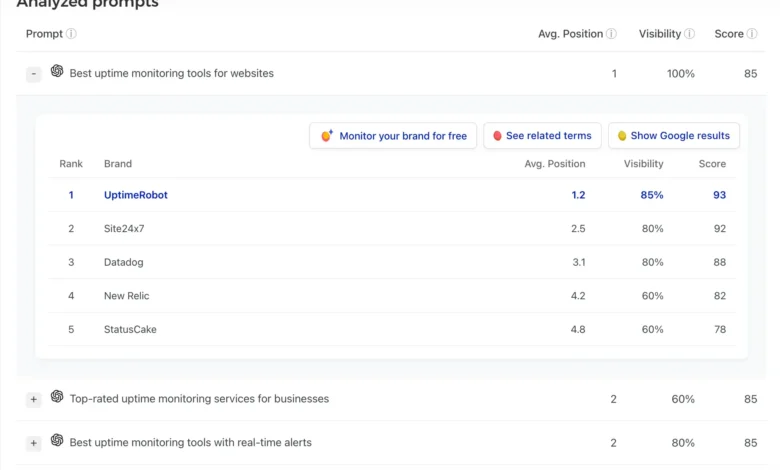
The landscape of digital search is undergoing a structural transformation as B2B software buyers increasingly bypass traditional search engines in favor of AI-powered answer engines. According to G2’s 2026 Answer Economy research, 51% of B2B software buyers now initiate their research via AI chatbots rather than Google. This shift has rendered traditional SEO metrics insufficient, forcing marketing teams to move beyond keyword rankings and toward the tracking of AI visibility, citation sources, and the nuances of how LLMs (Large Language Models) recommend specific brands. While tools like Ahrefs Brand Radar have provided an entry point into this space, many marketing organizations are now seeking alternatives that offer greater granular control, deeper model coverage, and more direct integration with CRM and revenue reporting pipelines.
The Evolution of Search Visibility
The rise of conversational AI has fundamentally altered the top-of-funnel experience. Unlike a standard search results page, which presents a list of links, AI answer engines synthesize information, curate recommendations, and often act as the primary gatekeeper for product discovery. For marketers, this means that a "mention" is no longer a passive event; it is an active endorsement or exclusion by an algorithm.
As the industry matures, the limitations of early AI tracking tools have become apparent. Early adopters, such as those at Truck1 and Ketch, discovered that while basic mention tracking provided a surface-level pulse, it failed to provide the necessary prompt-level detail to influence decision-making. The current market demand is for platforms that can bridge the gap between "visibility" and "business impact."

Comparative Analysis of Current Alternatives
The competitive landscape for AI visibility tools has expanded to accommodate diverse organizational needs, ranging from free diagnostic graders to enterprise-grade analytics suites.
HubSpot AEO stands out for its integration-first approach. By embedding AI visibility tracking directly into the HubSpot ecosystem, the platform enables teams to map AI mentions against existing CRM data. This allows for a more holistic view of the buyer’s journey, connecting AI-driven discovery to actual pipeline movement. For teams already invested in HubSpot’s Marketing Hub, this provides a seamless workflow that transforms abstract visibility scores into actionable content recommendations.
Profound is positioned for larger enterprises requiring robust, multi-engine coverage. Its capability to track across up to nine different answer engines makes it a formidable choice for global brands that need to understand how their visibility fluctuates across diverse geographical and linguistic segments. Its focus on "Agent Analytics" provides a sophisticated layer of data that helps marketers understand not just if they were mentioned, but how they were framed in the context of a potential sale.
Peec AI emphasizes collaborative workflows. By allowing multiple stakeholders—from SEO specialists to content creators—to access and tag data without per-seat pricing hurdles, Peec addresses the organizational challenge of data silos. Its strength lies in its ability to organize prompts by specific project categories, making it easier for large teams to manage complex brand tracking requirements.
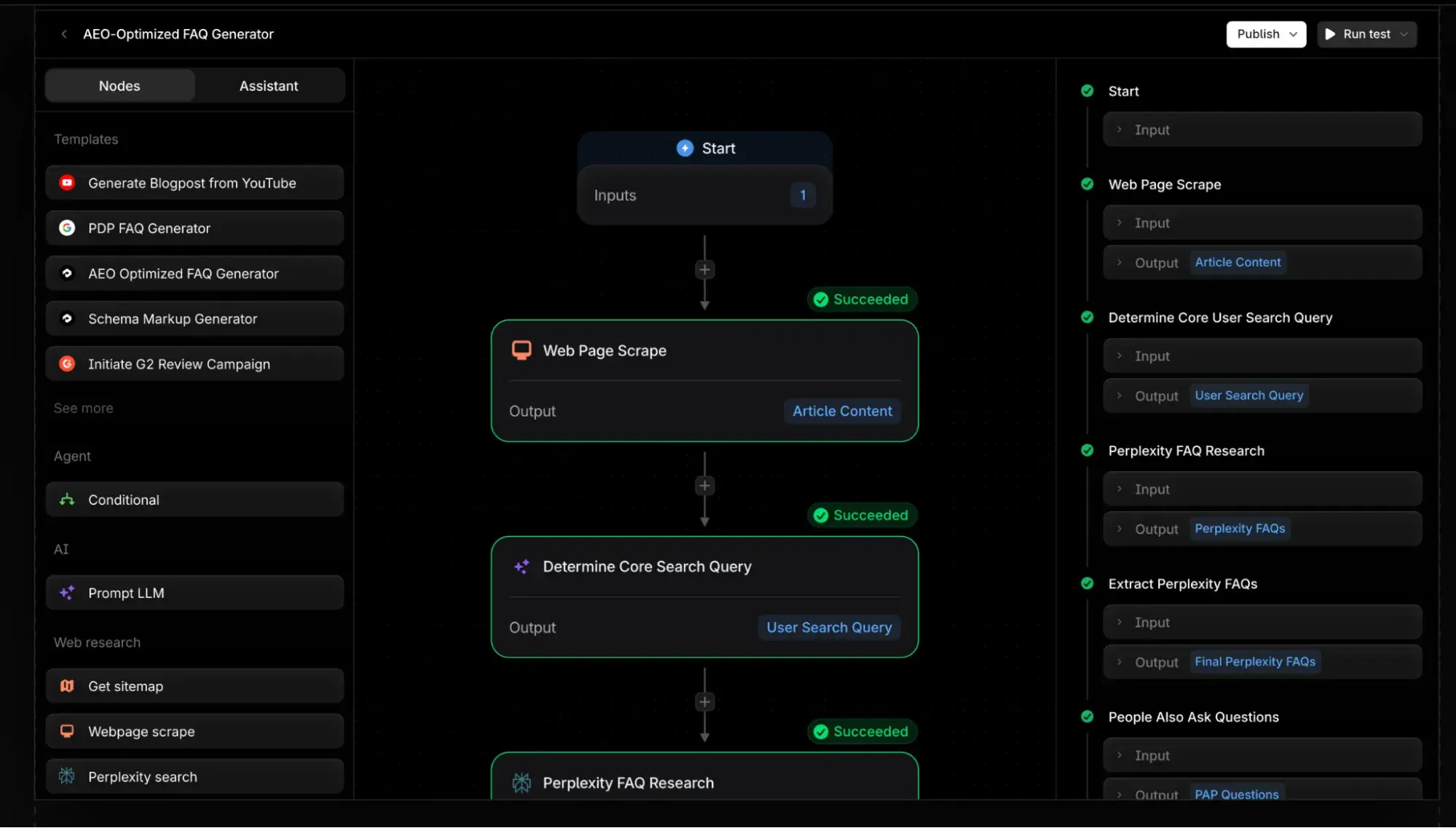
Xofu caters specifically to the bottom-of-the-funnel experience. Its focus on purchase-intent prompts—questions such as "Which software is best for X?"—ensures that marketing teams are measuring visibility where it matters most: at the point of conversion. For SaaS companies, this narrow focus is often more valuable than broad, generic brand-mention tracking.
Diagnostic and Entry-Level Tools
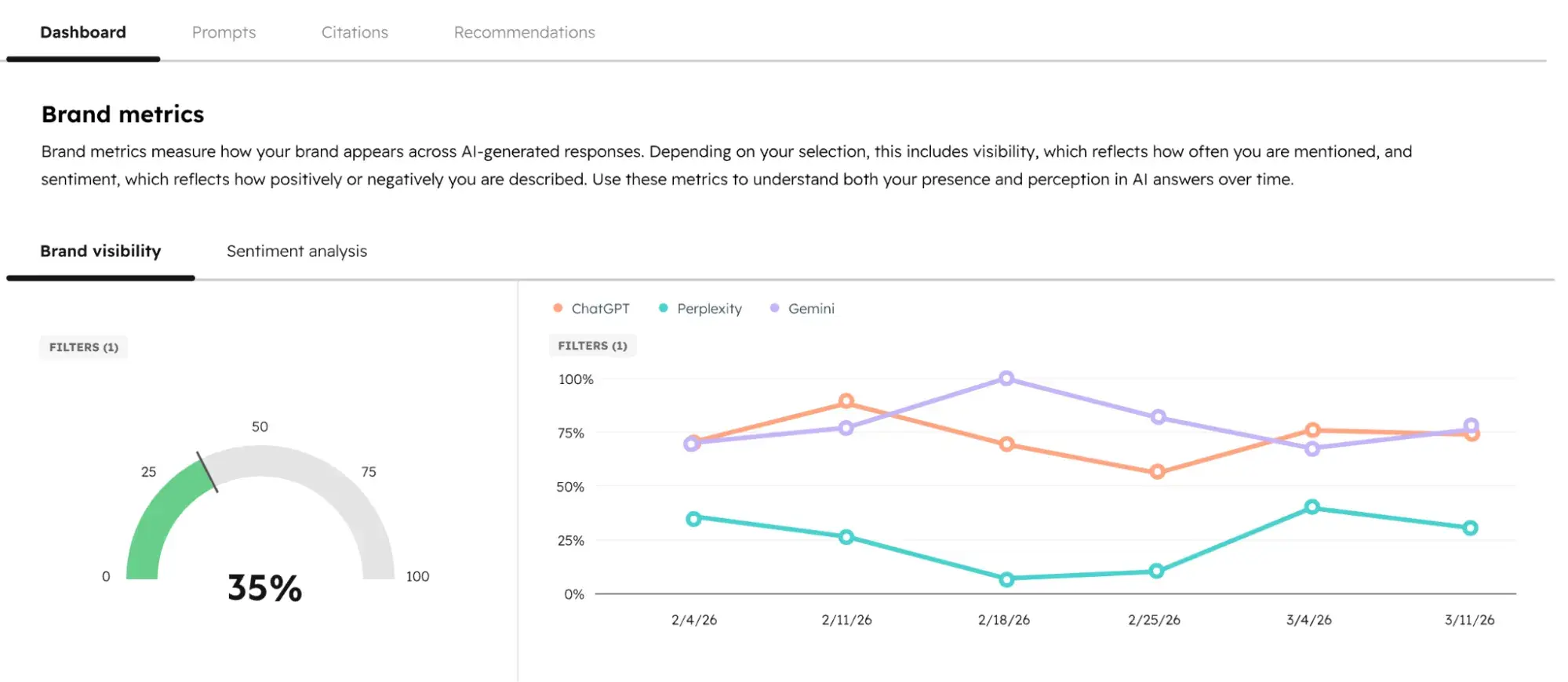
For teams still in the discovery phase, tools like the Mangools AI Search Grader and the HubSpot AI Search Grader offer a necessary starting point. These diagnostic tools provide a "snapshot" of a brand’s current standing across models like ChatGPT, Perplexity, and Gemini. These tools are designed to answer the fundamental question: "How are we currently perceived by AI?" before a company commits to a long-term, paid subscription for continuous monitoring.
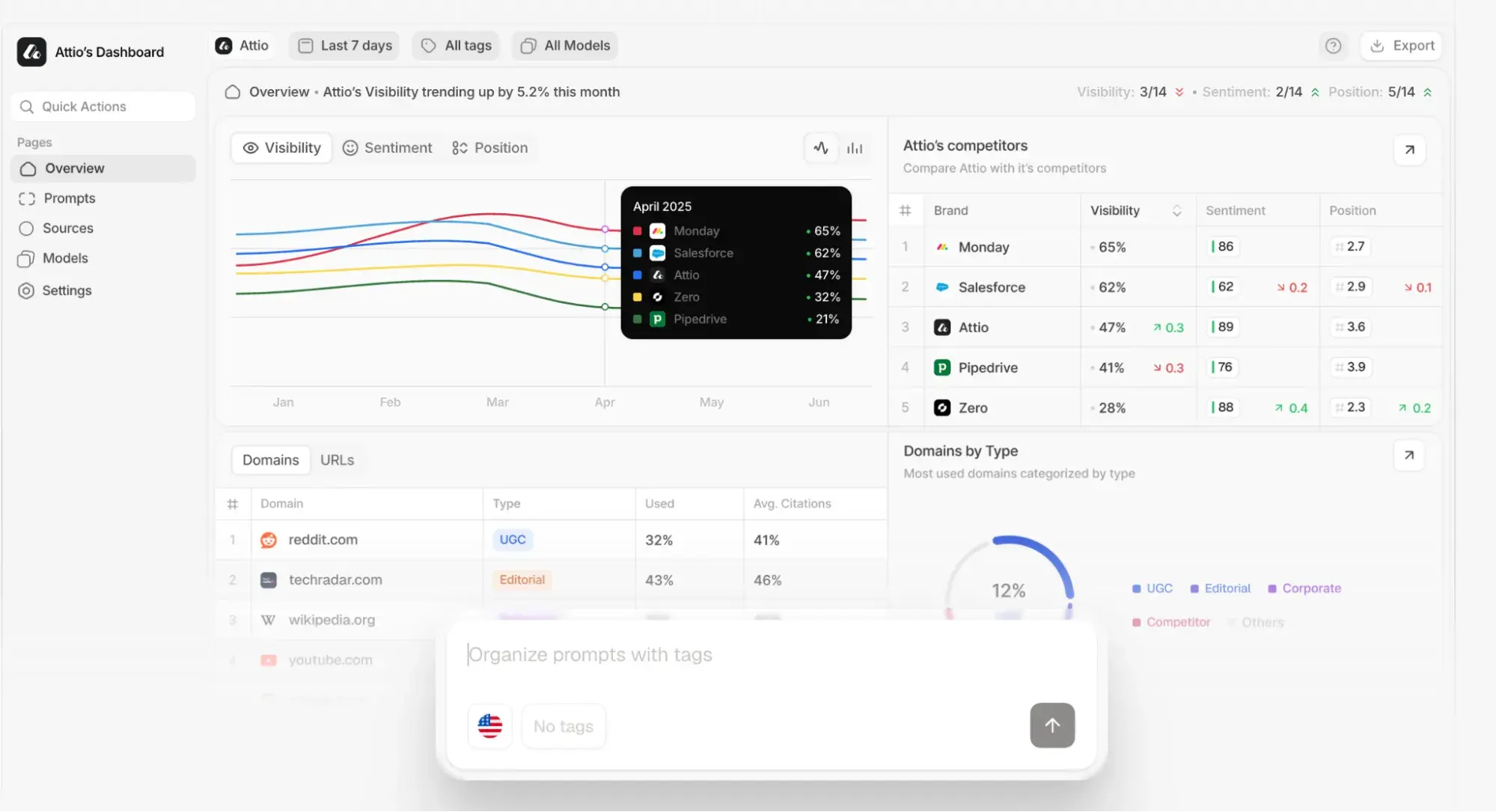
Data-Driven Decision Making and Prompt Governance
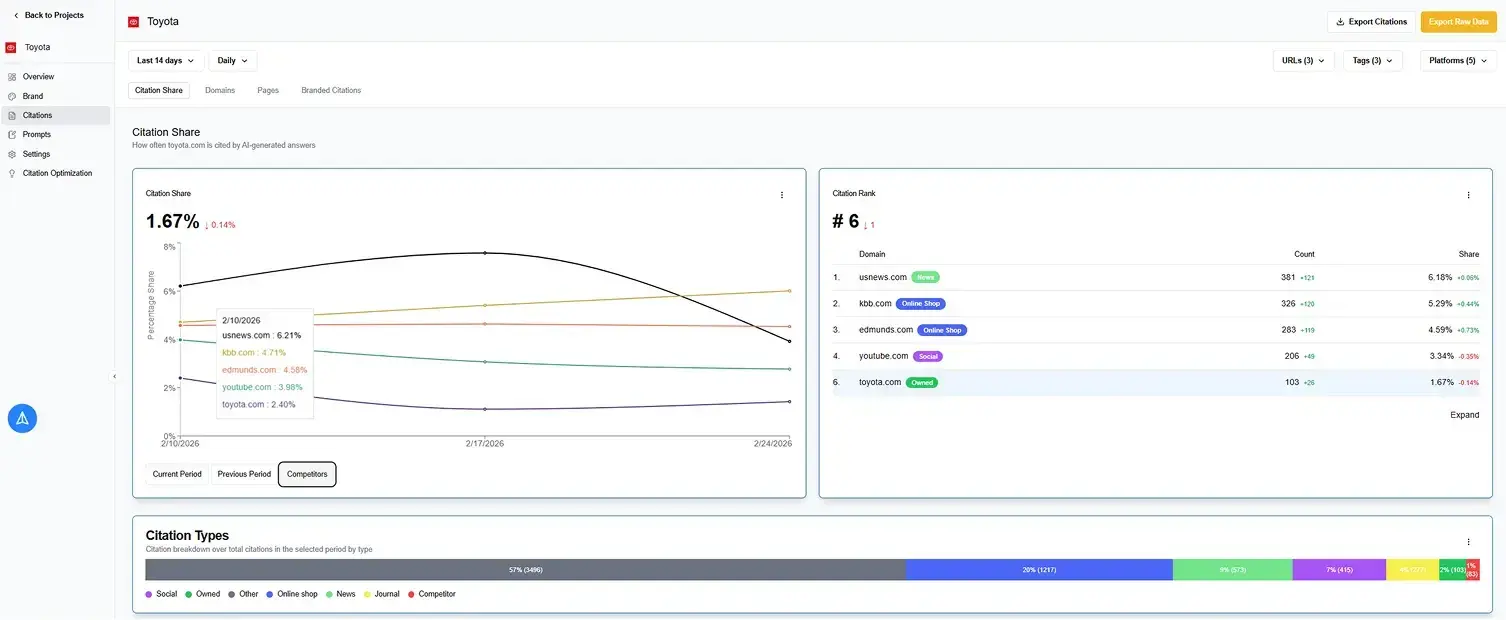
The shift toward AI search necessitates a more disciplined approach to data collection. Successful programs rely on "prompt governance"—the standardization of the queries used to track visibility. If a marketing team uses inconsistent language to monitor its presence, the resulting data will be skewed and unreliable.
Experts suggest implementing a five-step rollout plan for any AI visibility tool:
- Define the integration stack: Ensure visibility data can be exported to or viewed alongside CRM and web analytics.
- Standardize prompt libraries: Create a controlled list of high-intent and awareness-stage prompts that are refreshed consistently.
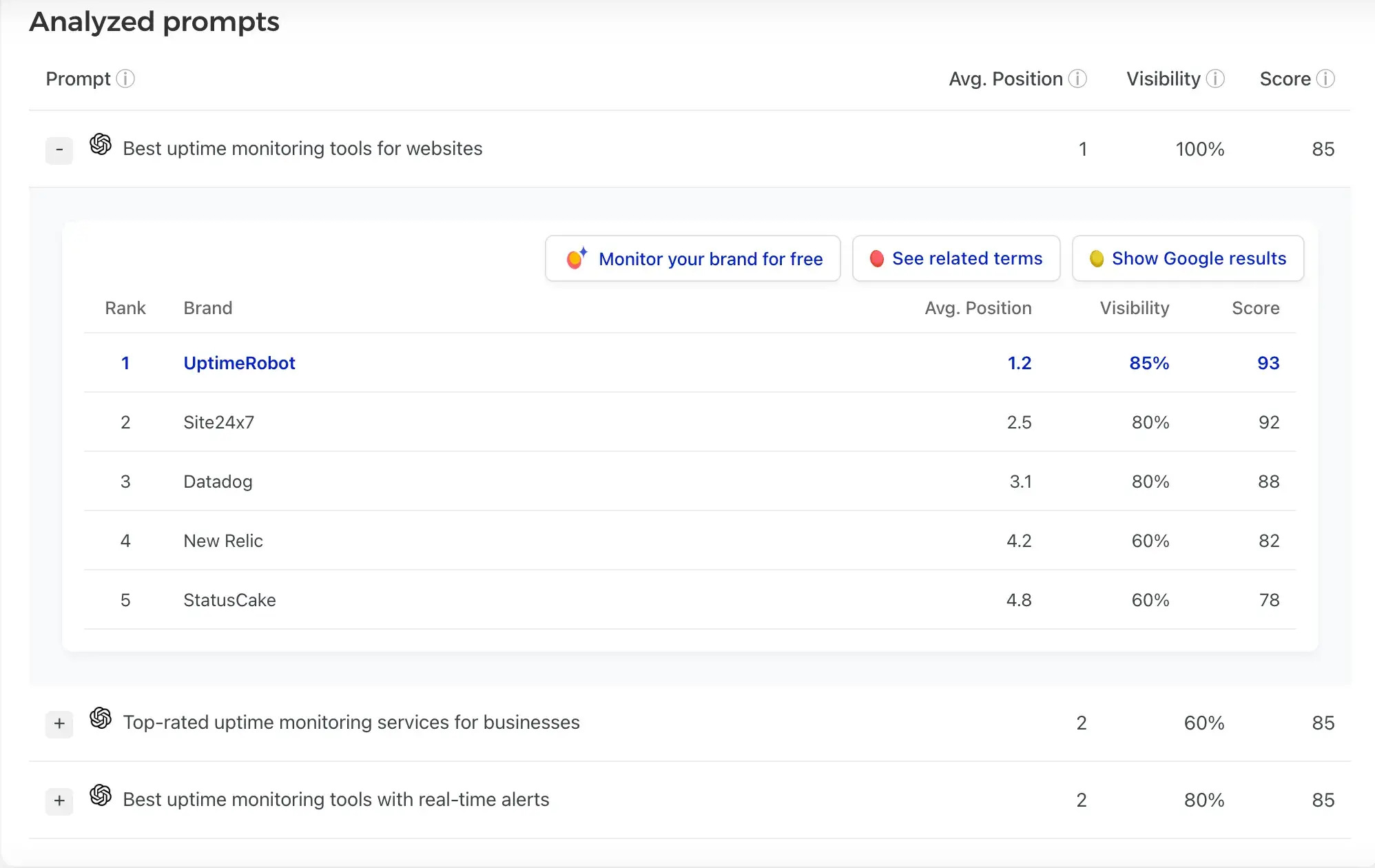
- Multi-run quality assurance: Because AI models can provide different answers for the same prompt, teams must run queries multiple times to establish a reliable average.
- Evidence preservation: Always save the raw AI output, including cited sources and model timestamps, to ensure the data remains auditable.
- Continuous correlation: Regularly map visibility trends against lead generation and revenue data to verify that AI visibility is driving tangible business growth.
The Link Between Visibility and Revenue
A recurring theme among marketing leaders is the necessity of connecting AI search performance to the bottom line. Matthew Kinneman, founder of Bully Max, has highlighted that visibility is a vanity metric unless it can be explicitly tied to customer actions. The current trend in the industry is toward "actionable intelligence." If a tool indicates that a brand is missing from a key recommendation list, it should ideally suggest the content updates or PR strategies required to bridge that gap.
This focus on ROI is why integration with existing marketing automation platforms is becoming the most critical feature for buyers. Teams are moving away from isolated dashboards that require manual data entry and toward unified systems that treat AI visibility as a core component of the broader marketing tech stack.
Future Implications for Marketing Teams
The move away from traditional SEO dominance toward AI-search dominance is not a fleeting trend but a fundamental shift in the digital ecosystem. As AI models become more integrated into browsers, operating systems, and professional workflows, the "answer" will increasingly become the final destination for the buyer.
Marketing teams that fail to adapt their strategies will likely see a decline in organic traffic and a loss of brand authority in the eyes of AI models. Conversely, those that invest in AI visibility tools, establish rigorous prompt governance, and integrate these insights into their revenue operations will be better positioned to control their narrative in the age of conversational search.
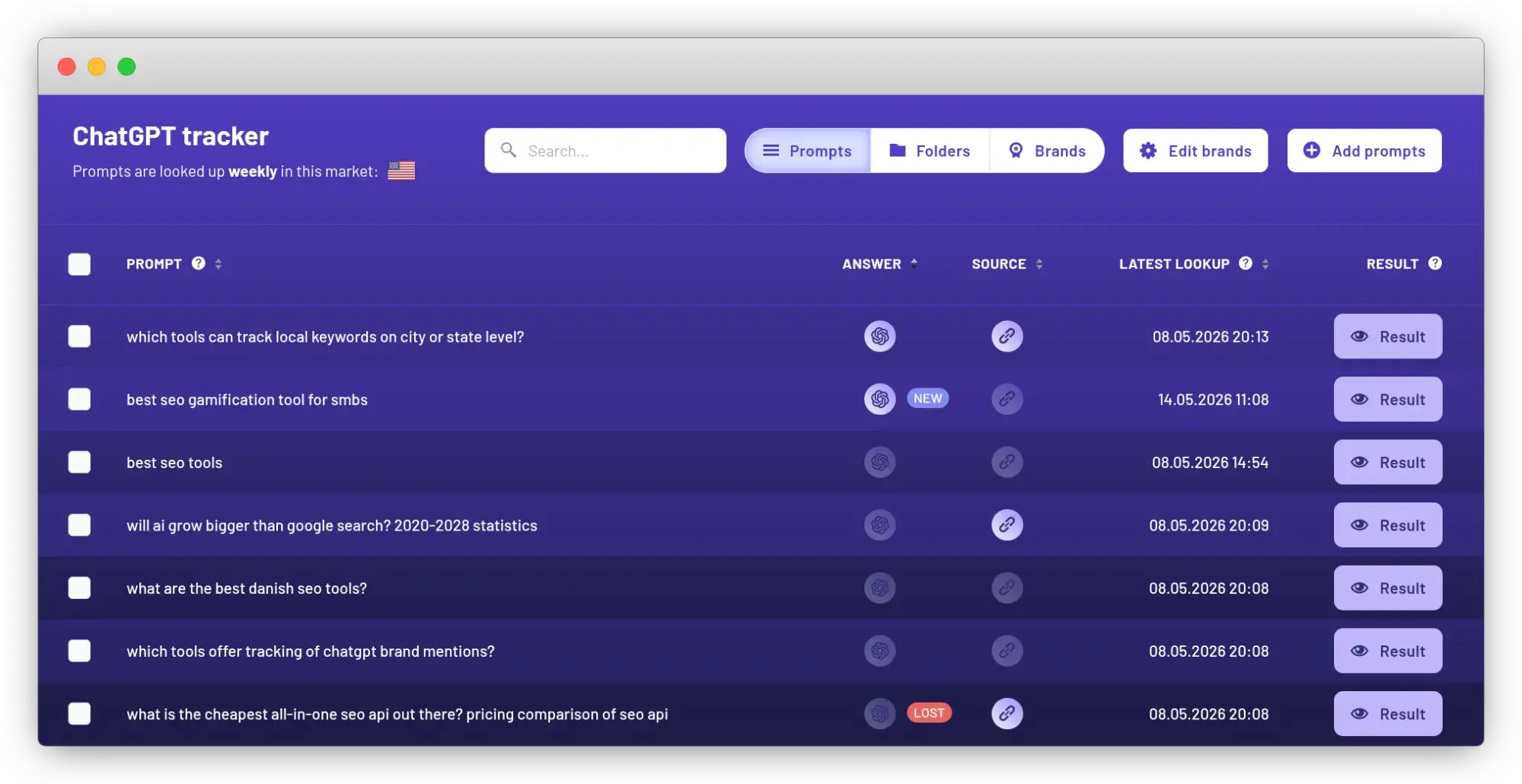
Ultimately, the choice of a tool depends on the specific needs of the organization. A small consultancy might find all the functionality it needs in a tool like Xofu or the free tiers of Mangools, while a multinational corporation will likely require the enterprise-grade reporting and CRM integrations offered by platforms like HubSpot AEO or Profound. Regardless of the choice, the mandate for 2026 and beyond is clear: AI visibility must be measured, analyzed, and integrated into the broader business strategy to maintain competitive advantage. The goal is no longer just to be found, but to be the recommended solution in the increasingly influential "Answer Economy."