The Soaring Cost and Growing Friction of the AI Data Center Power Rush

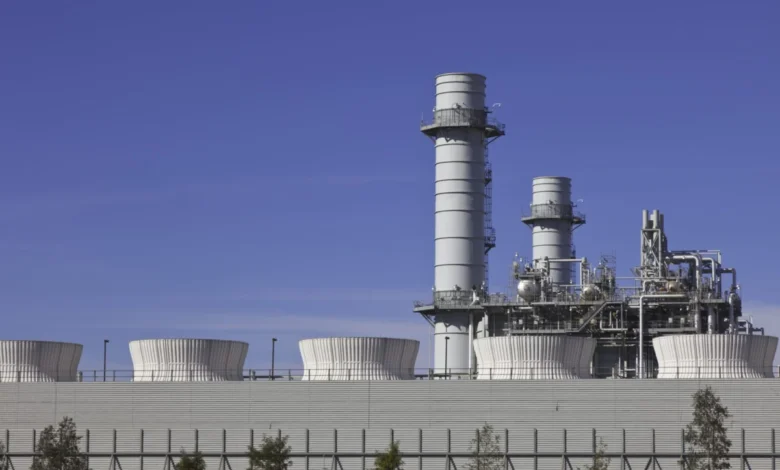
The rapid expansion of artificial intelligence infrastructure is precipitating a profound energy crisis, forcing major technology corporations like Microsoft and Meta into an aggressive and increasingly expensive scramble for power. As these companies race to satisfy the gargantuan energy demands of next-generation data centers, they have pivoted sharply toward natural gas. However, the economic reality of this strategy is shifting beneath their feet; a recent report from BloombergNEF indicates that the cost to construct a combined cycle gas turbine (CCGT) power plant has spiked by 66% over the last two years. This surge in capital expenditure, coupled with a 23% increase in construction timelines, is threatening the financial feasibility of the massive infrastructure projects currently in development.
The Economic Reality of the Energy Pivot
The financial landscape for energy infrastructure has fundamentally changed since 2023. At that time, the cost to build a CCGT power plant hovered at approximately $1,500 per kilowatt of generating capacity. By the end of last year, that figure had climbed to $2,157. This inflation is largely driven by a critical supply-demand mismatch in the market for gas turbines. These complex pieces of hardware now account for up to 30% of a plant’s total construction budget, with prices for the equipment projected to be 195% higher than they were in 2019.
The manufacturing sector for these turbines is struggling to meet the unprecedented demand. Because the production of high-performance turbines involves highly specialized metallurgical techniques and precision engineering, the manufacturing process is inherently resistant to rapid scaling. Consequently, order books for major turbine manufacturers are currently saturated, with lead times stretching into the early 2030s. This creates a bottleneck that forces tech companies to pay a premium for expedited access or face significant delays in bringing their data centers online.
Chronology of a Data Center Energy Crisis
The shift toward on-site or dedicated natural gas generation marks a departure from the industry’s previous reliance on grid-connected renewable energy. Historically, companies like Google, Microsoft, and Amazon favored power purchase agreements (PPAs) that focused on wind, solar, and battery storage. However, several factors have converged to alter this strategy:
- 2023: Tech giants began to face the reality that intermittent renewable energy sources could not provide the 24/7 baseload power required by the massive, high-density AI clusters coming online.
- Early 2024: The "bring your own power" directive, encouraged by the Trump administration, gained traction as a way to alleviate the strain on public electrical grids that were already struggling with aging infrastructure and increased demand from electrification.
- Late 2024–2025: As AI scaling laws pushed data center requirements from the 50-megawatt range to facilities exceeding 100 megawatts, the sheer scale of the power requirement overwhelmed existing grid capacity.
- 2026: BloombergNEF data confirms that the cost of building new fossil-fuel-based peaking and baseload power plants has become a primary financial burden for hyperscalers, leading to a public outcry over rising utility rates for everyday consumers.
The Public Backlash and Utility Dynamics
A central issue fueling public discontent is the way utilities handle the expansion of power generation. In many jurisdictions, the capital costs of constructing new, high-capacity power plants are socialized through rate hikes passed on to utility customers. When tech giants demand a massive influx of power, local utilities often construct new plants to serve those needs, effectively offloading the financial risk of these massive projects onto the public.
This dynamic has resulted in a growing movement of resistance against large-scale data center construction. Local governments, particularly in key tech hubs, are beginning to place moratoriums on new permits until utilities can guarantee that the costs of infrastructure upgrades are borne by the tech companies themselves rather than local residents. The perception that private corporations are utilizing public resources to fund their private AI infrastructure has created a political liability for companies like Microsoft and Meta, forcing them to reconsider the "bring your own power" strategy.

Scaling the Future: The 106-Gigawatt Target
The urgency of this transition is underscored by the projected growth in electrical demand. According to current forecasts, the United States is expected to see data center energy demand soar from 40 gigawatts to 106 gigawatts by 2035—a nearly 300% increase. The physical footprint of these facilities is also expanding. While only 10% of existing facilities operate at a scale of 50 megawatts or greater, the industry is trending toward a standard where the average data center will exceed 100 megawatts.
This growth trajectory suggests that the current reliance on natural gas may only be a stopgap measure. The sheer volume of natural gas required to fuel 66 gigawatts of new capacity would require an massive expansion of pipeline infrastructure, which is itself subject to long, contentious regulatory battles. As the cost of gas-fired power continues to rise, it is becoming less of a "quick fix" and more of a long-term capital risk.
Alternative Approaches: The Google Playbook
Not every firm is betting exclusively on natural gas. Google, for instance, has begun to pilot a more diversified energy strategy that emphasizes long-duration energy storage (LDES) and advanced renewable integration. By pairing solar and wind assets with iron-air batteries—such as those developed by Form Energy—the company aims to create a reliable, carbon-free baseload. These batteries are designed to discharge electricity over 100 hours, a significant improvement over the four-to-eight-hour duration of standard lithium-ion utility-scale batteries.
While the upfront cost of deploying LDES technology is still high, it benefits from a deflationary trend. Unlike natural gas turbines, which are subject to global supply chain volatility and resource depletion, the price of renewable energy generation and battery storage has consistently declined over the past decade. If this trend holds, Google’s strategy may provide a blueprint for a more sustainable, and ultimately more cost-effective, path to powering the next generation of computing.
Implications for the Future of AI
The energy bottleneck is no longer just a technical hurdle; it has become a central economic constraint on the development of artificial intelligence. As the cost of electricity becomes a larger percentage of total operational expenditure, tech companies will be forced to make difficult decisions.
- Efficiency over Scale: There will likely be a renewed focus on "energy-efficient AI," where researchers prioritize models that require fewer compute cycles to train and run.
- Geographic Diversification: Companies may begin to locate data centers in regions with existing, underutilized generation capacity, moving away from high-demand hubs that have already reached their electrical ceiling.
- Direct Investment: We are likely to see more "behind-the-meter" investments, where tech companies bypass the traditional utility model entirely by building private microgrids.
The current trend of relying on natural gas represents a reactive phase in the development of AI infrastructure. As construction costs continue to rise and public pressure mounts, the industry is entering a critical juncture. The winners in the next decade of AI development will likely be those who can decouple their compute growth from the volatility and expense of the traditional energy market. For now, the "love affair" with natural gas remains in a state of crisis, defined by high costs, long delays, and increasing social friction.