Tesco to divest Czech and Slovakian operations to Ahold Delhaize in 1.7 billion euro landmark deal

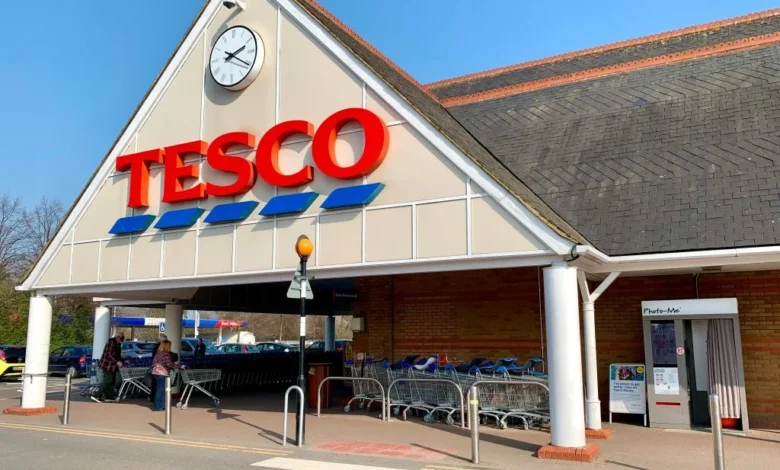
Tesco, the United Kingdom’s largest retailer by market share, has formally announced an agreement to divest its entire retail footprint in the Czech Republic and Slovakia to the international grocery powerhouse Ahold Delhaize. The transaction, valued at approximately €1.7 billion (£1.5 billion), represents a significant strategic pivot for the British supermarket chain as it looks to streamline its international portfolio and double down on its domestic and Irish market dominance.
The proposed deal encompasses the entirety of Tesco’s physical assets in both nations, including a vast network of retail stores, administrative offices, and critical logistics infrastructure. Specifically, the transfer includes the high-capacity distribution centers located in Kralupy, Presov, and Beckov, which have served as the backbone of the company’s supply chain operations in Central Europe for decades. Subject to the customary regulatory scrutiny and competition authority approvals, the transaction is currently slated for completion in the second half of 2027.
Financial Scope and Strategic Divestment
The financial metrics underpinning this acquisition underscore the scale of Tesco’s Central European presence. During the most recent 52-week reporting period, the Czech and Slovakian divisions generated a combined revenue of £2.9 billion. These units were not merely revenue generators but were also profitable, contributing the lion’s share of the £115 million adjusted operating profit reported by Tesco’s broader Central European regional segment.
From a balance sheet perspective, Tesco expects to net approximately €1.2 billion (£1 billion) in cash proceeds following the deduction of tax liabilities and transaction-related expenditures. In a move designed to appease investors and demonstrate fiscal discipline, the board has already signaled its intent to return a substantial portion of these proceeds to shareholders via an additional share buyback program, reinforcing the company’s commitment to enhancing shareholder value.
Historical Context and Market Presence
Tesco’s exit from these markets marks the end of a thirty-year chapter for the retailer in Central Europe. The company first entered the Czech and Slovak markets in the mid-1990s, during a period of rapid post-communist economic liberalization. Over the following three decades, Tesco transformed from an emerging market entrant into a household name, establishing deep-rooted connections with local suppliers, municipalities, and millions of consumers.
The timeline of Tesco’s international expansion has been characterized by a cyclical nature—periods of aggressive global growth followed by strategic retrenchment. Throughout the early 2000s, Tesco sought to become a global retail giant, expanding into Asia and Central Europe. However, in recent years, under the leadership of CEO Ken Murphy, the strategy has shifted toward "simplification." This approach has seen the group exit markets that do not offer the scale or long-term growth potential necessary to justify the management focus required to sustain them.
The Ahold Delhaize Strategy
For the buyer, Ahold Delhaize, this acquisition is a calculated move to consolidate its dominance in the European retail landscape. Ahold Delhaize already maintains a significant presence in the Czech Republic through its Albert brand. The addition of Tesco’s extensive store network provides an opportunity for massive economies of scale in procurement, logistics, and supply chain management. By integrating these assets, Ahold Delhaize will likely seek to harmonize its regional operations, potentially optimizing the distribution network and leveraging the combined purchasing power to compete more effectively against the rising tide of discount retailers in the region.
Market analysts note that the European grocery sector is currently undergoing a period of intense competition, driven by inflation-conscious consumers and the expansion of hard discounters like Lidl and Kaufland. For Ahold Delhaize, this purchase is not merely about increasing store count; it is about defending its market position against these aggressive competitors by fortifying its logistics network in Central and Eastern Europe.

Official Corporate Statements
Addressing the staff and stakeholders affected by the transition, Tesco Chief Executive Ken Murphy expressed gratitude for the legacy built in the region. "I want to thank every colleague in the Czech Republic and Slovakia for the contribution they have made to Tesco over many years. Together, they have built strong national businesses with deep connections to the customers and communities they serve," Murphy stated.
He further emphasized that the decision was driven by a desire to sharpen the company’s focus. "For Tesco, the transaction will further simplify the Group, increasing our focus on our core UK and Irish businesses and supporting our continued investment in our food-first retail ecosystem. It is a privilege to have served these markets for 30 years, and I am delighted that Ahold Delhaize intends to invest in both markets."
Crucially, Murphy sought to reassure the workforce during the lengthy transition period. "Until the transaction completes, our businesses in the Czech Republic and Slovakia remain part of Tesco and our priority remains to continue serving customers and supporting colleagues," he added.
Implications for the Retail Ecosystem
The ripple effects of this deal are expected to be felt across the European retail sector. Firstly, the move signals a broader trend of consolidation among legacy retailers. As profit margins in the grocery sector remain under pressure due to rising energy costs, labor demands, and supply chain volatility, larger entities are increasingly looking to shed non-core assets to fund digital transformation and internal efficiencies.
Secondly, the impact on local suppliers and the agricultural sector in the Czech Republic and Slovakia remains a point of interest. With a new parent company set to take the helm, existing supply contracts will likely undergo a rigorous review process. While Ahold Delhaize has a track record of sustainable sourcing, the transition may lead to a reorganization of the supply base, potentially favoring larger, more automated vendors capable of meeting the requirements of a newly integrated logistics network.
Thirdly, for the UK retail market, this divestment provides Tesco with a significant "war chest" to bolster its domestic operations. In an era where customer loyalty is increasingly tied to digital app adoption, personalized loyalty schemes (such as the Clubcard program), and high-quality private-label goods, the capital infusion will likely be directed toward these technological advancements.
Regulatory Scrutiny and Future Outlook
While the financial terms have been agreed upon, the path to completion is not without hurdles. Competition regulators in both the Czech Republic and Slovakia will likely conduct in-depth investigations to ensure that the merger does not result in a monopolistic environment that could lead to higher prices for consumers. Given the size of the combined entity, the regulatory review is expected to be comprehensive, focusing on local market concentrations and the potential for reduced choice in specific regions.
The timeline—stretching into the second half of 2027—suggests that both parties are prepared for a complex regulatory process. This extended window also allows for a gradual integration plan, ensuring that the transition of employees, store branding, and IT systems occurs with minimal disruption to the consumer experience.
In conclusion, the agreement between Tesco and Ahold Delhaize represents a classic example of corporate portfolio optimization. Tesco exits a market where it was a significant but non-core player to concentrate resources on its home turf. Simultaneously, Ahold Delhaize leverages its existing regional strength to build a more robust, efficient, and competitive retail platform. As the deal progresses through regulatory stages, the focus will shift to how effectively Ahold Delhaize can integrate the legacy Tesco assets into its own operational framework, and how Tesco uses the proceeds to secure its future in the highly competitive British grocery landscape. The outcome of this transition will undoubtedly shape the retail landscape in Central Europe for years to come.