Walmart U.S. Operations Undergo Major Leadership Reshuffle as Kyle Kinnard Takes Helm Amidst Broader Strategic Realignment

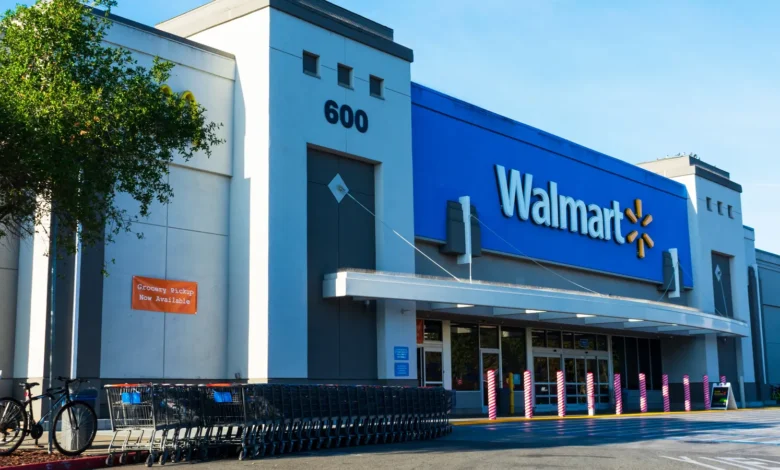
A significant leadership transition is underway at Walmart’s U.S. operations, as Kieran Shanahan, a veteran of nearly three decades with the retail giant, steps down from his role as Chief Operating Officer for Walmart U.S. His departure marks another pivotal change in the company’s senior executive ranks, occurring roughly five months into John Furner’s tenure as Chief Executive Officer. Effective immediately, Kyle Kinnard, previously the Chief Operating Officer for Walmart International, will assume the critical U.S. COO position, bringing his extensive global experience to the company’s largest market. Shanahan is expected to remain with the company in an advisory capacity to Walmart U.S. CEO David Guggina through the end of the current fiscal year, ensuring a smooth handover during this period of strategic adjustment.
The announcement, which was initially reported by The Wall Street Journal and subsequently confirmed via an internal company memo shared with Retail Dive on Friday, July 17, 2026, underscores a broader strategic reorganization initiated by CEO John Furner since he formally took the helm earlier this year. These leadership adjustments are indicative of Walmart’s continuous efforts to optimize its operational structure, enhance efficiency, and adapt to the rapidly evolving global retail landscape. The Chief Operating Officer role for Walmart U.S. is paramount, overseeing the intricate logistics, supply chain management, and day-to-day operations of thousands of stores and distribution centers across the nation, a critical function for maintaining the retailer’s competitive edge and ensuring seamless customer experience.
The Architect of Change: John Furner’s Vision Takes Shape
John Furner’s appointment as CEO represented a strategic move to infuse new energy and a deep understanding of Walmart’s core business into its top leadership. Having previously served as President and CEO of Sam’s Club, and before that, Chief Merchandising Officer for Walmart U.S., Furner possesses an intimate knowledge of both the wholesale and retail segments of the business. His tenure, which officially commenced in early 2026, has been characterized by a proactive approach to leadership restructuring, aiming to align the executive team with his overarching vision for Walmart’s future. This vision emphasizes a relentless focus on omnichannel integration, supply chain resilience, technological innovation, and an enhanced customer and associate experience. The current changes are not isolated incidents but rather integral components of a deliberate strategy to position Walmart for sustained growth and dominance in an increasingly complex retail environment.
Furner’s early actions as CEO signaled a clear intent to reshape the organizational architecture. In January 2026, he spearheaded a comprehensive reorganization of the company’s core C-suite, which included the significant appointments of David Guggina as CEO of Walmart U.S. and Chris Nicholas as CEO of Walmart International. These appointments brought seasoned leaders into crucial roles, setting the stage for subsequent operational adjustments. The ongoing leadership shifts, including Shanahan’s departure and Kinnard’s arrival, are a natural progression of this initial strategic overhaul, reflecting a dynamic process of evaluating talent, roles, and responsibilities to best execute the company’s long-term objectives.
Kieran Shanahan: A Legacy of Nearly Three Decades
Kieran Shanahan’s departure marks the end of an illustrious career spanning nearly 30 years with Walmart. His long tenure speaks volumes about his dedication and significant contributions to the company’s operational backbone. As Chief Operating Officer for Walmart U.S., Shanahan was responsible for overseeing a vast and complex operational network that includes over 4,700 retail stores, numerous distribution centers, and a workforce exceeding 1.6 million associates in the U.S. His responsibilities encompassed critical areas such as store operations, logistics, supply chain efficiency, inventory management, and ensuring the seamless execution of Walmart’s daily retail functions.
Throughout his three decades, Shanahan would have played a pivotal role in navigating numerous industry shifts, from the rise of big-box retail to the advent of e-commerce and the subsequent integration of digital and physical shopping experiences. His expertise would have been instrumental in optimizing store layouts, improving inventory turnover, implementing new technologies to enhance operational efficiency, and managing the monumental task of keeping shelves stocked across the nation. The advisory role he will maintain through the end of the fiscal year underscores the company’s recognition of his deep institutional knowledge and experience, ensuring that his insights continue to benefit Walmart during this transitional phase. His legacy is etched in the operational efficiencies and robust infrastructure that underpin Walmart’s position as the world’s largest retailer.
Kyle Kinnard: From Global Operations to U.S. Core
The appointment of Kyle Kinnard as the new Executive Vice President and Chief Operating Officer for Walmart U.S. is a testament to his extensive experience and proven leadership within the organization. Kinnard, who has been with Walmart for over 25 years, brings a wealth of knowledge gleaned from diverse roles, most recently serving as COO for Walmart International. In this global capacity, he was responsible for overseeing operations across multiple international markets, navigating diverse regulatory environments, cultural nuances, and complex cross-border supply chains. This international exposure has likely equipped him with a unique perspective on adaptability, efficiency, and scalable solutions that can be highly beneficial to the U.S. business.
The internal memo from David Guggina and Walmart International CEO Chris Nicholas lauded Kinnard’s "proven track record" and his "dedication to servant leadership and his passion for coaching the next generation of Walmart leaders." These qualities are particularly valuable in a role that involves managing a vast workforce and fostering a culture of operational excellence. His experience in international markets, where agility and rapid response to localized challenges are often paramount, positions him well to tackle the dynamic and competitive U.S. retail landscape. Furthermore, Kinnard will continue to serve as chair on the board of directors for Walmart de México y Centroamérica, highlighting the strategic importance of this region to Walmart’s global portfolio and maintaining continuity in that key market. This dual responsibility underscores the interconnectedness of Walmart’s global and domestic strategies, with leaders often bridging insights and best practices across different segments of the business. His move signifies a strategic decision to leverage global expertise to strengthen domestic operations.
Strategic Shift in Latin America: Juan Galarraga’s Ascent
Concurrent with Kinnard’s transition, Juan Galarraga has been promoted to Executive Vice President and Regional General Manager for the Latin America business within Walmart International. Galarraga’s ascent is notable given his relatively recent arrival at Walmart in 2024, where he joined as Senior Vice President of Acceleration and Support for Walmart U.S. operations. His rapid promotion indicates that his focus on "acceleration and support" has been highly impactful, suggesting a keen ability to drive strategic initiatives and enhance operational efficiency.
In his new role, Galarraga will oversee Walmart’s substantial presence in Latin America, a region that continues to be a significant growth driver for the company’s international division. This market often presents unique challenges and opportunities, requiring leaders with a strong understanding of local consumer behaviors, economic dynamics, and supply chain intricacies. His background in U.S. operations, particularly in acceleration and support, suggests a mandate to streamline processes and foster innovation across the Latin American segment, further integrating it into Walmart’s broader global strategy. The company has also indicated that it plans to announce the leader of its global platform acceleration team in the coming weeks, signaling a continued emphasis on innovation and strategic growth across all its business units.
A Pattern of Reorganization: Furner’s Leadership Timeline
The leadership changes announced on July 17, 2026, are part of a discernible pattern of reorganization under CEO John Furner. This strategic recalibration began almost immediately upon his formal assumption of the top leadership role, reflecting a clear intention to optimize the executive structure for future challenges and opportunities.
-
January 2026: C-suite Overhaul
As one of his initial and most impactful moves, John Furner spearheaded a significant reorganization of Walmart’s core C-suite. This involved the appointment of new leaders to critical positions, including David Guggina as CEO of Walmart U.S. and Chris Nicholas as CEO of Walmart International. This foundational restructuring aimed to set the strategic direction and establish the core leadership team that would drive Walmart’s objectives globally and domestically. These appointments were designed to bring fresh perspectives and renewed focus to the company’s vast operations. -
May 2026: Key Departures at Sam’s Club and U.S. Stores
The momentum of change continued into May 2026 with the announcement of the departures of two other prominent executives: Tom Ward, Chief Operating Officer of Sam’s Club, and Cedric Clark, Chief of Store Operations at Walmart U.S. These changes indicated a deep dive into the operational leadership across Walmart’s various segments, suggesting a desire to realign responsibilities or bring in new talent to address specific strategic priorities within Sam’s Club and the extensive U.S. store network. The cumulative effect of these changes points to a comprehensive evaluation of leadership capabilities and alignment with Furner’s long-term strategic blueprint.
-
July 2026: U.S. COO Transition
The latest announcements regarding Kieran Shanahan’s stepping down and Kyle Kinnard’s appointment to the U.S. COO role in July 2026 further solidify the ongoing transformation. This move is particularly impactful given the centrality of the U.S. market to Walmart’s overall performance. It suggests a strategic decision to inject new leadership into the operational heart of the company, leveraging Kinnard’s international experience to potentially enhance efficiency, adaptability, and innovation within the domestic business. The transition of Juan Galarraga also highlights a strategic focus on strengthening international growth engines, particularly in Latin America. This timeline reveals a consistent and methodical approach to leadership restructuring, designed to optimize performance and responsiveness across all facets of Walmart’s global enterprise.
The Strategic Imperative: Adapting to a Dynamic Retail Landscape
These leadership adjustments are not merely personnel changes but reflect a strategic imperative to adapt Walmart to a highly dynamic retail landscape. The company operates in an environment characterized by rapid technological advancements, evolving consumer behaviors, intense competition from e-commerce giants and traditional retailers alike, and persistent macroeconomic pressures such as inflation and supply chain disruptions.
-
Enhanced U.S. Market Focus: By bringing Kyle Kinnard, with his extensive international operational experience, to the U.S. COO role, Walmart signals a renewed focus on leveraging global best practices to enhance domestic market performance. This could involve integrating advanced logistics, optimizing store formats for omnichannel shopping, or implementing innovative associate training programs tested in diverse markets. The aim is likely to fortify Walmart’s position against competitors like Amazon, Target, and regional grocery chains by ensuring unparalleled operational efficiency and customer satisfaction.
-
Leveraging Global Best Practices: Kinnard’s background in Walmart International operations provides a unique perspective. He has experience in diverse markets with varying infrastructure, regulatory frameworks, and consumer preferences. This global exposure can be invaluable in identifying scalable solutions and innovative strategies that can be adapted and implemented across Walmart’s vast U.S. network, fostering a culture of continuous improvement and global learning.
-
Operational Efficiency and Innovation: The COO role is central to driving efficiency and innovation in areas like supply chain management, inventory optimization, and last-mile delivery. With the e-commerce boom, the demand for faster, more flexible fulfillment options has surged. The new leadership is expected to accelerate initiatives in automation, data analytics, and artificial intelligence to streamline operations, reduce costs, and enhance the speed and accuracy of product delivery, both in-store and online.
-
Talent Development and Succession: The consistent promotion from within, as seen with Kinnard and Galarraga, underscores Walmart’s commitment to internal talent development and robust succession planning. This strategy helps maintain institutional knowledge while injecting new perspectives into leadership roles. It also signals to employees that there are clear career pathways within the organization, fostering morale and loyalty.
Market and Financial Context: Walmart’s Position in 2026
Walmart’s strategic leadership shifts occur against a backdrop of complex market dynamics and financial expectations. As of mid-2026, Walmart continues to be a dominant force in retail, yet faces constant pressure to innovate and grow.

-
E-commerce Growth and Omnichannel Integration: Walmart has made significant investments in its e-commerce capabilities, including online grocery pickup and delivery services, aiming to compete effectively with Amazon. Recent financial reports (hypothetically, Q1 and Q2 2026) would likely show continued strong growth in its e-commerce segment, reflecting successful integration of online and in-store shopping experiences. The leadership changes are designed to further accelerate this omnichannel strategy, ensuring seamless operations across all customer touchpoints.
-
Supply Chain Resilience: The global supply chain disruptions of recent years have highlighted the critical importance of a resilient and agile supply chain. Walmart has been investing heavily in automation at its distribution centers and optimizing its logistics network. The COO’s role is central to these efforts, ensuring that products are efficiently moved from suppliers to shelves and customers, minimizing stockouts and maximizing availability.
-
Competitive Pressures: The retail sector remains fiercely competitive. Beyond Amazon, Walmart faces strong competition from Target, Kroger, and a host of specialized retailers. These leadership changes are strategic maneuvers to strengthen Walmart’s operational core, enabling it to respond more effectively to competitive threats and maintain its market share.
-
Investor Confidence: Investors closely watch leadership changes in major corporations. While some initial uncertainty might arise, a clear strategic rationale for the changes, coupled with a track record of internal promotions, can instill confidence in the company’s long-term direction and its ability to execute its vision. Analysts will be looking for improved operational metrics, continued revenue growth, and enhanced profitability as indicators of the success of these strategic shifts. Walmart’s consistent dividend payouts and share buyback programs, common strategies for the company, also typically help maintain investor confidence even amidst organizational changes.
Official Stance and Forward Outlook
The official statements, such as the internal memo from David Guggina and Chris Nicholas, emphasize continuity, strategic alignment, and a focus on future growth. While specific public statements from John Furner regarding these particular changes were not provided in the original excerpt, it can be logically inferred that he would articulate an overarching message about optimizing talent, driving efficiency, and reinforcing Walmart’s commitment to its customers and associates. The transition is likely framed as a deliberate move to leverage the best talent across the organization to meet strategic objectives.
The company’s focus remains on delivering value to customers, empowering associates, and innovating to meet future demands. The upcoming announcement for the leader of its global platform acceleration team further underscores Walmart’s commitment to sustained growth through strategic initiatives and technological advancements. These leadership adjustments are therefore not just about who holds which title, but about how Walmart is positioning itself structurally and strategically to thrive in the decades to come.
Conclusion
The leadership changes at Walmart, particularly the transition of Kieran Shanahan and the appointment of Kyle Kinnard as U.S. COO, signify a dynamic period of strategic realignment under CEO John Furner. These moves, part of a series of executive adjustments over the past several months, reflect a concerted effort to optimize the company’s operational capabilities, leverage diverse leadership experiences, and reinforce its position in a highly competitive and evolving global retail market. By bringing in leaders with proven track records and varied expertise, Walmart aims to enhance efficiency, foster innovation, and solidify its commitment to delivering exceptional value to its customers while navigating the complexities of modern retail. The ongoing transformation underscores Walmart’s proactive approach to leadership development and its dedication to building a robust, agile organization prepared for future challenges and opportunities.