The Great Supply Chain Reorientation: Ports See Unprecedented Cargo Surges as Traditional Shipping Cycles Collapse

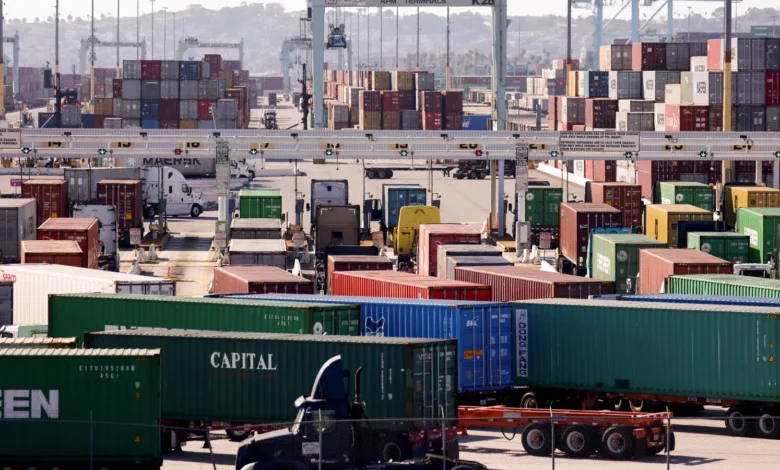
Companies are fundamentally altering their approach to global logistics, moving decisively away from the long-established patterns of seasonal ocean shipping. This strategic pivot, driven by a complex interplay of geopolitical instability, fluctuating trade policies, and volatile energy markets, is resulting in an opportunistic cargo movement strategy, according to Gene Seroka, Executive Director of the Port of Los Angeles. Instead of meticulously planning shipments to align with traditional peak seasons or waiting for what were once considered "perfect conditions," businesses are now expediting cargo whenever a favorable opening in the supply chain emerges, effectively creating a perpetual, albeit unpredictable, shipping window.
This paradigm shift signifies a proactive stance by retailers and manufacturers. They are making highly strategic, real-time decisions about when and how much to ship, intricately balancing anticipated consumer demand for crucial periods like back-to-school and the year-end holidays against the immediate and potential future impacts of tariffs, rising fuel costs, and broader global economic uncertainty. The consequence of this frontloading strategy has been a remarkable surge in cargo volumes at major U.S. gateways, marking an unprecedented "early peak season" as companies seek to insulate themselves from future disruptions.
Southern California’s Gateway: A Hub of Unprecedented Activity
The Port of Los Angeles, a critical artery in global trade, has registered exceptional volumes throughout the current year, directly reflecting this industry-wide effort to frontload cargo. Seroka highlighted this trend during a July 15 media briefing, underscoring the port’s pivotal role in managing the evolving supply chain dynamics.
Port of Los Angeles: A Historic June Performance
In June, the Port of Los Angeles processed over 1 million Twenty-foot Equivalent Units (TEUs), a monumental achievement that marked the best June in the port’s 118-year operational history. This record-breaking performance is a testament to the intensified shipping activity. A detailed breakdown of the June figures reveals the extent of this surge:
- Total Processed TEUs: 1,002,734, representing a substantial 12% increase year-over-year (YoY). This figure encompasses all cargo movements through the port.
- Loaded Imports in TEUs: 530,558, climbing by an impressive 13% YoY. This category is a direct indicator of consumer and manufacturing demand in the U.S. and the success of frontloading efforts.
- Loaded Exports in TEUs: 126,365, remaining relatively flat YoY. While imports soared, export volumes did not experience a similar boom, reflecting the current trade balance and global demand for U.S. goods.
- Empty Container Units in TEUs: 345,811, surging by 17% YoY. The increase in empty containers underscores the high demand for shipping capacity and the rapid turnaround of vessels, often sending empties back to origin ports to be refilled.
Port of Long Beach: Sustained Double-Digit Growth
Mirroring the robust activity at its neighboring facility, the Port of Long Beach also experienced significant growth in June. A July 14 report confirmed that the Port of Long Beach processed nearly 780,000 TEUs, marking a robust 10.6% increase year-over-year. On the crucial imports side, TEUs rose by 11% year-over-year, reaching 387,025. The combined performance of the San Pedro Bay ports underscores the immense pressure and throughput capacity currently being utilized in Southern California, a region historically responsible for handling a significant portion of U.S. maritime trade.
Looking Ahead: July’s Strong Outlook Amidst Rising Uncertainty
Data further suggests that July is poised to be yet another strong month for cargo volumes. Seroka forecasted that the Port of Los Angeles alone would process over 900,000 TEUs, indicating sustained momentum. This prediction aligns with broader industry expectations, including those from the National Retail Federation (NRF), which has anticipated record import cargo volumes ahead of potential August tariffs, reinforcing the widespread frontloading trend.
However, the outlook beyond July becomes considerably more opaque, as Seroka candidly admitted that the picture "gets a little harder to read." This heightened uncertainty stems from several critical factors, compelling companies to adapt their strategies in real-time to navigate an increasingly volatile global trade environment.
Underlying Drivers of the Frontloading Phenomenon
The current shift in shipping patterns is not an isolated event but rather a symptom of deeper structural changes and immediate pressures within the global supply chain. Understanding these drivers is key to comprehending the long-term implications for trade, logistics, and consumer markets.
1. Tariff Evasion and Evolving Trade Policy:
A primary catalyst for the current frontloading spree is the impending expiration of Section 122 tariffs, set for July 24. These tariffs, originally implemented as a trade measure, have cast a long shadow of uncertainty over import costs. Retailers and manufacturers, having experienced firsthand the financial implications of such duties, are rushing to import goods before the deadline, hedging against the possibility of these tariffs being renewed, modified, or replaced with new trade barriers. The lack of clear governmental guidance on post-expiration policy leaves businesses with little choice but to act preemptively, prioritizing the avoidance of potentially significant cost increases that could erode profit margins or necessitate higher consumer prices. The specific goods affected by these tariffs often include a wide range of consumer products and industrial components, making their potential re-imposition a concern across multiple sectors.
2. The Volatile Landscape of Fuel Costs and Geopolitical Instability:
The ongoing conflict in Iran continues to exert a substantial and persistent upward pressure on global transportation costs. While the immediate impact might not always be direct disruption of shipping lanes for all global trade, the broader geopolitical instability invariably affects crude oil prices. Fuel currently constitutes a staggering upwards of 30% of a vessel’s total voyage cost, making it a critical determinant of freight rates. Ocean carriers typically adjust their fuel surcharges to reflect these fluctuations. Seroka warned that an initial "bump" in these surcharges is inevitable, and crucially, when crude oil prices eventually decline, these surcharges often remain elevated for an extended period before returning to levels more reflective of the current market. This lagging effect means that even if oil prices stabilize or decrease, the cost burden on shippers can persist, further complicating cost predictions and supply chain budgeting. This volatility necessitates constant re-evaluation of shipping routes, vessel speeds, and overall logistics strategies to mitigate financial exposure.
3. Lessons from Past Disruptions: The Pandemic’s Enduring Impact:
The unprecedented global supply chain disruptions experienced during the COVID-19 pandemic — marked by port congestion, container shortages, labor strikes, and unpredictable demand swings — have left an indelible mark on corporate strategies. Many companies suffered significant losses due to stockouts, delays, and exorbitant emergency shipping costs. As a direct result, there has been a notable shift away from the "Just-In-Time" (JIT) inventory management philosophy, which prioritizes lean inventories, towards a more resilient "Just-In-Case" approach. This involves maintaining higher buffer stocks and diversifying sourcing to build greater resilience against future shocks. The current frontloading trend can be seen as a direct manifestation of this strategic re-evaluation, where the cost of holding extra inventory is weighed against the potentially far greater cost of not having products available when consumer demand arises.
Operational Resilience and Strategic Preparedness
In response to this rapidly evolving landscape, ports are not merely reactive but are actively implementing strategies to enhance their operational resilience and preparedness. Seroka emphasized that the Port of Los Angeles’s operations teams, encompassing both import and export functions, are continuously running sophisticated simulation exercises. These simulations model various challenging scenarios, such as the imposition of new tariffs, significant spikes in fuel prices, or other unforeseen geopolitical events. Following these exercises, teams reconvene to analyze potential outcomes and determine the most effective strategies for handling any new developments. This proactive, data-driven approach is critical for maintaining fluidity and efficiency in an increasingly unpredictable global trade environment. It reflects a broader industry recognition that adaptability and scenario planning are no longer optional but essential for modern port management.
Broader Economic and Supply Chain Implications
The ongoing reorientation of global shipping patterns carries profound implications for a wide array of stakeholders, from individual consumers to multinational corporations and the global economy at large.
For Retailers and Manufacturers:
The shift to opportunistic shipping presents both opportunities and significant challenges. While frontloading can mitigate risks associated with tariffs and supply chain delays, it also introduces complexities in inventory management. Retailers must contend with increased warehousing costs, higher carrying costs for goods held longer, and the risk of obsolescence if demand forecasts prove inaccurate. This also necessitates more sophisticated demand forecasting models that can account for rapid market shifts and geopolitical events. The need for agility means investing in advanced logistics technology, robust inventory systems, and potentially expanding warehousing infrastructure.
For Consumers:
The implications for consumers are multifaceted. On one hand, the frontloading of goods aims to ensure product availability, particularly for critical shopping seasons like back-to-school and holidays, potentially preventing widespread stockouts. However, the higher costs associated with tariffs, elevated fuel surcharges, and increased warehousing might eventually be passed on to consumers through higher retail prices. Price fluctuations could become more common, reflecting the underlying volatility in shipping costs and trade policy.
For the Logistics Industry:
The entire logistics ecosystem, including trucking companies, railroads, and warehousing providers, faces increased pressure. Surges in cargo volumes at ports translate into higher demand for inland transportation and storage, potentially leading to congestion and increased costs across the supply chain. The need for flexible and scalable solutions becomes paramount, driving innovation in areas like intermodal transport and automated warehousing. Ocean carriers, while benefiting from sustained demand, must navigate the complexities of fuel price volatility and the strategic decisions of their clients, which can lead to uneven demand distribution across different shipping lanes and times.
The Future of Global Trade:
This strategic pivot raises fundamental questions about the future structure of global trade. Is this a temporary adjustment to current uncertainties, or does it signal a more permanent shift away from highly optimized, lean supply chains towards more resilient, albeit potentially more costly, models? Experts are increasingly discussing concepts like "regionalization" or "friend-shoring," where companies seek to diversify their manufacturing and sourcing bases to reduce reliance on single regions or politically sensitive areas. Such a move would have long-term implications for global manufacturing footprints, international trade agreements, and the development of new logistics hubs. The imperative for greater supply chain visibility, facilitated by advanced data analytics and artificial intelligence, will only grow as companies seek to gain real-time insights into their complex networks.
In conclusion, the global shipping industry is undergoing a profound transformation, moving away from predictable seasonality towards an agile, opportunistic model. The record-breaking volumes at key U.S. ports like Los Angeles and Long Beach are a direct consequence of this shift, driven by concerns over trade policy, fuel costs, and the enduring lessons of past disruptions. While this approach offers a degree of protection against immediate risks, it also ushers in a new era of uncertainty and complexity for all participants in the global supply chain. As Seroka aptly noted, the specificity of future challenges remains elusive, underscoring the imperative for continuous adaptation and strategic foresight in an increasingly unpredictable world.