Burlington Stores Accelerates Renewable Energy Transition with Strategic Solar Installations Across National Distribution Network


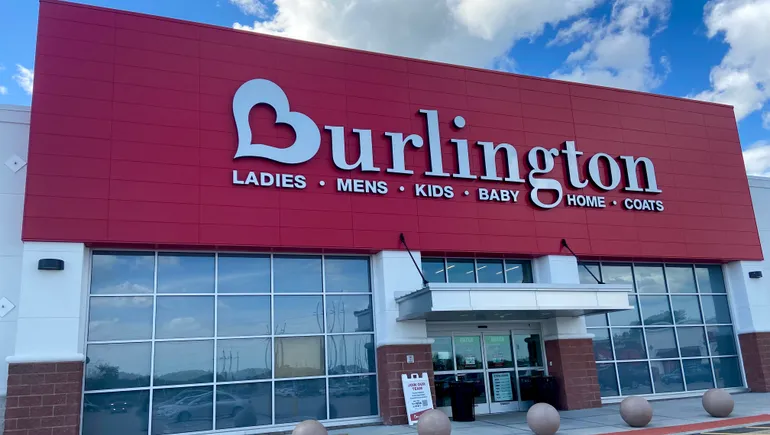
The retail landscape is undergoing a significant transformation as major players, led by off-price leader Burlington Stores, aggressively pivot toward on-site renewable energy generation to decarbonize their sprawling logistics networks. In an announcement reflecting broader industry trends, Burlington has confirmed plans to expand its solar footprint, with new installations slated for upcoming facilities in Arizona and California, alongside retrofitting existing warehouse infrastructure in Georgia. This move serves as a cornerstone of the company’s evolving sustainability strategy, which aims to decouple business growth from carbon-intensive energy consumption.
A Rapid Acceleration of Renewable Goals
Burlington’s commitment to sustainability has transitioned from aspirational to operational with remarkable speed. In its most recent fiscal year 2025 performance reporting, the retailer revealed that it sourced 25% of its total electricity from renewable resources. This achievement is particularly notable as it surpassed the company’s internal long-term target of 20% by 2030, a milestone reached five years ahead of schedule.
The strategy involves a two-pronged approach: the physical deployment of solar arrays on warehouse rooftops and land-adjacent sites, and the execution of renewable energy supply agreements (RESA) across key regional markets, including the Midwest, the Mid-Atlantic, and the West Coast. By prioritizing solar energy at distribution hubs—the heart of retail supply chain emissions—Burlington is effectively mitigating the carbon footprint associated with the storage and processing of its inventory before it reaches store shelves.
Industry Context and Competitive Benchmarking
Burlington is not operating in a vacuum. The retail sector is currently witnessing a race to integrate green energy, driven by mounting pressure from institutional investors, regulatory bodies, and climate-conscious consumers. The scale of these investments indicates that renewable energy is no longer considered a "corporate social responsibility" niche but a critical component of supply chain resilience and operational efficiency.
Gap Inc. and the 2030 Vision
Gap Inc. remains a primary example of this shift. According to its June 2025 Impact Report, the clothing retailer has committed to sourcing 100% renewable electricity for all company-operated facilities by 2030. As of the close of fiscal year 2025, Gap reported that 46% of its global electricity needs were met through renewables. A significant driver of this progress is the strategic solar installation at its major distribution center in Fresno, California, which demonstrates the efficacy of onsite generation in high-sunlight regions.
Walmart’s Global Scale
Walmart, the world’s largest retailer, continues to utilize its massive physical footprint to influence the energy market. In its fiscal 2026 ESG Report, the retail giant announced that more than 53% of its global electricity consumption is now supplied by renewable sources, moving steadily toward its 2035 target. Walmart’s strategy relies on a mix of onsite solar and large-scale power purchase agreements. Currently, the company’s U.S. operations boast 125 megawatts of onsite solar capacity distributed across 303 individual facilities, providing a blueprint for how large-scale retailers can integrate distributed energy resources (DERs) into their logistics operations.
TJX and Best Buy: Targeted Deployments
The TJX Companies, a direct competitor to Burlington, has also prioritized localized energy solutions. Their 2025 Global Corporate Responsibility Report highlights solar deployments across its U.S. distribution network, specifically citing facilities in Arizona, Connecticut, Massachusetts, Nevada, and Texas. Meanwhile, Best Buy has demonstrated that even non-apparel retailers are adopting this strategy, successfully installing its first dedicated solar field at a California distribution center earlier this year. The facility is expected to generate 6 million kilowatt-hours of electricity annually, providing a tangible example of how onsite generation can drastically reduce a warehouse’s reliance on the traditional power grid.

The Logic Behind the Logistics Shift
The decision by retailers to invest in onsite solar at warehouses is rooted in both economic and operational logic. First, warehouses are ideal candidates for solar photovoltaic (PV) systems due to their vast, flat rooftop surfaces. These "dead spaces" are being converted into income-generating assets that hedge against the volatility of utility energy prices.
Second, the geographical selection of sites—specifically in states like Arizona and California—is strategic. These regions experience high solar irradiance, maximizing the return on investment for the hardware installed. By generating electricity at the point of consumption, retailers reduce transmission losses and lessen the burden on local utility grids during peak demand hours.
Third, these initiatives are vital for scope two emissions reporting. As retailers face increasing demands for transparency regarding their carbon impact, onsite solar provides a verifiable, "additionality" source of clean energy. Unlike purchasing Renewable Energy Credits (RECs), which are often criticized for their lack of direct impact, onsite solar represents a definitive contribution to the local grid’s decarbonization.
Challenges and Future Implications
Despite the momentum, the transition is not without hurdles. The integration of onsite solar requires significant upfront capital expenditure, complex permitting processes across different jurisdictions, and long-term maintenance commitments. Furthermore, the intermittent nature of solar power necessitates the integration of battery storage solutions if retailers hope to power their operations around the clock.

Industry analysts suggest that the next phase of this evolution will likely involve "microgrid" configurations, where warehouses act as energy hubs. In these models, a facility might use onsite solar to power electric vehicle (EV) charging stations for the trucking fleets responsible for "last-mile" delivery, thereby creating a closed-loop, emission-free logistics cycle.
Conclusion: A New Standard for Retail Operations
The proactive stance taken by Burlington, alongside industry giants like Walmart and Gap, signals a permanent shift in how retail supply chains are managed. The rapid adoption of onsite solar suggests that the business case for sustainability has reached a tipping point. As these retailers continue to scale their renewable energy portfolios, the broader supply chain ecosystem—including third-party logistics providers and manufacturing partners—will likely be compelled to adopt similar standards to remain competitive.
For Burlington, the expansion into Arizona, California, and Georgia is not merely an infrastructure upgrade; it is a strategic maneuver that positions the company to better manage its energy costs while insulating its brand from the regulatory and environmental risks associated with a changing climate. As fiscal year 2026 progresses, all eyes will be on how effectively these retailers can integrate these decentralized energy systems into their existing, high-velocity distribution models. The success of these projects will likely dictate the pace of the retail sector’s wider transition to a clean energy future, setting a new benchmark for what it means to be an efficient, responsible, and future-ready retailer in the modern age.