Google Joins Strategic Coalition to Accelerate Nevoya Electric Truck Deployment in Texas

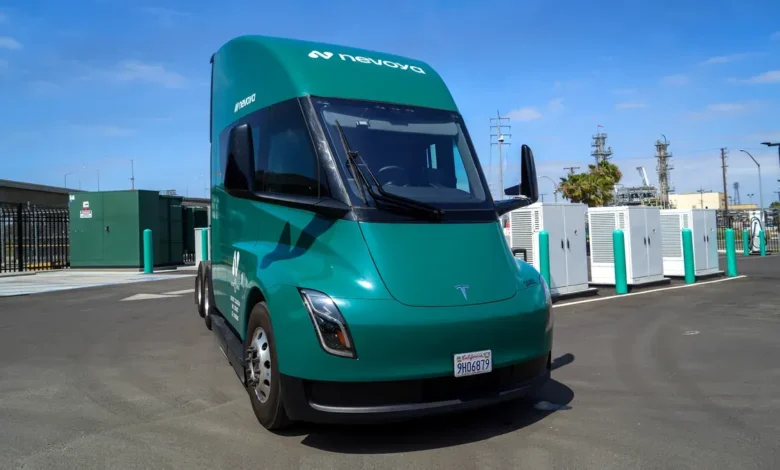
In a significant move to decarbonize its logistics network, Google has officially joined a high-profile coalition of corporate shippers committed to scaling zero-emission heavy-duty freight transport. Announced on September 8, 2026, the partnership centers on providing the necessary capital to startup carrier Nevoya to deploy 25 additional Class 8 battery-electric trucks along the critical Dallas-Houston freight corridor. This initiative, facilitated by the Center for Green Market Activation (GMA), represents a sophisticated "book-and-claim" financial model designed to bypass the traditional barriers hindering the adoption of electric heavy-duty vehicles.
The collaboration brings the total project footprint to 63 Class 8 electric trucks, solidifying it as the largest known deployment of its kind in the state of Texas. By pooling resources and leveraging a standardized environmental credit system, the participating companies—which include tech giants, retailers, and global logistics providers—are effectively underwriting the upfront costs of fleet electrification and the installation of necessary charging infrastructure.
The Mechanism of Change: Book-and-Claim
The core of this partnership relies on the "book-and-claim" system, a regulatory and accounting mechanism that allows shippers to decouple the environmental attributes of low-carbon transport from the physical freight movement itself. Under this model, Google and other coalition members pay into a fund that finances the purchase and operation of Nevoya’s electric fleet. In return, these companies receive verified environmental attribute certificates.
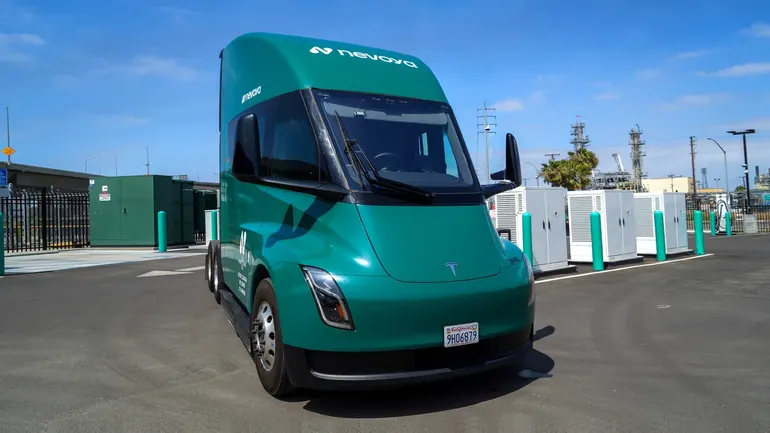
These certificates provide a quantifiable metric that corporations can use to report Scope 3 emissions reductions in their annual sustainability disclosures. Because electric trucks are currently limited by battery range and the availability of charging stations, it is not always feasible for a specific package to be carried by an electric vehicle from point A to point B. The book-and-claim system solves this by allowing a shipper to claim the emissions savings associated with the electric truck’s operation on a specific corridor, regardless of whether their specific goods were onboard at that moment.
"Book and claim helps unlock the capital and operational certainty to deploy electric capacity where it makes the most commercial sense," noted Nevoya CEO Sami Khan during the project’s initial phase announcement. By providing this financial bridge, shippers are essentially serving as early-market makers for a technology that would otherwise be too capital-intensive for a single carrier to deploy at scale.
A Chronology of the Texas Corridor Initiative
The road to this massive deployment began in 2023 when the Center for Green Market Activation established the GMA Trucking alliance. The objective was clear: to create a collaborative procurement environment that could aggregate demand for zero-emission trucking services.
- 2023: The Center for Green Market Activation forms the GMA Trucking coalition, inviting major shippers to participate in a collective procurement strategy.
- January 2026: The alliance announces its initial lineup of members, including Amazon, eBay, Etsy, Green Worldwide Shipping, and Meta. The project is unveiled with plans to deploy electric trucks on the Dallas-Houston lane.
- May 2026: Further details regarding the logistics of the book-and-claim system are formalized, providing a blueprint for potential new partners.
- September 8, 2026: Google officially joins the coalition, pledging funding for an additional 25 electric trucks, bringing the project total to 63 vehicles.
- Early 2027: The project is scheduled to commence full-scale operations, marking a milestone in the deployment of battery-electric heavy-duty transport.
Supporting Infrastructure and Technical Execution
A fleet of 63 Class 8 trucks requires more than just capital for vehicles; it demands a robust energy ecosystem. To address the infrastructure gap, Nevoya has entered into a strategic partnership with Greenlane, a leading developer of commercial electric vehicle charging corridors. Greenlane’s role is to ensure that the Houston-Dallas route is equipped with high-power charging stations capable of supporting the rapid turnaround times required for long-haul logistics.

This "operating model shift," as described by Nevoya Chief Commercial Officer John Vendon, emphasizes that the transition is not merely about replacing diesel engines with electric motors. It requires a complete rethink of how trucks are routed, charged, and maintained. The use of renewable electricity to power these vehicles is a prerequisite for the project, ensuring that the environmental benefits are not negated by a carbon-heavy energy grid.
Analysis: Why Texas?
Texas is arguably the most strategic theater for a large-scale electric trucking experiment in the United States. The state serves as a primary hub for domestic freight, with the Dallas-Houston corridor acting as a high-volume artery for consumer goods. The density of logistics activity, combined with the state’s massive wind and solar energy production, provides an ideal environment for testing the commercial viability of zero-emission transit.
For Google, this project aligns with its long-term objective of achieving net-zero emissions across its operations and value chain by 2030. According to Jenna Stauffer, Google’s head of strategic priorities for climate operations, the investment is a deliberate step toward decarbonizing the "middle mile" of their logistics operations. By choosing to support a collaborative effort, Google is mitigating the risk associated with nascent technology while simultaneously setting a standard for how large organizations can influence the supply chain market.
Official Responses and Industry Outlook
The competitive RFP process used to select Nevoya underscores the rigor with which the coalition is approaching the transition. Clayton Gerber, senior program manager at the Center for Green Market Activation, emphasized that the selection was based on the carrier’s ability to operate Class 8 battery-electric trucks effectively while meeting strict sustainability criteria.

Industry analysts suggest that the model demonstrated by the GMA Trucking coalition could be replicated across other high-density freight corridors, such as the I-5 in California or the I-95 on the East Coast. If successful, the 63-truck deployment will provide empirical data on the total cost of ownership (TCO) for electric fleets, the reliability of charging infrastructure in extreme heat conditions, and the actual emissions reduction potential compared to traditional diesel-powered trucks.
Broader Implications for Logistics and Sustainability
The involvement of tech giants like Google and Meta in trucking procurement represents a fundamental change in the relationship between shippers and carriers. Traditionally, shippers have prioritized cost and speed above all else. Today, they are increasingly becoming "sustainability partners," actively financing the transition to green technology to meet internal and investor-mandated climate goals.
This trend is likely to create a "virtuous cycle." As more capital flows into the development of electric trucks and charging networks, economies of scale will begin to take hold. This, in turn, will lower the cost of entry for smaller carriers and make electric trucks more competitive with diesel counterparts in the long run.
However, challenges remain. The reliance on the book-and-claim system has drawn some criticism from environmental groups who argue that it may allow companies to "buy their way out" of emissions without making direct changes to their own operations. Proponents, however, argue that without these financial mechanisms, the massive upfront investment required for zero-emission technology would remain stagnant, indefinitely delaying the necessary infrastructure build-out.

As the 2027 launch date approaches, the eyes of the logistics industry will be fixed on the Dallas-Houston corridor. The success of this 63-truck fleet will serve as a bellwether for the future of commercial transportation. If the coalition can prove that the model is both operationally sound and environmentally effective, it could trigger a broader transformation of the American freight industry, moving the nation closer to a zero-emission future one corridor at a time.