The Evolution of Retail: How TikTok Shop is Redefining the Digital Consumer Experience

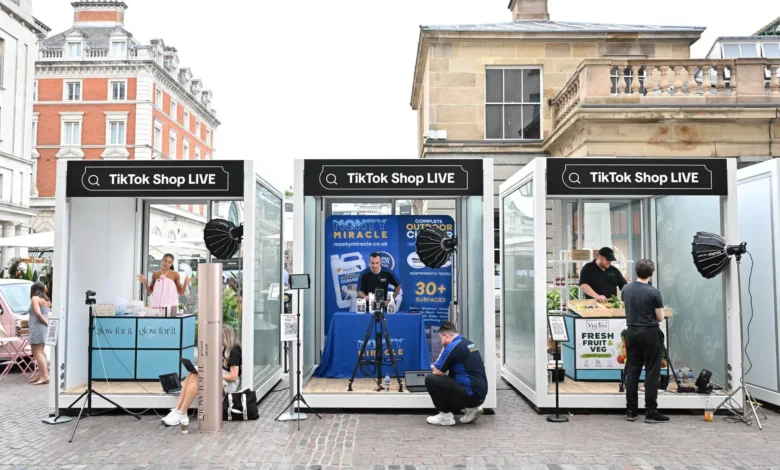
The traditional boundaries between digital entertainment and global e-commerce are rapidly dissolving, a trend primarily accelerated by the rise of social commerce platforms like TikTok Shop. Under the leadership of UK General Manager Jan Wilk, the platform has transitioned from a social media application into a robust retail ecosystem. With over 300,000 small businesses now integrated into its UK marketplace and a 55% year-over-year surge in live-streamed sales, TikTok Shop is fundamentally altering the trajectory of how brands interact with consumers. This paradigm shift, often described as "discovery commerce," prioritizes spontaneous engagement and real-time interaction over the traditional, search-driven e-commerce models that have dominated the internet for two decades.
A Chronology of Social Commerce Integration
The ascent of TikTok Shop in the United Kingdom did not happen in a vacuum. It follows a decade of experimentation with "social selling" that began with influencer marketing and evolved into integrated, in-app checkout experiences.
In the early 2010s, social platforms served primarily as top-of-funnel marketing tools, directing traffic to external websites. By 2020, the onset of the global pandemic acted as a massive catalyst for digital transformation. With brick-and-mortar stores shuttered, retailers were forced to find new ways to connect with customers. TikTok began piloting shopping features, eventually launching its integrated shop in the UK market to streamline the conversion process.
By 2022, the platform had solidified its infrastructure, enabling small and medium-sized enterprises (SMEs) to host live auctions and product demonstrations. In 2023 and 2024, the platform expanded its reach to include established legacy retailers such as Debenhams and QVC, signaling a maturation of the ecosystem. Today, the platform hosts an average of 6,000 live shopping sessions daily in the UK alone, marking a shift from passive advertising to active, real-time retail participation.
The Mechanics of Discovery Commerce
At the heart of TikTok Shop’s success is the concept of "discovery commerce." Unlike traditional e-commerce, which relies on the customer having a specific intent—such as visiting a search engine or an Amazon-style marketplace—TikTok utilizes an algorithmic "For You Feed" to introduce products to users who may not have been actively looking for them.
This model effectively compresses the traditional retail funnel. In the legacy retail journey, a consumer identifies a need, searches for options, compares prices, and makes a purchase. On TikTok, this process is condensed into a single, seamless experience. A user scrolls through their feed, encounters a product through a creator-led video or a live broadcast, and completes the purchase without ever leaving the application.
Data suggests this is highly effective. By focusing on relevance rather than search volume, the platform levels the playing field for smaller vendors. A boutique brand with a modest marketing budget can achieve the same visibility as a multi-national corporation if their content aligns with the interests of a specific community. This shifts the competitive advantage from those with the largest advertising budgets to those with the most compelling, authentic, and engaging storytelling capabilities.
Data-Driven Growth and Market Impact
The shift toward live-streamed commerce represents the most significant departure from conventional digital shopping. According to TikTok internal data, live sales have grown by 55% over the past year. This growth is not merely anecdotal; it is backed by a shift in consumer behavior toward demanding transparency and human connection in their digital interactions.

Industry analysts note that this movement is particularly strong in the beauty, fashion, and collectibles sectors. For instance, the collectibles market—encompassing items such as rare sneakers and limited-edition trading cards—has seen a nine-fold increase in the number of active sellers on the platform. In this category, live auctions have become a dominant force, accounting for approximately 40% of all sales. The urgency created by a live auction, combined with the ability for the buyer to ask real-time questions, bridges the trust gap that often prevents consumers from purchasing high-value or rare items online.
Official Perspectives and Operational Strategy
Jan Wilk, in his capacity as the head of TikTok Shop UK, emphasizes that the platform’s success is rooted in human interaction rather than just digital efficiency. "The growth of LIVE shopping tells us that real, human interaction is a vital part of the shopping experience," Wilk stated. He argues that static product imagery is no longer sufficient to satisfy the modern consumer, who demands to see how a product works, fits, or feels in real-time.
To support this, major retailers are restructuring their operations. MAC Cosmetics, for example, has moved to integrate in-store live studios, allowing employees to conduct broadcasts directly from the sales floor. This effectively turns retail staff into digital influencers, granting them the ability to reach thousands of potential customers simultaneously, rather than being limited to the foot traffic of a physical storefront.
For SMEs, the strategy is often founder-led. The success of brands like Glow For It, which generates an estimated £6m in annual sales with 40% originating from the TikTok platform, serves as a blueprint. The founder, Daisy Kelly, utilized the platform to document the product development process, offering transparency that fostered deep brand loyalty. This "build in public" approach has proven to be a highly effective strategy for establishing trust, which is the primary currency of the TikTok Shop economy.
The Future of Retail: Implications and Challenges
As the retail landscape moves into the upcoming festive season, TikTok Shop faces its next major test of scalability and logistics. The shift toward "curated experiences" during high-volume shopping periods indicates that the platform is moving toward more professionalized, event-based retail models.
However, the rapid growth of social commerce brings new challenges. The reliance on authenticity creates a high barrier for brands that are used to highly polished, corporate-controlled messaging. Companies that fail to adapt their tone and adopt a more conversational, transparent approach often find themselves struggling to gain traction on the platform. Furthermore, the volatility of trends on TikTok requires brands to remain agile, often requiring a total rethink of marketing and production cycles.
The implications for the broader retail sector are significant. Traditional e-commerce players are increasingly feeling the pressure to incorporate live, interactive elements into their own digital storefronts to avoid becoming obsolete. The "retail-tainment" model, where the act of shopping is indistinguishable from the act of being entertained, is rapidly becoming the new standard.
Ultimately, the rise of TikTok Shop demonstrates that the future of retail lies at the intersection of technology and human connection. Whether through a founder demonstrating a new serum or a store associate auctioning a rare sneaker, the ability to engage, inform, and build community in real-time is the most critical asset for any brand in the current climate. As consumers continue to prioritize trusted insights over impersonal catalogs, retailers must decide whether to adapt to this new, social-first landscape or risk being left behind in the static, search-only past.