Companies navigate the economic aftermath of IEEPA tariff refunds by balancing internal reserves with consumer and employee reinvestment

The landscape of American corporate finance has undergone a significant transformation following the Supreme Court’s landmark ruling in February 2026, which invalidated tariffs previously imposed under the International Emergency Economic Powers Act (IEEPA). As Customs and Border Protection (CBP) continues to process an unprecedented wave of refund claims, businesses across the retail, manufacturing, and logistics sectors are making strategic decisions on how to allocate these significant capital inflows. While the primary tendency among firms remains the bolstering of internal balance sheets, a growing number of companies are demonstrating that a nontrivial portion of these funds is being channeled into price reductions, customer appreciation initiatives, and employee compensation packages.
The Legal Genesis: A Reversal of Trade Policy
The current fiscal situation finds its roots in a protracted legal battle over executive authority. For years, various administrations utilized the IEEPA to levy tariffs on imported goods, arguing that such measures were necessary to address national security or economic emergencies. However, the Supreme Court’s February 2026 decision effectively curtailed this practice, ruling that the executive branch had overstepped its statutory boundaries.
The immediate aftermath of the ruling was characterized by logistical uncertainty. Importers, who had paid billions of dollars in duties over the preceding years, were left to wonder if and when they would be reimbursed. The federal government’s response was the establishment of a dedicated portal by the CBP in April 2026, designed to streamline the refund process. This portal became the gateway for the disbursement of what has now ballooned into a $135 billion payout as of mid-September 2026.
Chronology of the Refund Wave
- February 2026: The Supreme Court invalidates the legal basis for IEEPA-based tariffs, setting the stage for nationwide refund claims.
- April 2026: The CBP launches its centralized digital portal, allowing companies to formally submit claims for previously paid duties.
- Summer 2026: Corporate treasury departments begin receiving the first major tranches of refunds, leading to internal debates over capital allocation.
- August 2026: The Federal Reserve Bank of Atlanta conducts a comprehensive survey of business leaders to gauge how these windfall gains are being deployed across the economy.
- September 2026: Cumulative refunds reach the $135 billion threshold, with the CBP announcing plans to expand processing capabilities to include "finally liquidated entries" starting in October.
Strategic Capital Allocation: Insights from the Atlanta Fed
According to recent data from the Atlanta Fed, the utilization of tariff refunds varies widely depending on the industry and the company’s specific financial health. The survey indicates that while a majority of executives view these funds as a means to offset operational costs or strengthen liquidity, there is a distinct segment of the market—roughly 25% of respondents—that is utilizing the money to engage in stakeholder-centric financial strategies.
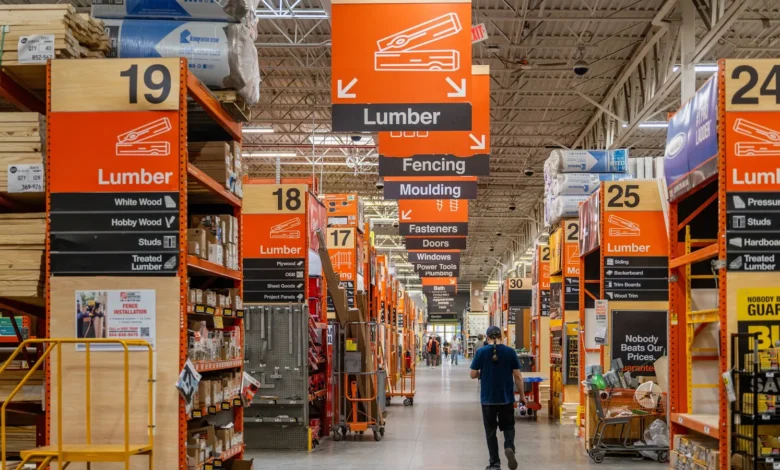
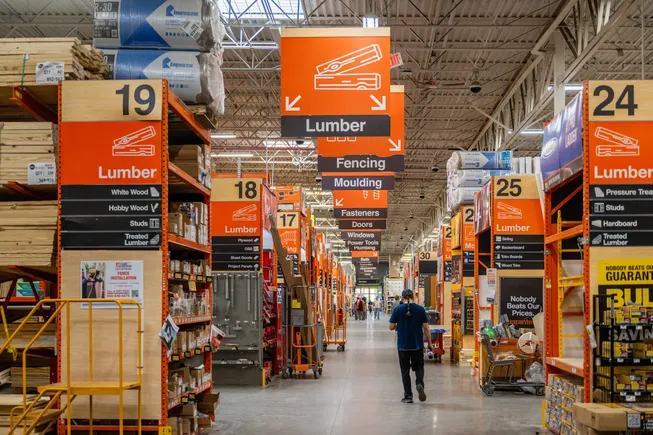
For firms like The Home Depot and Lowe’s, the refunds serve as a critical buffer against inflationary pressures in the global supply chain. These home improvement giants have largely used the capital to stabilize their pricing structures despite the rising costs of raw materials and logistics. By absorbing these costs rather than passing them on to the consumer, these retailers are using the refunds as a tool for market positioning, ensuring that their goods remain competitive in a cooling housing market.
In contrast, other companies have opted for more direct consumer interventions. Walmart and BJ’s Wholesale Club have publicly linked their receipt of tariff refunds to broader pricing strategies, explicitly using the influx of cash to lower the cost of essential goods. Burlington has similarly articulated a commitment to "delivering sharper values," suggesting that the refunds have provided the necessary flexibility to lower margins on high-demand inventory.
The Human Capital Component
Perhaps the most unexpected trend identified by the Atlanta Fed is the allocation of tariff refunds toward human capital. Williams-Sonoma serves as a notable example of this shift; the company has publicly declared its intention to share the financial benefit with its workforce. This includes bonuses for staff members who were instrumental in navigating the complex documentation required to secure the IEEPA refunds, as well as broader investments in employee retention programs.

Economists argue that this trend, while surprising in the context of traditional corporate models, is a rational response to the current labor market. By rewarding employees who helped secure these refunds, companies are effectively incentivizing institutional knowledge and operational efficiency. Furthermore, it serves as a form of "windfall sharing" that can boost morale and reduce turnover in an environment where wage growth has been under pressure from inflationary headwinds.
The Secondary Market: Rights Sales and Third-Party Intermediaries
Not every company has the administrative infrastructure to navigate the CBP’s complex filing system. The Atlanta Fed survey highlights that nearly 70% of firms rely on internal staff to manage the process, while approximately 22% have outsourced the task to third-party consultants, legal firms, or logistics auditors.
For smaller or financially distressed firms, the time lag between filing a claim and receiving the disbursement proved too long. This liquidity constraint gave rise to a secondary market where companies could sell their rights to a potential refund for immediate, albeit discounted, cash. Retailers such as American Eagle Outfitters and The Children’s Place participated in these transactions, offloading their claims to specialized financial entities to immediately shore up their cash reserves. This practice underscores the desperate need for liquidity that many retailers faced during the high-interest-rate environment of 2026.
Future Implications and Operational Outlook
As the CBP prepares to expand its processing capabilities in October, the influx of capital is expected to continue through the end of the year. The broader economic implications of this $135 billion transfer are profound.

From a macroeconomic perspective, the refund program is effectively acting as a massive stimulus package. Whether the money is kept as retained earnings to bolster corporate balance sheets or spent on price cuts and employee bonuses, the liquidity is being recycled into the U.S. economy. Analysts note that if a "nontrivial portion" continues to be directed toward consumer prices, it could serve as a localized dampener on the Consumer Price Index (CPI), potentially aiding the Federal Reserve’s efforts to maintain price stability.
However, challenges remain. The administrative burden of the refund process is significant, and for some, the complexity of verifying "finally liquidated entries" remains a bottleneck. Furthermore, the varying approaches taken by corporations—from Nintendo’s initial resistance to refunding customers to the more collaborative approaches of Williams-Sonoma—highlight the lack of a standardized mandate for how these funds should be treated.
Ultimately, the IEEPA tariff refund event will be remembered as one of the largest regulatory reversals in modern trade history. It has forced corporate leaders to make public-facing decisions about the ethics of "found money," pitting the traditional duty to shareholders against the modern imperative of maintaining customer loyalty and employee satisfaction. As the final tranches of these funds move through the system, the long-term impact on corporate governance and consumer pricing strategies will provide a fertile ground for future economic study, illustrating the delicate balance between federal trade policy and corporate fiscal responsibility.