Beyond the Warehouse Walls: Costco Surpasses $33 Billion in Digital Sales as Nationwide Delivery Partnerships Drive Massive Growth

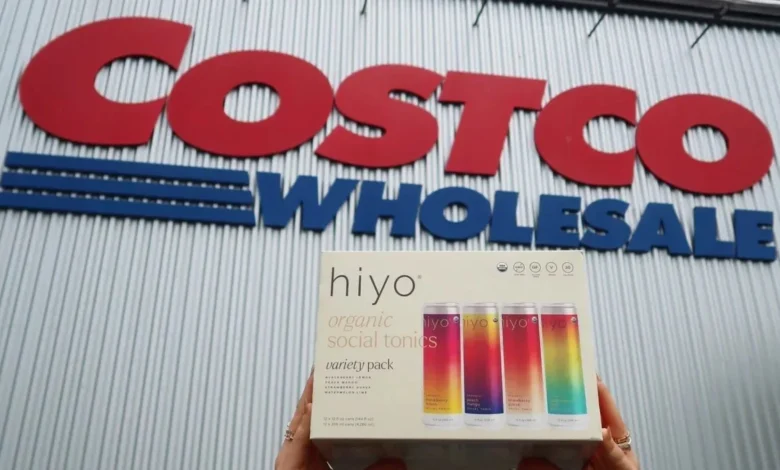
Costco Wholesale Corporation is increasingly proving that its formidable retail empire extends far beyond the physical confines of its iconic membership-only warehouse doors. During the company’s fiscal fourth-quarter and full-year earnings call, Chief Executive Officer Ron Vachris delivered a compelling financial and strategic update that underscored a massive operational shift: digitally-enabled sales, which heavily incorporate transactions processed through third-party delivery platforms, officially surpassed the $33 billion threshold during the fiscal year, achieving a robust year-over-year growth rate exceeding 20%.
This digital acceleration is not merely a byproduct of changing consumer habits; it is the direct result of an aggressive, calculated expansion of high-profile partnerships designed to capture consumer demand wherever it originates. Over the past several years, and culminating in a flurry of strategic announcements, Costco has systematically transformed its digital footprint. The enterprise-level pivot highlights a modern retail reality where brick-and-mortar giants must embrace digital ecosystems to maintain their competitive edge, even when their core identity is rooted in the bulk-buying warehouse experience.
The Evolution of Costco’s Digital Strategy: A Timeline of Delivery Partnerships
Costco’s journey into third-party digital delivery has been deliberate, cautious, and phased, reflecting the company’s traditional aversion to strategies that might dilute its high-margin membership model or disrupt its streamlined warehouse operations.
The foundational chapter of this digital evolution began nearly a decade ago, in 2016, when Costco first initiated a pilot grocery delivery service in select markets in partnership with Instacart. This initial foray served as a testing ground, allowing the warehouse club to gauge consumer appetite for having bulk goods delivered directly to their doorsteps without sacrificing the perceived value of an in-person shopping trip. Over the subsequent years, the Instacart partnership expanded across the United States and Canada, becoming the bedrock of Costco’s third-party digital fulfillment infrastructure.
For a long time, Instacart remained the primary vehicle for Costco’s digital delivery aspirations. However, the post-pandemic retail landscape necessitated a more aggressive multi-platform approach to capture shifting consumer expectations regarding convenience and speed.
The timeline accelerated dramatically in mid-2024 and extended into subsequent years. Initially, Costco launched a targeted trial of a partnership with Uber Eats across 17 U.S. states. This controlled rollout allowed the retailer to evaluate logistics, customer satisfaction, and inventory synchronization without overwhelming its supply chain. Building on the success of that pilot, Costco announced in mid-September that the Uber Eats integration would expand into a full nationwide rollout.
Shortly thereafter, Costco cemented another major industry alliance by announcing a nationwide U.S. launch with DoorDash. Under these comprehensive agreements, Costco members across the country can now access same-day and on-demand delivery of warehouse inventory directly through the DoorDash and Uber Eats applications. To maintain the integrity of its business model—which relies heavily on membership fee revenue—customers utilizing these platforms are required to input their active Costco membership number at the digital checkout screen to verify their status before completing the transaction.
Incremental Gains and the Protection of Core Operations
A central concern for warehouse retailers entering the third-party delivery space has always been cannibalization: the fear that customers who would normally visit a physical store—where they typically make high-value impulse purchases—will instead opt for the convenience of delivery, thereby reducing overall basket sizes and foot traffic.
However, CEO Ron Vachris addressed these concerns directly during the earnings call, offering reassuring data to shareholders and analysts. According to internal metrics observed by Costco management, the sales generated through these newly integrated digital channels are overwhelmingly incremental.
"We’ve observed that these sales through these channels are mostly incremental, with limited impact on our core warehouse grocery business," Vachris stated during the earnings call. He emphasized that the newly minted nationwide agreements with DoorDash and Uber Eats do not replace, but rather thoughtfully complement, the successful, long-standing partnerships the company maintains with Instacart throughout the United States and Canadian markets.
This complementary approach allows Costco to capture shopping missions that would otherwise be lost to traditional grocery stores or competing delivery services—such as smaller, more immediate fill-in trips or emergency household restocks—while preserving the traditional, high-volume weekend warehouse runs that remain the cornerstone of the company’s profitability.
Capturing the Next Generation: Demographic Shifts and Younger Members
Perhaps the most significant strategic implication of Costco’s digital expansion is its profound impact on the demographic composition of its membership base. For decades, Costco’s core demographic skewed older and suburban, anchored by families buying in bulk to maximize household budgets. However, the integration of mainstream digital delivery platforms has acted as a powerful customer acquisition funnel for a much younger demographic.
Vachris revealed that in the years following the COVID-19 pandemic, the number of active Costco members under the age of 40 has experienced an extraordinary surge, growing by more than 60%. Today, this younger cohort accounts for more than a quarter of Costco’s entire global membership base.
This demographic shift is vital for the long-term health and valuation of the company. Younger consumers, who heavily favor app-based commerce, on-demand services, and digital convenience, are entering the Costco ecosystem earlier in their adult lives than previous generations did. While management acknowledges that these younger members typically start out spending slightly lower dollar amounts per transaction compared to seasoned, older members, the lifetime value proposition is exceptionally strong.
"While these younger members start out spending a little less with us, over time, they grow into higher-spending members," Vachris explained. As these younger consumers transition through different life stages—such as buying homes, starting families, and managing larger households—their reliance on Costco’s bulk offerings naturally deepens, securing decades of recurring membership and product revenue.
Full-Year Financial Performance and Multi-Pronged Growth Levers
The digital surge is occurring against the backdrop of a remarkably strong overall financial performance for the fiscal year. Costco reported total net sales of $297.2 billion for the full fiscal year, representing a robust 10% increase compared to the previous year. This impressive top-line growth demonstrates that the retailer’s core value proposition—offering high-quality goods at razor-thin margins—continues to resonate powerfully with inflation-weary consumers navigating economic uncertainties.
Beyond digital delivery, Costco successfully pulled several distinct operational levers to drive revenue and member engagement throughout the year:
- Gasoline Sales: The percentage of Costco members who purchased fuel at the company’s branded gas stations reached an all-time high during the fiscal year. Management attributed this surge to consumers actively seeking out cost-saving measures at the pump amid broader macroeconomic pressures and geopolitical tensions, specifically citing the economic ripple effects of the Iran War on global energy markets. Costco’s aggressively priced gasoline serves as a powerful loss-leader and traffic driver, drawing members onto the physical warehouse property where they frequently transition into in-store shoppers.
- Pharmacy and Healthcare Innovations: Costco’s pharmacy business recorded a remarkable 20% growth rate over the course of the fiscal year. This expansion was heavily fueled by enhancements to the company’s digitally-enabled purchasing capabilities. The introduction of mobile pay-ahead features and automated pickup lockers streamlined the prescription retrieval process for members. Furthermore, high-demand pharmaceutical offerings, including GLP-1 weight-loss medications and specialized fertility programs, proved exceptionally popular among members, driving both pharmacy foot traffic and digital engagement.
Industry Analysis and Market Implications
The broader implications of Costco’s digital and financial milestones point toward a maturation of the warehouse club retail model. For years, critics argued that warehouse clubs—inherently built around the physical experience of browsing massive aisles, sampling food items, and discovering treasure-hunt merchandise—would struggle to adapt to an e-commerce-dominated world.
Costco’s recent performance thoroughly dismantles that narrative. By partnering with third-party logistics giants like DoorDash, Uber Eats, and Instacart, Costco has effectively outsourced the complex, capital-intensive last-mile delivery infrastructure while retaining control over its brand equity, product pricing, and membership data. This asset-light approach to digital fulfillment allows the retailer to scale its delivery capabilities rapidly without the crushing capital expenditures associated with building dedicated delivery fleets from scratch.
Furthermore, the integration of digital ordering with physical warehouse assets creates a powerful omni-channel ecosystem. Members who discover Costco through an app-based delivery service are eventually enticed to visit the physical warehouses for the full treasure-hunt experience, while existing warehouse loyalists can utilize delivery apps for convenience during busy workweeks.
As Costco continues to refine its digital strategy, expand its healthcare and pharmacy offerings, and successfully court a younger, tech-savvy generation of consumers, the company’s foundational business model appears more resilient than ever. By successfully bridging the gap between traditional bulk retail and modern on-demand convenience, Costco has laid a secure financial foundation for continued dominance in the global retail landscape.