McCormick & Company, the global leader in spices and ingredients, is strategically deploying tariff refunds to counteract significant financial pressures stemming from the ongoing conflict in Iran and persistent global trade uncertainties. The company anticipates these returned funds will play a crucial role in buffering the impact of escalated logistics expenses and rising material costs, which are projected to contribute to an approximate 6% cost inflation for the current fiscal year. This financial maneuver highlights the complex and interconnected challenges facing multinational corporations in an era marked by geopolitical instability and dynamic trade policies.
The Geopolitical Vortex: Iran War’s Ripple Effect on Global Supply Chains
The conflict in Iran has introduced a profound layer of volatility into the global economic landscape, directly impacting critical supply chain arteries. A primary consequence has been the dramatic escalation of energy prices, particularly crude oil, due to severe disruptions in maritime traffic through the Strait of Hormuz. This narrow waterway, a chokepoint for roughly a fifth of the world’s oil supply and a significant portion of liquefied natural gas (LNG), has become a flashpoint of geopolitical tension, leading to increased shipping risks, higher insurance premiums for vessels, and extended transit times as shipping lines reroute or face delays.
For a company like McCormick, which sources thousands of ingredients from over 80 countries worldwide, the ramifications are immediate and widespread. Higher energy costs translate directly into elevated transportation expenses, from ocean freight and air cargo to overland trucking. Marcos Gabriel, McCormick’s Executive Vice President and Chief Financial Officer, specifically cited increased logistics spending tied to the conflict as a significant driver of the company’s cost inflation. The tightening of freight capacity, a common symptom of geopolitical crises and rerouting efforts, further exacerbates these cost pressures, making it more challenging and expensive to secure timely delivery of raw materials and finished products.
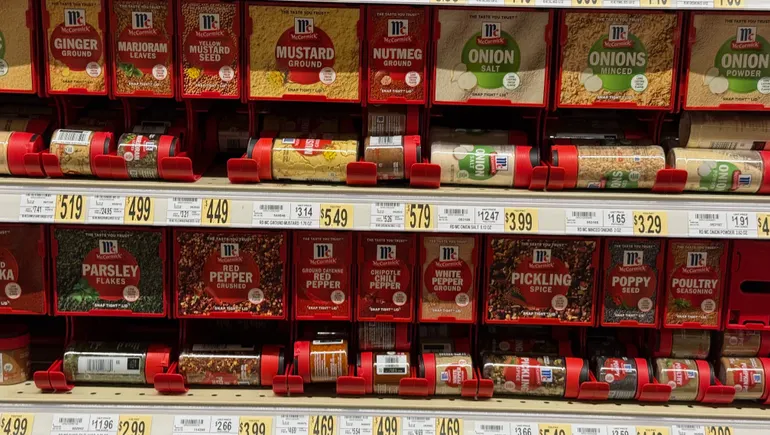
Beyond logistics, the conflict also impacts material costs indirectly. Energy is a fundamental input in the production of many agricultural chemicals, packaging materials, and manufacturing processes. As energy prices climb, so do the costs associated with producing and processing the vast array of spices, herbs, and other ingredients McCormick relies upon. The uncertainty inherent in the region also contributes to market speculation, driving up commodity prices as suppliers and buyers hedge against future disruptions. McCormick expects these ripple effects to persist and affect its operations for the remainder of the year, necessitating proactive financial strategies to maintain stability and profitability.
Navigating Tariff Turbulences: A Chronology of Trade Policy and Legal Battles
McCormick’s decision to utilize tariff refunds underscores a separate but equally complex challenge that has shaped global trade over recent years: the imposition and subsequent legal challenges to various tariffs. The refunds in question pertain to country-specific duties that were nullified earlier this year, 2026, by a landmark Supreme Court decision. This ruling provided a measure of relief to companies that had been grappling with the financial burden of these levies.
A Brief Chronology of Tariff Policies and Legal Challenges:
- 2018-2020: The Genesis of Modern Tariffs: Under the Trump administration, a series of tariffs were imposed, primarily using Section 232 of the Trade Expansion Act of 1962 (national security justification, e.g., on steel and aluminum) and Section 301 of the Trade Act of 1974 (unfair trade practices, predominantly against China). These duties affected a wide array of imported goods, leading to substantial cost increases for U.S. businesses.
- Corporate Adaptations: Companies like McCormick, deeply reliant on global sourcing for ingredients not commercially available in the U.S., were forced to implement strategies such as absorbing costs, passing them on to consumers through price increases, diversifying supply chains, or actively seeking legal avenues for relief. McCormick executives had previously highlighted the significant impact of these tariffs, estimating hits of tens of millions of dollars annually.
- Ongoing Legal Challenges: Throughout the initial imposition and subsequent years, numerous U.S. businesses and trade associations challenged the legality and scope of these tariffs in various courts, including the U.S. Court of International Trade (CIT). The legal arguments often centered on the extent of presidential authority under the statutes used to impose the tariffs.
- 2026 Supreme Court Ruling: This year, the Supreme Court delivered a pivotal decision, invalidating certain country-specific duties based on emergency powers. While the specifics of the case are complex, the ruling generally found that the executive branch had overstepped its statutory authority in imposing these particular tariffs. This decision opened the door for companies that had paid these duties to claim refunds.
- The Post-Ruling Tariff Reinstatement (Section 122) and CIT Challenge: Following the Supreme Court’s decision, President Donald Trump, in a swift response, moved to reimpose a new set of tariffs, specifically a 10% global tariff, under Section 122 of the Trade Act of 1974. This section grants the President authority to impose import fees to address balance of payments deficits. However, the U.S. Court of International Trade subsequently ruled these new Section 122 duties illegal, again citing an overreach of executive power or a misapplication of the statute. This ruling is currently under appeal by the Trump administration, creating continued uncertainty and a lingering financial burden for businesses.
McCormick’s Strategic Response and Broader Corporate Implications

The tariff refunds, a direct outcome of the Supreme Court’s ruling, provide McCormick with a vital financial injection at a critical juncture. For a company operating on global margins and facing significant cost pressures, these reimbursements are not merely a windfall but a strategic asset. By channeling these funds directly into mitigating higher logistics and material costs, McCormick aims to protect its profitability, maintain competitive pricing for consumers, and potentially invest in supply chain resilience. This demonstrates a proactive approach to managing external economic shocks, leveraging every available financial lever.
McCormick’s experience is not unique. Other major corporations have also begun to receive and strategically deploy tariff refunds. BJ’s Wholesale Club, for instance, reported using reimbursements to reduce overall retail prices by approximately half a percentage point, directly benefiting consumers. Similarly, Deere & Co., the agricultural machinery giant, recovered a substantial $272 million in tariff refunds. However, even with this significant recovery, Deere still forecasts about $900 million in net tariff costs due to other duties that remain in effect or are under dispute, illustrating the ongoing complexity and financial impact of the tariff landscape.
Despite the recent refunds, McCormick continues to anticipate additional tariff costs this year, primarily from the 10% global tariff imposed under Section 122, which, as noted, is currently under appeal following the CIT’s ruling of illegality. This situation highlights the dynamic and often unpredictable nature of international trade policy, where legal battles can take years to resolve and new duties can be imposed even as old ones are challenged. The continuous flux requires companies to maintain agile financial planning and robust legal oversight.
Analysis of Implications and Future Outlook
The confluence of geopolitical conflict and tariff uncertainty presents a formidable challenge for global businesses like McCormick. The Iran war’s impact on energy prices and logistics is a stark reminder of how regional instability can rapidly cascade into global economic disruptions. The Strait of Hormuz is not merely a shipping lane; it is a critical artery for the global economy, and any threat to its stability sends immediate shockwaves through oil markets, freight sectors, and ultimately, consumer prices. Companies are compelled to reassess their supply chain vulnerabilities, explore diversification strategies, and potentially invest in alternative transportation routes or localized sourcing where feasible, though this often comes with its own set of challenges and costs.

Simultaneously, the protracted legal and political saga surrounding tariffs underscores the complexities of international trade relations. While the Supreme Court’s decision offered a temporary reprieve for some, the swift re-imposition of new duties and subsequent legal challenges demonstrate the enduring nature of protectionist trade policies and their impact on corporate balance sheets. The appeal of the Section 122 tariff ruling means that a significant financial burden remains unresolved, forcing companies to budget for potential liabilities or benefits depending on the final judicial outcome.
For consumers, these pressures translate into higher prices for everyday goods. When a company like McCormick faces a 6% cost inflation due to logistics, materials, and tariffs, a portion of this increase is inevitably passed on to the end-user. This contributes to broader inflationary trends, impacting household budgets and consumer purchasing power. The interconnectedness of global supply chains means that the price of spices in a Washington D.C. grocery store can be influenced by events thousands of miles away in the Middle East or by legal rulings in a U.S. trade court.
Looking ahead, the outlook for global supply chains remains fraught with uncertainty. Geopolitical tensions, trade disputes, and the increasing frequency of climate-related disruptions are becoming permanent features of the operating environment. For McCormick and its peers, the emphasis will increasingly be on building resilient, agile, and transparent supply chains capable of adapting to rapid changes. This may involve greater investment in technology for real-time visibility, diversifying supplier bases across different regions, and strategically hedging against currency and commodity price fluctuations. The effective utilization of any financial relief, such as tariff refunds, becomes not just a matter of profit protection but a critical component of long-term business sustainability in a turbulent world. The ongoing legal battles over tariffs and the volatile geopolitical landscape will continue to shape corporate strategies and consumer experiences for the foreseeable future.