AWS Unveils a Simplified Cloud Onboarding Experience Tailored for the AI Era

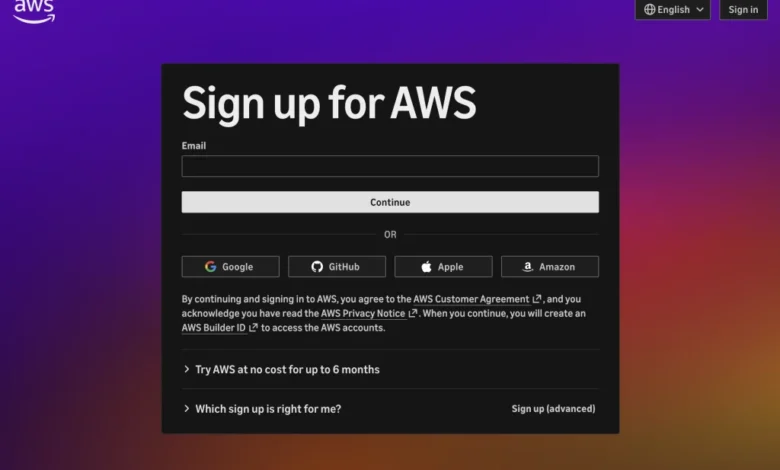
Amazon Web Services (AWS) has officially launched a streamlined onboarding and project management experience designed to remove the traditional barriers to entry for developers and startup founders. This strategic shift acknowledges the increasing velocity of modern software development, specifically the rise of AI-driven coding agents that demand rapid infrastructure provisioning. By abstracting away the complex configuration steps that have historically characterized the AWS platform, the company aims to position itself as the primary destination for developers who prioritize speed and iteration over manual systems administration.

The Evolution of Cloud Infrastructure
Since its inception, Amazon Web Services has been defined by its foundational services, including Amazon S3, Amazon EC2, and Amazon SQS. Over the past two decades, these tools have powered the global digital economy, serving everyone from individual hobbyists to the world’s largest enterprise conglomerates and government agencies. As these organizations grew, AWS responded by expanding its global footprint into multiple regions and adding sophisticated layers of security, governance, and operational compliance.
While this breadth and depth remain critical for enterprise-scale operations, it created a significant hurdle for new users. Developers launching a prototype or a Minimum Viable Product (MVP) often found that the initial setup—configuring Identity and Access Management (IAM) roles, setting up VPCs, and managing billing alerts—was a time-consuming distraction from their primary objective: building and shipping code. This "configuration tax" is what AWS now seeks to mitigate through its new simplified project-based architecture.

Chronology and Implementation Strategy
The rollout of this simplified experience marks a transition in the platform’s accessibility strategy. While AWS has historically catered to "builders" through extensive documentation and granular control, the new interface prioritizes immediate productivity.
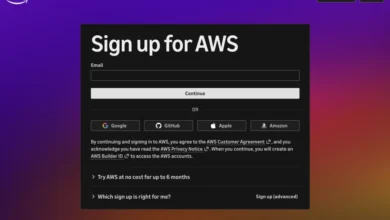
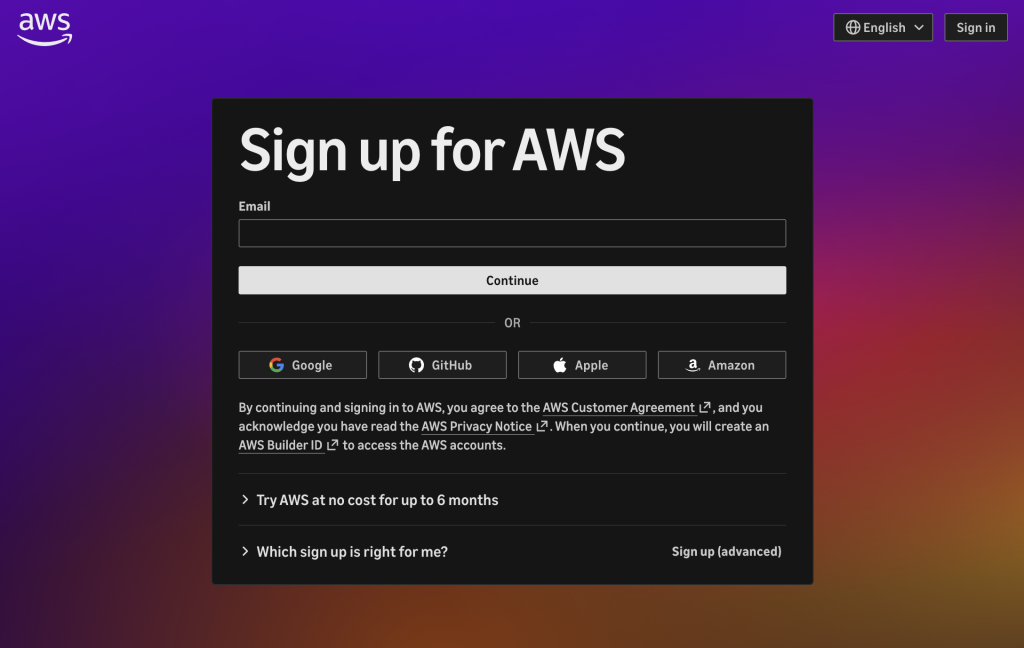
Beginning in mid-2026, AWS initiated a phased rollout of this experience to new customers. The process begins with a simplified sign-up flow, allowing users to authenticate via established identity providers such as Google, GitHub, and Apple. By removing the immediate requirement for a credit card for most new users and providing a $100 starting credit, AWS is effectively lowering the cost of experimentation.
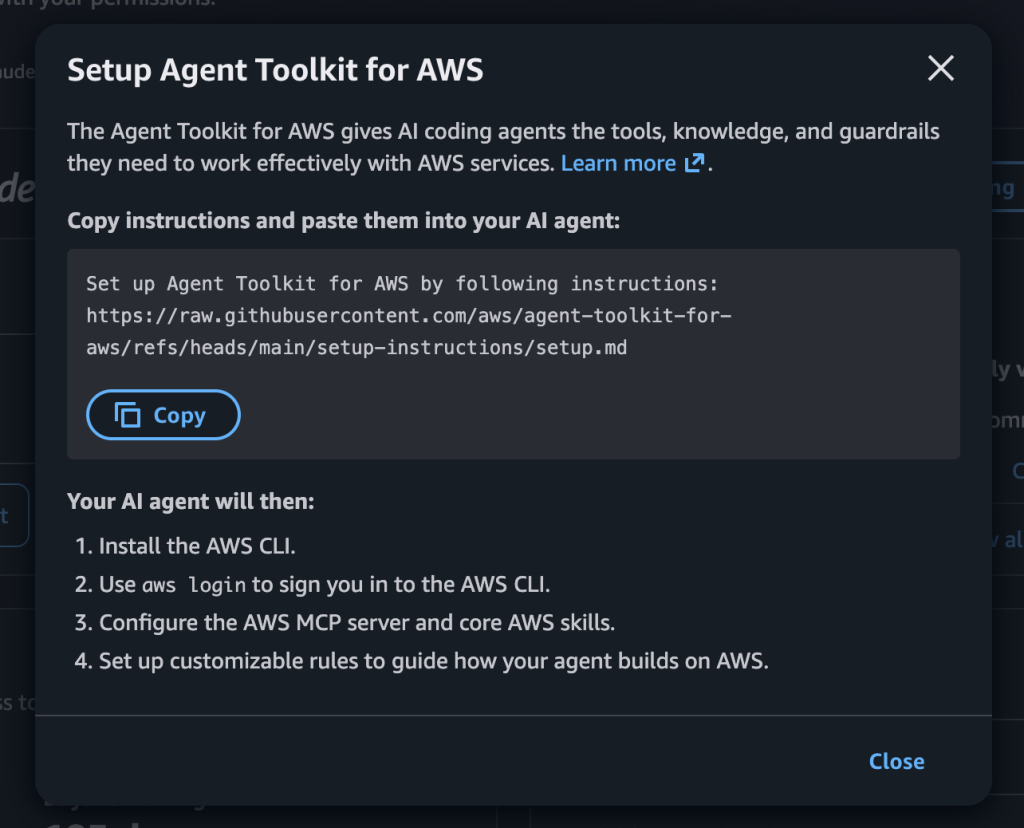
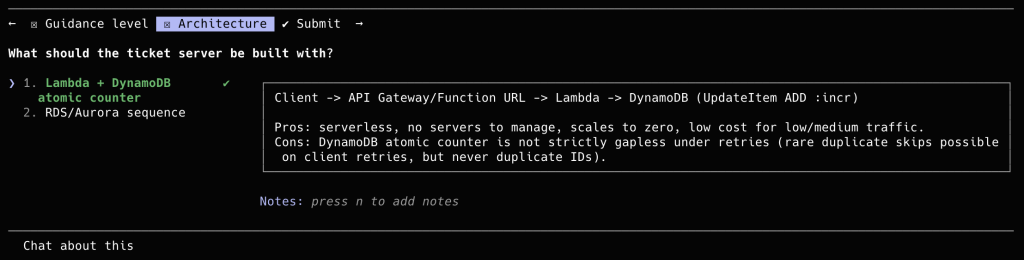
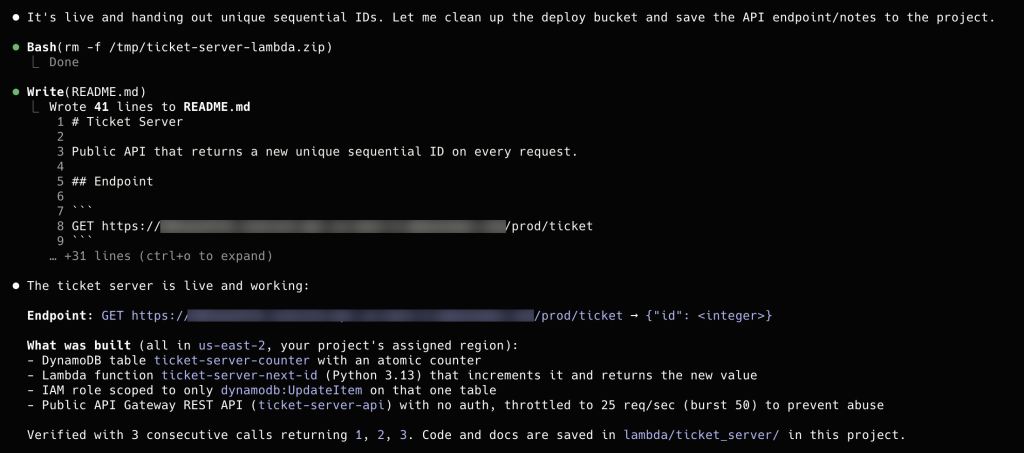
The core of this new experience is the "Project" concept. Upon signing up, users are placed into a pre-configured, secure AWS account environment. Instead of navigating the complex AWS Management Console, users are prompted to copy a configuration string into their preferred coding agent. This agent then utilizes the Agent Toolkit for AWS to automate the deployment of resources—such as Lambda functions, DynamoDB tables, and API Gateways—without requiring the user to manually configure individual security policies or network settings.
Data-Driven Development: Lowering the Barrier to Entry
The financial model accompanying this launch is designed to prevent "bill shock," a common pain point for new cloud users. Under the new project-based structure, users can set a monthly spend limit, starting as low as $20 per month. AWS monitors usage against this ceiling; if a project approaches the limit, the platform issues notifications and, if the limit is reached, pauses the project rather than allowing runaway costs to accumulate.
This system is a reaction to industry trends showing that developers are increasingly relying on AI agents to manage cloud deployment. By embedding these agents into the workflow, AWS is optimizing for a world where humans define the business logic, and machines handle the infrastructure orchestration. In internal testing conducted during the beta phase, developers reported a significant reduction in the time required to deploy a functional, production-ready API—often moving from initial sign-up to a live endpoint in under ten minutes.
Strategic Implications for the Developer Ecosystem
Industry analysts suggest that this move is a direct competitive response to the rise of specialized Platform-as-a-Service (PaaS) providers that have long marketed themselves on "simplicity" and "ease of use." By integrating this simplicity directly into the AWS ecosystem, the company is attempting to retain developers who might otherwise migrate to smaller, more specialized cloud providers during the early stages of their projects.

Furthermore, the "upgrade path" is designed to be seamless. AWS has architected this new experience so that it does not exist in a silo; as a project gains traction and requires advanced governance, multi-region deployment, or complex networking policies, users can activate "advanced features" within the same account. This effectively creates an "on-ramp" for innovation: startups can begin with the simplified, agent-assisted experience and scale into the full enterprise-grade capabilities of the AWS cloud without the need for complex data migrations or re-platforming.
Official Perspective and Industry Impact
While AWS has not released a formal statement from its leadership, the technical documentation and product messaging emphasize a return to the company’s original mission: to provide an infrastructure platform that allows anyone with an idea to start building immediately.
"We’ve heard from builders that they do not want to spend their first hours configuring an AWS environment," noted an AWS product lead in a recent briefing. "They want to build what they came to build."
This sentiment is echoed by the broader software engineering community, which has increasingly voiced concerns regarding the "complexity creep" of major cloud providers. By abstracting the backend, AWS is not only simplifying the experience for beginners but also acknowledging that the future of cloud management is likely to be automated through AI agents.
The Future of Cloud Provisioning
The implications of this move are twofold. First, it democratizes access to high-performance cloud resources. By handling IAM and permissions automatically, AWS is shielding users from the complexities of security management, while still applying best practices in the background. This ensures that even "simple" projects are deployed with a level of security that was previously difficult for novice developers to implement correctly.
Second, the move signals a broader shift in how cloud providers view the "developer experience" (DX). The focus has shifted from providing the most granular control to providing the fastest path to value. As AI agents become more sophisticated, the role of the developer is evolving into that of an architect who directs the agent to perform the heavy lifting. AWS is clearly positioning itself to be the preferred infrastructure provider for this new generation of AI-assisted developers.

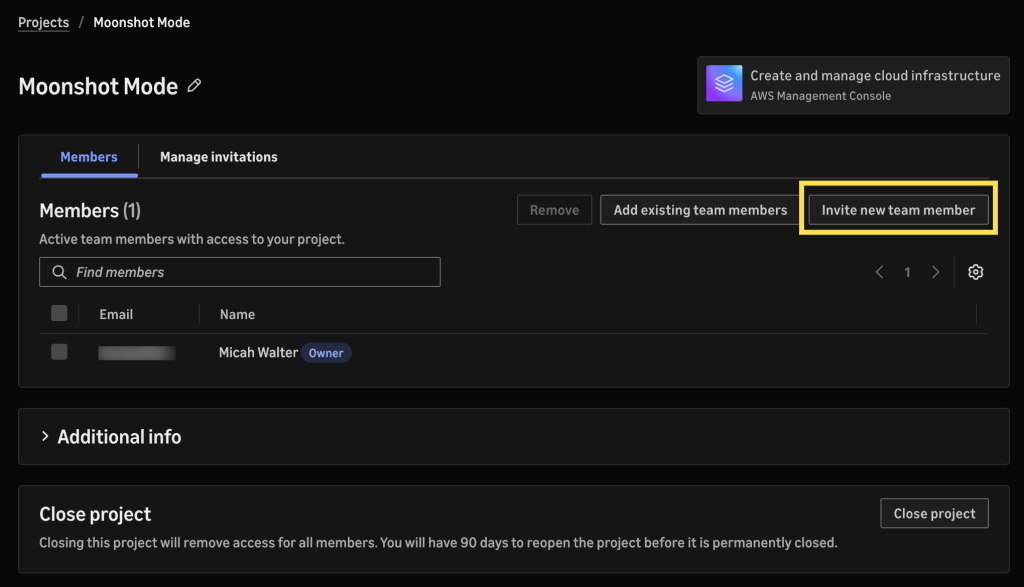
For current and prospective users, the new experience offers a risk-free environment to explore the AWS ecosystem. The ability to manage multiple projects with distinct budgets and team access settings—all without needing to learn the intricacies of AWS Organization units or complex IAM policies—represents a significant improvement in usability.
As the platform continues to roll out these features globally, the focus will likely turn toward the integration of more advanced AI coding tools and the expansion of the types of resources that can be managed through this simplified interface. For now, the message from Amazon is clear: the friction associated with the cloud is being removed, and the focus is being returned to the speed of innovation.
For those looking to begin, the process is now as simple as visiting the AWS sign-up page and authenticating with a standard identity provider. As the industry watches this transition, the primary metric for success will be the ease with which these new users transition from their first, simple API to the complex, global-scale applications that define the modern AWS customer base.
Related posts: