Audi A6 e-tron shatters efficiency expectations with a record-breaking 831-mile single-charge journey

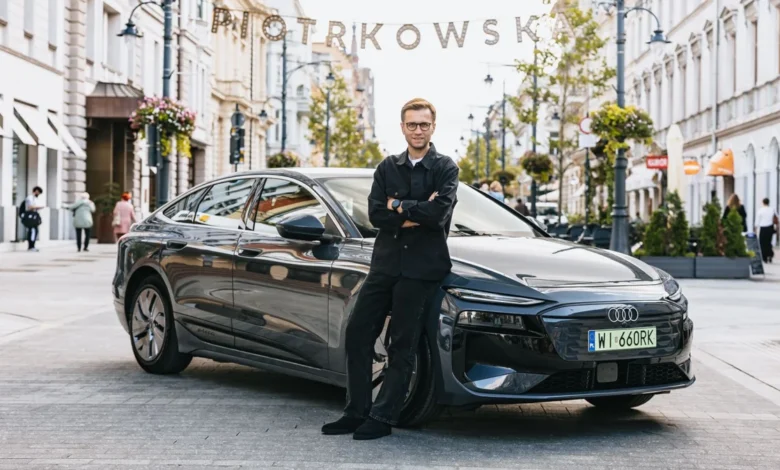
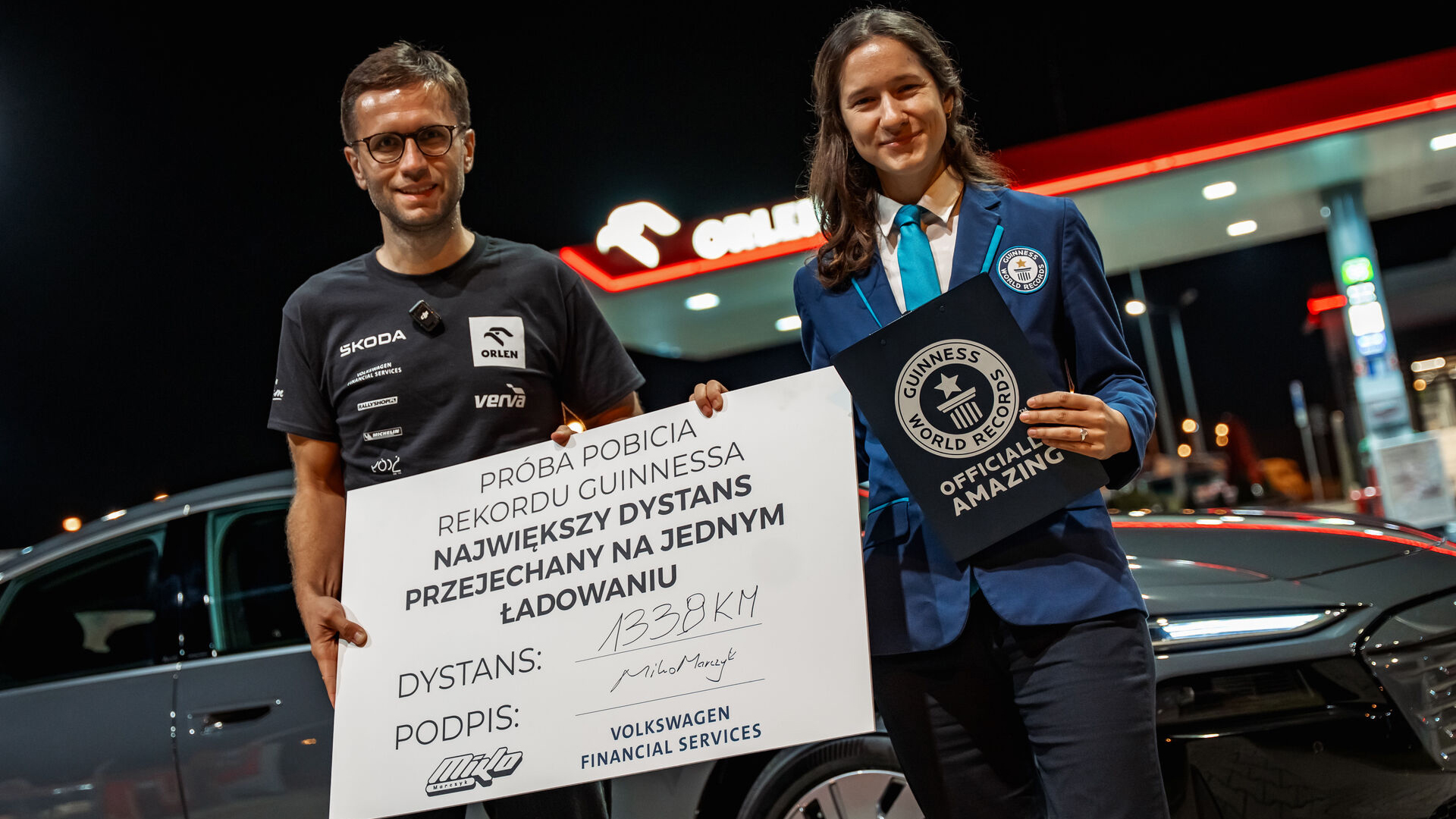
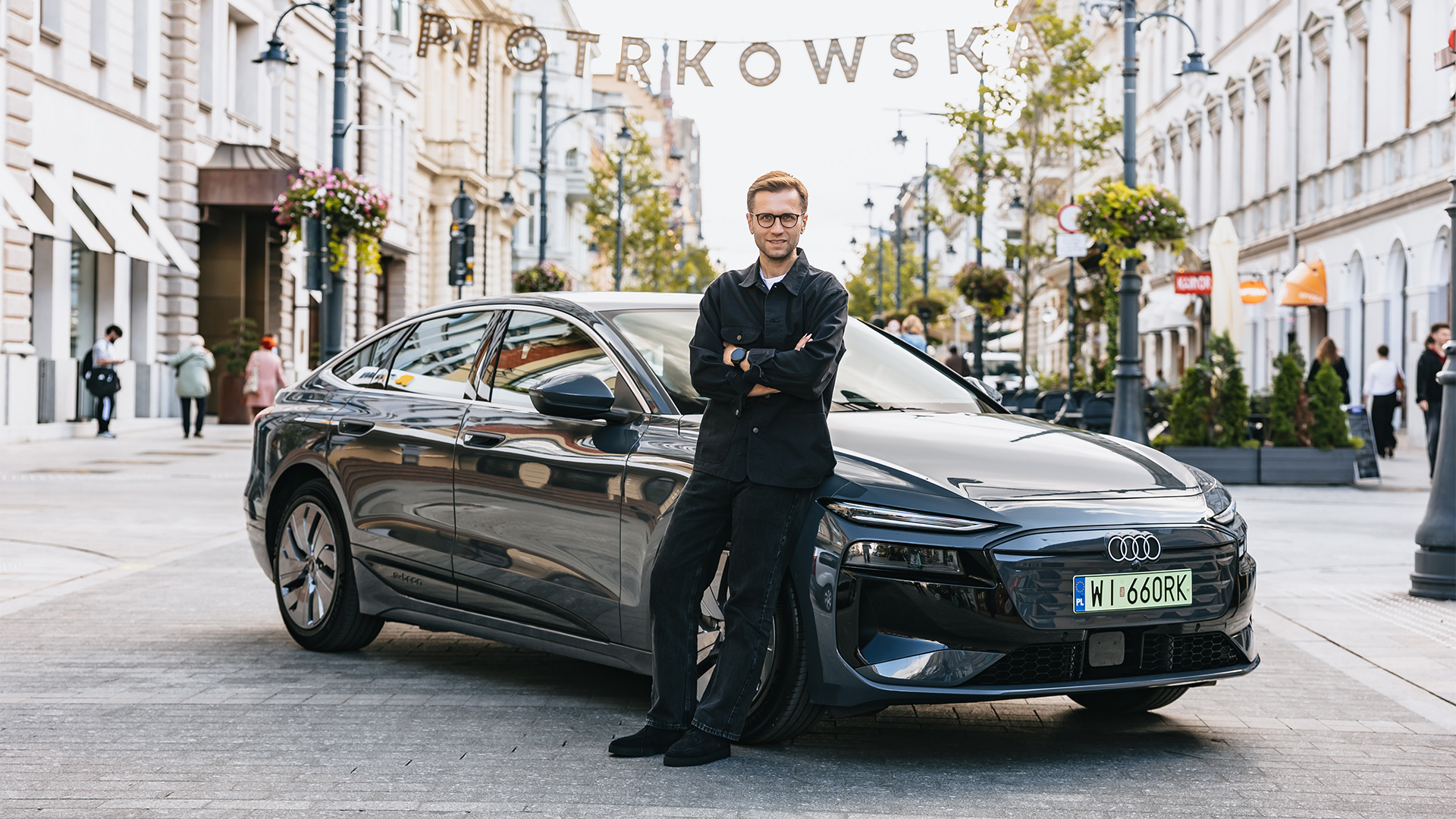
Polish rally driver Mikołaj Marczyk has fundamentally altered the conversation surrounding electric vehicle (EV) range capability, piloting an Audi A6 Sportback e-tron performance for an astonishing 831.4 miles on a single charge. This feat, which comfortably surpasses the manufacturer’s official WLTP-rated range of 482 miles, serves as a masterclass in hypermiling, demonstrating that the gap between laboratory-certified range and real-world potential can be bridged through strategic driving techniques and optimized vehicle management.
The record-breaking journey, conducted across a diverse landscape in Poland, serves as more than just a promotional stunt; it acts as a technical demonstration of the efficiency inherent in the latest generation of premium electric platforms. By nearly doubling the vehicle’s rated capacity, Marczyk has provided industry analysts and consumers alike with a tangible example of how environmental variables, terrain, and driver input interact to dictate the longevity of a battery pack.
A Chronology of the Record Attempt
The expedition began in the southern Polish town of Zakopane, a location known for its mountainous terrain. This choice of starting point was calculated, as the initial navigation through the Tatra Mountains provided immediate opportunities for regenerative braking, allowing the driver to recoup energy on descents—a critical component of the overall strategy.
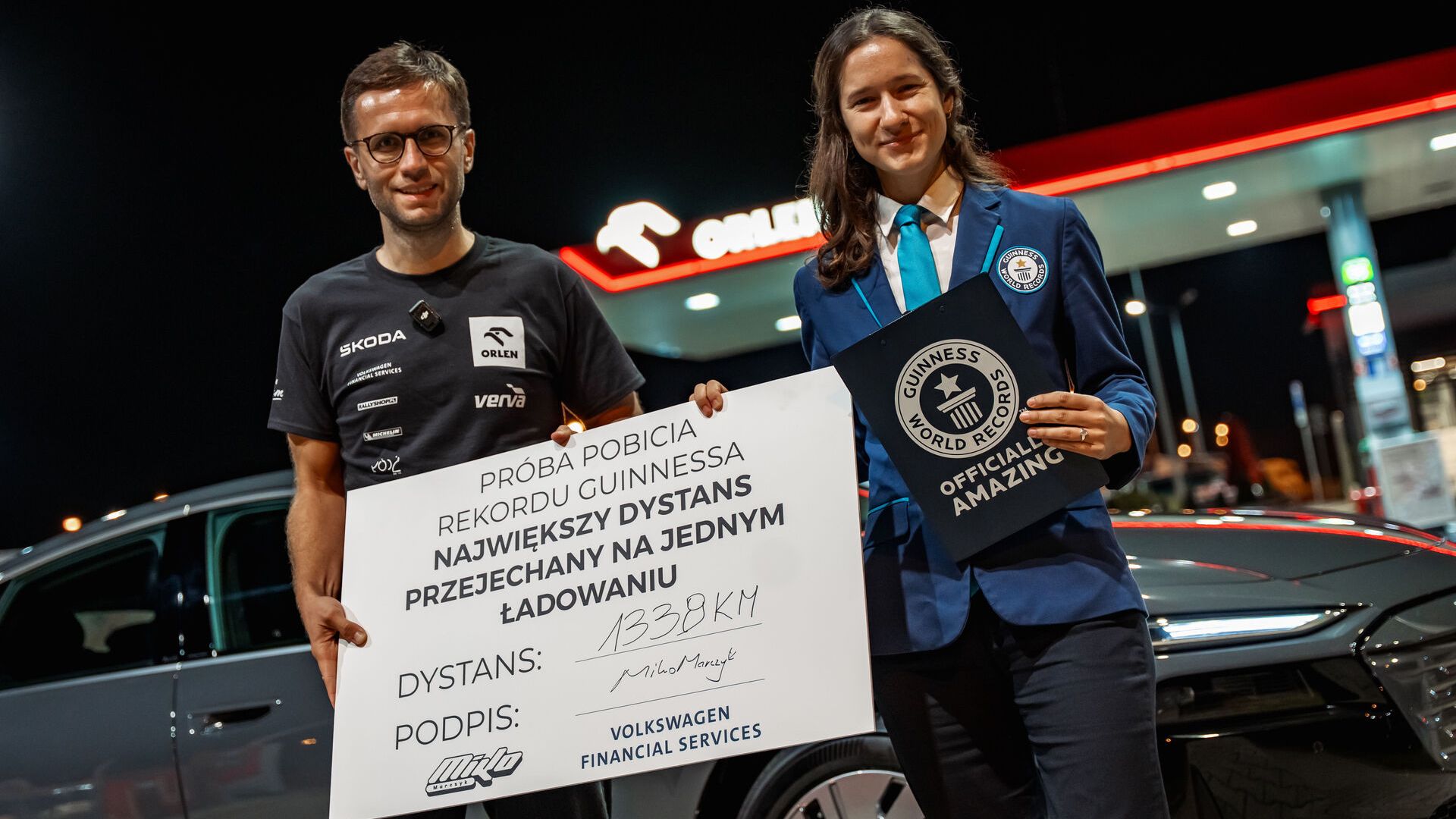
From the highlands, the route proceeded to the historic city of Kraków, following the trajectory of the Vistula Valley toward Sandomierz. The journey continued northward until the vehicle reached the town of Hel, situated on the Hel Peninsula. In a display of endurance, rather than terminating the drive upon reaching this northern milestone, Marczyk performed a U-turn and began retracing his path. The vehicle finally came to a complete stop after covering 831.4 miles, exhausting its 94.9 kWh (net) battery capacity.
The logistical planning for this run was meticulous. Marczyk accounted for varying traffic conditions, including periods of heavy congestion in urban areas, and navigated through shifting meteorological conditions. While the average temperature during the drive remained a moderate 15 degrees Celsius, the vehicle encountered colder segments where temperatures dipped to 7 degrees Celsius. These fluctuations provided a controlled environment to test the vehicle’s thermal management systems and their impact on power consumption.
Technical Specifications and Vehicle Performance
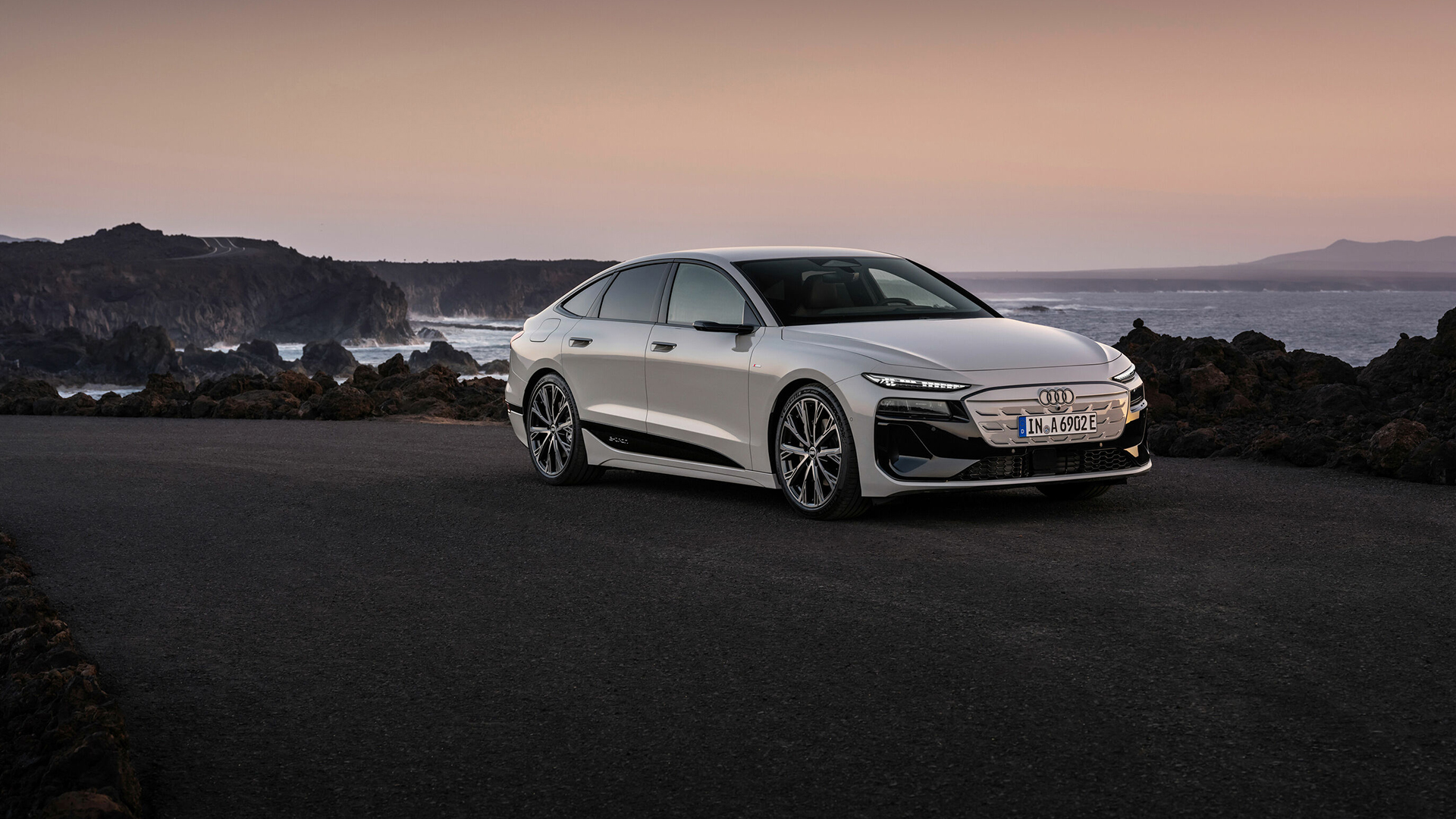
The vehicle employed for this record-breaking attempt was the Audi A6 Sportback e-tron performance. This model is underpinned by the Premium Platform Electric (PPE), which Audi developed in collaboration with Porsche. The specific unit utilized featured a rear-mounted electric motor capable of delivering 326hp, a configuration prioritized for efficiency rather than raw acceleration.
At the heart of the performance is a 100kWh (gross) lithium-ion battery pack, which offers a usable net capacity of 94.9 kWh. In standard operational parameters, this powertrain is optimized for high-speed charging and long-distance comfort. By maintaining a constant, efficient speed and utilizing the vehicle’s sophisticated regenerative braking systems, Marczyk was able to extract maximum energy density from the pack.
The comparison to previous record holders is notable. The Lucid Air Grand Touring, which previously established benchmarks for long-distance efficiency, typically utilizes a larger 112kWh nominal battery pack. The fact that the A6 e-tron achieved this distance with a smaller battery architecture highlights advancements in aerodynamics—the A6 Sportback boasts a drag coefficient of 0.21—and inverter efficiency, which are becoming the new battlegrounds for automotive manufacturers.
The Science of Hypermiling and Efficiency
Hypermiling, the practice of driving a vehicle in a way that maximizes fuel or energy efficiency, relies on several core principles that were clearly applied throughout this journey. Marczyk’s approach involved consistent, smooth acceleration and deceleration, minimizing the need for friction braking, which wastes kinetic energy.
Regenerative braking is the primary tool for an EV driver seeking to extend range. By anticipating traffic flow and road geometry, the driver ensures that the electric motor acts as a generator for the maximum amount of time possible, feeding energy back into the high-voltage battery. Furthermore, the maintenance of tire pressure is a variable often overlooked by the average consumer; for this record attempt, the tires were optimized to reduce rolling resistance, a factor that can account for a significant percentage of energy loss over long distances.
The performance also challenged the prevailing narrative regarding cold-weather range degradation. While it is scientifically established that lower temperatures increase the internal resistance of lithium-ion batteries and require more energy for cabin heating, the success of the A6 e-tron suggests that modern battery management systems (BMS) are becoming increasingly adept at mitigating these losses. By maintaining a steady pace and utilizing the vehicle’s energy-efficient heat pump systems, the impact of the 7-degree Celsius weather was effectively managed.
Implications for the Automotive Industry
The results of this journey carry significant implications for the wider adoption of electric mobility. Range anxiety—the fear that a vehicle has insufficient energy to reach its destination or the next charging station—remains a primary barrier for potential EV converts. Demonstrating that a production vehicle can exceed its advertised range by such a significant margin provides a psychological boost to the market.
However, industry experts caution that while these records are impressive, they are not representative of daily driving habits. "Hypermiling is an extreme discipline," says a senior automotive analyst. "It requires a level of focus and a specific set of road conditions that are not present during a standard commute. Nevertheless, it does prove that the underlying technology is capable of far more than the conservative estimates provided by standardized testing cycles like WLTP or EPA."
For manufacturers, the data gleaned from such attempts is invaluable. Audi can use the performance metrics to refine their software, specifically the algorithms that govern energy recuperation and thermal management. As the industry moves toward 800-volt architectures and higher energy densities, the ability to squeeze every mile out of a kilowatt-hour will be the deciding factor in vehicle competitiveness.
Addressing the Infrastructure Gap
While the achievement is a testament to the engineering of the A6 e-tron, it also highlights the persistent focus on infrastructure. Even with an 800-mile range, the reality for the average consumer involves periodic stops at charging stations. The "record-breaking" nature of the journey emphasizes the disparity between what a car can do and how it is typically driven.
Audi’s official stance on such endeavors is generally one of cautious pride. While they acknowledge the accomplishment, they emphasize that their standard range ratings are designed to provide a realistic expectation for the average consumer, accounting for climate control, high-speed highway driving, and variable road conditions.
Conclusion: A New Benchmark for Efficiency
The 831-mile journey by Mikołaj Marczyk in the Audi A6 e-tron will likely stand as a reference point for future efficiency tests. It confirms that the transition to electric propulsion is reaching a stage of maturity where vehicles are no longer strictly limited by their battery size, but rather by the sophistication of their power management systems.
As consumers continue to navigate the transition from internal combustion to electric, the message from this record is clear: driving style, vehicle maintenance, and an understanding of the technology can drastically alter the user experience. While most owners will not attempt to travel from New York to Chicago on a single charge, knowing that the capability exists within their vehicle provides a new level of confidence in the viability of electric transport for long-distance travel. The challenge for the industry now is to translate this extreme efficiency into the daily, varied, and often inefficient conditions of the average driver, ensuring that the promise of the electric future is accessible to everyone, regardless of their driving style.